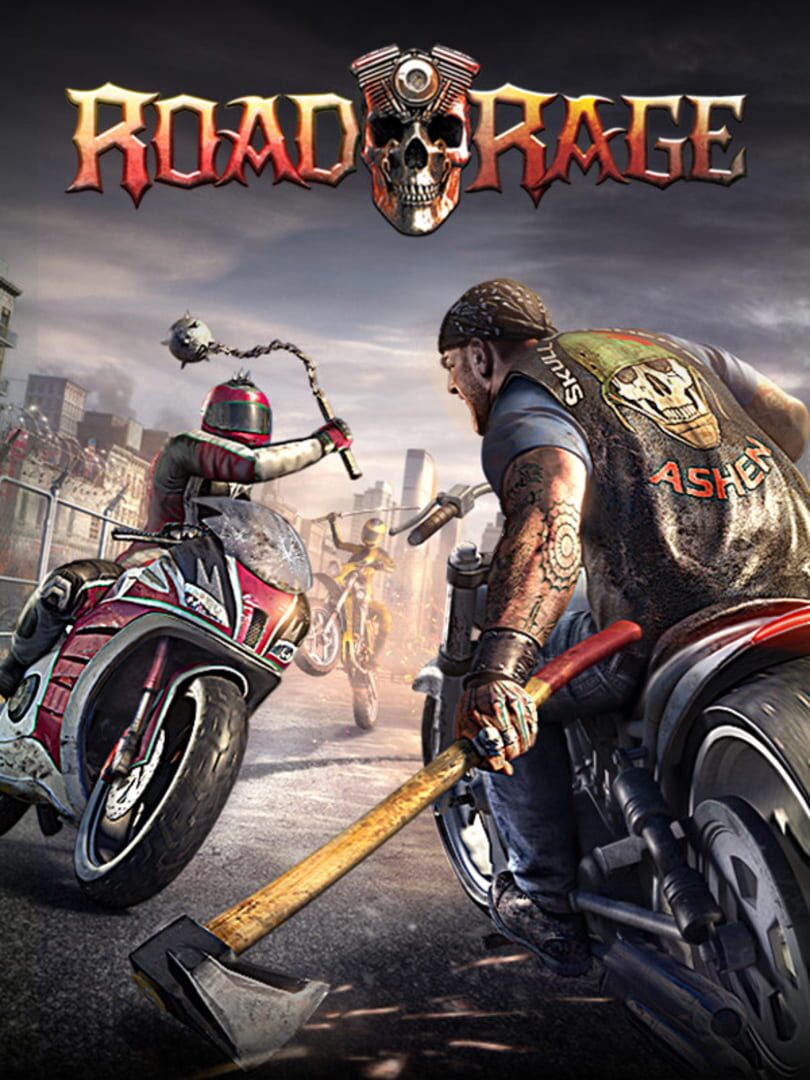
Road Rage2017
Critic20/100
Agreement—
It's a broken, bewildering, shambolic mess, and never speak of it again.
Read full review at Push Square
No vote recorded.

It's a broken, bewildering, shambolic mess, and never speak of it again.
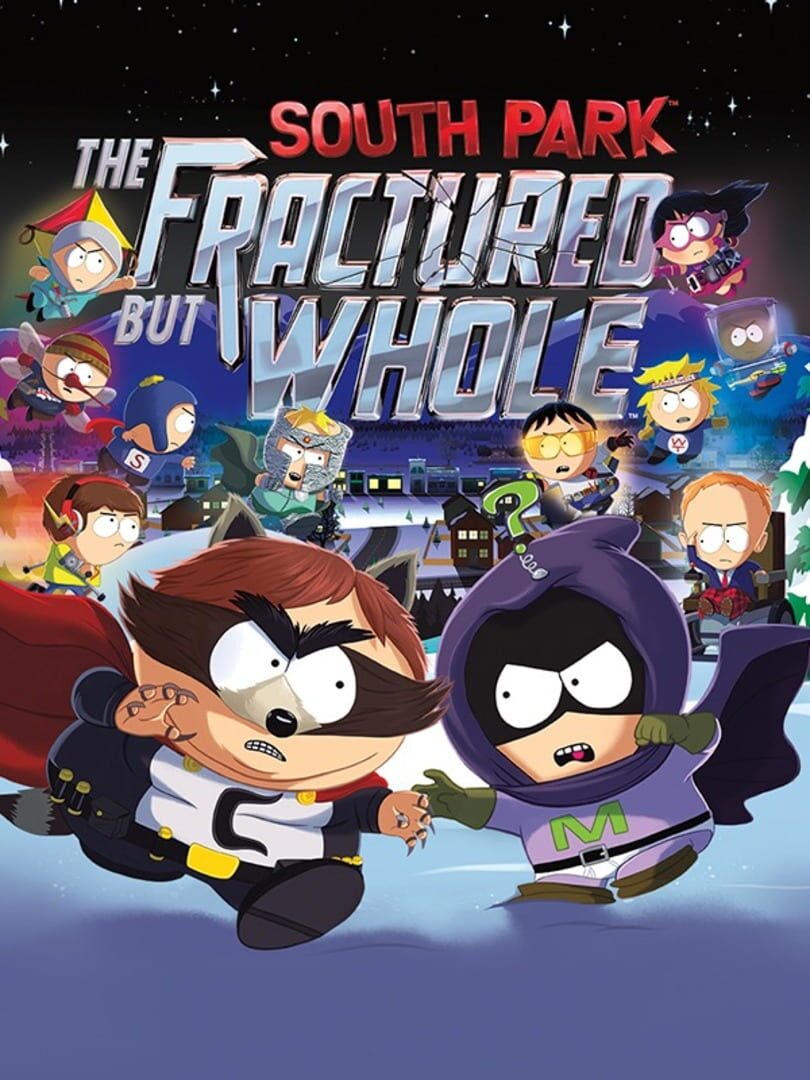
The only area in which South Park: The Fractured But Whole can't compete with The Stick of Truth is surprise. There's nothing here that will rival the childish glee we felt seeing 8-Bit Canada for the first time. But it's still riotously funny from start to finish, and on top of that there are some genuinely poignant moments in the game that we weren't expecting. With a much improved battle system and a larger, more well-rounded cast of characters, The Fractured But Whole is practically everything you could want from a Stick of Truth sequel. And there's a bunch of fart jokes, too.
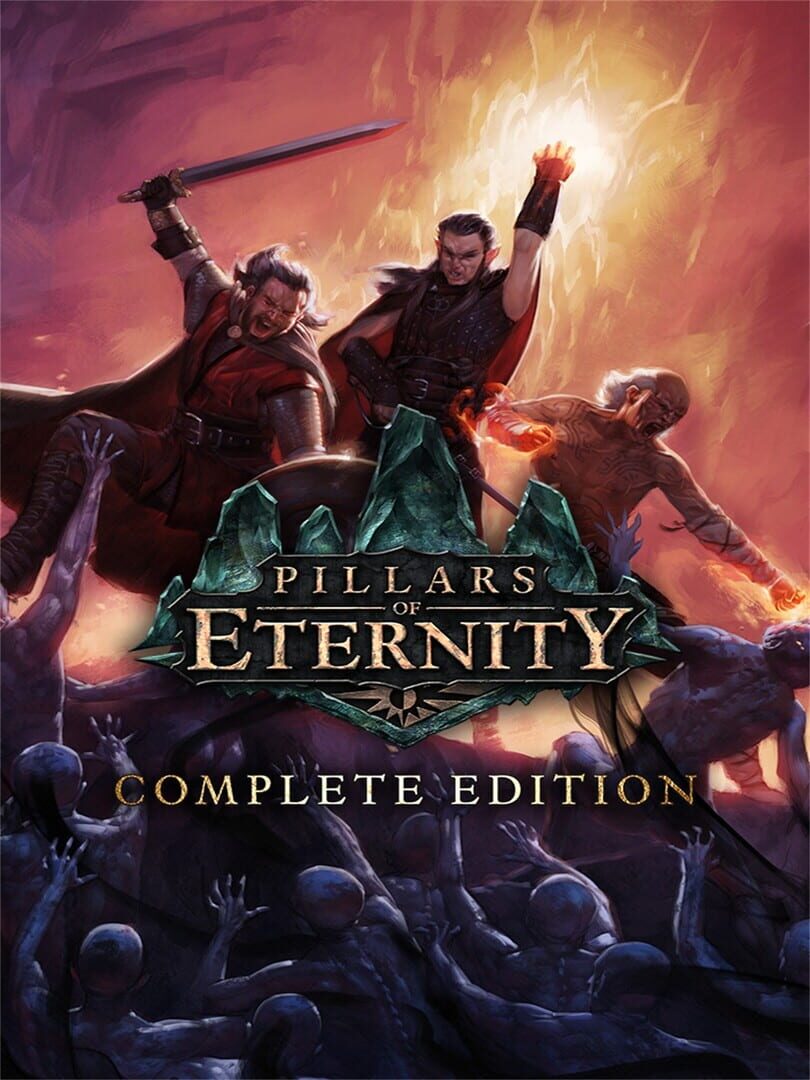
Pillars of Eternity is a wonderful role-playing game, expertly weaving deep, tactical combat and captivating writing - a combination that will appeal to unabashedly old school gamers, but will also yield abundant rewards for players new to the genre. What Obsidian has crafted here, ostensibly as a love letter to the isometric computer role-playing games of the late '90s, is not merely an exercise in tickling the nostalgia itch of those pining for another Planescape: Torment or Baldur's Gate, but a contemporary to those classics, and one that will surely be held in as high regard in the years to come.
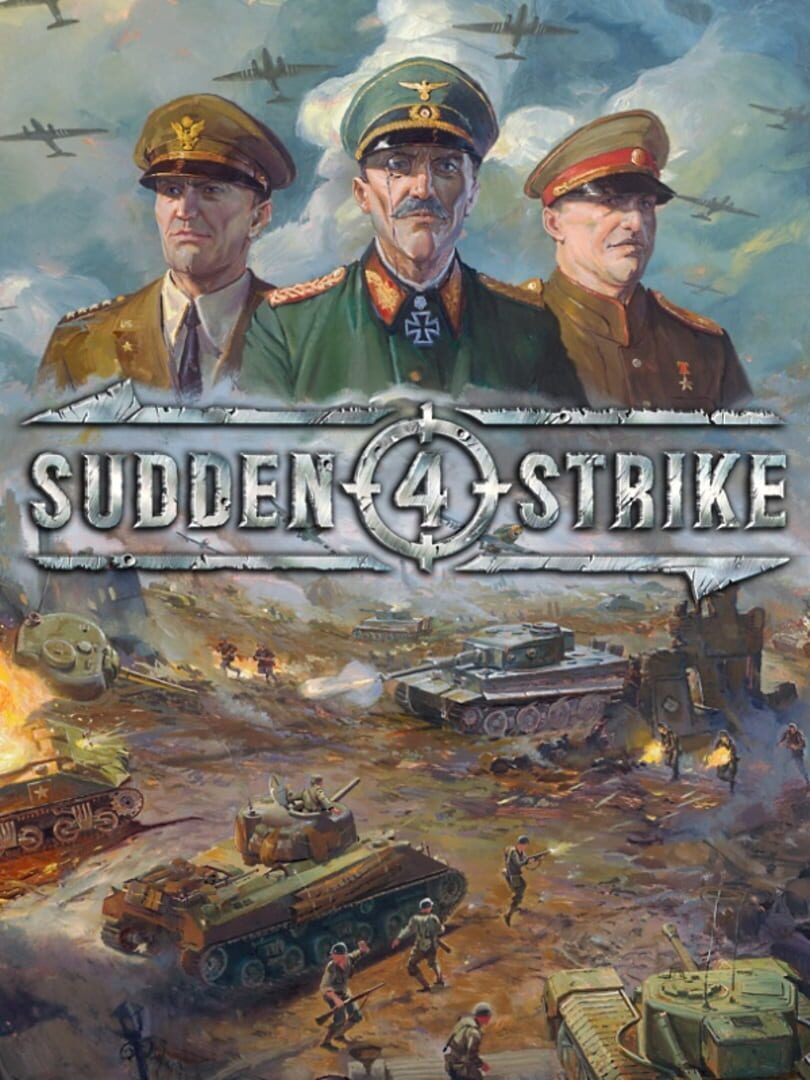
Imagine what would have happened during World War II if Winston Churchill had issued orders and his subordinates had just stood still – slack-jawed, disinterested, and non-compliant. Or perhaps what would have happened if Johannes Blaskowitz had directed a battalion of German panzers to move through a tight alley in Stalingrad, only for the first tank in line to inexplicably grind to a halt four metres into the alley, leaving the rest of the squad to be picked off by Soviet anti-tank soldiers. Consider how Stalin would have reacted had he found out that an entire squadron of his finest Russian soldiers were indiscriminately wiped out when his own tanks blew up the building they were holed up in aiming at enemies on the other side of the structure. Thanks to a control scheme that doesn't make sense and sometimes doesn't do what it's supposed to, and appalling AI for both allies and enemy units, Sudden Strike 4 is a game that answers all of these questions and a bunch more you were probably afraid to ask.
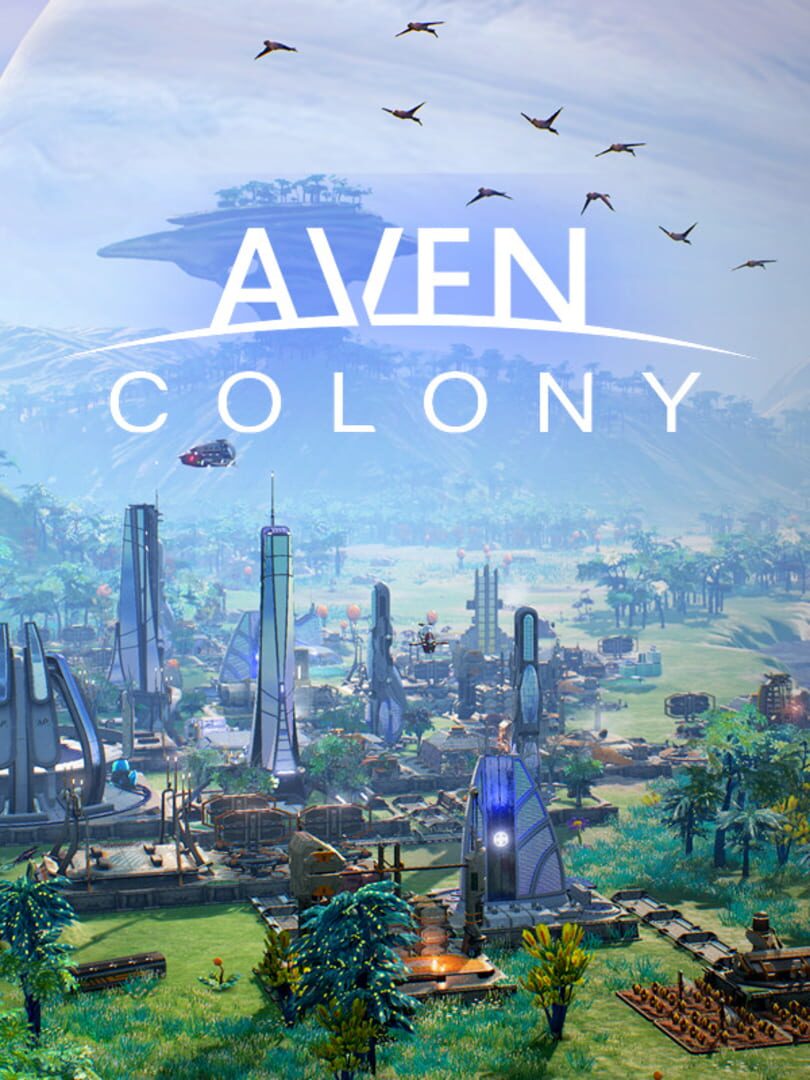
When Aven Colony is at its best, it's making a strong case for the viability of the real-time strategy genre on console via an addictive mix of easy-to-grasp city building mechanics, a surprisingly intriguing sci-fi story, and a tight campaign that offers variety and never outstays its welcome. Unfortunately, it has a number of annoying technical issues which -- while they might not affect every player -- are persistent enough to undermine the experience depending on your tolerance for slow down and hard crashes. If you can weather the storm of technical shortcomings Aven Colony throws at you, you'll find an impressive, accessible strategy game that feels right at home on PS4.
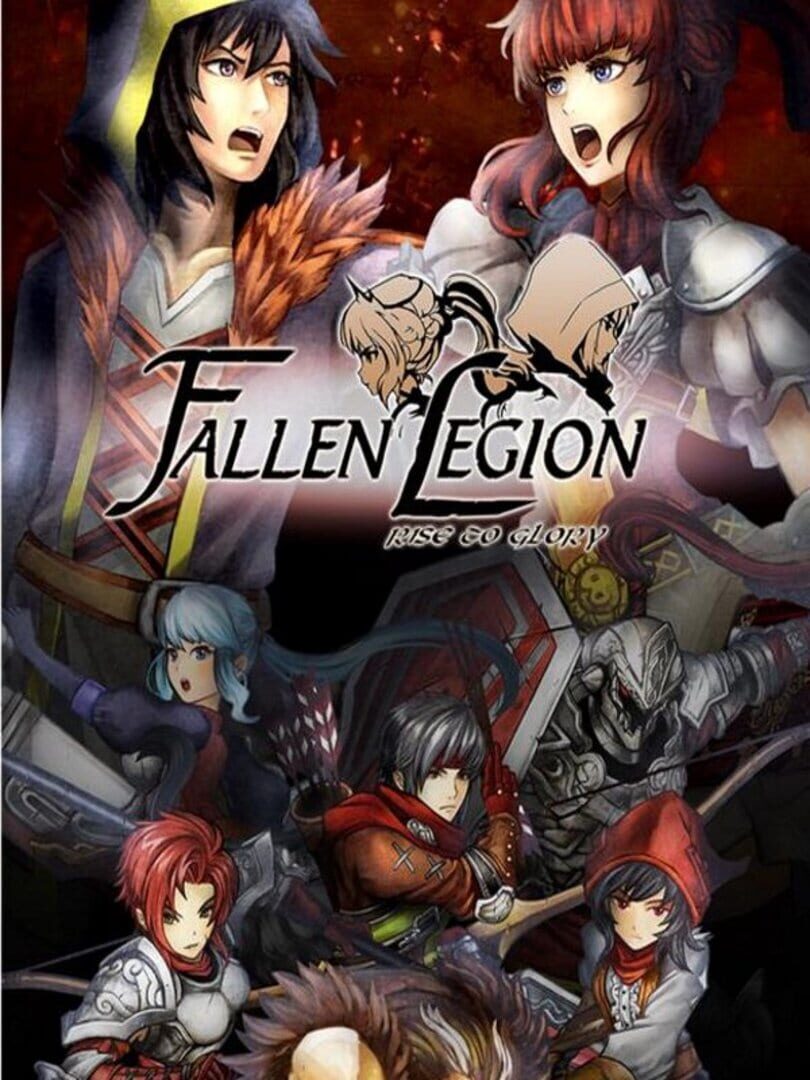
Fallen Legion isn't a home run. The story is somewhat trite and undercooked, and most of the cast are little more than stereotypes, but there's an earnest charm to the game that's hard to overlook, and the brevity of the campaign actually works in its favour. The frenetic combat is undoubtedly repetitive, but it's occasionally thrilling, and the choice system is well implemented and thought provoking. This won't change the mind of anybody who generally avoids action role-playing games, but for fans of the genre, there's enough here to warrant recommending Fallen Legion as a bite-size adventure to tackle between bigger games.
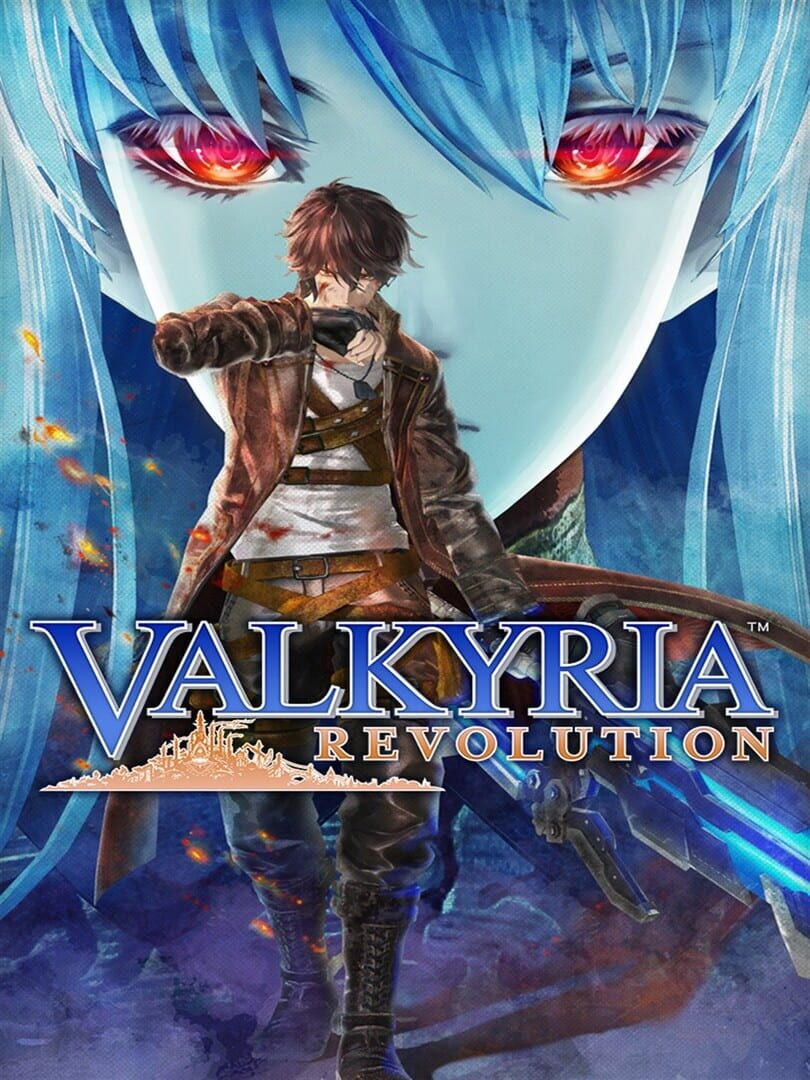
Valkyria Revolution is like a bizarre, alternate reality version of Valkyria Chronicles in which everything that the original got right has somehow been twisted into something awful. The devolution of interesting and quasi-relatable characters into eye-roll inducing stereotypes is upsetting, and the technical shortcomings of the game are disappointing. But it's the combat of Revolution that suffers most in comparison to Chronicles, and indeed, in comparison to practically anything else in the genre. Where Valkyria Chronicles was a constantly rewarding strategy game, Revolution is an action RPG so utterly devoid of any potential to challenge or delight that the only strategy you'll require is working out the quickest bus route back to the shop to get your refund.
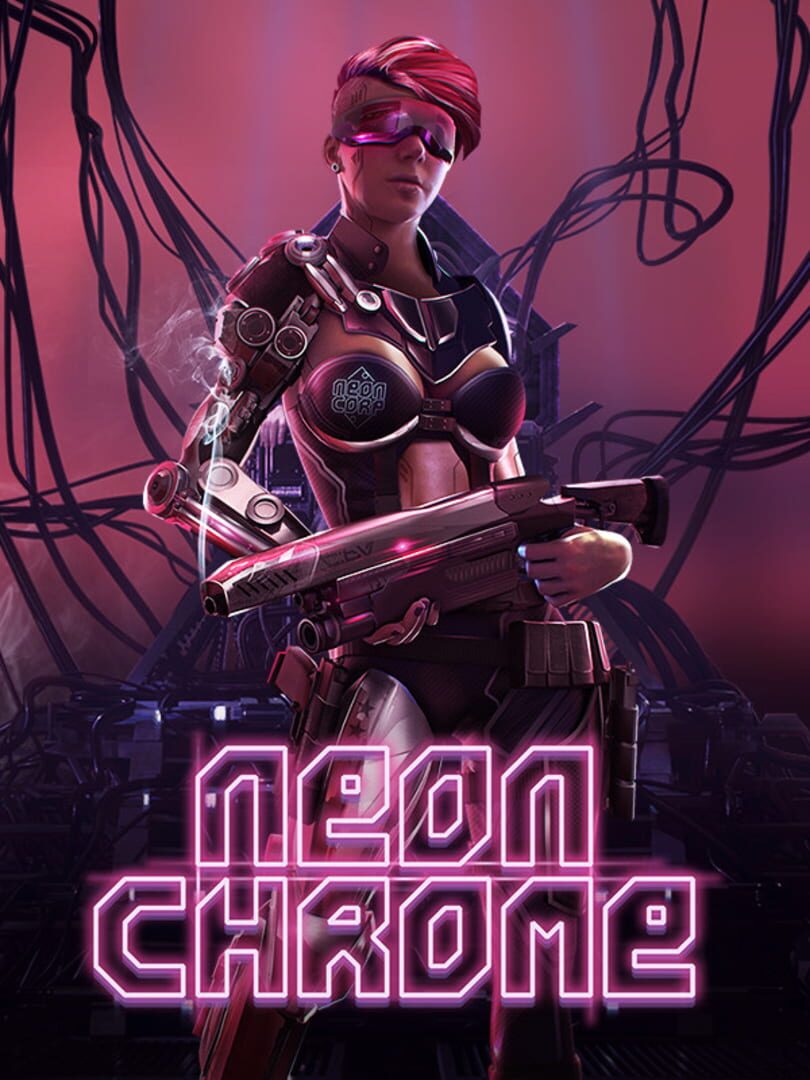
Mixing things up a little could have worked wonders, but as it is, playing Neon Chrome is an exercise in tedium occasionally broken up by the odd exciting moment. The progression system amounts to little more than slowly increasing numbers next to things like 'health' and 'damage', and contradictory design choices mean that despite options being made available to you, the best option is almost always the same one. Ultimately, Neon Chrome is a game that wants you to keep coming back for more, but one that offers few reasons to actually do so.
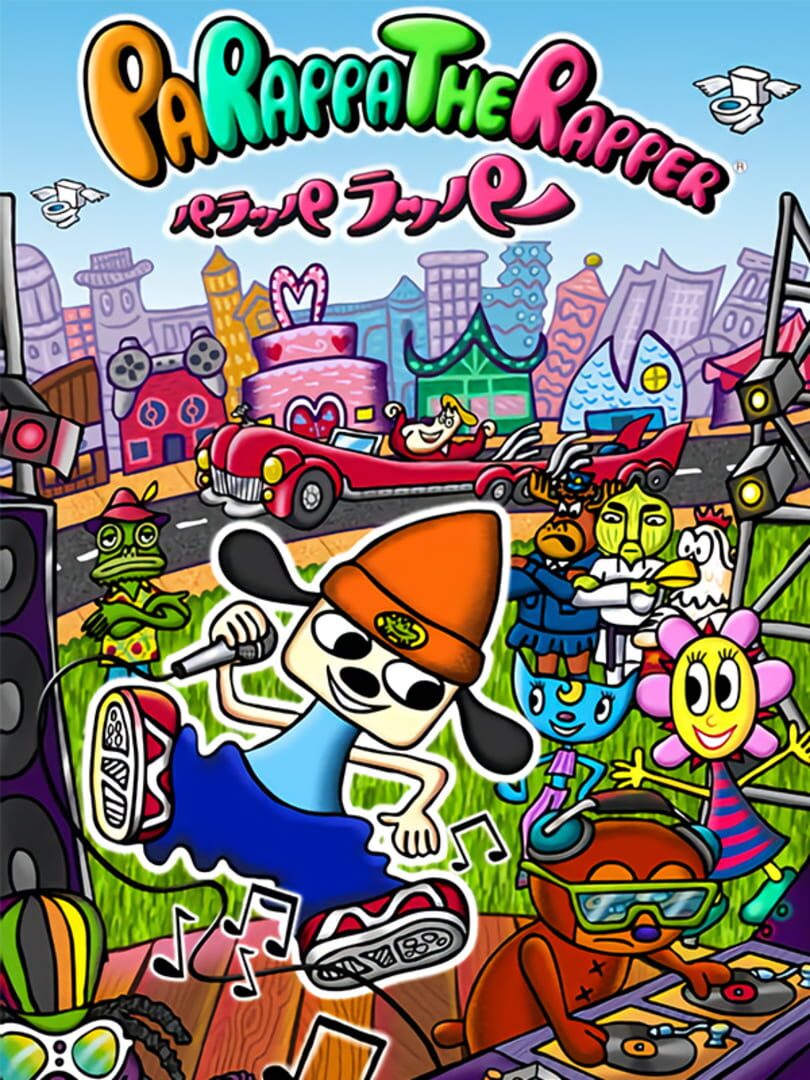
PaRappa the Rapper Remastered is a time capsule from the late 90s – warts and all. The high-definition gloss might make the game look better than ever, but it can't mask how the genre has moved on in PaRappa's absence. The mechanics don't hold up against the competition of today, but the fantastic soundtrack, charming characters, and budget price should prove more than enough to get the nostalgia juices flowing in anyone who remembers the old dog's first outing 20 years ago. You gotta believe!
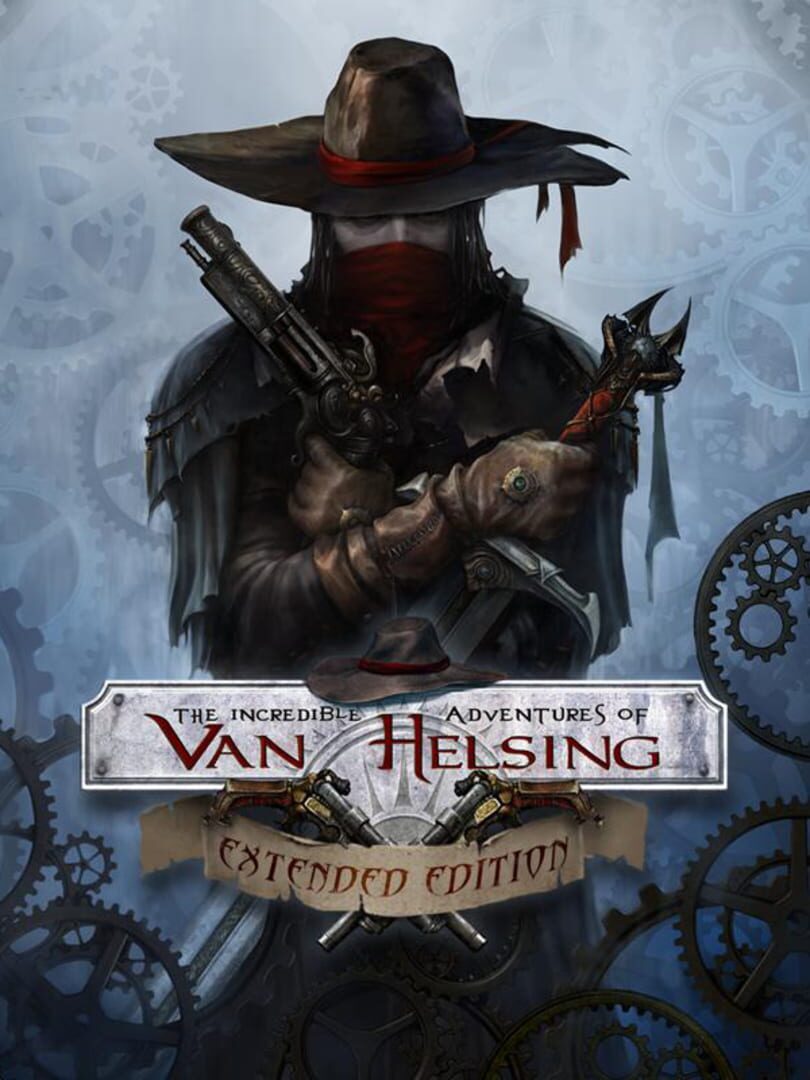
There's a kernel of an idea buried within The Incredible Adventures of Van Helsing that has potential. The son of a legendary vampire killer continuing where his father left off is at the very least a vaguely compelling starting point, and the action RPG genre could certainly benefit from some more humorous titles to serve as palette cleansers between all the hell and death and misery. Van Helsing's lighthearted tone certainly helps it to stand out from most games in the genre, but neither the battle system or the narrative are interesting enough to make it worth persevering with the other.
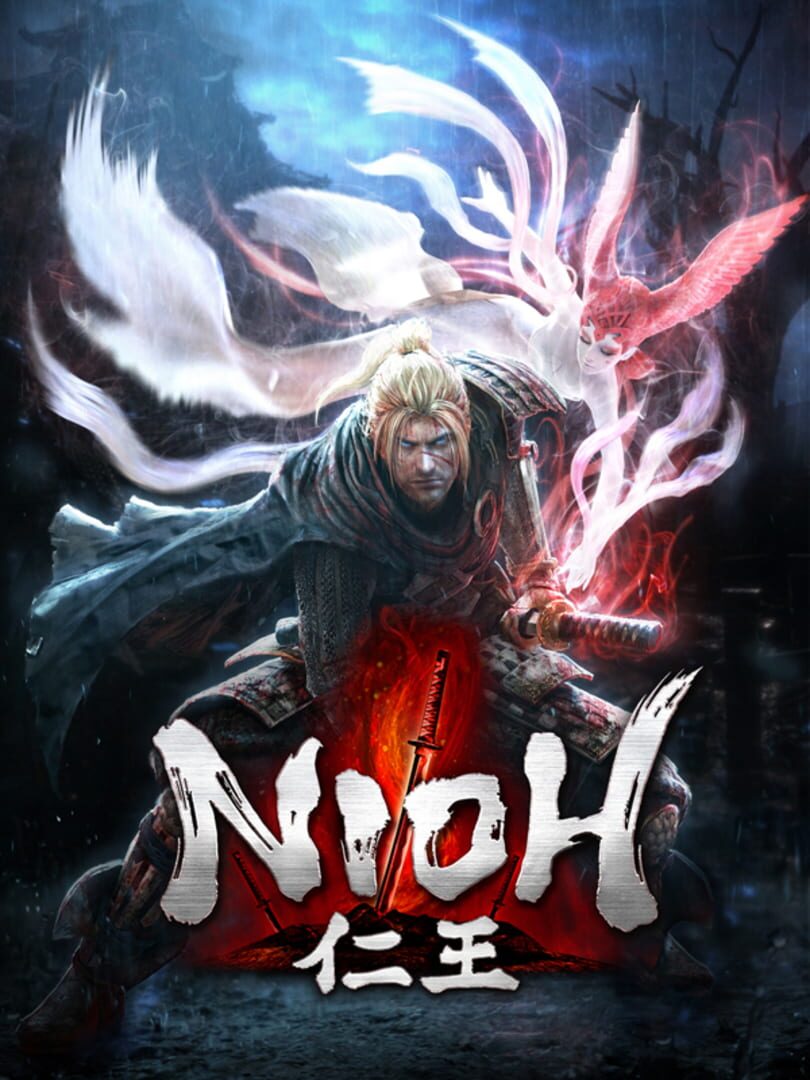
Nioh is about as approachable as a game of this ilk can be, and while that may offend the hardcore sensibilities of some Souls fans, it's a title that will likely appeal to many players who want a gameplay challenge but are turned off by the obtuse nature of Dark Souls' storytelling and the murky explanations of its mechanics. The experience is marred by some unfortunate difficulty spikes and lacklustre bosses, but the rich loot, levelling systems, and fast, often thrilling combat do more than enough to justify Nioh as a worthy contemporary to From Software's efforts – and an impressive return to form for Team Ninja.

The core Hatsune Miku gameplay has barely changed, so if you liked it before, you'll like it now. The most compelling case for picking up Project DIVA Future Tone lies in the options you're given as to how much of the game you want to buy. While the free, base package won't give you much to sink your teeth into, either of the reasonably priced add-on packs offer an awful lot of bang for your buck, and combined they make up the most robust and complete version of Hatsune Miku ever released.