In the end, I’ve abandoned every single one of my campaign playthroughs shockingly early, and returned to the sandbox mode to muck around with the things I learned in the wars. And admittedly, I’m better every time I return.


In the end, I’ve abandoned every single one of my campaign playthroughs shockingly early, and returned to the sandbox mode to muck around with the things I learned in the wars. And admittedly, I’m better every time I return.

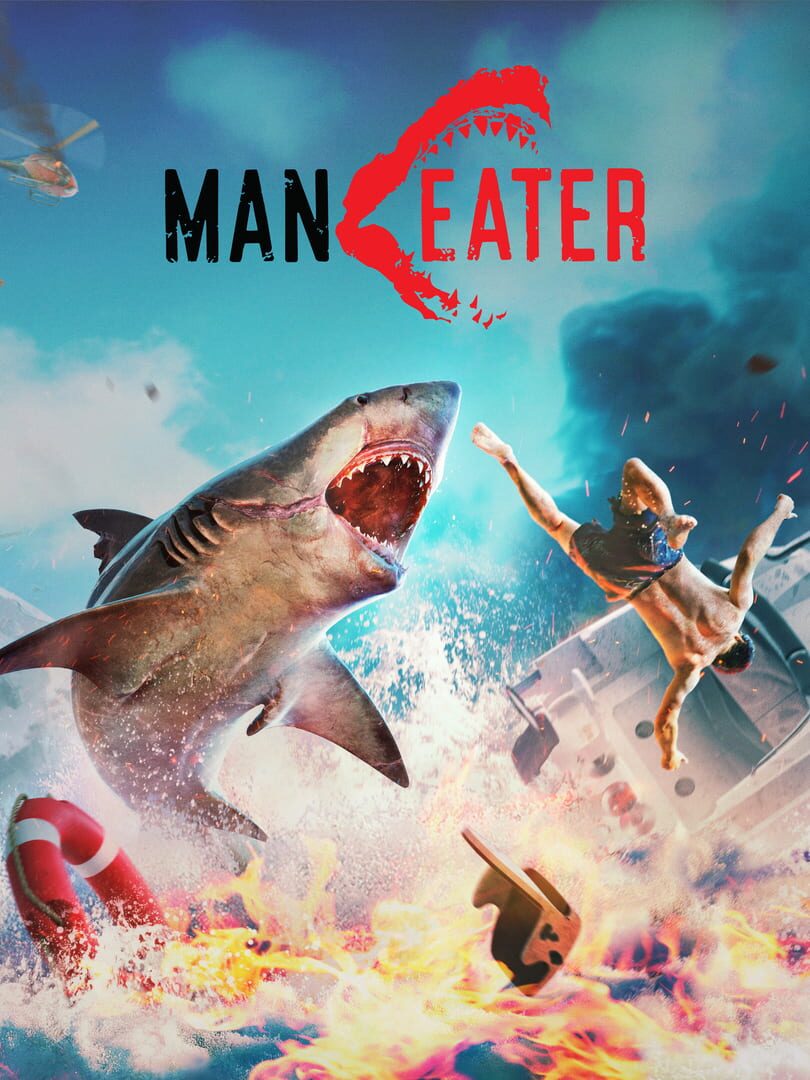
The overwhelming impression is that the game doesn’t really know what it’s trying to say, and can’t convincingly pass the mess off as satire. So it would probably be best off saying nothing.

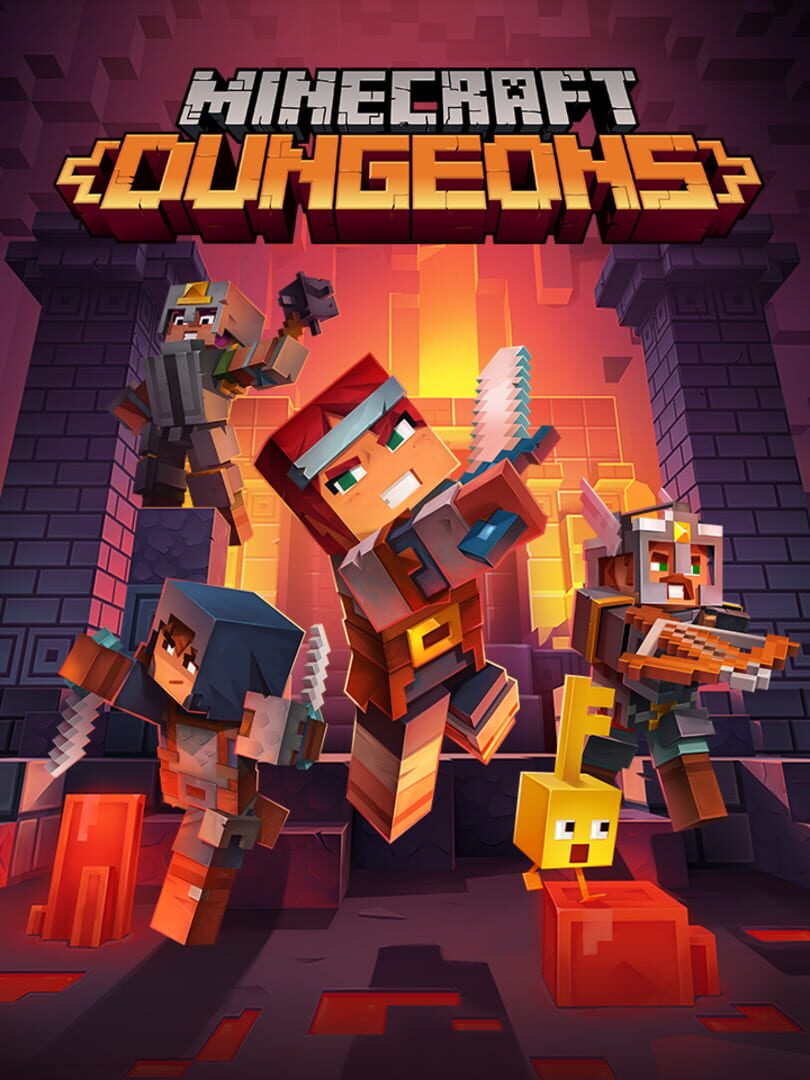
It’s a robust piece of design that you could well consider a triumph, given just how many ways in which the concept of an ARPG based on a construction game phenomenon could have ended in disaster. And I’m confident in recommending it as worth its price to even the most jaded click-stabber, especially one with even a passing familiarity with Minecraft. But the fact it’s been executed so competently leaves me wishing the developers had been a bit more reckless, frankly.

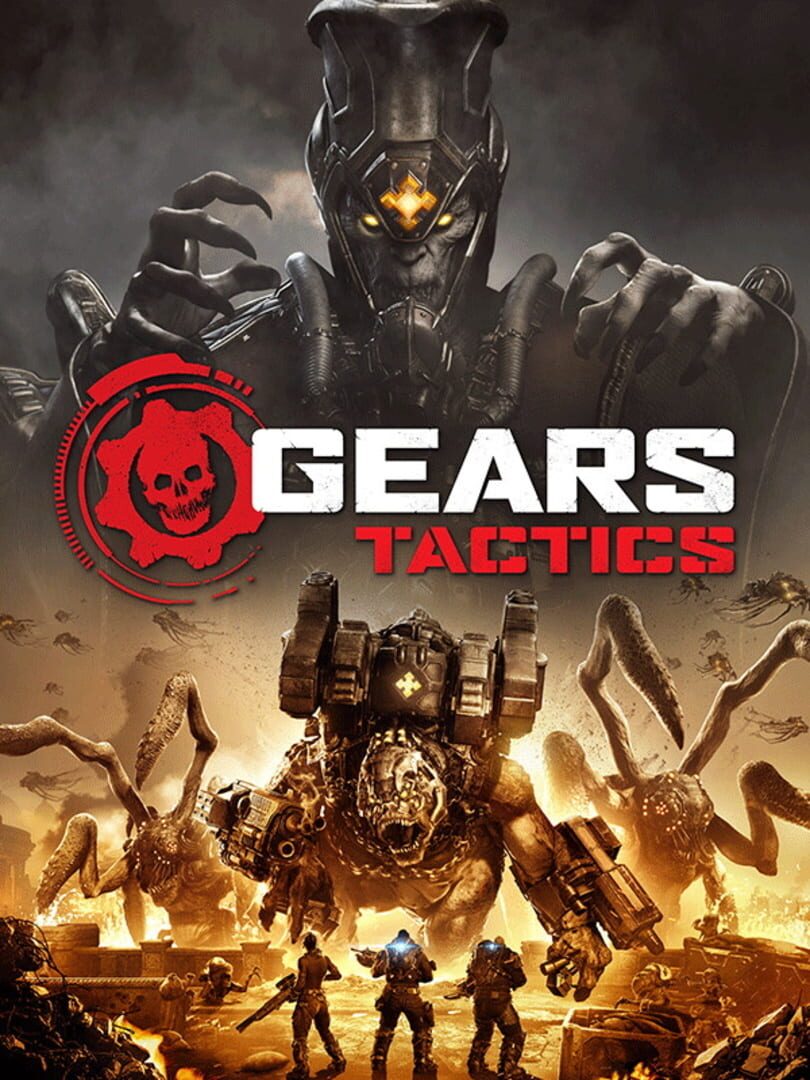
This is 100% a Gears Of War game, that also happens to be a top flight strategy effort.

Fallout 76 is being rebuilt, and Rome wasn’t built in a day, after all. But then, Rome wasn’t hastily reconstructed from an out-of-season caravan park in Skegness either, which is kind of what it felt like Wastelanders had to do with the base game.

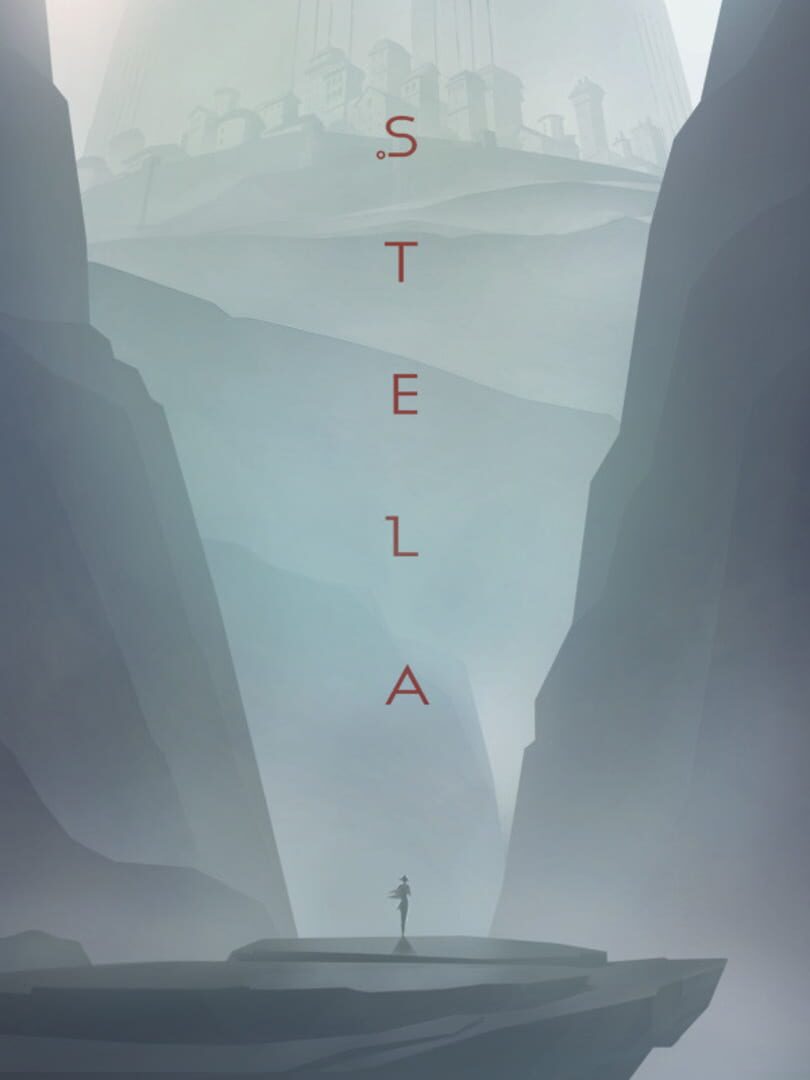
It took me the best part of a month to come back to Stela in order to finish this review. I’m glad I did, as it still had some astonishing sights left to show me. But it was a close call.

I liked it! More than I expected to like it. But at the same time, after six hours of it, I’ve had enough.

Here is a completely unhyped, completely straightforward expansion – in the old-school sense of the term – that adds a few strong new systems to the game, as well as a whole bunch of new variables to feed into its various narrative generation mechanics. And thanks to the endlessly repeatable, emergence-focused creature that RimWorld is, it’s enough to completely refresh your sense of compulsion, even if you felt you’d done it all to death with RimWorld 1.0.

Genesis strolled down the street of things that made ARK magic despite its faults, and smugly posted a cat turd through every letterbox.

Frog Detective 2 is a game you can hold in your head all at once, and cherish. I think it’s great.

I’ve not been a professional games reviewer for that long, and I’m not ashamed to admit I was frightened by the prospect of offering my opinion, publically, on a work of this size and importance. Truly, this is a Monday to hate more than any other.

Given the scarcity of successors, then, I see no reason why Microsoft shouldn’t just keep making this game bigger and bigger and bigger, lumping all the bits together every few years and slapping it down with nicer animations, until it’s got ten thousand missions and includes “Dudley” as a civilisation because they ran out of ideas. That would be fine by me. Long live the (Age of) King(s)

Planet Zoo is a game where you can build your own zoo. It’s buggy, intermittently opaque, frequently saccharine, and – barring an eleventh hour miracle – it’s my undisputed game of the year. Because here’s the thing: it’s a game where you can build your own zoo. And by thunder, it delivers on that promise.

While the game itself isn’t the most stellar company, there’s no denying why it, like its predecessors, will be incredibly successful – because it provides a superb environment for hanging out with your pals.

It’s not my favourite play of all time by any means, and I may never come back to it after my fascination fades. Even so, if I’m asked to come up with an example of a genuinely unique experience that shows what games are capable of in 2019, this is the block my internal Wilmot will bring forward from the tangled stacks of my memory.