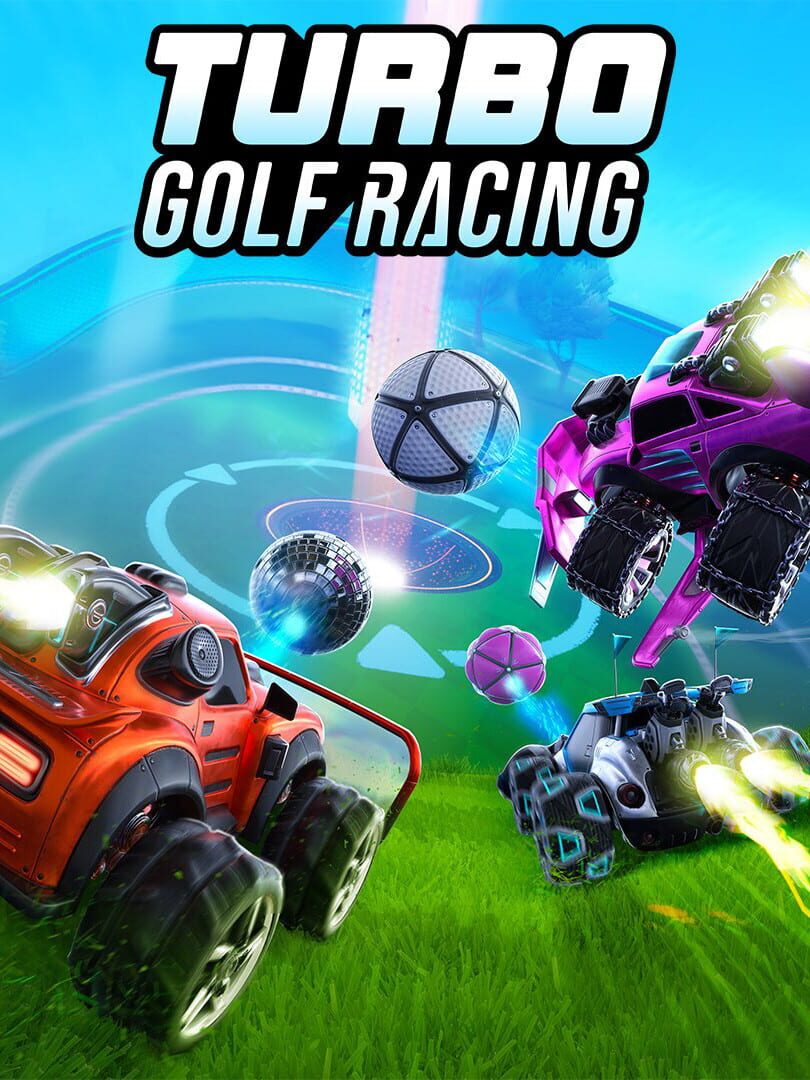
Turbo Golf Racing2024
Critic60/100
Agreement—
If you're looking for a brief distraction, Turbo Golf Racing delivers a sizeable amount of fun in an admittedly slim package.
Read full review at Push Square
No vote recorded.
If you're looking for a brief distraction, Turbo Golf Racing delivers a sizeable amount of fun in an admittedly slim package.
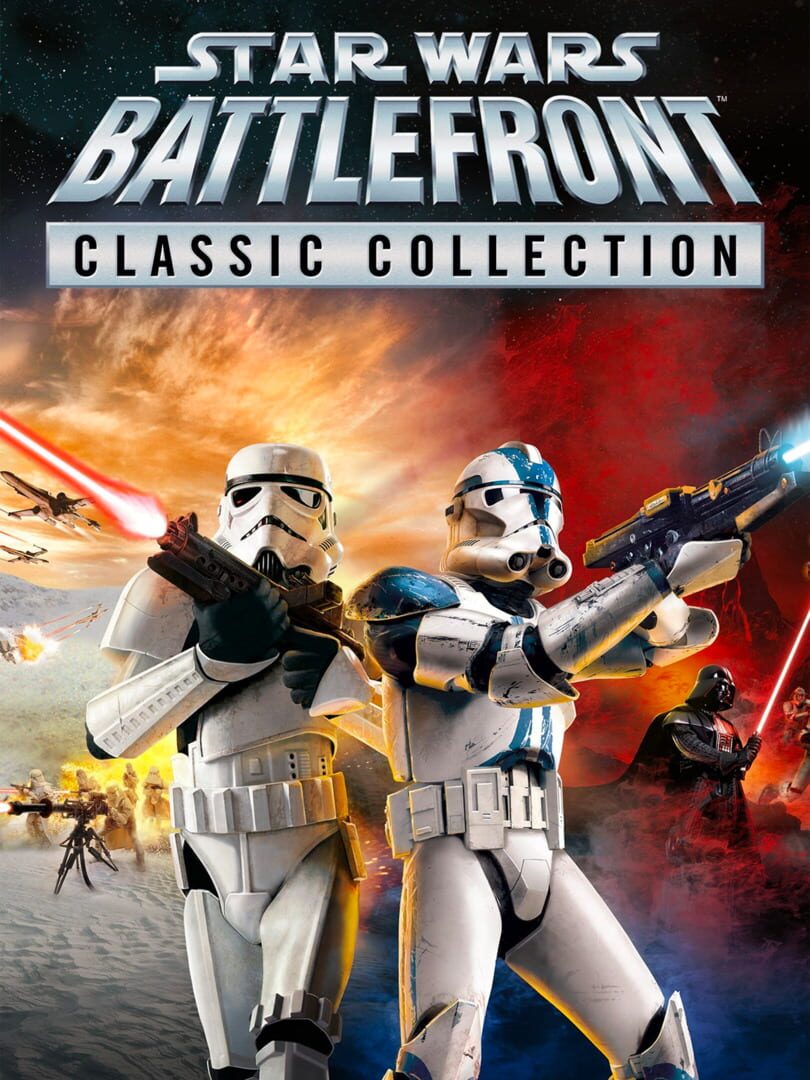
Aspyr has done a serviceable, even admirable job with its porting of Star Wars titles up to this point, but the Star Wars: Battlefront Classic Collection represents a monumental misstep and a much-deserved blemish on its reputation. These are two beloved games representing some of the very best experiences the Star Wars IP has ever offered. To release these remasters in this state is deeply concerning. Our only solace is the fact that, eventually, most of the problems should be fixable.
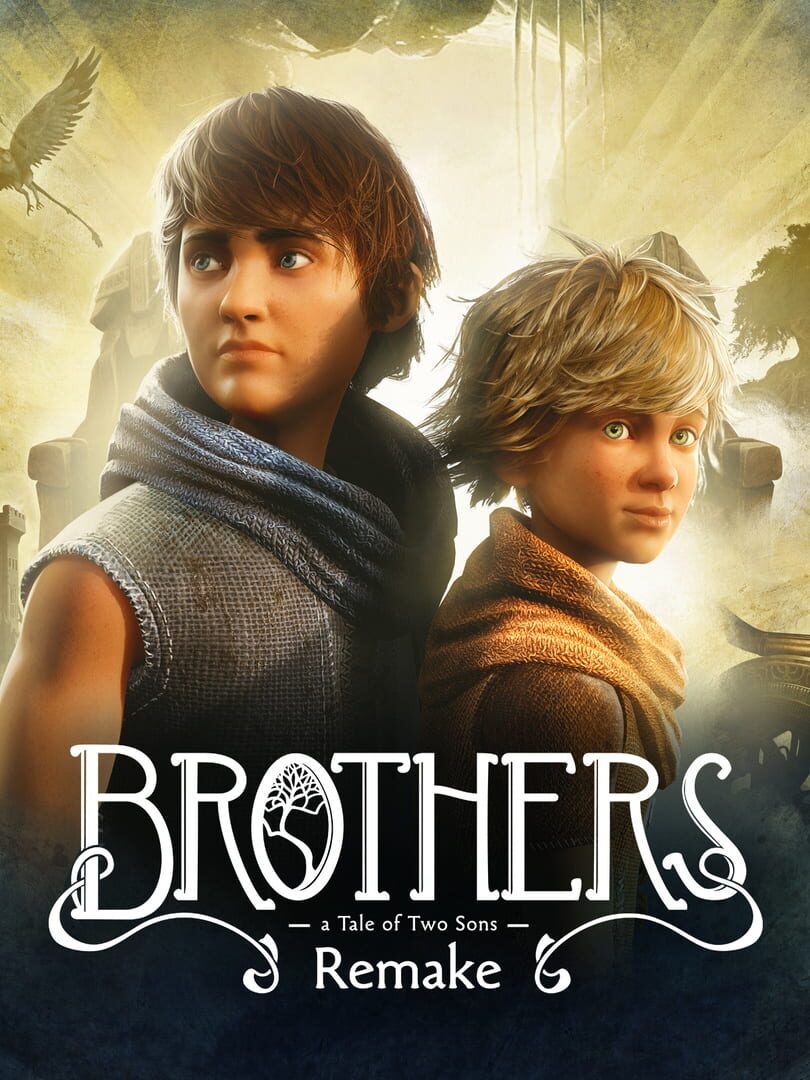
Brothers: A Tale of Two Sons Remake is a solid retread that occasionally gets in its own way. The graphical and musical overhauls are spectacular, and the emotional heft of the story is intact, but the industry has left the title behind in a lot of ways. The control scheme is still pretty unique, and a rousing success in single-player, but the co-op mode comes with an asterisk. While it's a welcome accessibility inclusion, it fundamentally alters the experience, and not really for the better. Throw in some technical woes and you're left with a remake that doesn't quite feel up to snuff in a modern setting. However, the core game was incredible for its time, and ultimately remains a moving tale in this refreshed version.
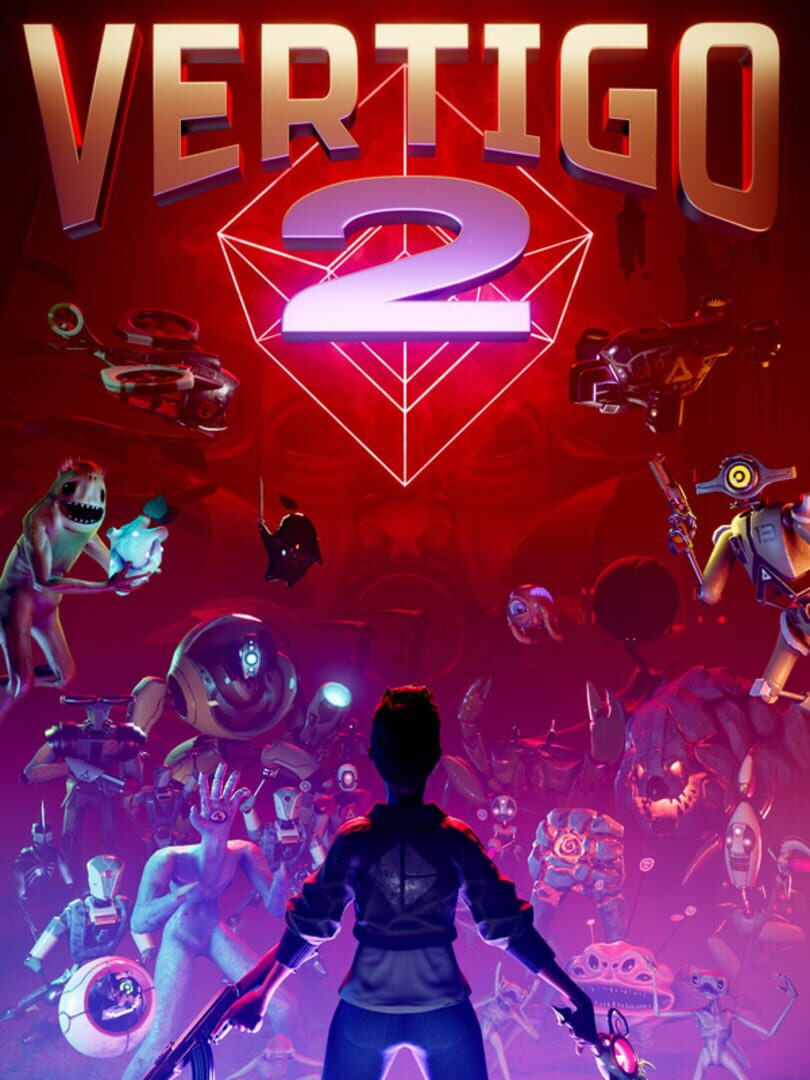
The writing is fun too, though the sound design can often undercut things by blaring over the top of dialogue on default settings. We missed some jokes early on before making corrections. It's great that the title is so fun though, because it also happens to be quite a bit longer than we’ve grown accustomed to with VR titles. Clocking in at nearly 10 hours, Vertigo 2 is a PSVR2 must-play. This is achieved through a combination of great gameplay, fun, often insane boss fights, a playful tone, and oh so much more.
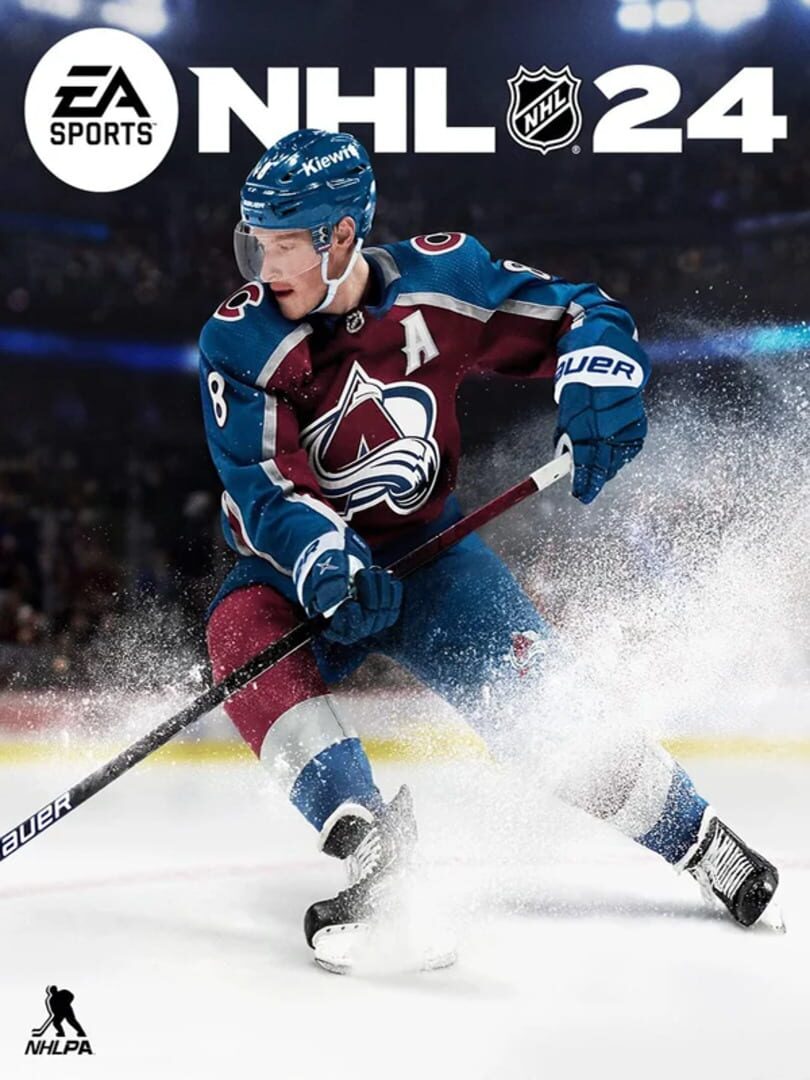
Sports games are pretty predictable. From one year to the next, you'll see one or two sweeping changes and then a number of smaller tweaks, but beyond that, you'll by and large be playing the same title. By that logic, it's actually impressive how much EA Vancouver has managed to change this year given how quick its turnaround is from game to game. Less impressive is the implementation of said changes. Selecting your pass targets is a wholly welcome inclusion and a rousing success. The majority of the other changes, particularly the new checking system, leave much to be desired. Why do so many things feel like they took steps backward? Isn't this kind of problem usually reserved for the dawn of a new generation? What happened?
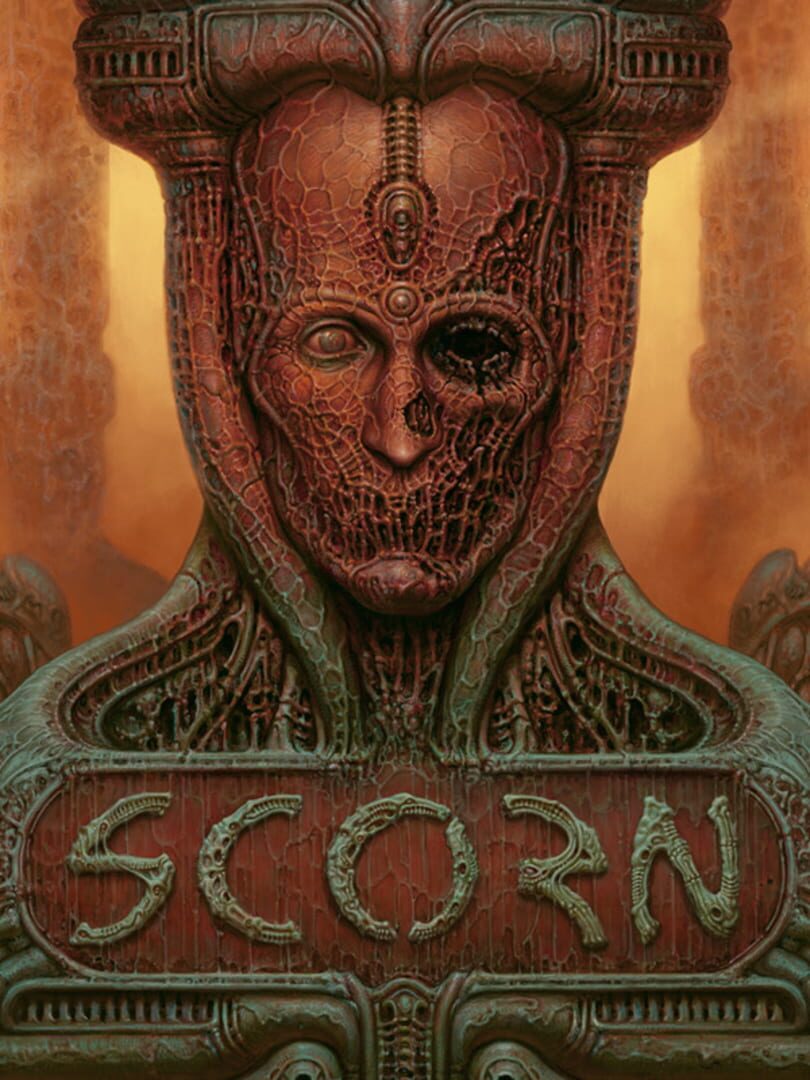
What you get out of the game is what feels like a really great artistic idea, which the team committed to fully. And after the art was done, they tried to place their gameplay ideas anywhere they happened to fit. The end result is a visually arresting, but haphazardly designed experience.
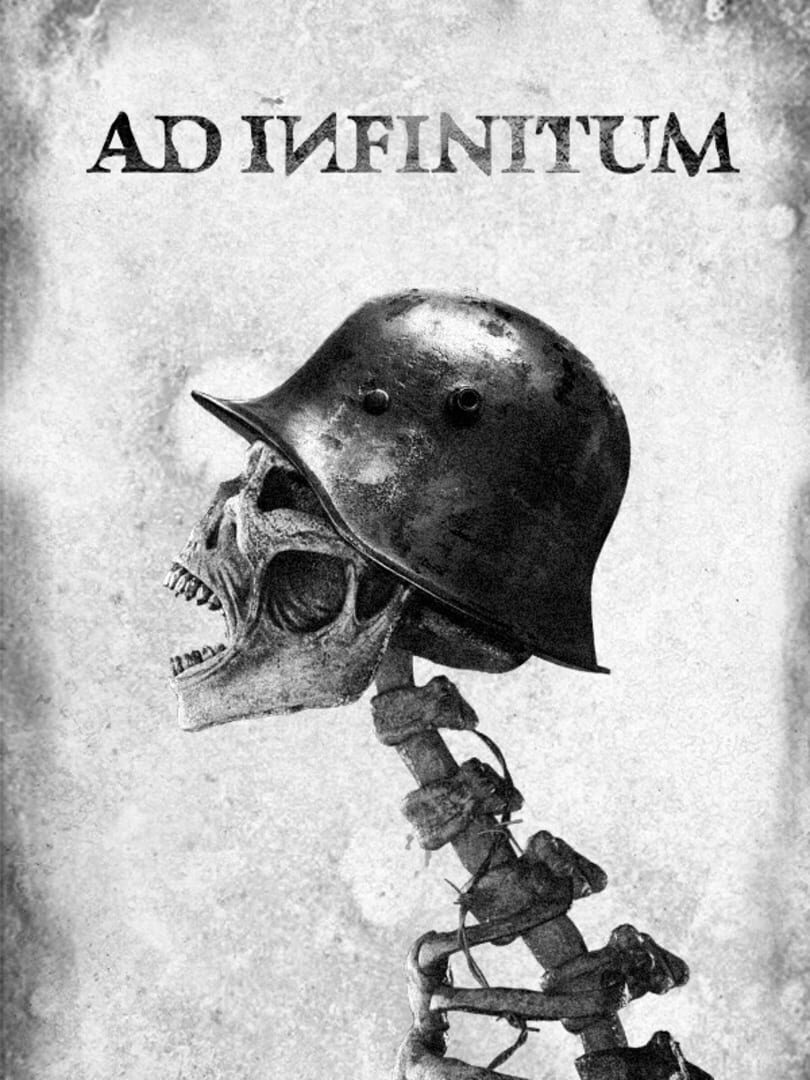
What everything adds up to is a game that’s half good. If the more unique and compelling idea of the war was expanded upon, the title could have been much better.
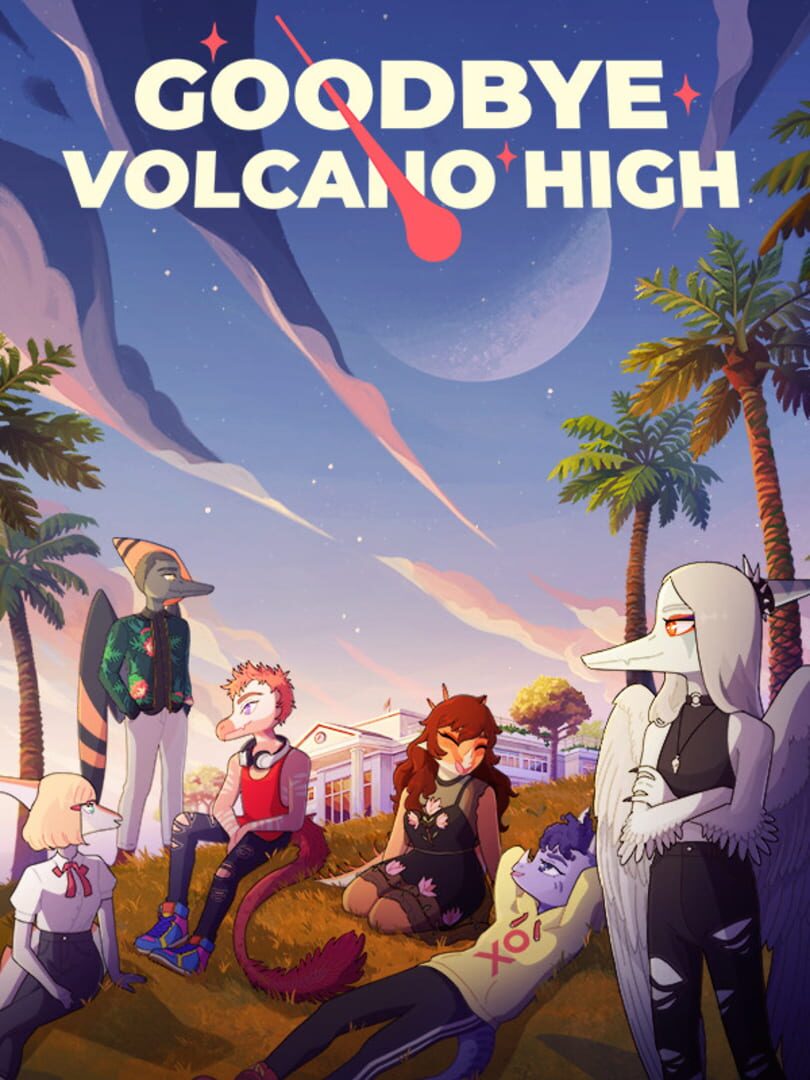
Goodbye Volcano High is an absolute delight. While the rhythm gameplay segments are a bit of a nuisance by way of their design, the only other real issue is the sorry state of the Trophy list, something that should be easily remedied. If you can look past those fairly minor hitches, then what you'll experience is an exceptionally written game filled out by a cast of characters without so much as a weak link. Combine the incredibly impressive roster of characters with the high caliber of writing capable of delivering an emotional gut-punch just as easily as raucous laughter, this is not one worth sleeping on.
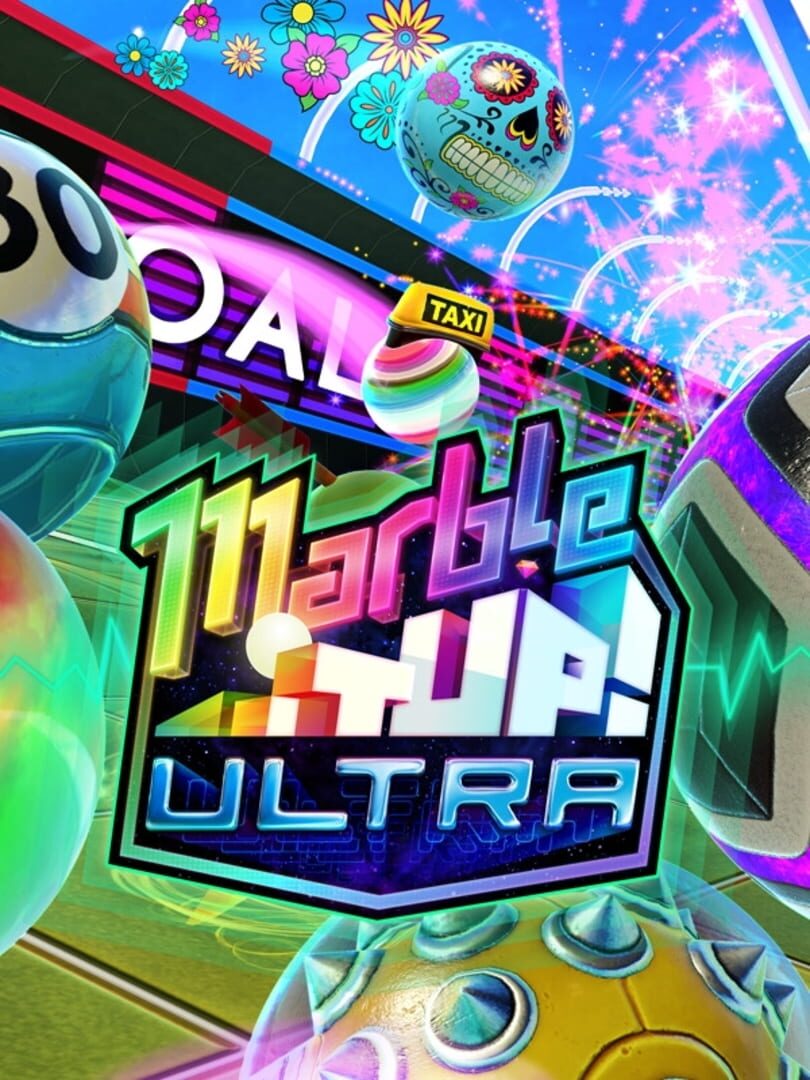
Generally, the game is packed to the absolute brim with content, and it's a blast to play, even if it never sees fit to reinvent the wheel.
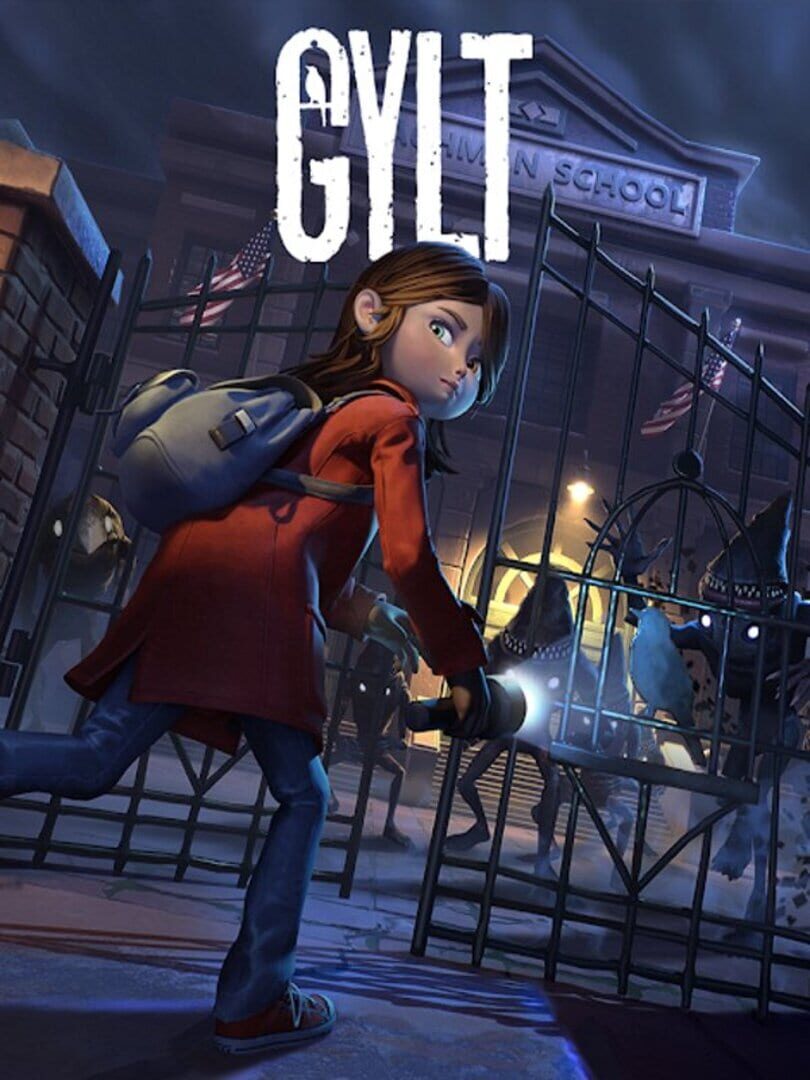
Tequila Works has definitely offered better experiences in the past, but Gylt is still a decent enough time.
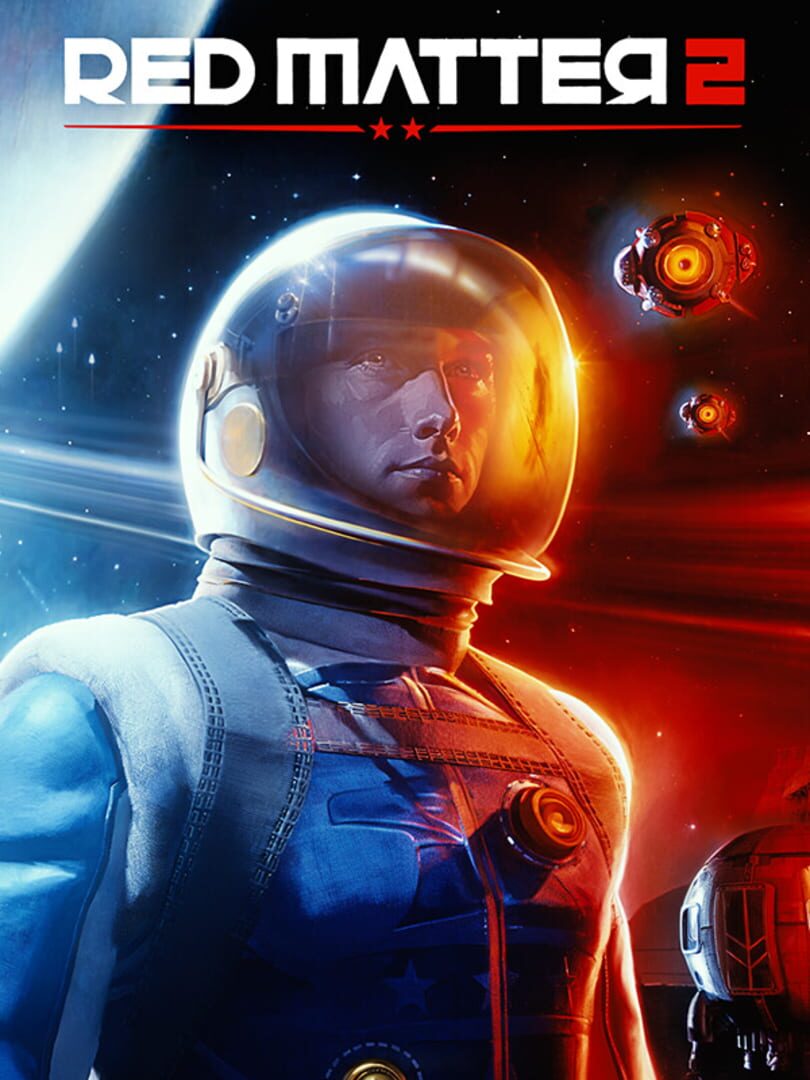
Ultimately, the issues that arise aren’t enough to quash the immense level of fun or the mastery of design on display. Red Matter 2 is a PSVR2 must-play.
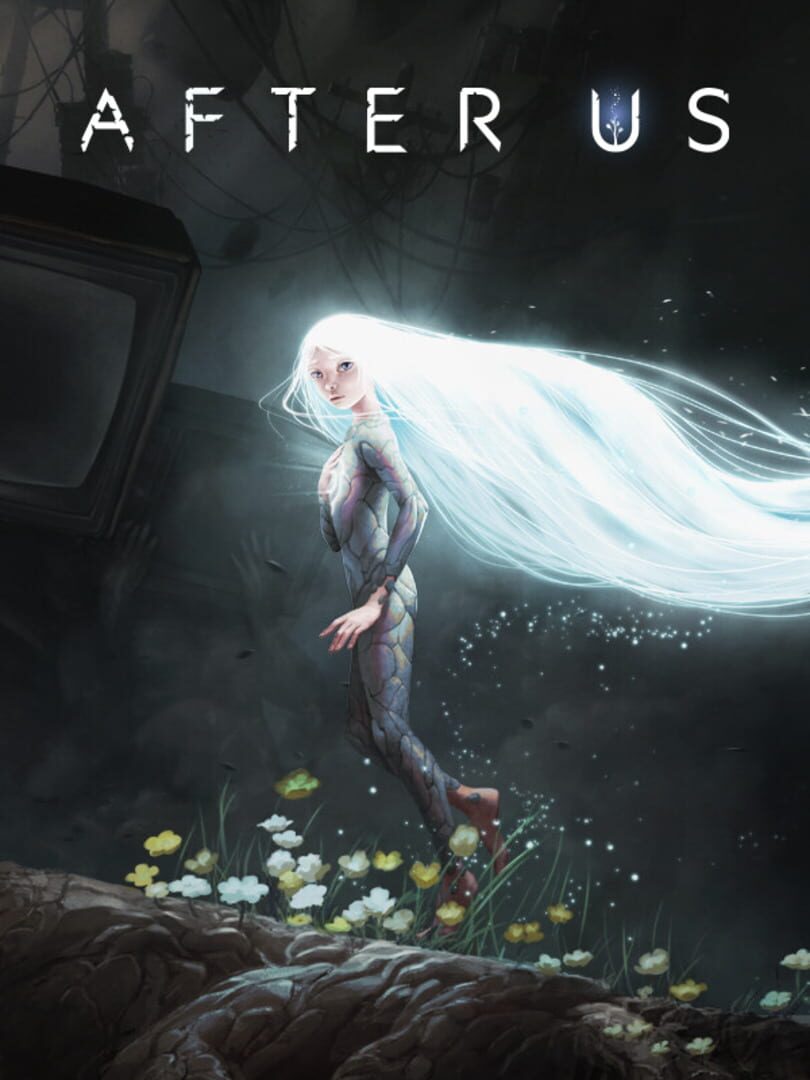
With lofty ambitions and some great elements, After Us lets itself down in as many ways as it triumphs. Gorgeous art direction and an admirable anti-pollution message aren't enough to make up for tedious combat, performance issues, and open-ended level design that plays things a little too loose. If you're itching for an experience like this, there are better options out there, at the very least until After Us' performance issues are addressed. There's the core of an incredible experience here, but it's just not ready yet.
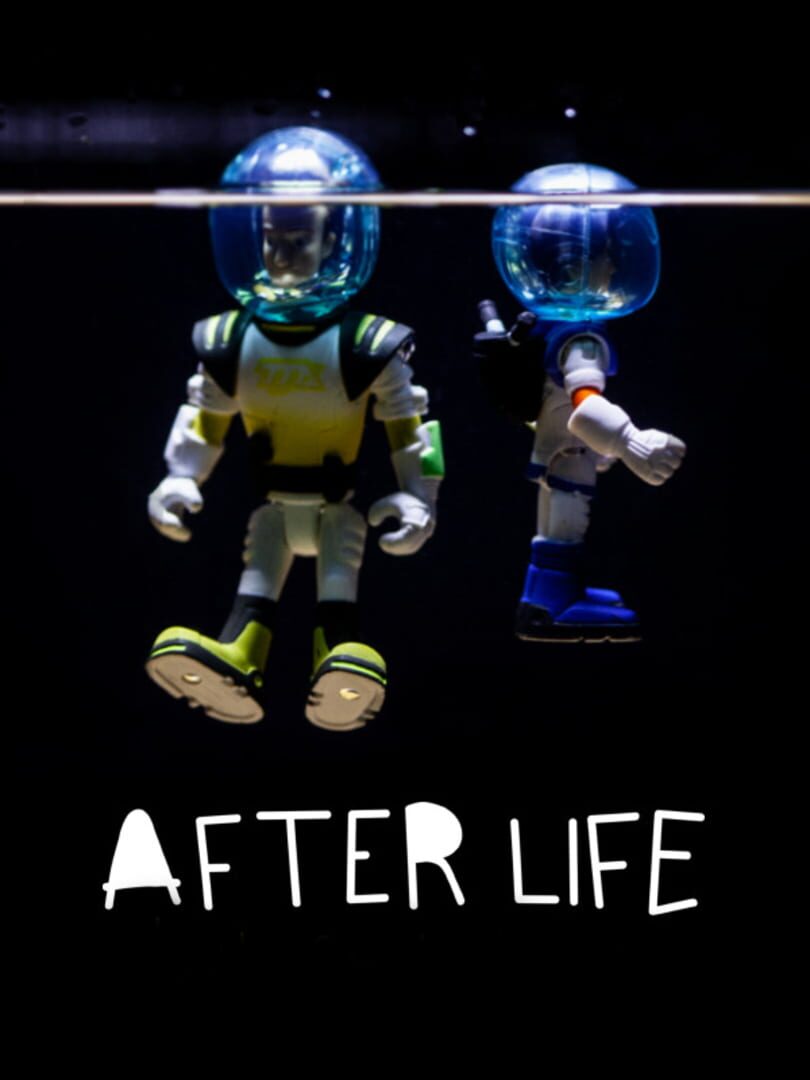
There is nothing brand new to look forward to in the title, but Afterlife VR effectively takes a blender to a number of horror tropes and settings, delivering a sufficiently worthwhile experience.
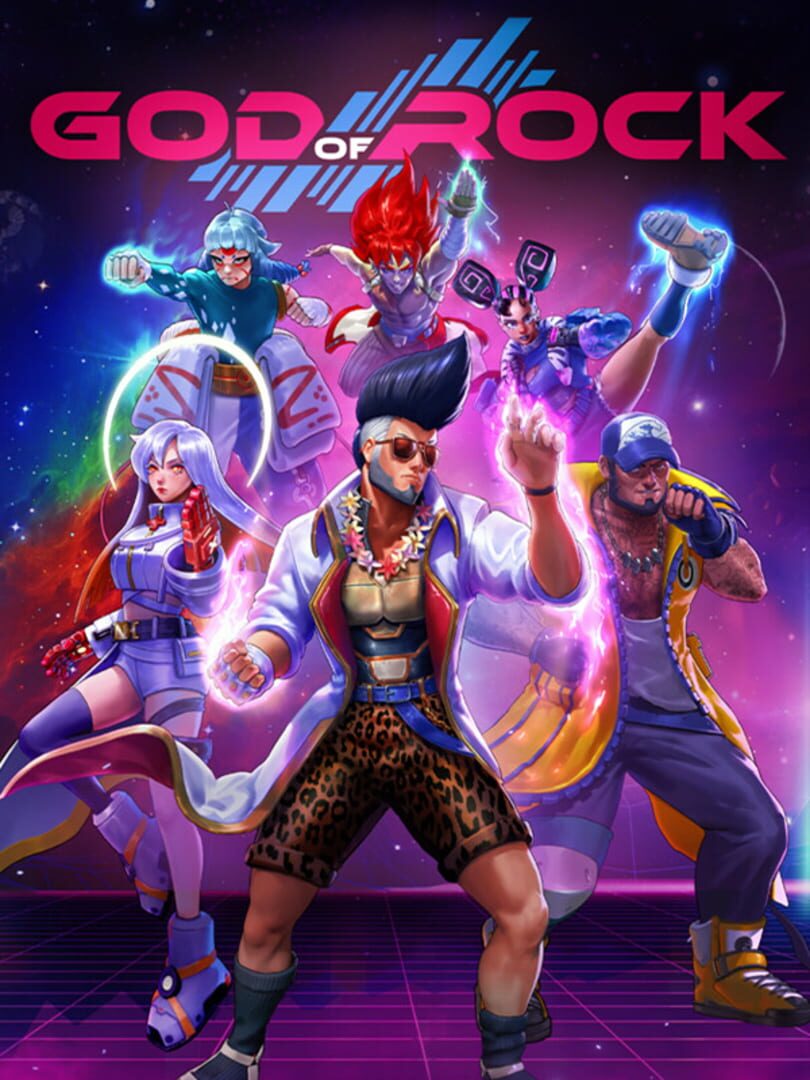
While the AI will soon find you too much to handle, even at higher difficulties, the online component is where the specials really shine. The strategy of choosing when to slot your attacks in becomes paramount. It’s easy to lose the rhythm of the song if you get too cocky. As long as the game can nurture and maintain a player base there should be ample reason to keep coming back to God of Rock time and time again.
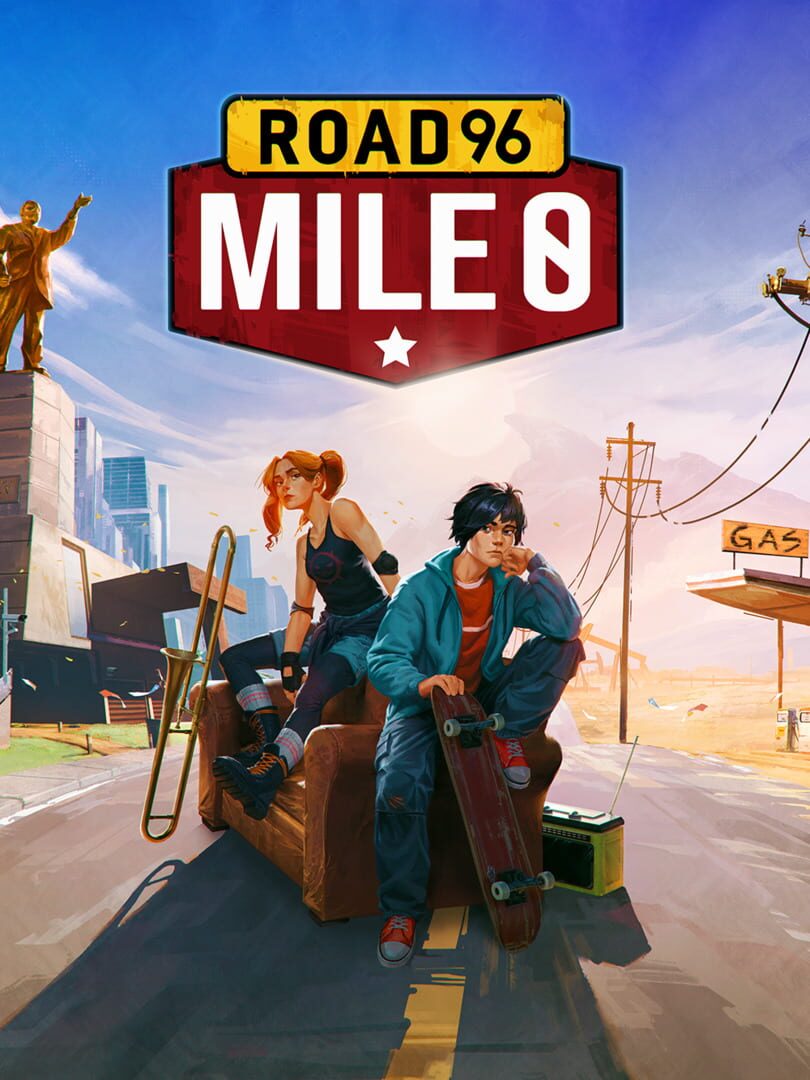
The script itself doesn't strike a good balance either, often transitioning from subjects such as a rumination on class inequality directly into a slapstick comedy sketch before interjecting a news bulletin about an impending natural disaster. It's, to put it mildly, a mess. And this happens over and over throughout the 4-5 hours required to complete the game. While pitch-black comedy can work, the writing in Mile 0 is awkward enough that it feels accidental rather than deliberately irreverent. What you're left with is a fun rhythm game surrounded by a plethora of questionable writing decisions.