It's an abysmal end, resulting in a controversial sequel, leaving fans of 1992's rad Flashback most likely preferring to return to Conrad's previous amnesia in the original's plot to forget that Flashback 2 ever existed.


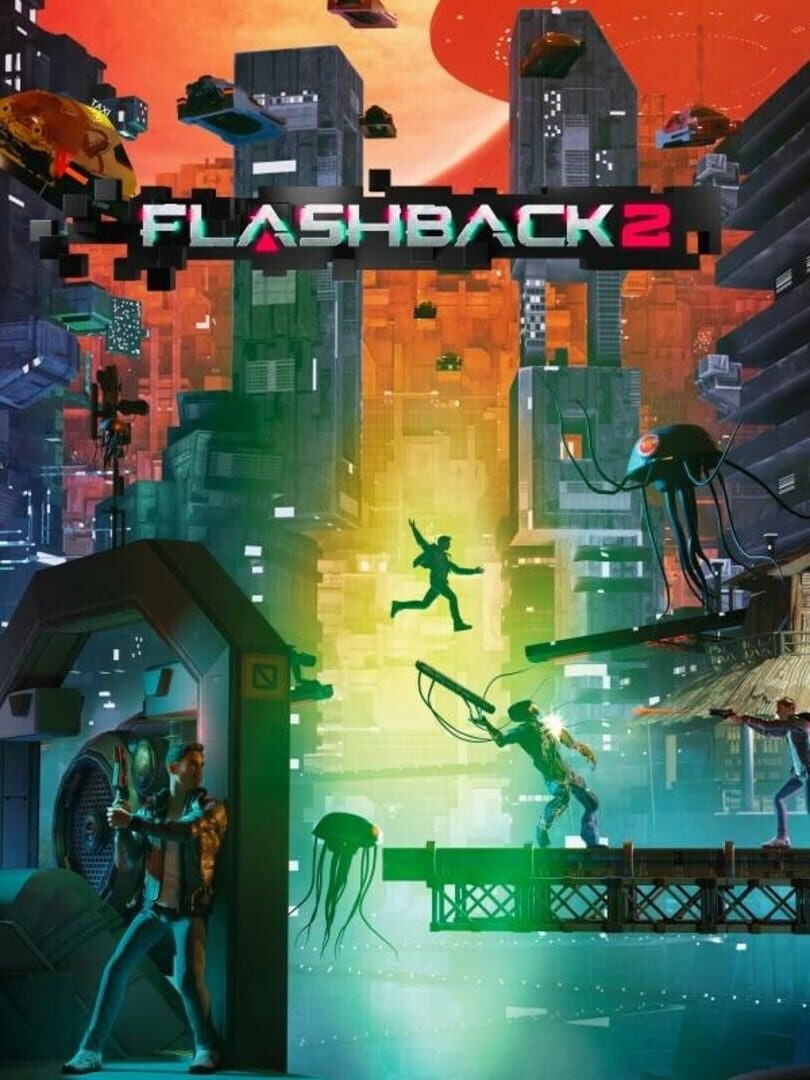
It's an abysmal end, resulting in a controversial sequel, leaving fans of 1992's rad Flashback most likely preferring to return to Conrad's previous amnesia in the original's plot to forget that Flashback 2 ever existed.

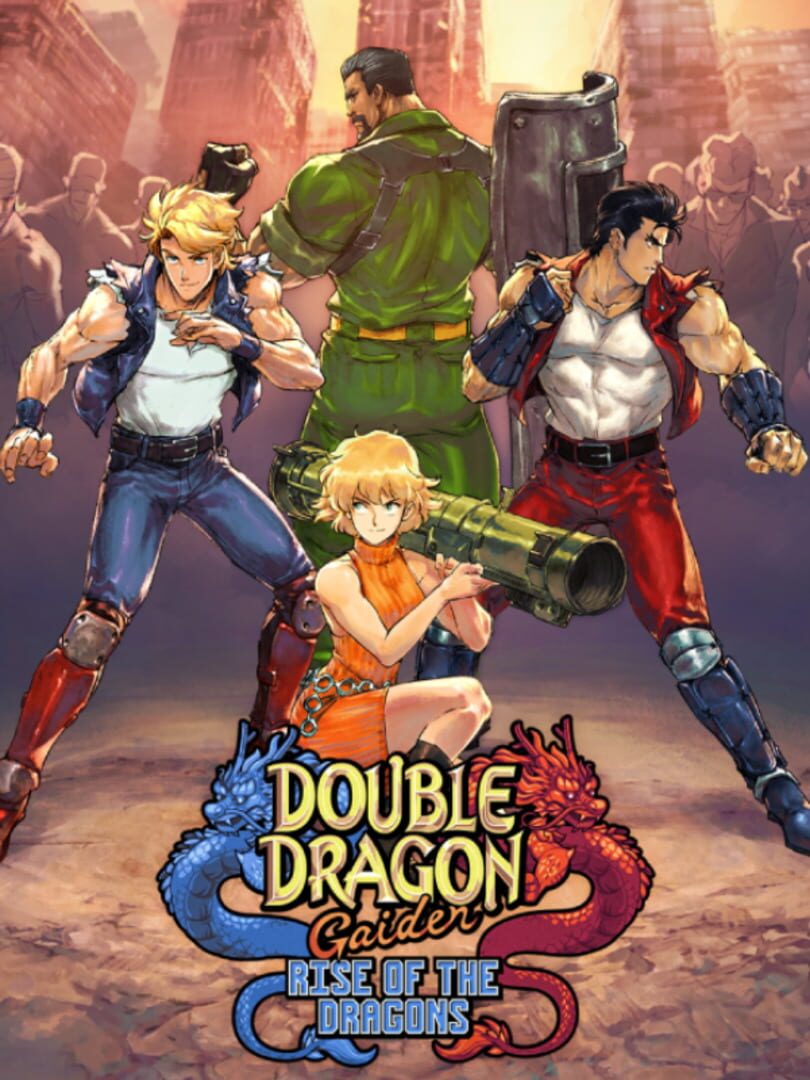
Since it's confined to two player local co-op, it's not as exhilarating as the six player online chaos in Teenage Mutant Ninja Turtles: Shredder's Revenge. It also lacks the consistently updated polish of Streets of Rage 4, yet Double Dragon Gaiden: Rise of the Dragons adds roguelite progression, which makes it a strikingly replayable contribution to the modern side-scrolling beat-'em-up resurgence.

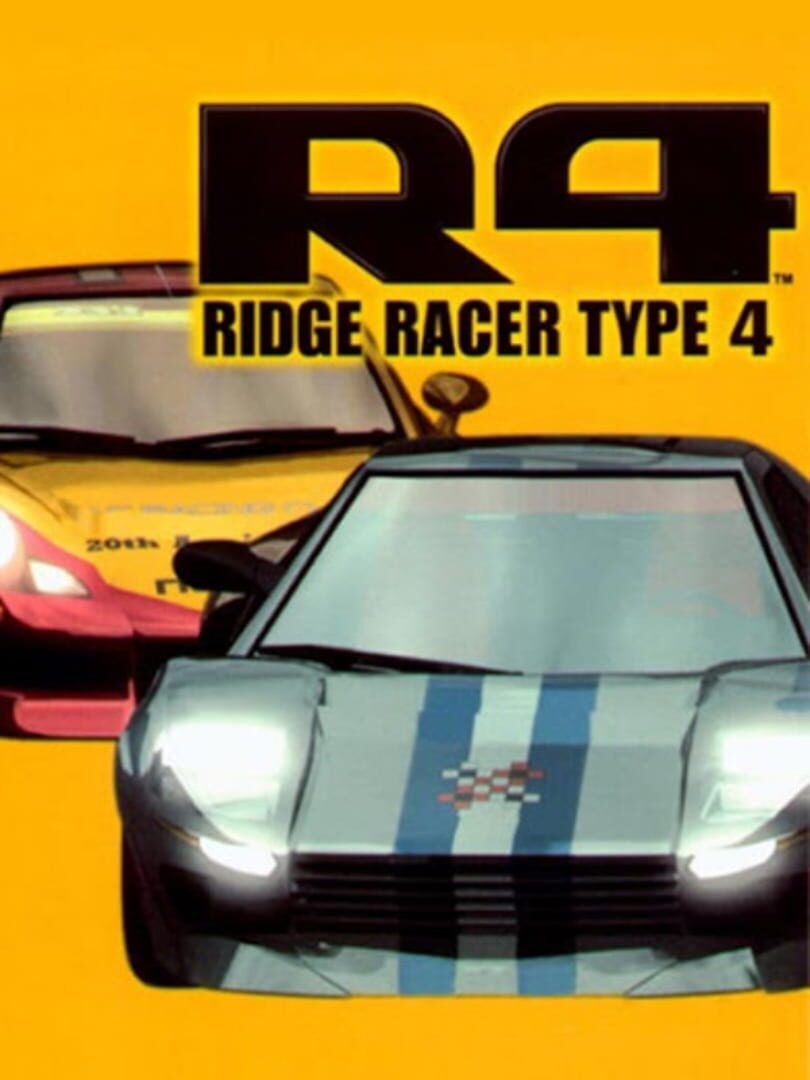
Namco's developers were adept at squeezing great technical performances out of the 32-bit PlayStation - especially with late fifth generation games like Tekken 3 - and in 1999 Ridge Racer Type 4 stayed steadily on track at achieving its 30fps target and slick circuit designs. The atmosphere from course details adds fine-tuning to the graphics, which is boosted by a magnificent dance soundtrack by musicians like Hiroshi Okubo, with extra pizzazz provided by Kimara Lovelace's vocals. The arcade-style gameplay delivered a fun and fast contrast to Gran Turismo's sim racing, and it confidently tail-slid alongside the best Nintendo 64 and SEGA Saturn drift and blue sky racers. As a Namco racing game it holds pole position amongst the four PS1 Ridge Racer titles, putting the pedal to the metal en route to Ridge Racer Type 4 becoming a genuine PlayStation classic.