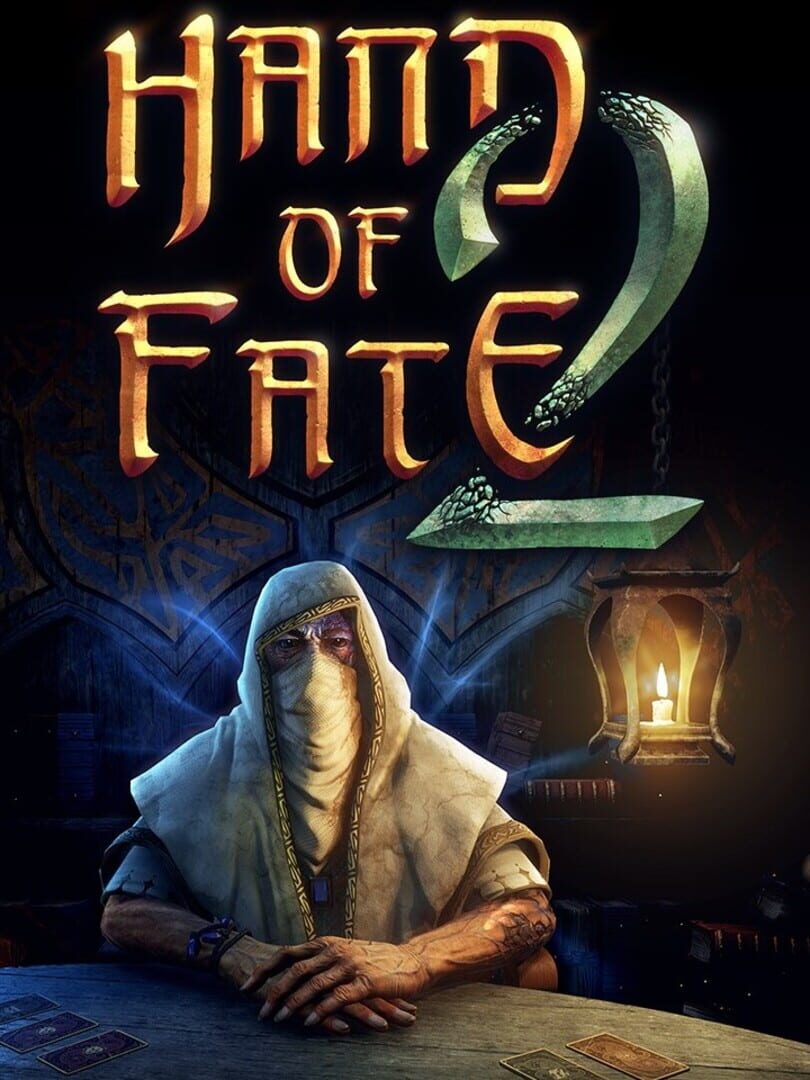


Hand of Fate 2 wisely switches away from Hand Of Fate's purity, which saves it from repetition but discards its trump card in the process.

Hand of Fate 2 wisely switches away from Hand Of Fate's purity, which saves it from repetition but discards its trump card in the process.

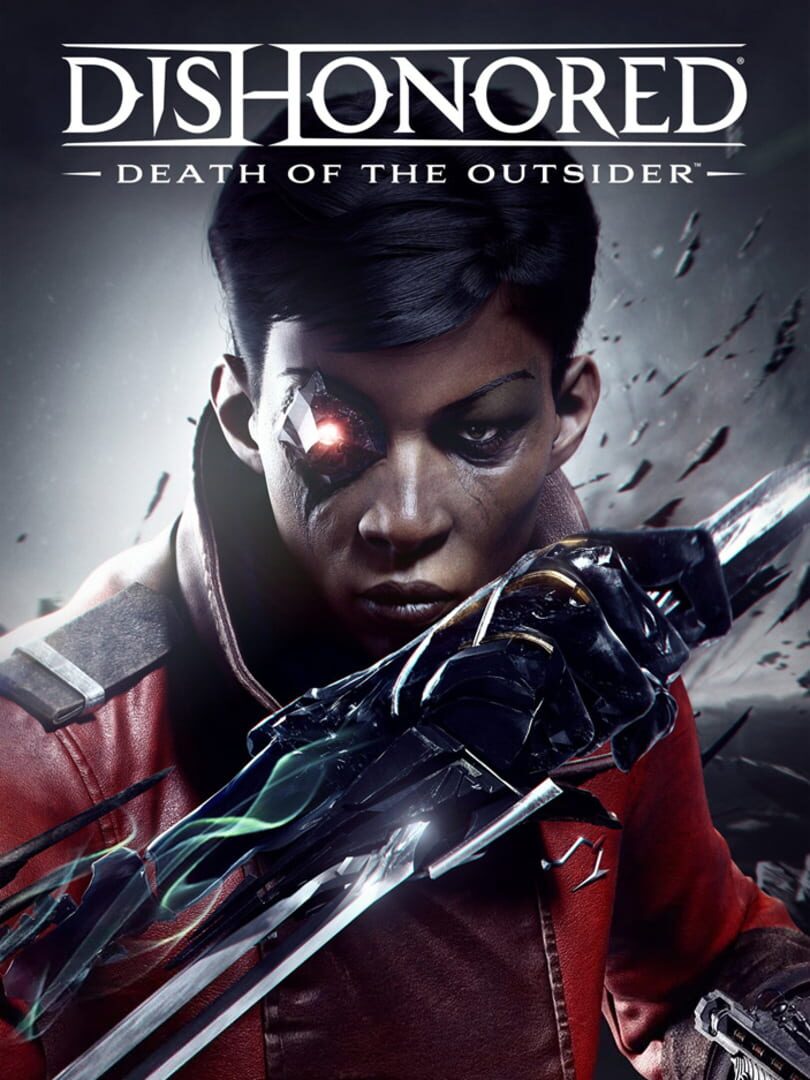
It's a shorter tale full of high-points, and wraps up lingering storylines while also leaving the door open for further adventures in the world of Dunwall, Karnaca and beyond.

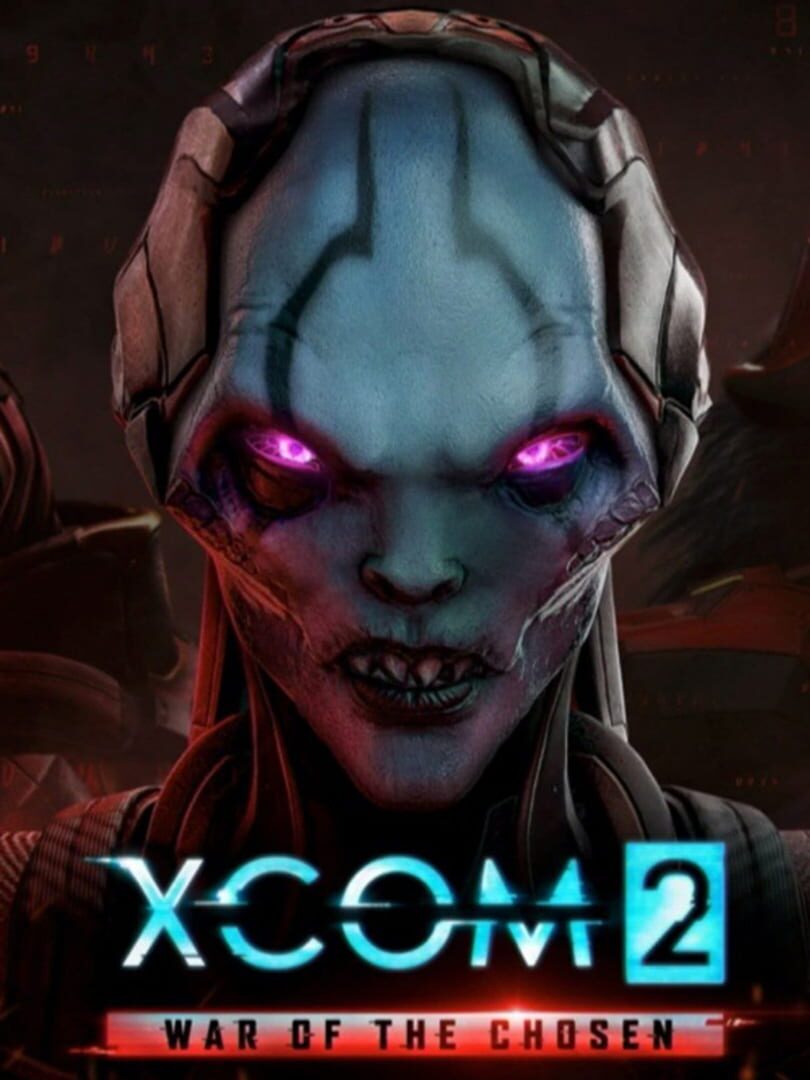
'DLC' desperately undersells War Of The Chosen, this fat and bursting sausage of turn-based splendour. I think I might have found 'XCOM 3' a mite more appropriate.

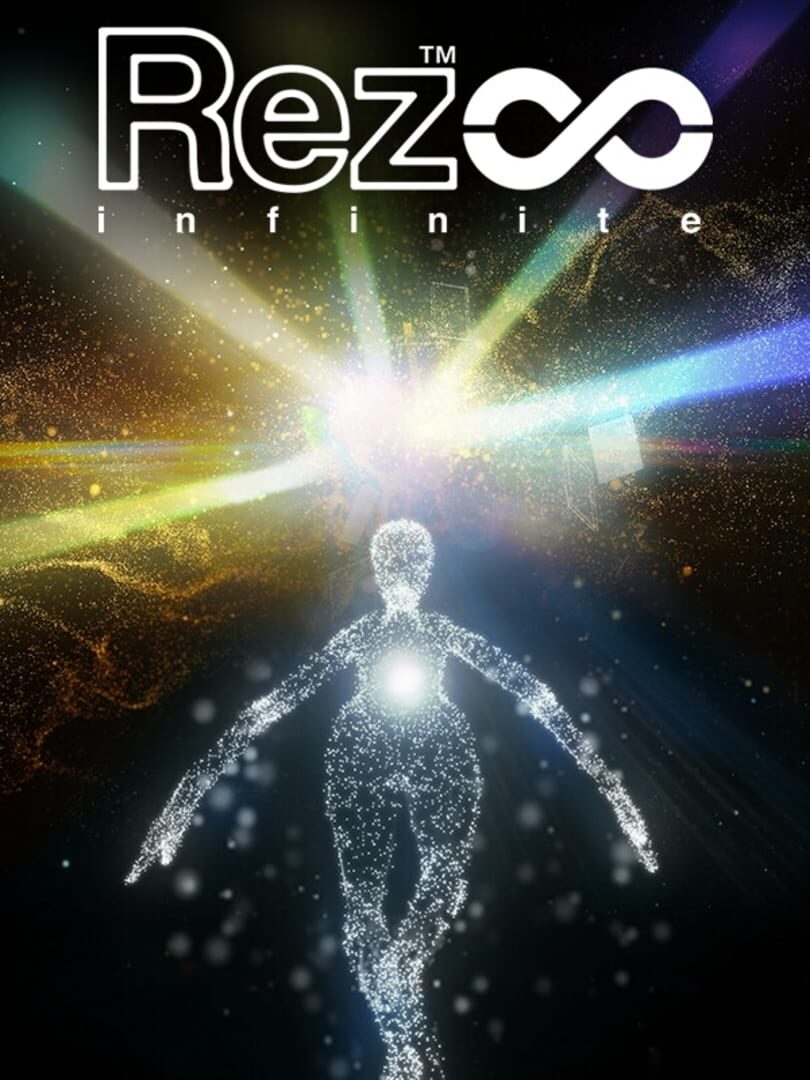
Rez Infinite is the greatest VR game to date

WoL is most easily described as a comedy game, and though it is indeed a prime-cut ribtickler, that can be a backhanded compliment – as if jokes are all it has. WoL does something far more accomplished, far more rare, which is to be joyful.

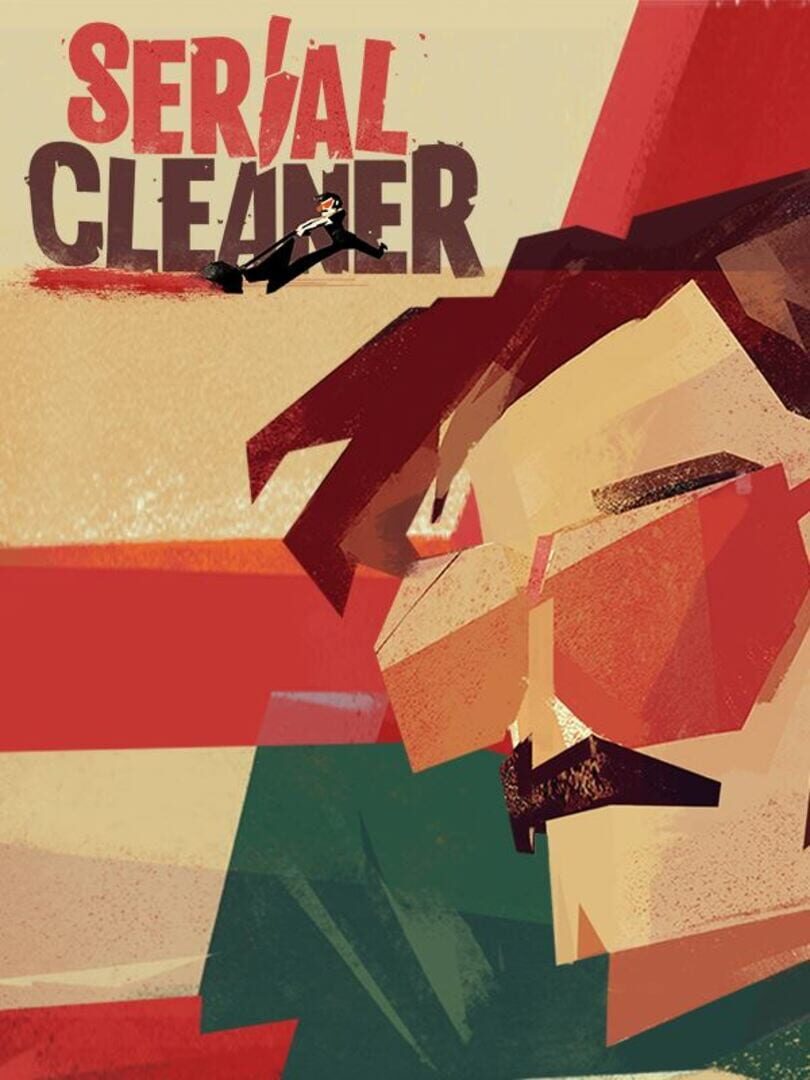
Maybe Serial Killer is a great idea with appealing style, saddled with iffy design and insufficient flexibility. Walks the walk, but the talk's another matter.

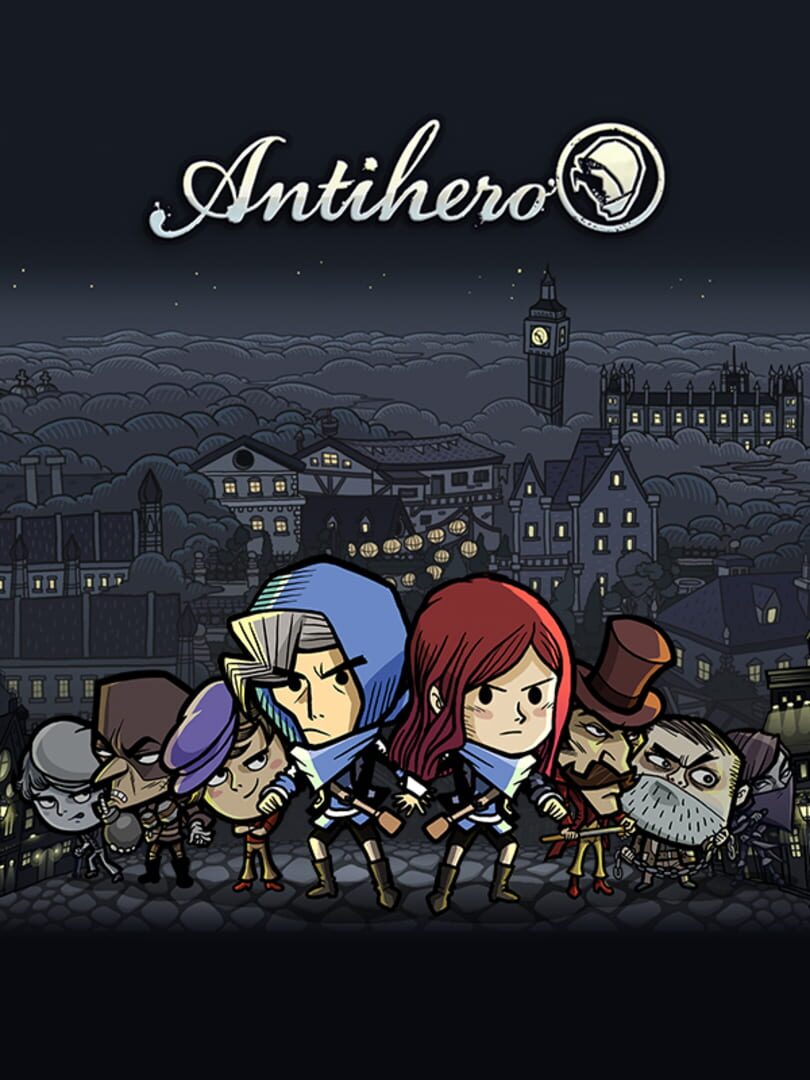
It's big on personality too, from the wide choice of thief avatars to the Gangs Of New York toughs and the comedy cockernee urchins, and I dig the Darkest Dungeon But Chipper cut-out art style.

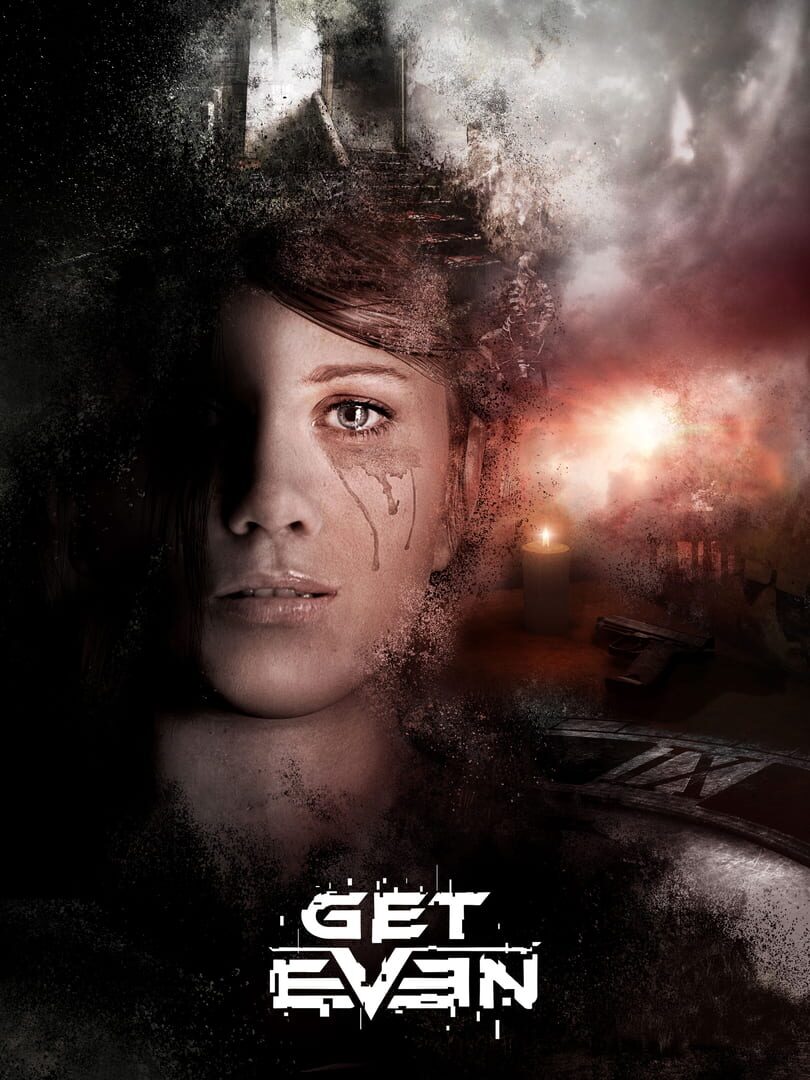
Get Even is a true original, of the kind we all too rarely see made with this degree of gloss, and I found it deeply interesting for all its stumbles.

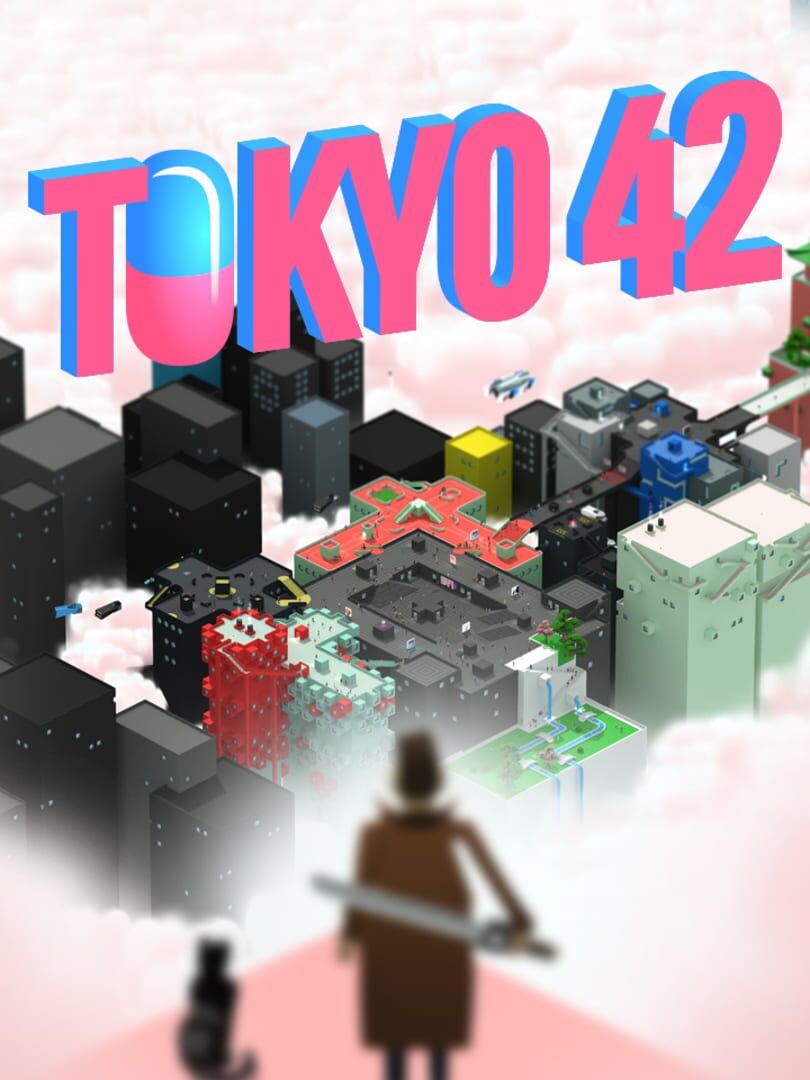
Tokyo 42 is an inventive and strikingly attractive game, with a very natural blend of stealth, combat and figuring out a path, unfortunately hamstrung somewhat by absolute fealty to its isometric perspective. ... An impressive accomplishment, but sometimes a grating one too.

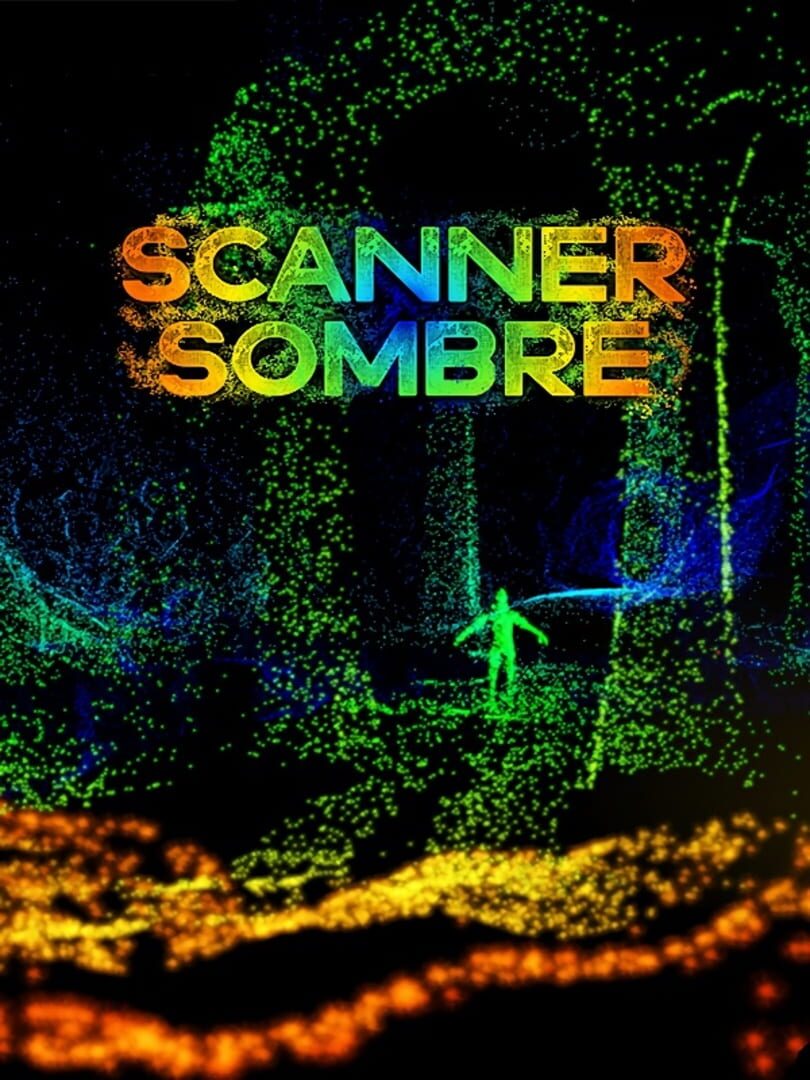
Scanner Sombre is at its best when you're left to your own devices, lonely yet in awe of the sights you see and make, but suffers when the game itself is pulling the strings, whether that be to evoke empathy or terror. I absolutely recommend it, for its four or so hours of dot-matrix world-generation have pleased me greatly, but you should go in knowing that it stumbles over its storytelling hurdles and should instead be treated as, like the titular scanner, a remarkable technological toy.

Throughout, I was conscious that I was playing something that was almost aggressively designed to be disposable, and for that reason I can't say it feels close to my heart – but at the same time, I might just keep it hanging around my hard drive to fill idle half-hours now and again.

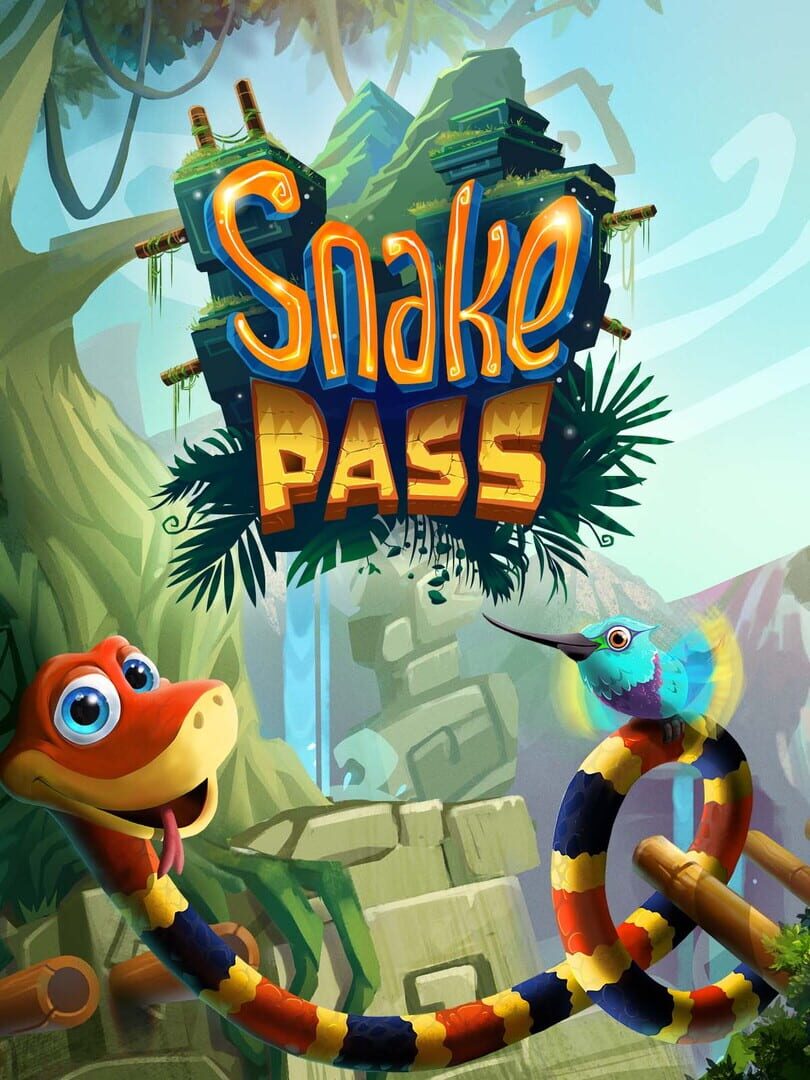
This could, as I say, have been all comic pratfalls and Goat Simulator destruction, but instead it's an extremely careful study in how snakes navigate their bizarre bodies around, then transplanted into broadly well-done puzzle-places. I feel in awe of how well-realised this is, almost more than I actually enjoy it. I really do enjoy it though, so much so that I ended up picking it up for my Switch too (making it only the second game I own for Nintendo's latest toy).

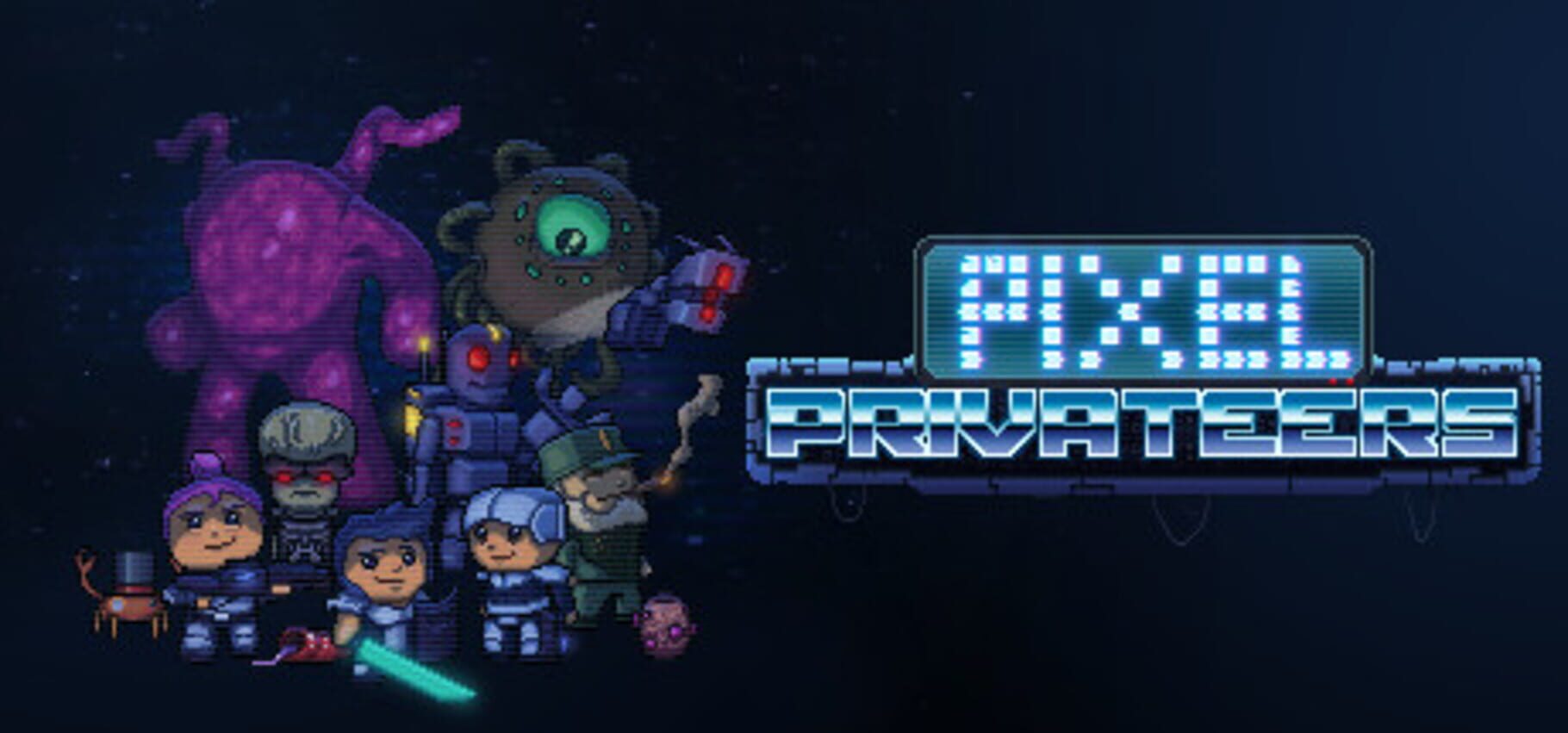
Pixel Privateers knows exactly what it's doing, and though it's about as deep as a microwave lasagne, it's almost impossible not to lose yourself to it for a few evenings.

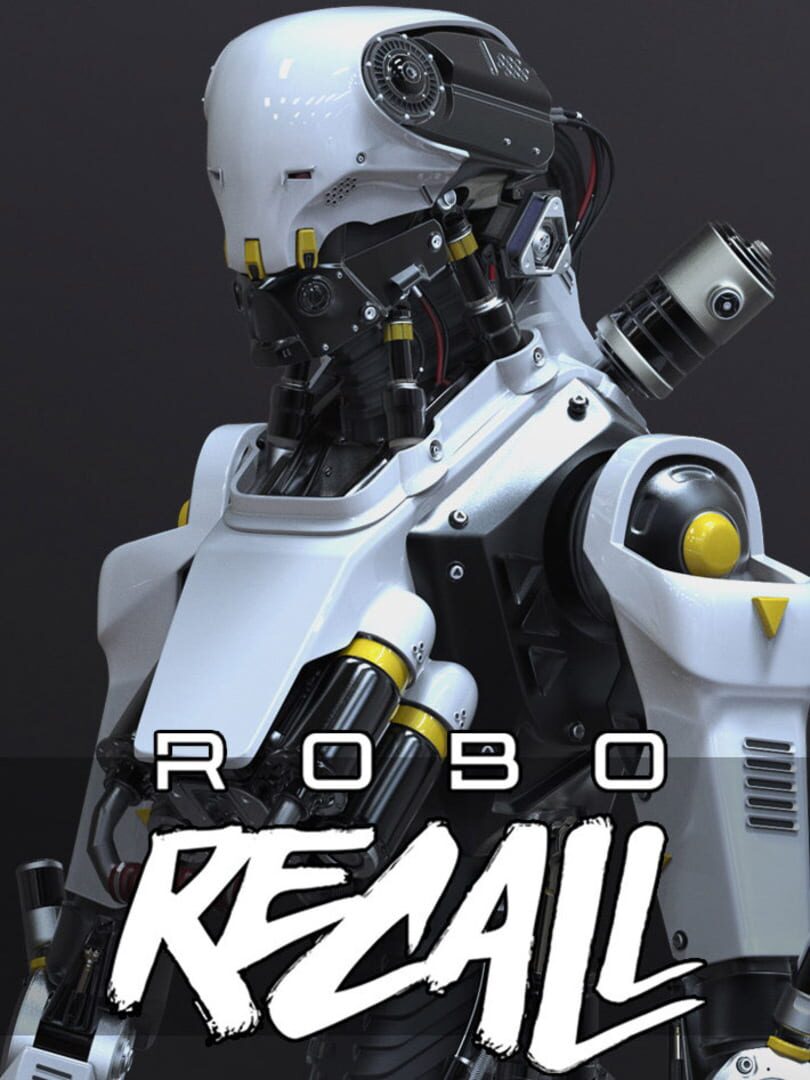
There's no escaping that you're essentially playing arena-based score attack, but quite clearly a shit-ton of money and expertise has been gone into this, and it looks and feels some distance ahead of the VR shooter pack.

Clearly, a lot of money and skill has gone into making Shards Of Darkness, which only makes the fact that you have to battle past this woeful characterisation to get to the strong stealth meat below all the more tragic.