



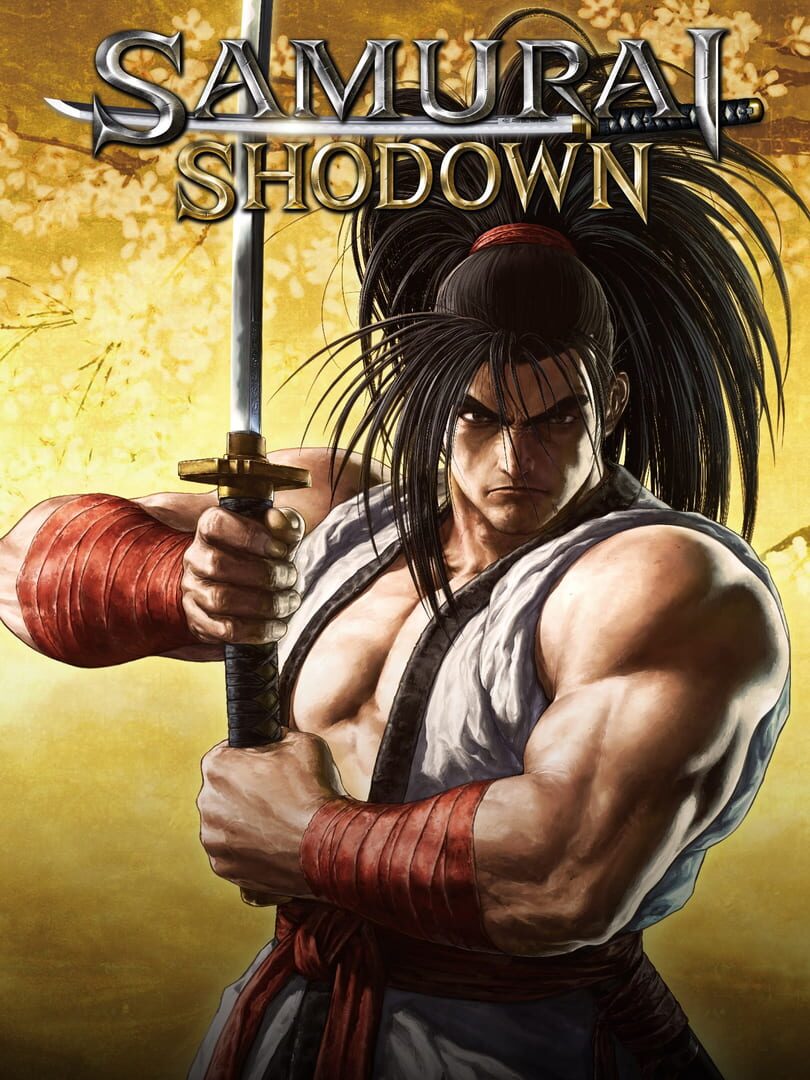
Samurai Shodown2019
Critic78/100
Agreement—
Samurai Shodown's one-on-one fights shine in dyanmic ways, but you'll need a friend to make the most out of it.
Read full review at Game Informer
No vote recorded.
Samurai Shodown's one-on-one fights shine in dyanmic ways, but you'll need a friend to make the most out of it.
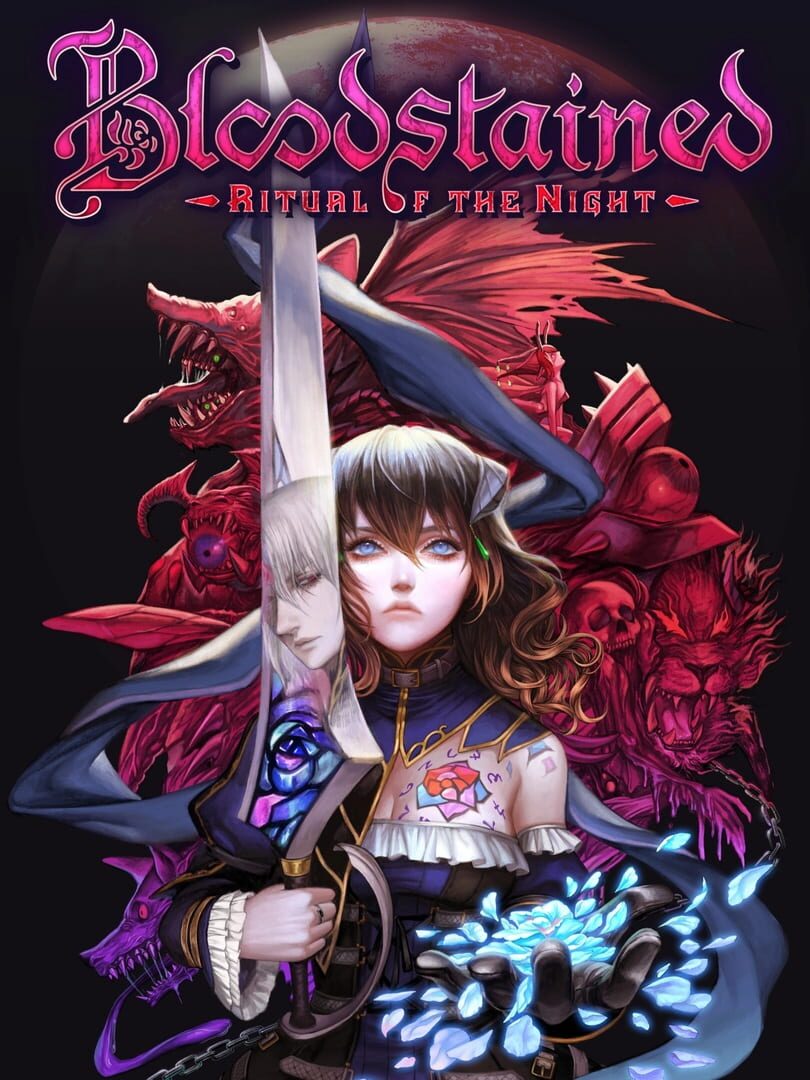
Koji Igarashi's return to the Castlevania formula slowly but surely earns its place in a crowded genre.
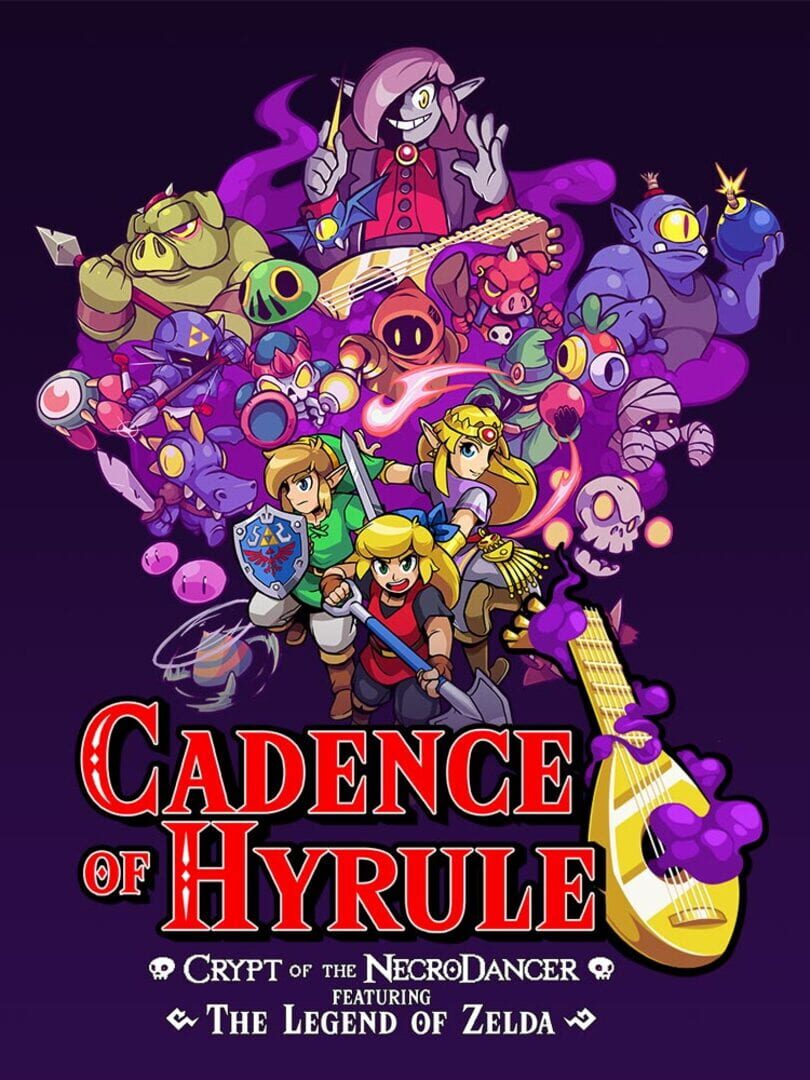
Cadence of Hyrule is a great ode to the Legend of Zelda and its soundtrack, even as some roguelike elements weigh it down.

Kids is a brief-but-effective example of using game mechanics to impart concepts and ideas, even if those ideas are simple.
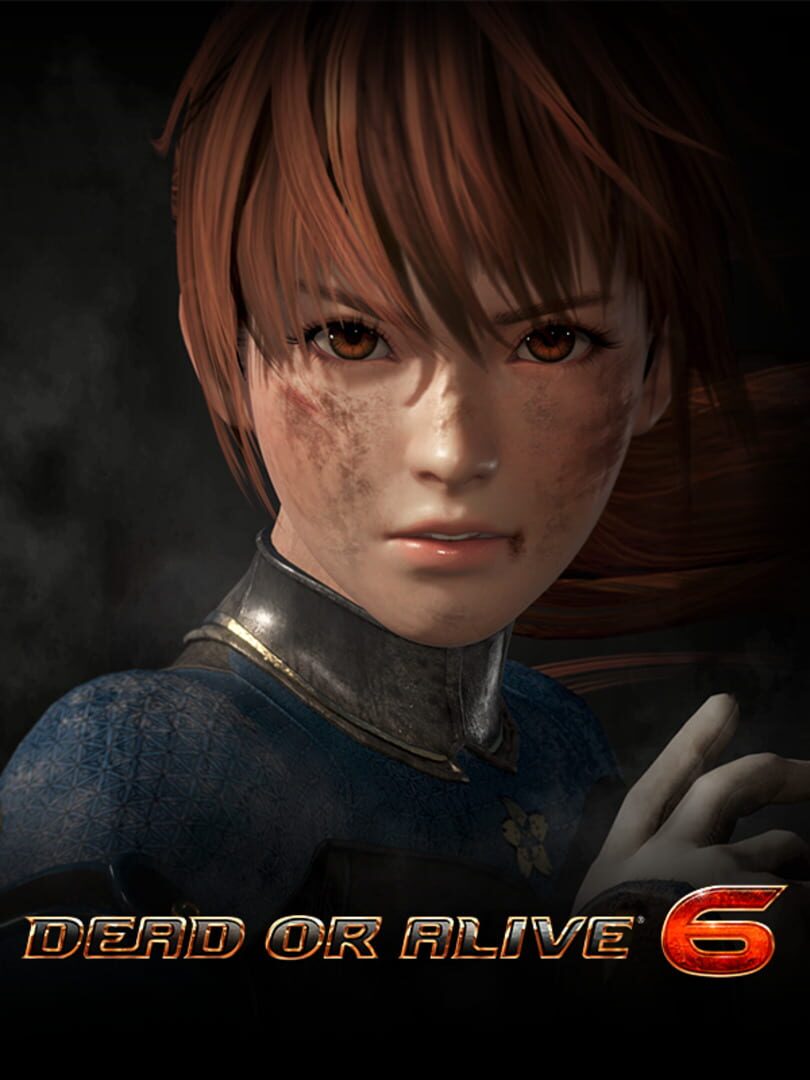
Dead or Alive 6 sports a robust fighting system, but the framework around it doesn’t capitalize on that.
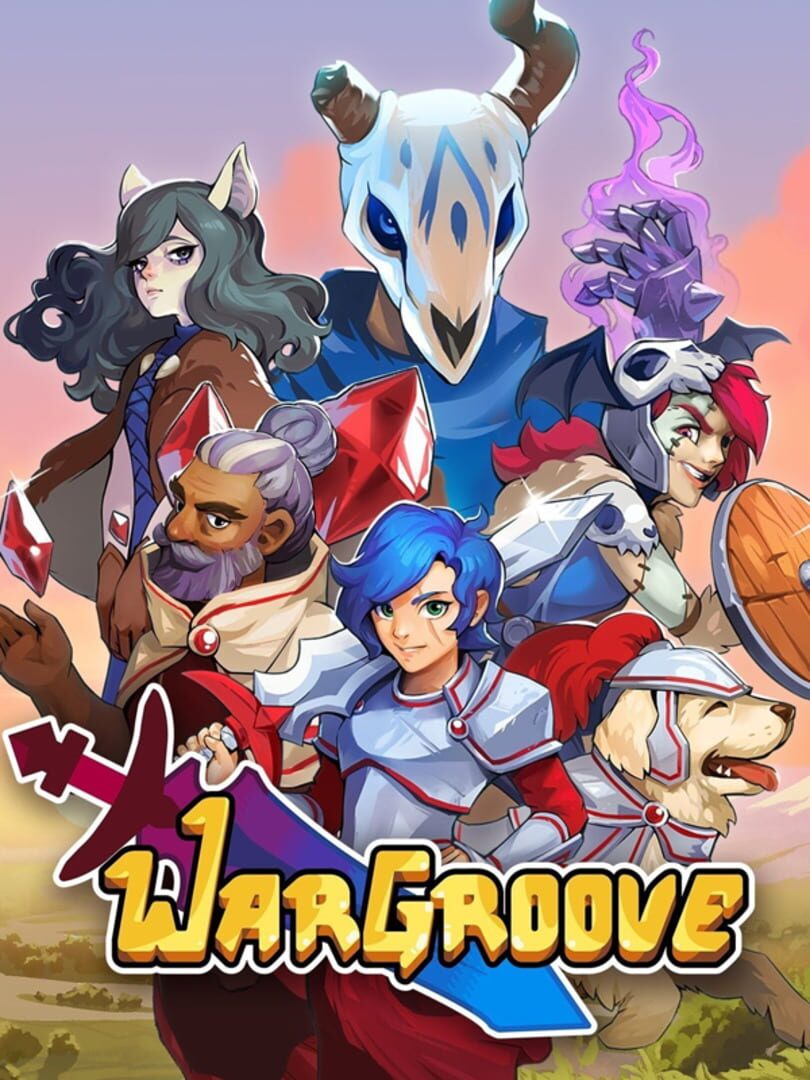
Wargroove is a fantastic tactics game that builds and iterates on the genre in clever ways.
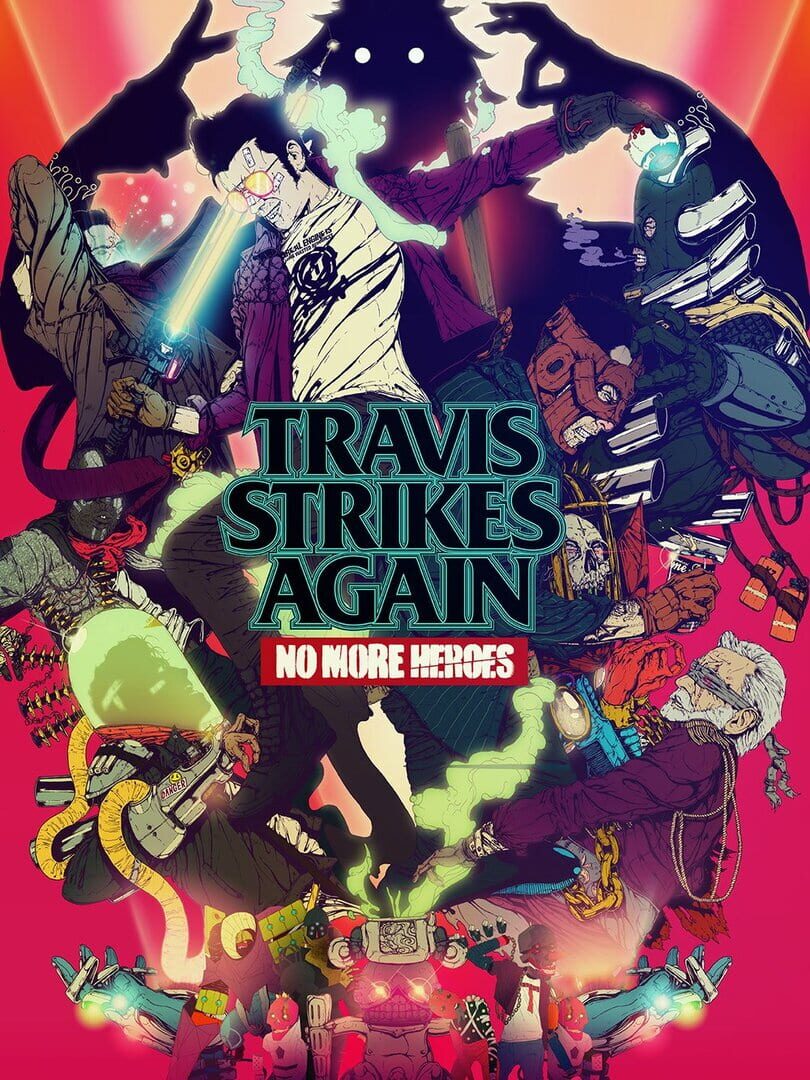
Travis Strikes Again is smaller in scope than its predecessors, but no less weird and surprising.
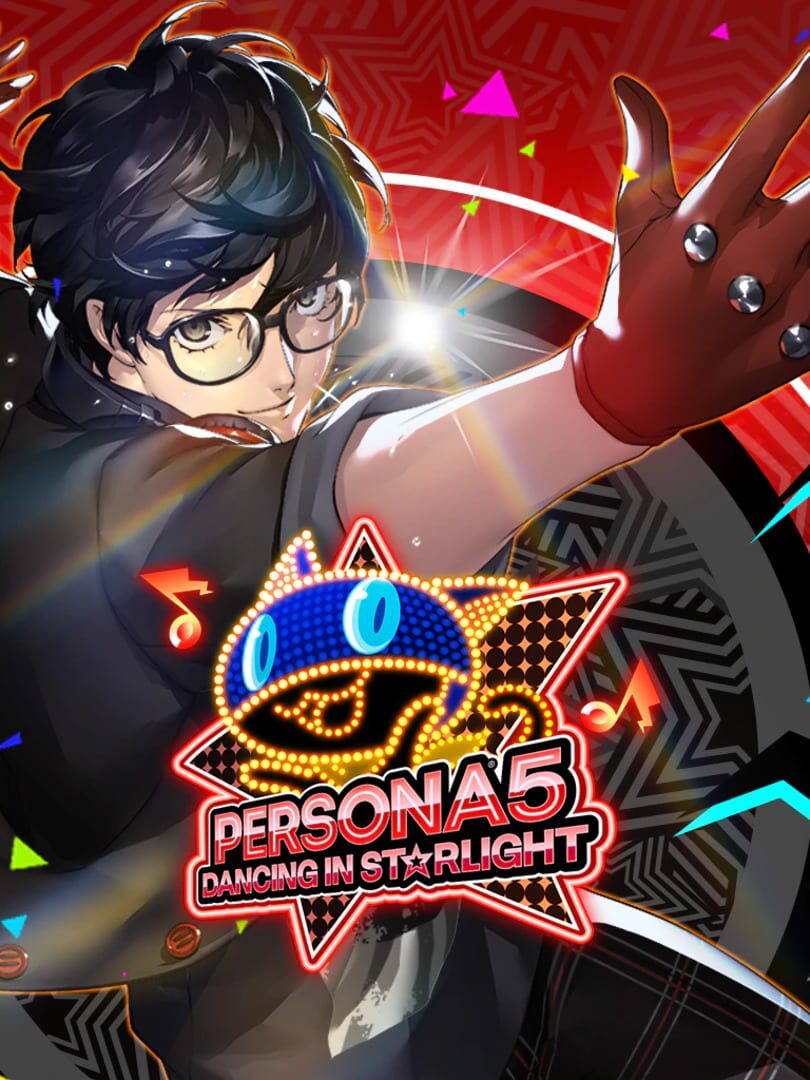
Although it's not the best rhythm game, Dancing In Starlight is a good celebration of Persona 5's outstanding soundtrack.
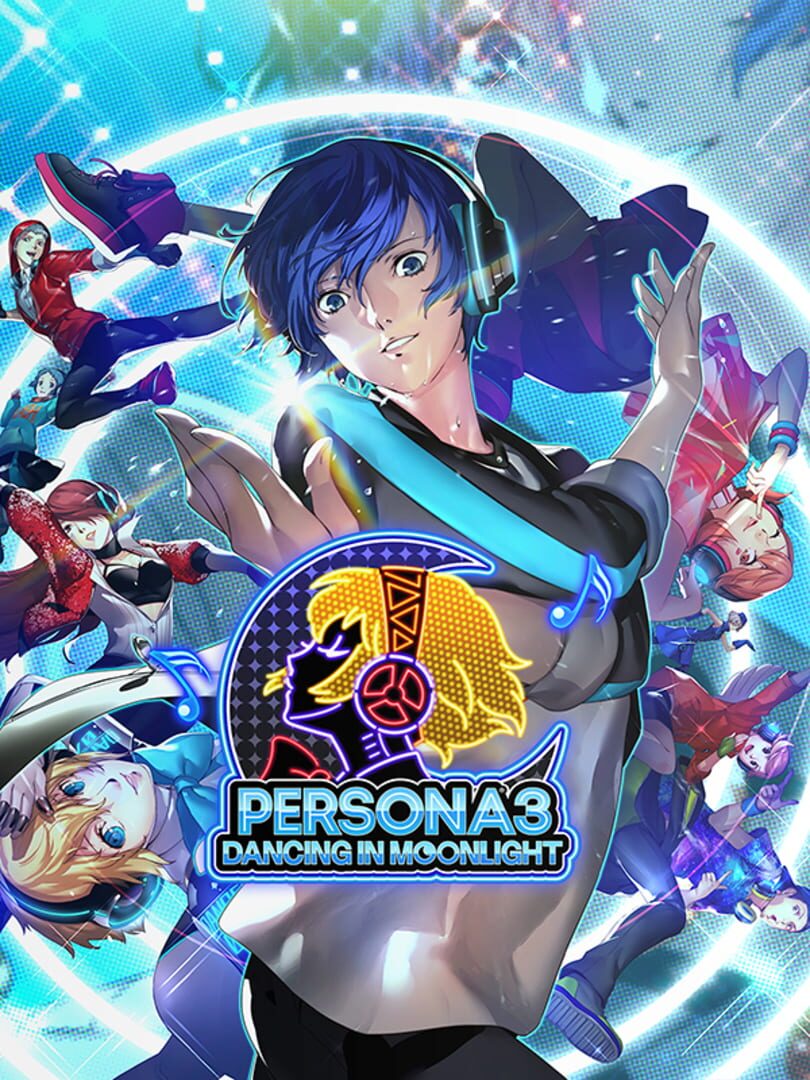
Dancing In Moonlight does mostly right by Persona 3's soundtrack, even if an awkward interface hampers some of the fun.
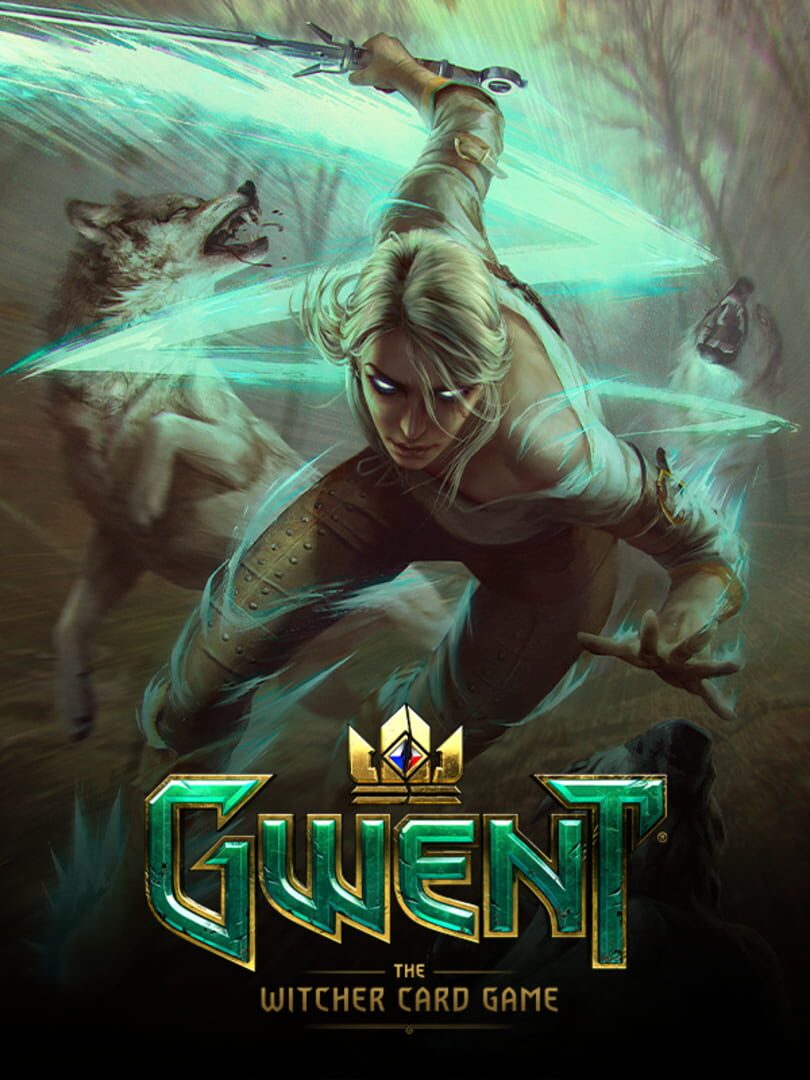
Gwent proves itself capable as more than a minigame, with mechanics that support intricate online matches that eschew chance in favor of tough choices
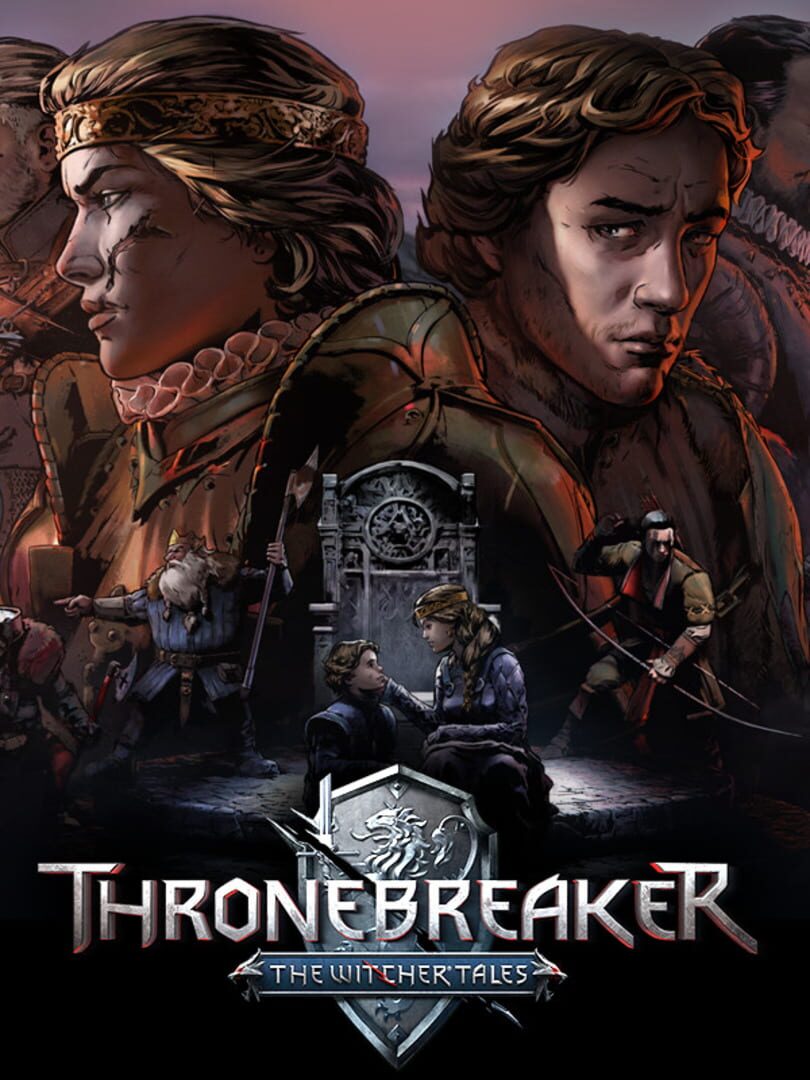
Thronebraker effortlessly infuses Gwent with the geopolitical underpinnings, fantasy tales, and difficult choices of The Witcher series
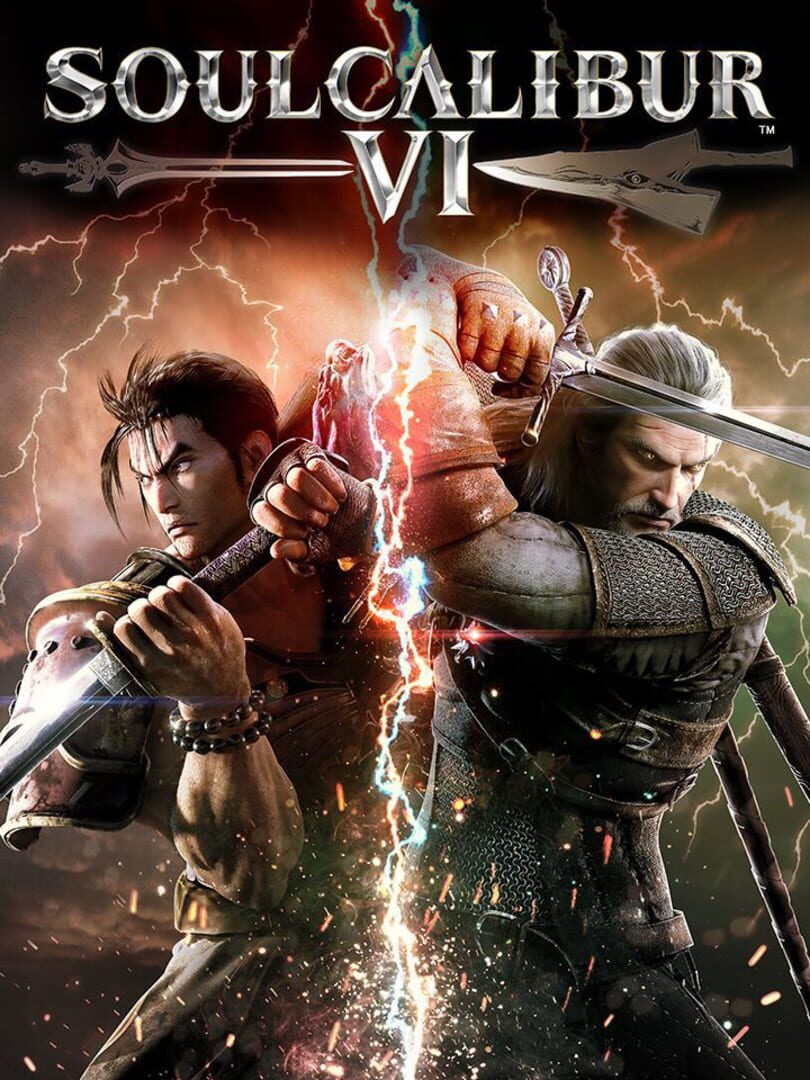
Soulcalibur VI is billed as a reboot, but smart improvements to combat and a lengthy (if bloated) single-player push the series forward.
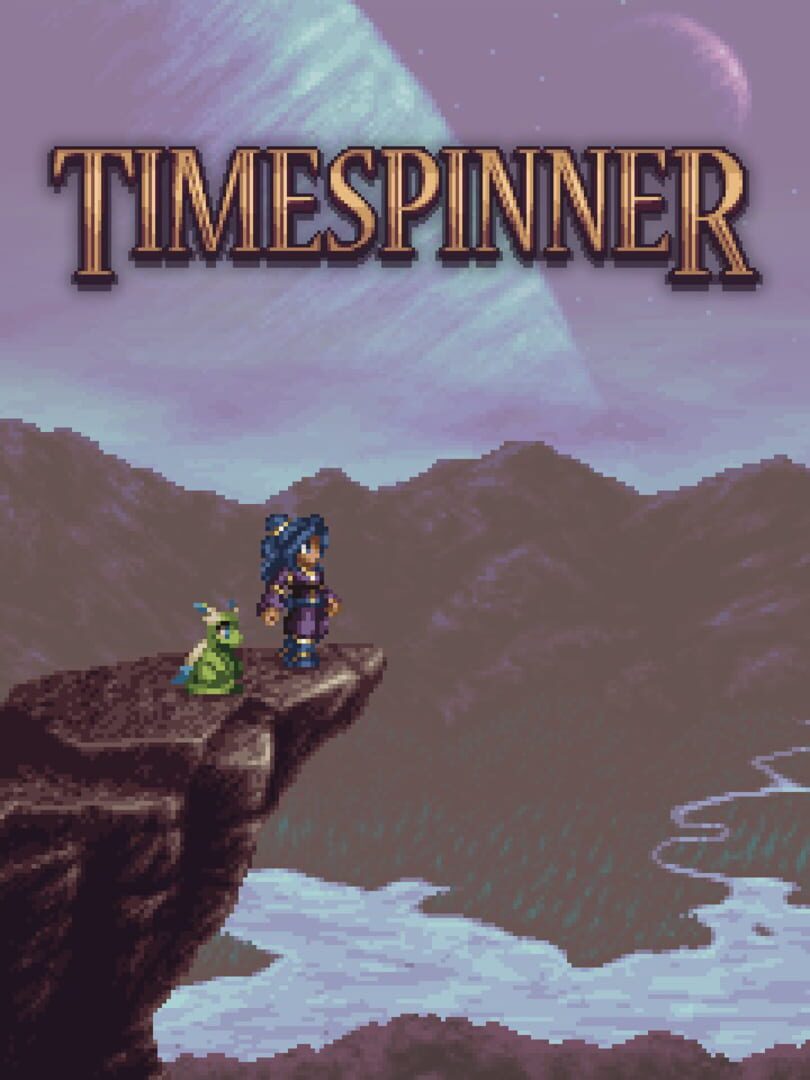
Timespinner takes some time to come together, but its combat, exploration, and story make it worthwhile.
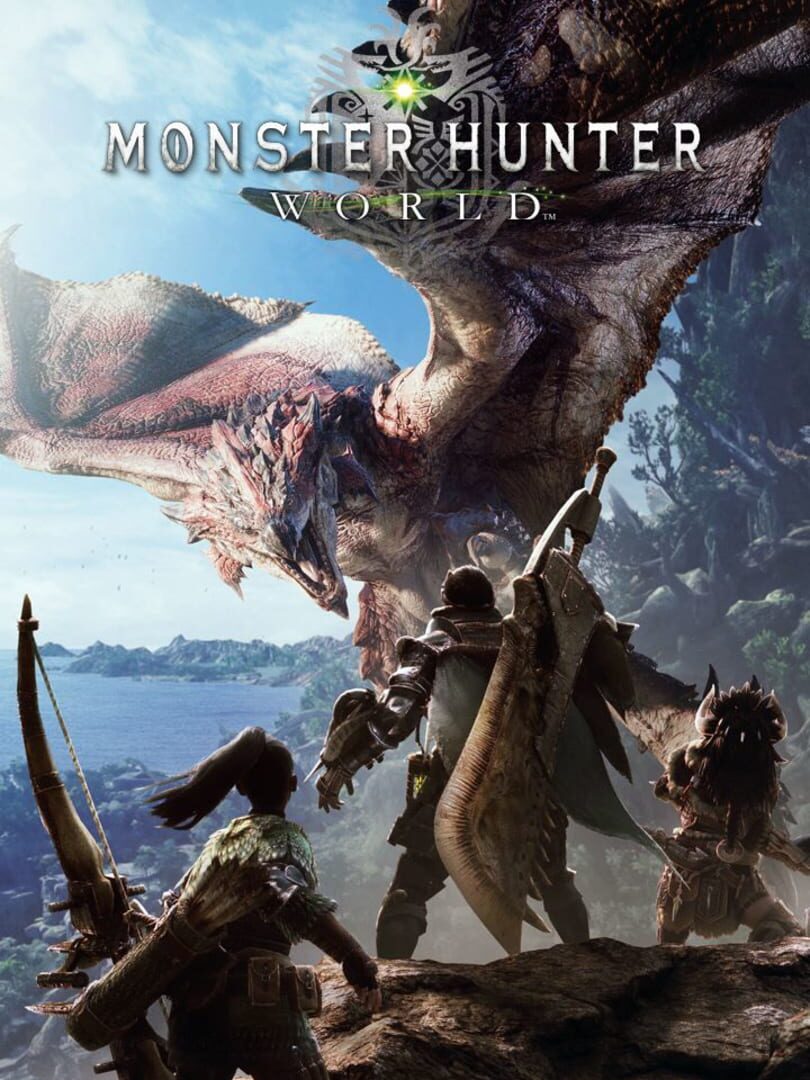
Monster Hunter's attempt to reach the PC audience performs beautifully and plays well
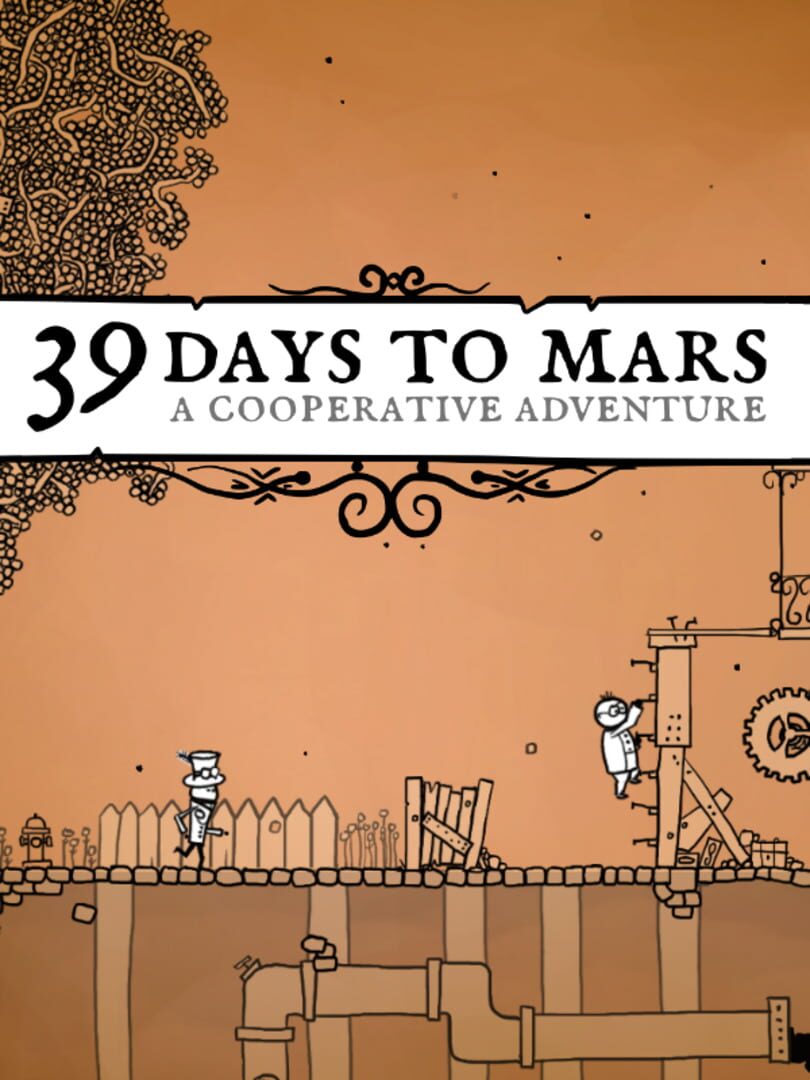
39 Days to Mars’ premise is promising, but its short runtime leaves lots to bedesired, making for a fun but ultimately forgettable romp.