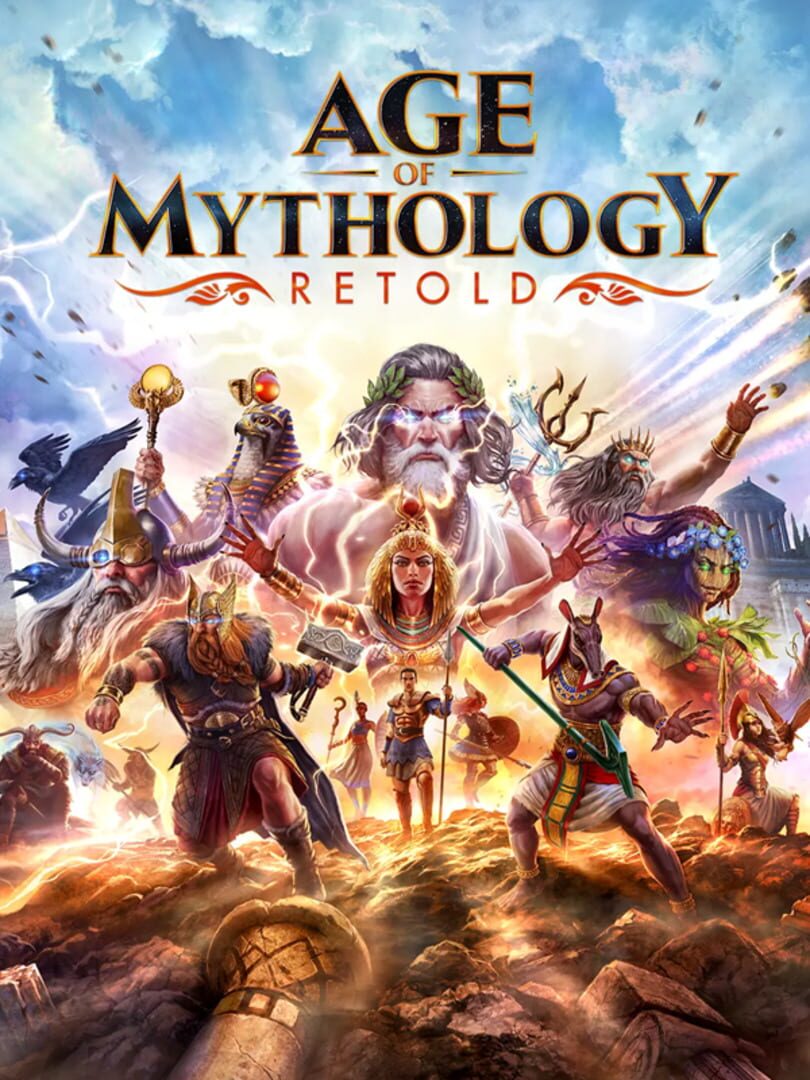
there's no denying that Age of Mythology’s gameplay can feel simplistic, which is ironic, considering how influential the series has been. Having played a bunch back in the day, the missed campaigns are appreciated, but we can’t see ourselves regularly returning to the well.
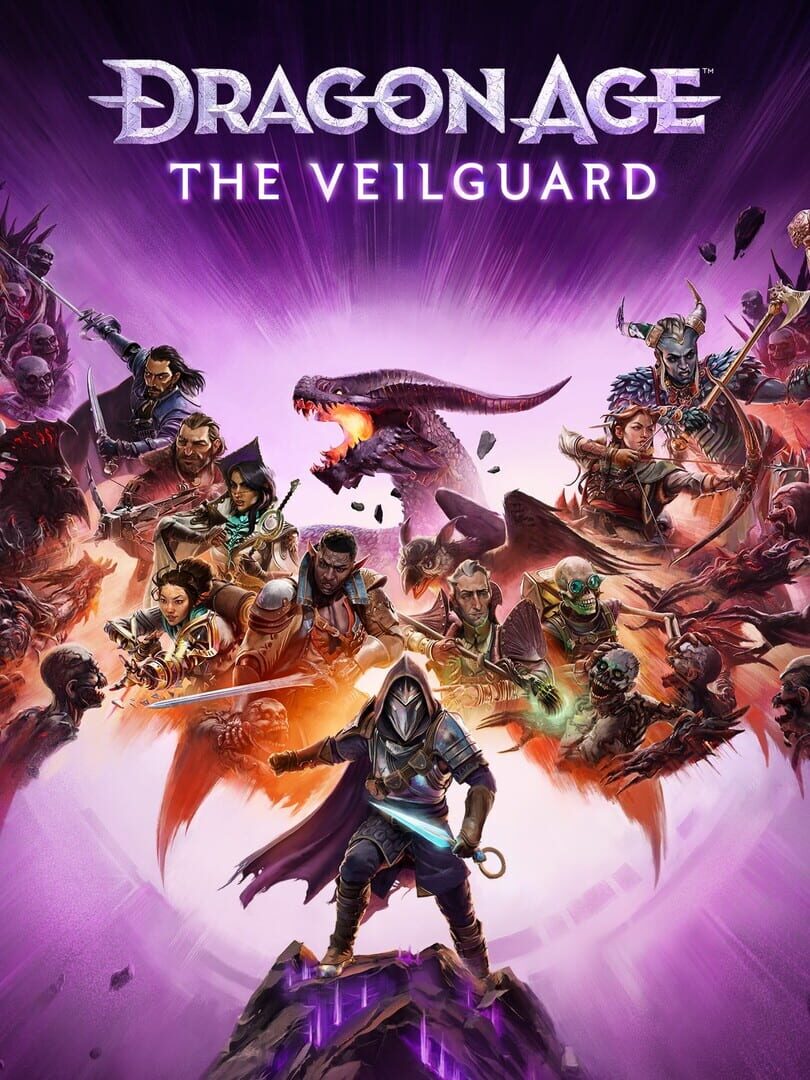
Dragon Age: The Veilguard isn't quite BioWare back to its absolute best, but it is the most cohesive and emotionally engaging RPG that the studio has delivered since Mass Effect 3. Its shift to crunchy action combat is an improvement over Inquisition's middle-of-the-road approach, and although the game feels a little light on meaningful player choice, the storytelling pulls no punches when it actually matters. This is a gorgeous and gripping adventure, backed by a cast of endearing heroes and deliciously devious villains.
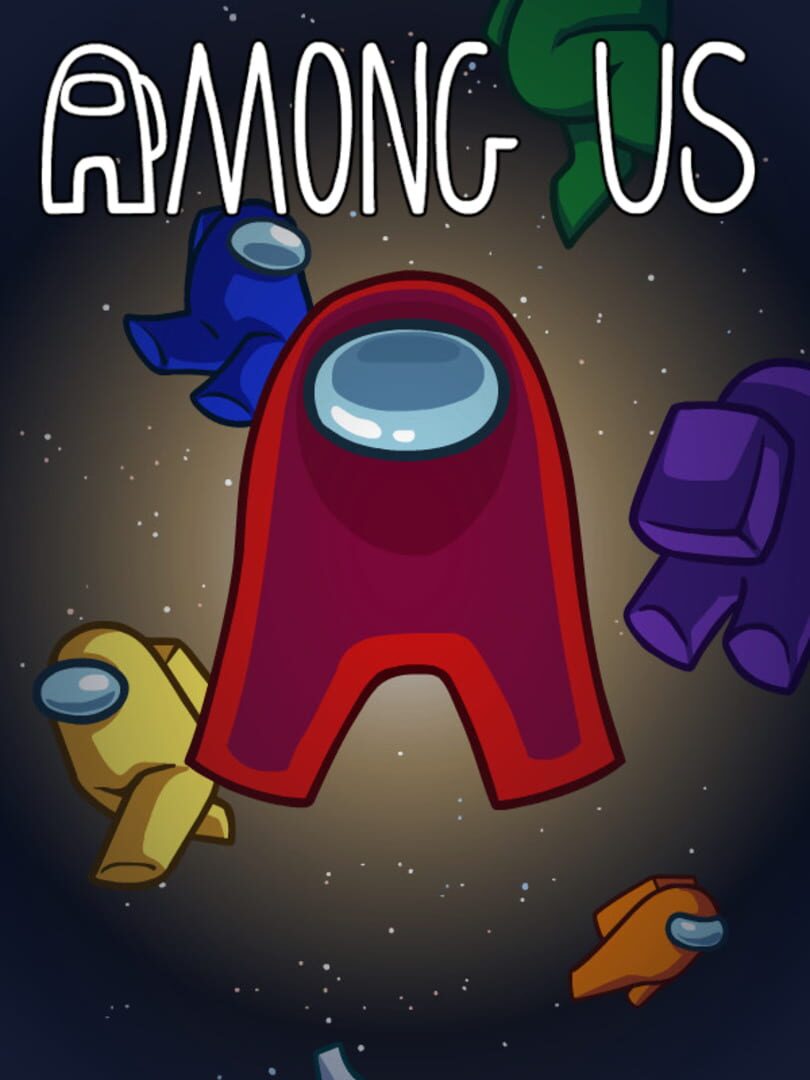
Not all of the gameplay translates perfectly to the DualSense, as it’s clearly been designed around either touchscreens or mouse-and-keyboards. It’s not a big deal, though, and once you find a good lobby with a friendly group this is one of the better party games you’ll find on the PS5. It’s just finding said people can be a bit of an exercise in trial-and-error, so be aware that you will be at the mercy of the release’s unchecked community unless you have a guaranteed group of pals to play with.
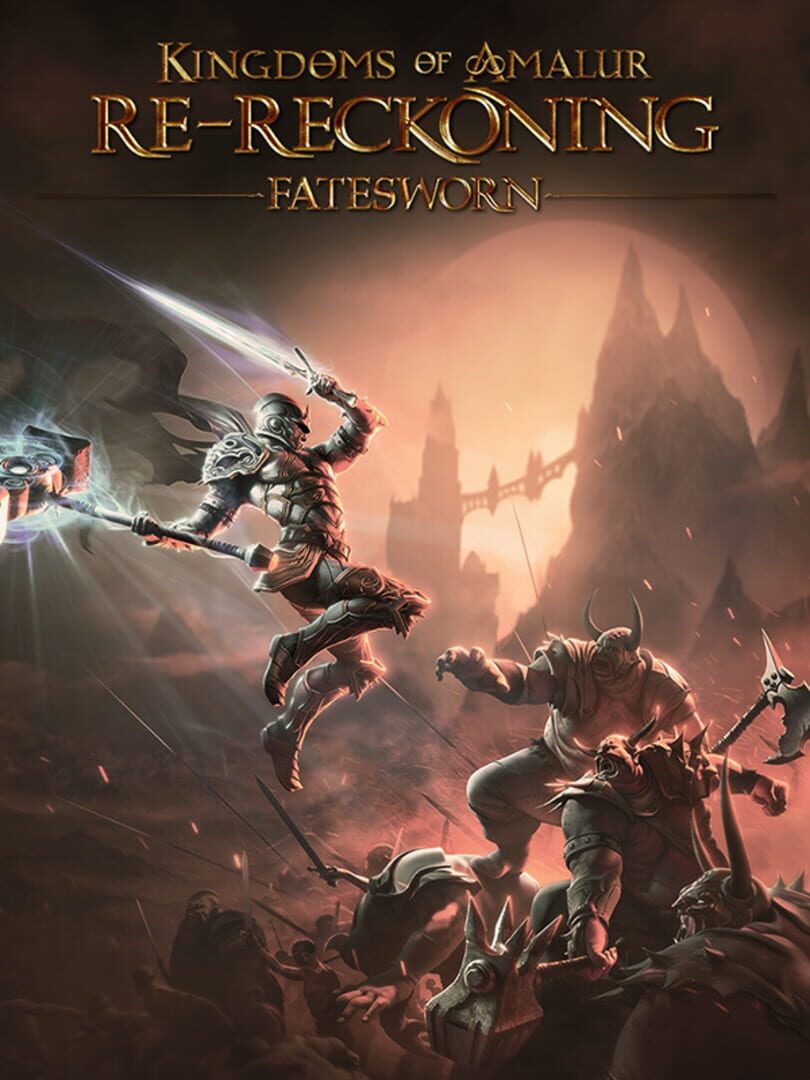
We're not sure every Amalur fan will appreciate Fatesworn's central storyline. It's nothing crazy — Fate, meet Chaos! — but you could argue that the developer is a little sloppy in its handling of the game's established cast and lore. But for what it's worth, we do think Fatesworn is heartfelt — a genuine homage to a game that would have been undeservedly forgotten, had it not been for THQ and Kaiko's efforts.
The biggest downside, then, is just the underlying lack of budget: cricket is popular enough, but it’s not baseball, and it’s clear that Big Ant Studios just didn’t have the resources to nail key gameplay mechanics, like fielding, which feels flat and unrealistic due to the limited selection of animation cycles in its library.
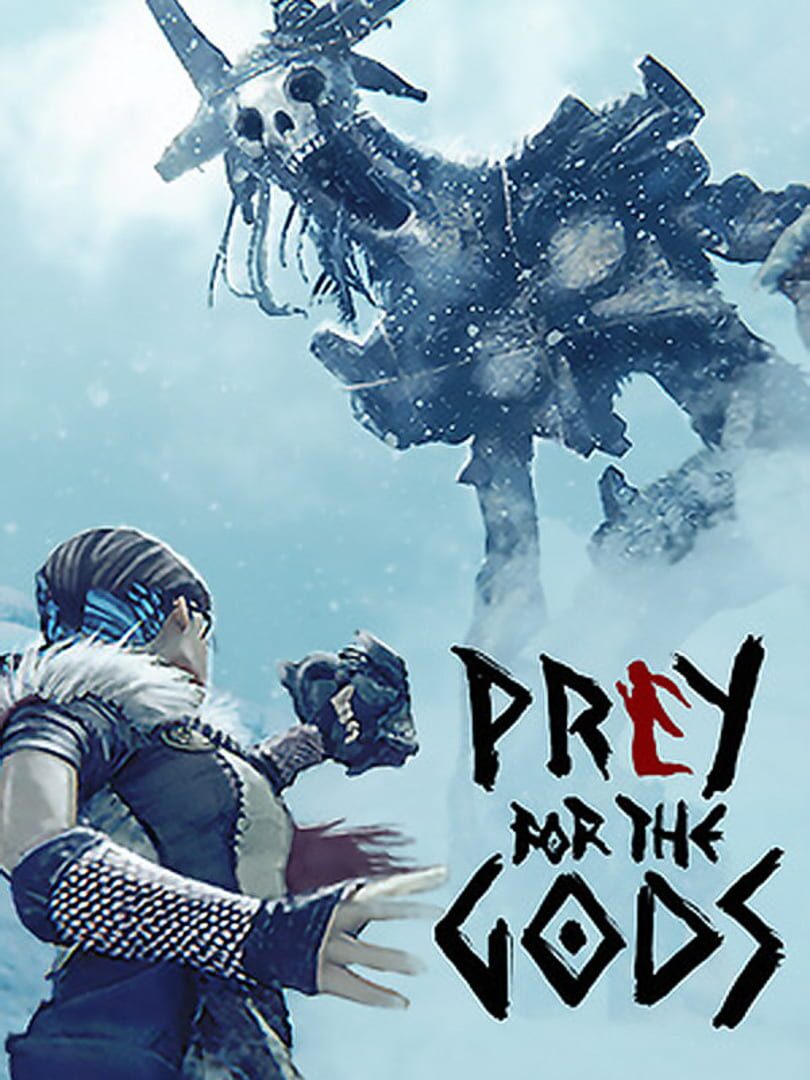
The survival mechanics feel remarkably similar to Breath of the Wild, with item management and weapon degradation taking centre stage. These are reasonably well implemented, but are at odds with the otherwise minimal nature of the game. The devs would have perhaps been wise to focus more on polishing up the boss battles, as these are the true stars of the show.
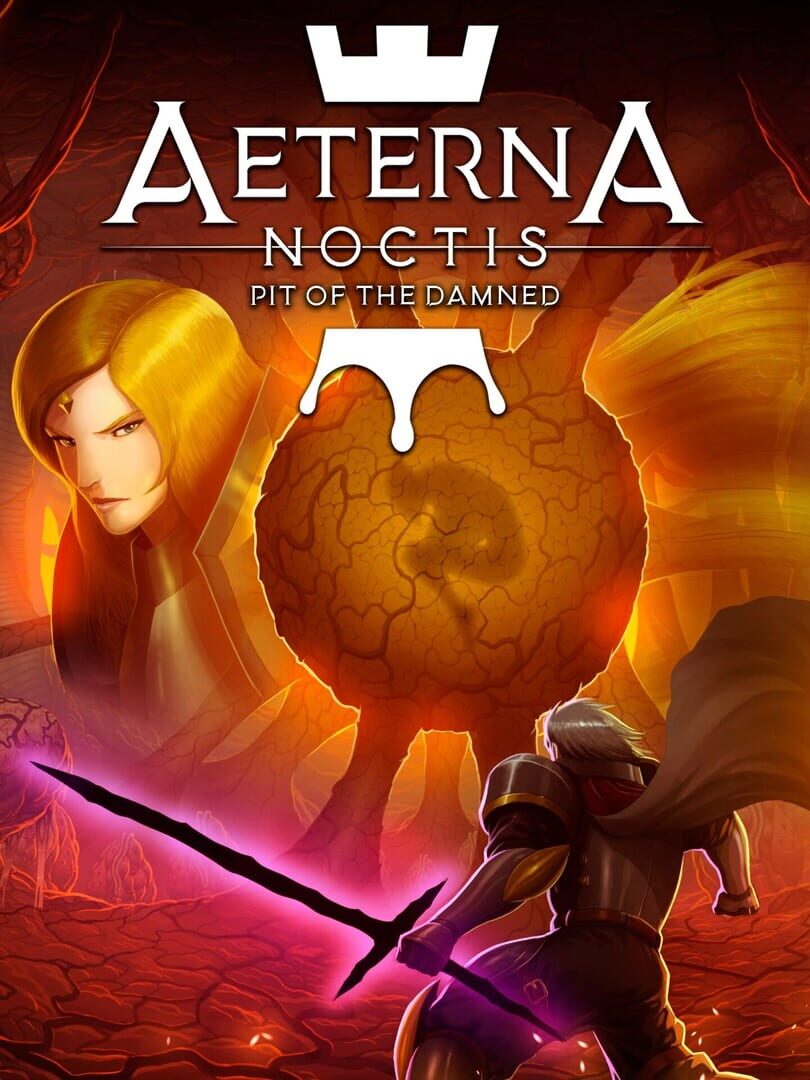
Ultimately, although there’s a distinct feeling of déjà vu when playing Aeterna Noctis thanks to its unmistakable similarities to Hollow Knight, it thankfully manages to nail the most important elements in a Metroidvania: exploration and combat.
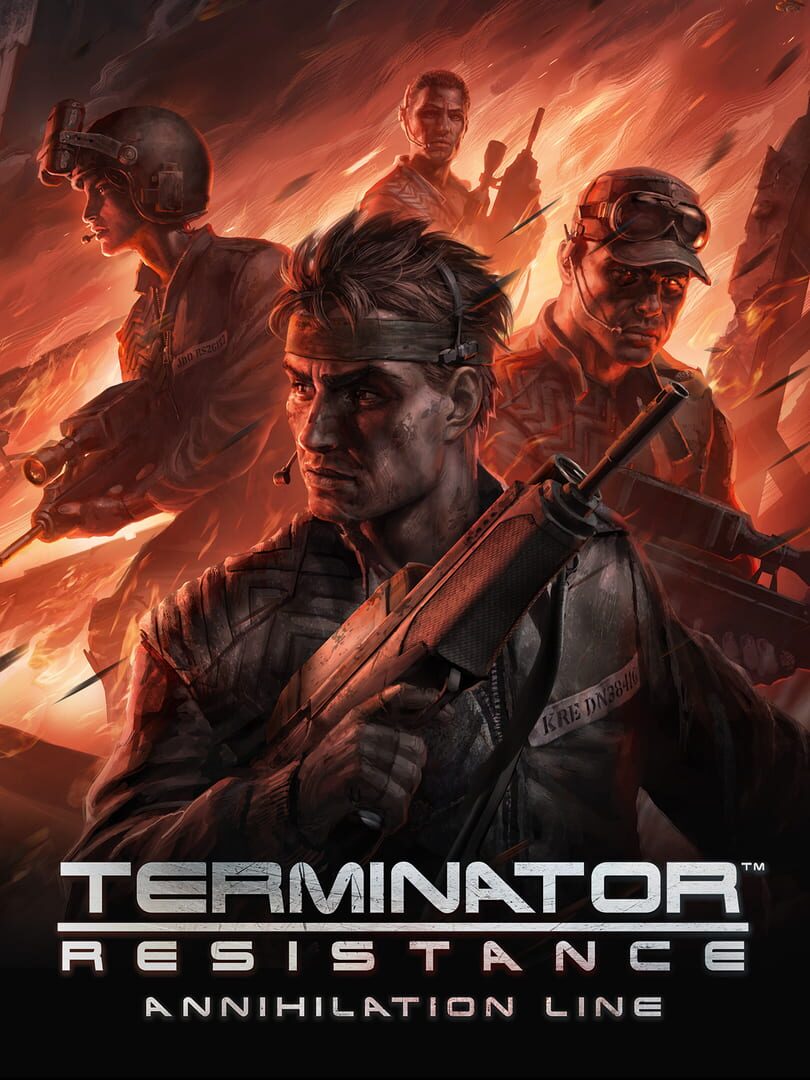
The main draw here is getting to spend time with Kyle Reese, and this standalone adventure does indeed succeed in rounding him out as a character. This being Terminator: Resistance, though, expect to see lots more Easter eggs sprinkled in. That’s why, much like before, Annihilation Line delivers another ho-hum FPS experience that only true franchise veterans will fully have fun with.
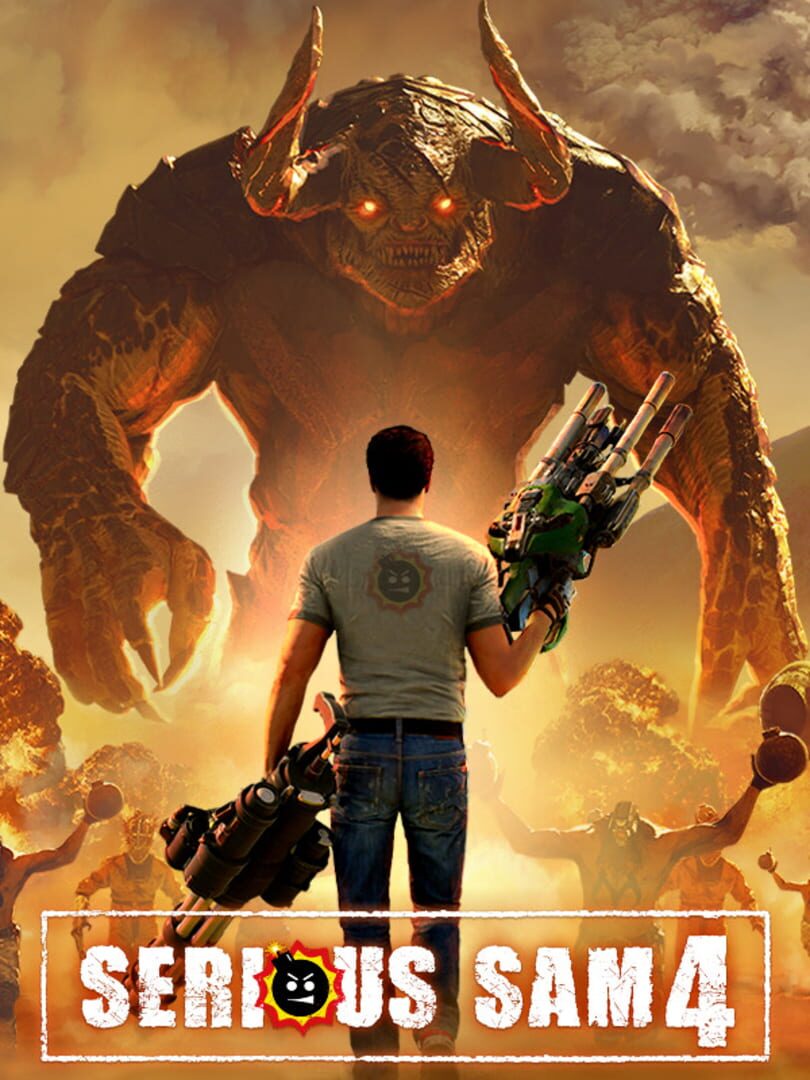
While fitfully fun and well designed, Sam 4 disappoints as both a sequel and a next-gen product. While it wasn’t particularly optimised on PC it still represents a low for PS5 performance. A compromised port of a game that’s only slightly above average in the first place. A serious shame.
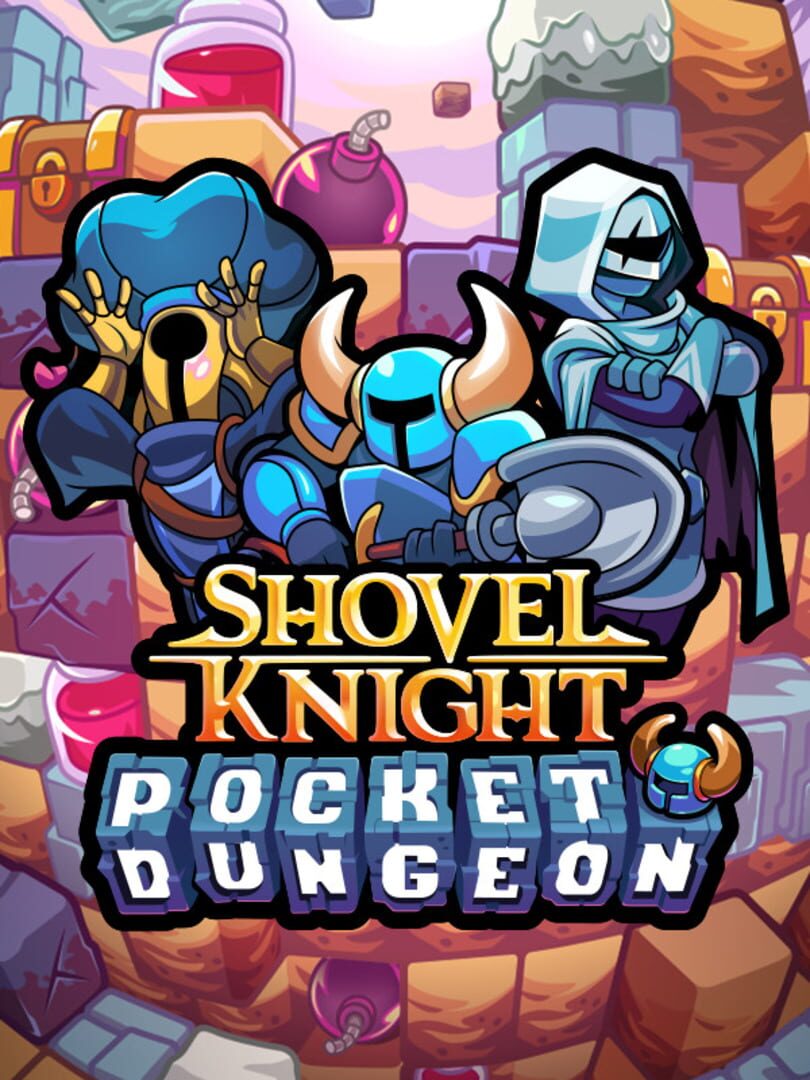
There’s not significant variety across these extra modes — and no online multiplayer is unfortunate — though when the core gameplay is this good, it's not a major detractor. Yacht Club Games and VINE ultimately provide an excellent puzzle spin-off, one that’s accessible for all players that'll appeal to existing fans. You won’t necessarily be here for a long time, but it’s an addictive experience that’ll keep you coming back for more.
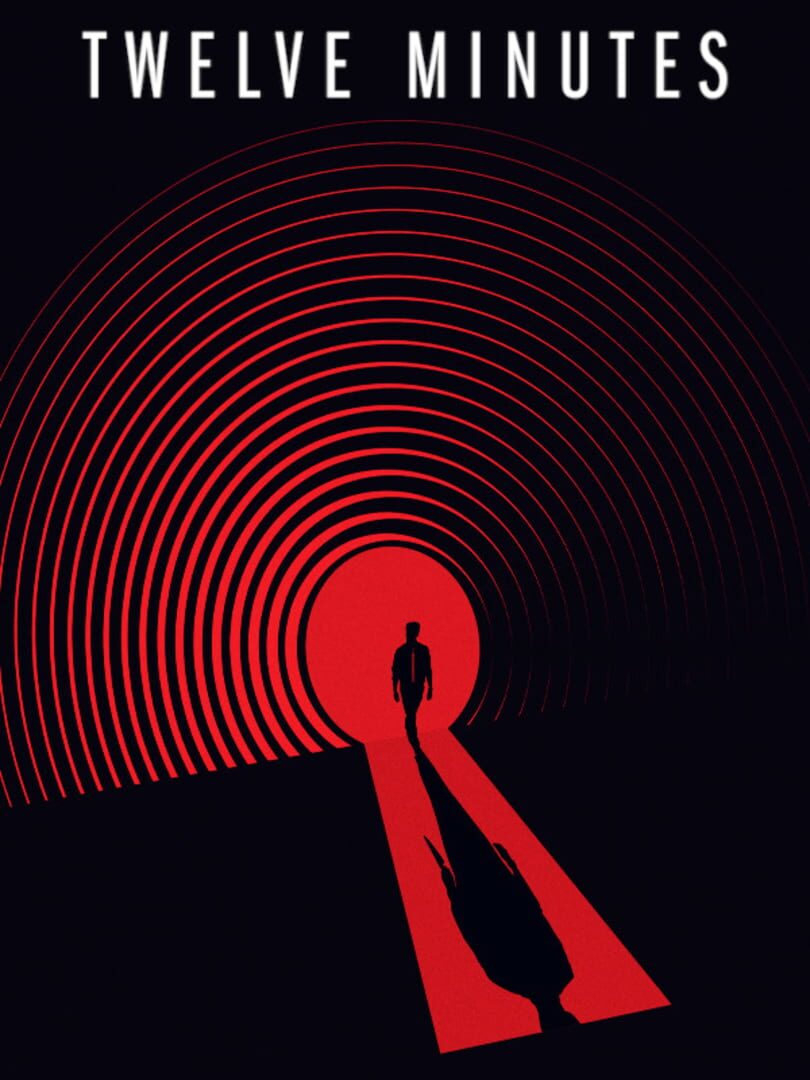
James McAvoy, Daisy Ridley, and Willem Dafoe do an absolutely fantastic job at bringing the three main characters to life but even they can’t lift the frustration and tedium of having to repeat the same actions over and over again. Unfortunately, by the time you finally figure out how to change the outcome of the loop, the ending will make you wonder if it was even worth it.
Once you have your head wrapped around it, Heavenly Bodies offers up wonderfully tactile puzzles, and the DualSense is really put through its paces. The game is rather short, but it does give you more to do after beating each mission. We should also mention there are three levels of control available, with the easiest allowing you to "swim" through the air (or lack of). While we do think there's a good time to be had here, be aware you'll need some patience to find the fun.
Although the basic storyline may be largely nonsensical, you'll come across a nice selection of characters to assist on your travels, all of whom are fully voice acted with their own minor backstories. Nara and Forsaken often exchange pleasantries, but their conversations can sometimes come across a bit clinical, and would have benefited greatly from a bit of added humour.
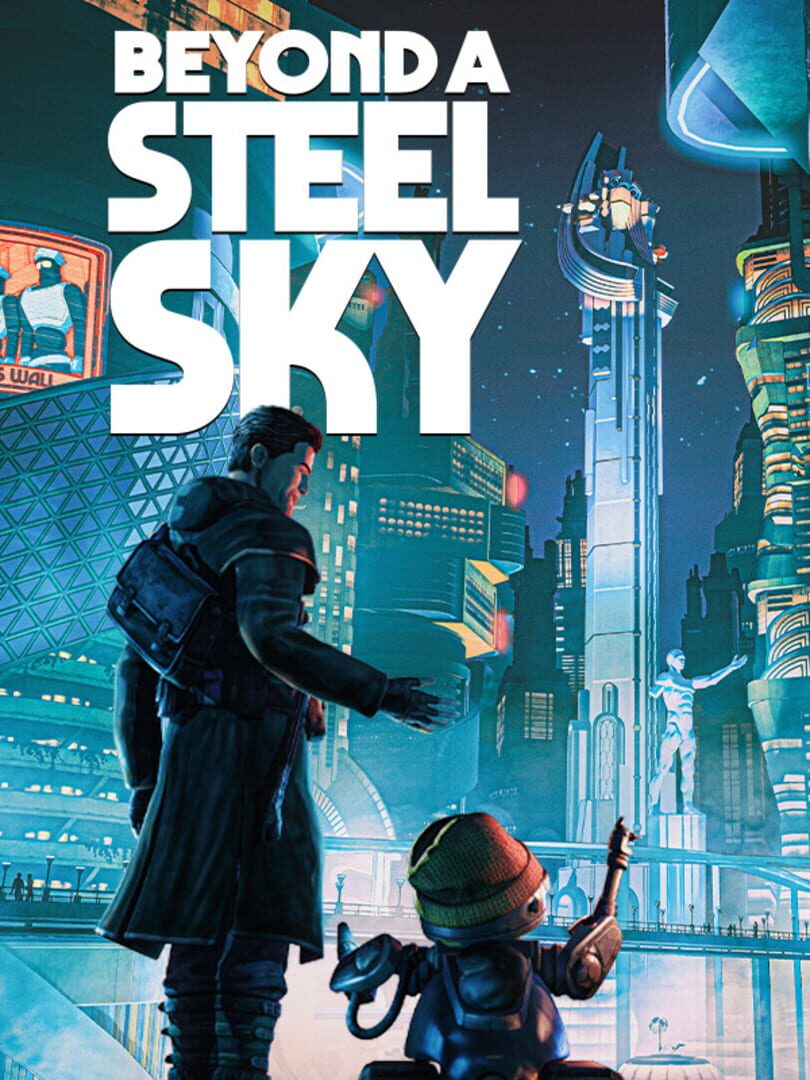
The 3D environments just don't have the same magic, either. Beyond a Steel Sky's visuals are basic, and its locations are all a bit sterile. And that's a shame, because at its core, this is a heartfelt and often charming video game. If you're an adventure fan, Foster's second foray into Union City is fun enough while it lasts — but it struggles to be anywhere near as memorable as the classic titles that it draws from.
Still, there’s no question this is one of the better strategy games you’ll find on console. The controls mostly map well and the systems pair well with a stellar concept. With melodramatic, James Bond-esque music and some entertaining voiceover work, this is a tycoon-turned-strategy title that tests your grey matter and allows you to be the villain for once. Being bad never felt so good.
Tight controls, clever level design, and rewarding combat make Death's Door a joy to play. It's a ten-hour adventure that never outstays its welcome, and its overall quality is clear. A polished, quirky, and often challenging title that charms from start to finish.