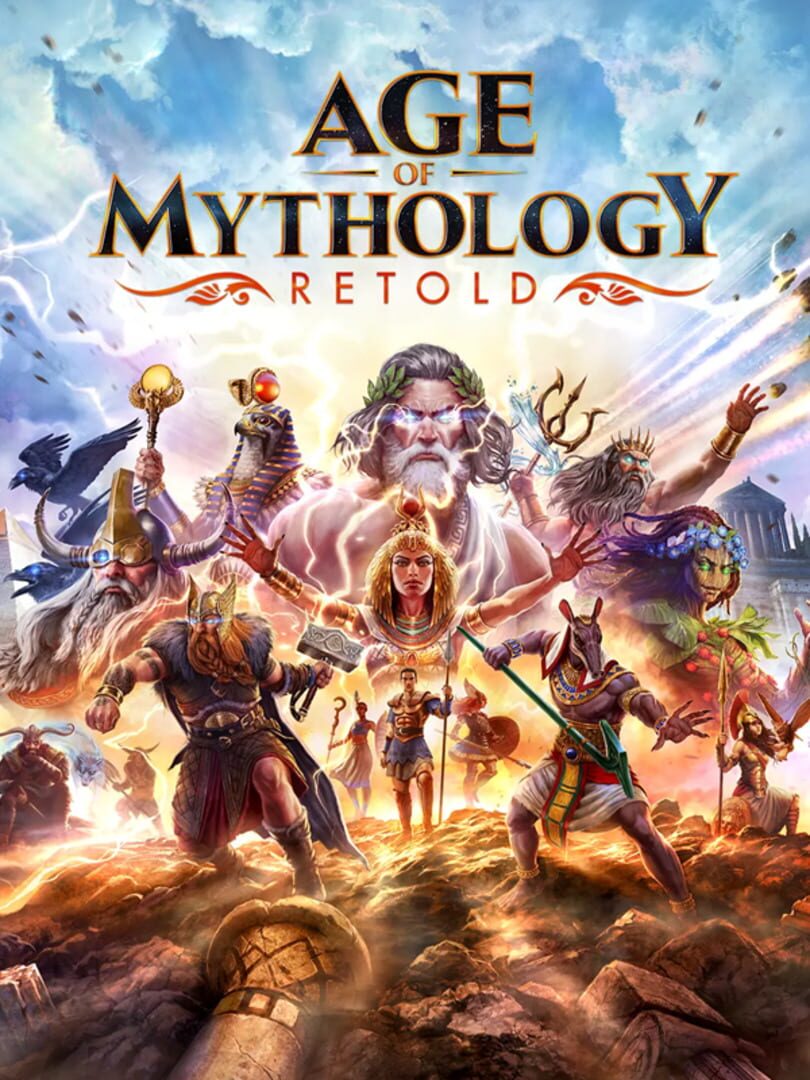
there's no denying that Age of Mythology’s gameplay can feel simplistic, which is ironic, considering how influential the series has been. Having played a bunch back in the day, the missed campaigns are appreciated, but we can’t see ourselves regularly returning to the well.
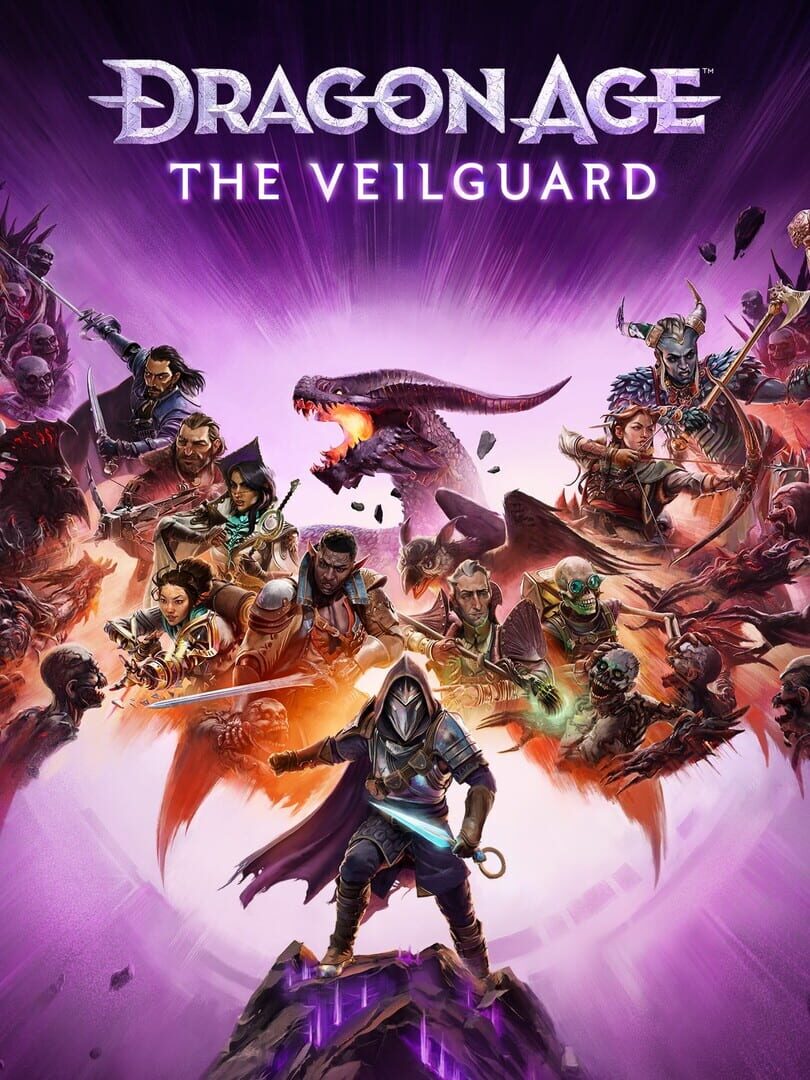
Dragon Age: The Veilguard isn't quite BioWare back to its absolute best, but it is the most cohesive and emotionally engaging RPG that the studio has delivered since Mass Effect 3. Its shift to crunchy action combat is an improvement over Inquisition's middle-of-the-road approach, and although the game feels a little light on meaningful player choice, the storytelling pulls no punches when it actually matters. This is a gorgeous and gripping adventure, backed by a cast of endearing heroes and deliciously devious villains.
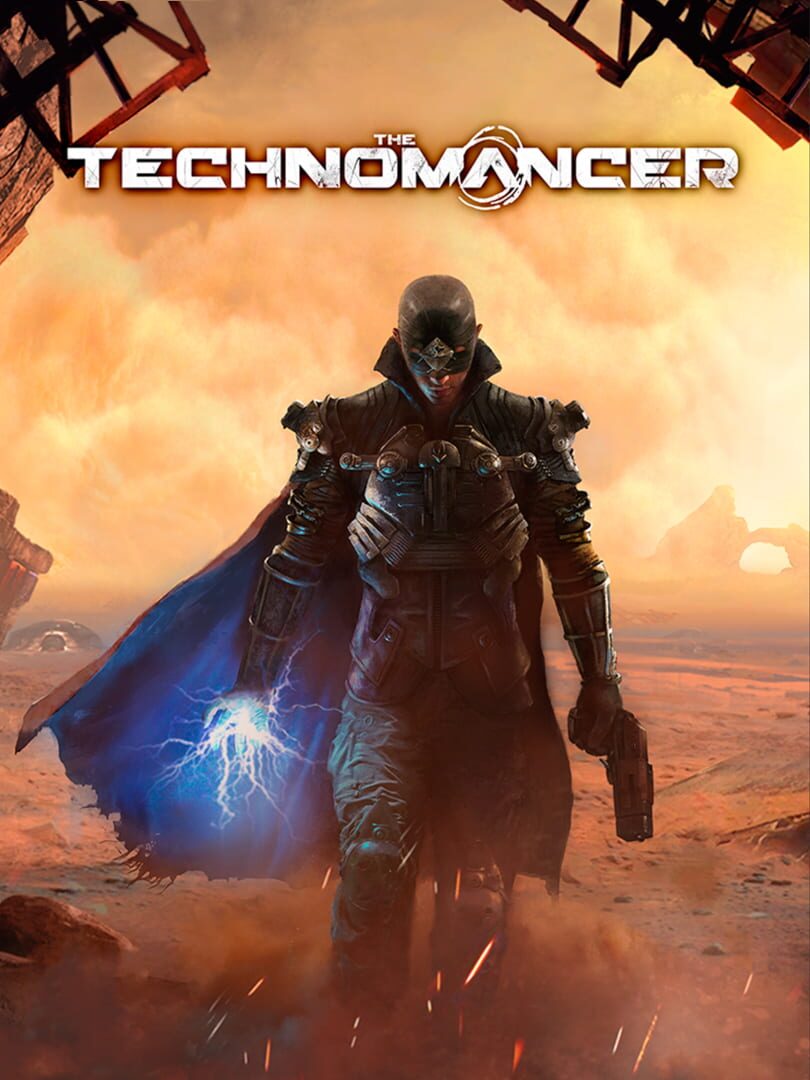
The Technomancer offers up a couple of highs and a few too many lows. Its approach to open ended gameplay is appreciated and its combat is fun enough for the first ten hours, but the game eventually loses steam and its story is nothing worth shouting about. To make matters worse, technical problems harm the experience to the point where you'll find it hard to care about the characters during what are supposed to be emotional scenes. There's certainly something here for forgiving RPG fans, but for everyone else, we can only advise caution when it comes to this rough Martian adventure.
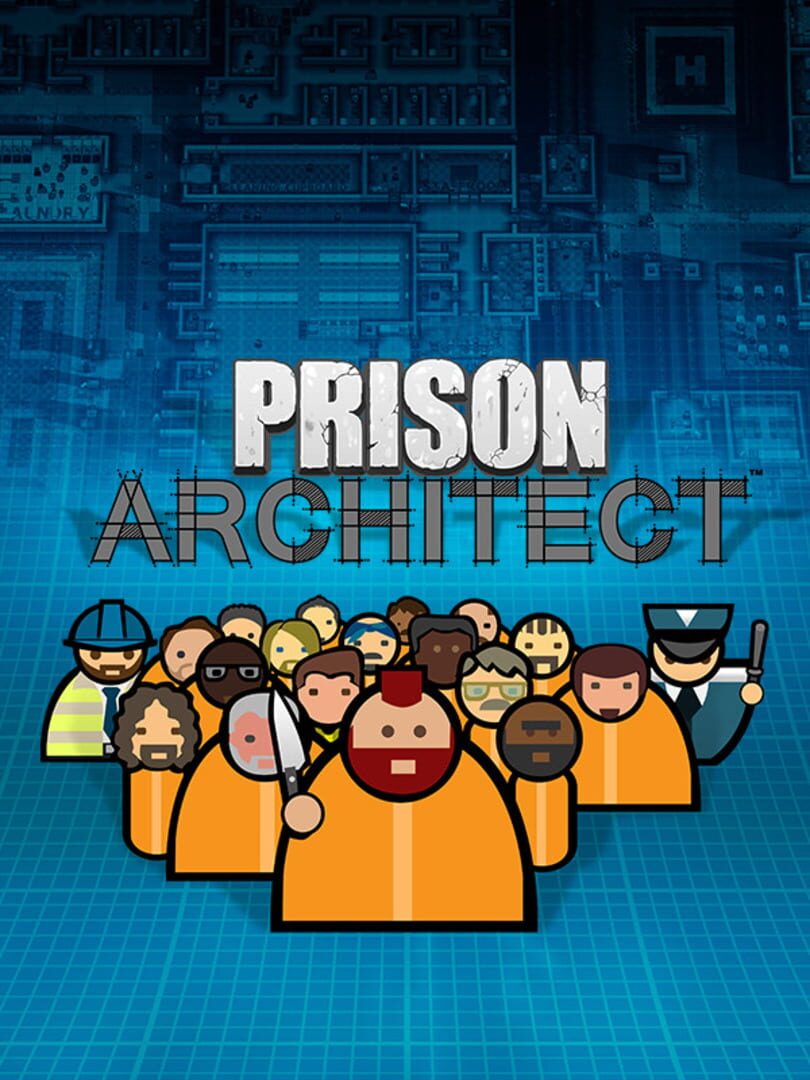
Prison Architect is a fantastic simulation game. Its clever systems combine in interesting and intuitive ways to create an experience which is tense, challenging, and engaging. Niggling control issues aside, the title is a terrific example of how a traditionally PC-only genre should be ported to consoles.
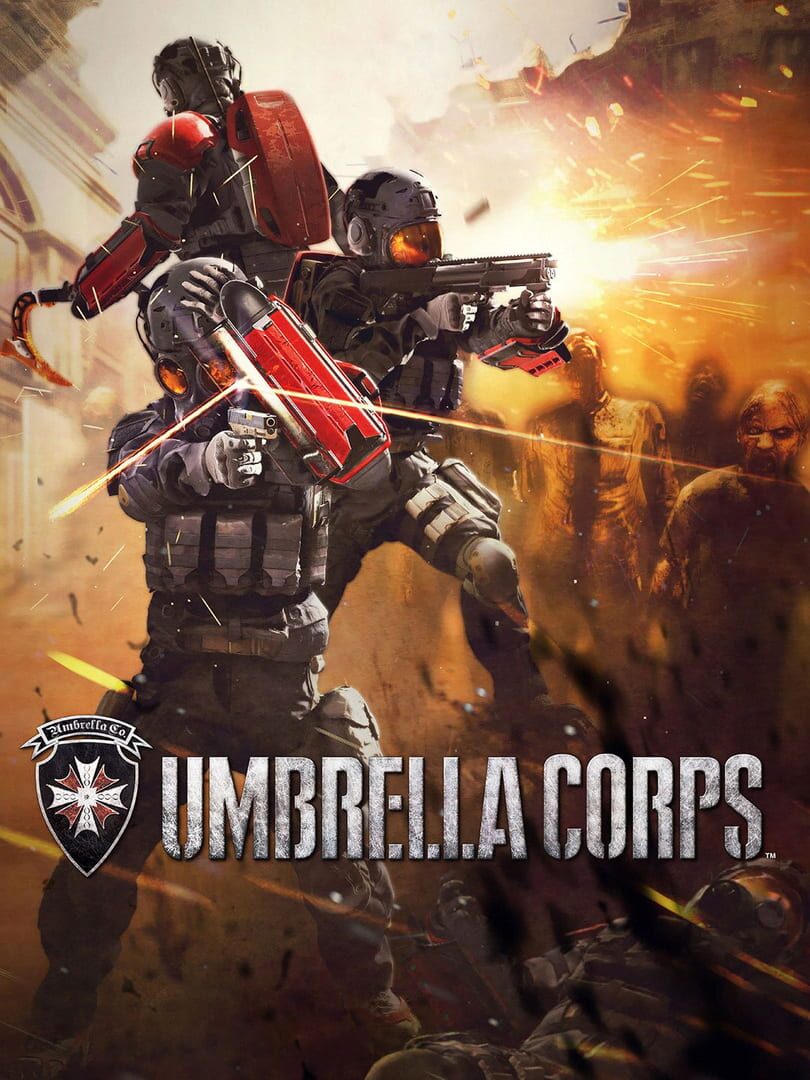
Umbrella Corps is a brain-dead mess of good ideas gone wrong. It partially hides its flaws underneath a veneer of pretty graphics and promising gameplay concepts, but it can't hold up under its own weight in execution. Patches may iron out some of our grievances, but conflicting mechanics, dumb level design choices, balancing issues, technical problems, and shallow content plague this shambling title to the core, ensuring a quick burial with single-player missions that are a mere afterthought. This isn't just a bad Resident Evil game, but a disappointing multiplayer shooter; a spin-off that feels like little more than a lazy cash grab.
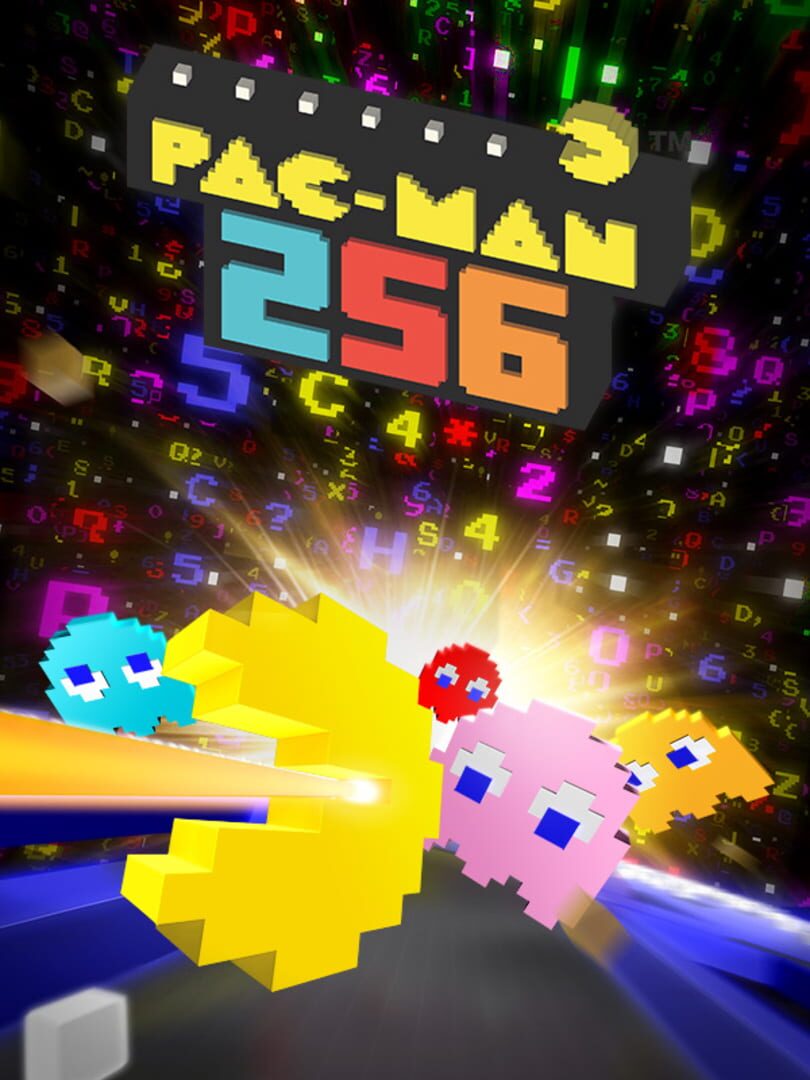
The simple presentation and controls allow anyone to pick up a controller and know what to do, while the addition of power-ups and objectives provide a little more depth for die-hard fans to explore. More creative use of upgrades would've been nice, and as with all endless runners, the appeal will wear off relatively quickly. However, this is a strong outing for Pac-Man that's perfect for short bursts, or, just as likely, one-more-go marathons.
Dino Dini's Kick Off Revival doesn't attempt to compete with FIFA and that's fine. There's a place on the market for simpler, old school sports games that rely on arcade fun rather than authenticity. But this reboot of the franchise is actually a step backwards for the series in some ways, and the lack of a tutorial or help of any kind results in the learning curve being more of a learning brick wall. There's nothing wrong with being difficult to master, but the game is difficult to pick up and play too, and the rewards too few to justify the effort. Kick Off Revival can be okay in short bursts, but the sheer weight of issues with the game make it hard to recommend to anybody other than fans of the original Kick Off games. And even they will likely be disappointed.
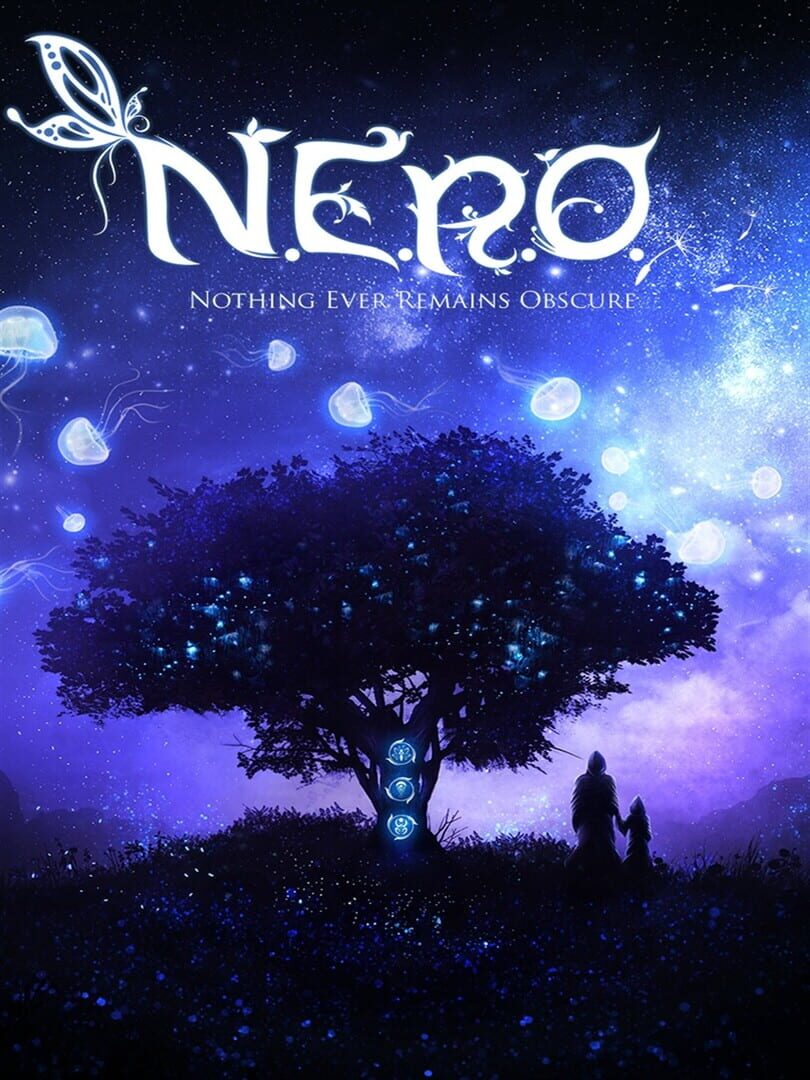
N.E.R.O. intrigues as an interactive visual novel, but it fails in its attempts to be a game. The puzzles here are laughably easy, and they subsequently get in the way of the storytelling. There are some beautiful cutscenes and an interesting story here, but they're too often impeded by unenjoyable gameplay.
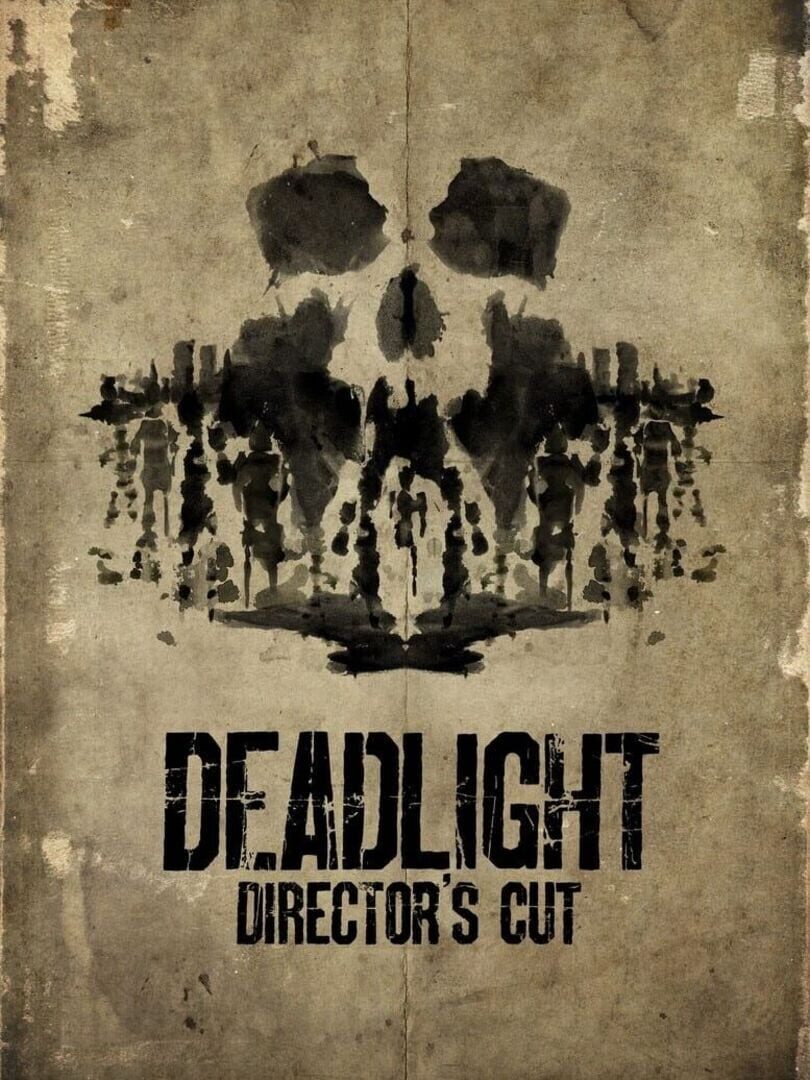
While it fulfils its promise of delivering a much needed edge to the saturated zombie horror scene, Deadlight: Director's Cut is sadly hampered by its clunky combat system and recycled puzzles. Existing players may feel compelled to delve back into the experience as its visuals feel noticeably refined and its survival mode – although flawed – can be addictive in small doses. But although it's brimming with fresh ideas and possesses a compelling atmosphere, it isn't able to stand tall as it rests on a ground of flawed fundamentals.
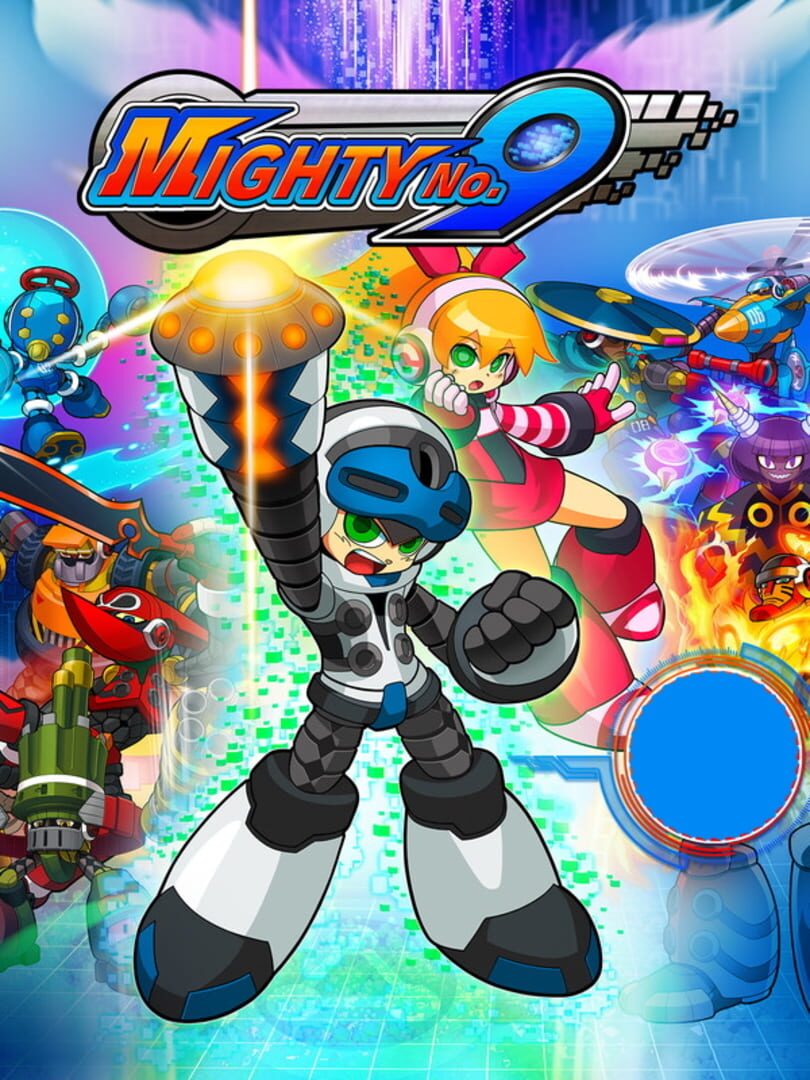
Mighty No. 9 appears to be caught in two minds about whether it wants to make a Mega Man-style game for novices or veterans, and that indecision unfortunately prevents it from being anything close to mighty. Combine the release's well-meaning but misguided attempts at accessibility with sub-par graphics, puzzles, and an insane difficulty spike towards the end, and you end up with a title that's not very mega at all.
Trials of the Blood Dragon is massively disappointing. Its story is muddled and confusing, its jokes fall flat, and its gameplay is frustrating. Fantastic presentation and well-tuned motorbike physics don't make up for what is ultimately a failed experiment.
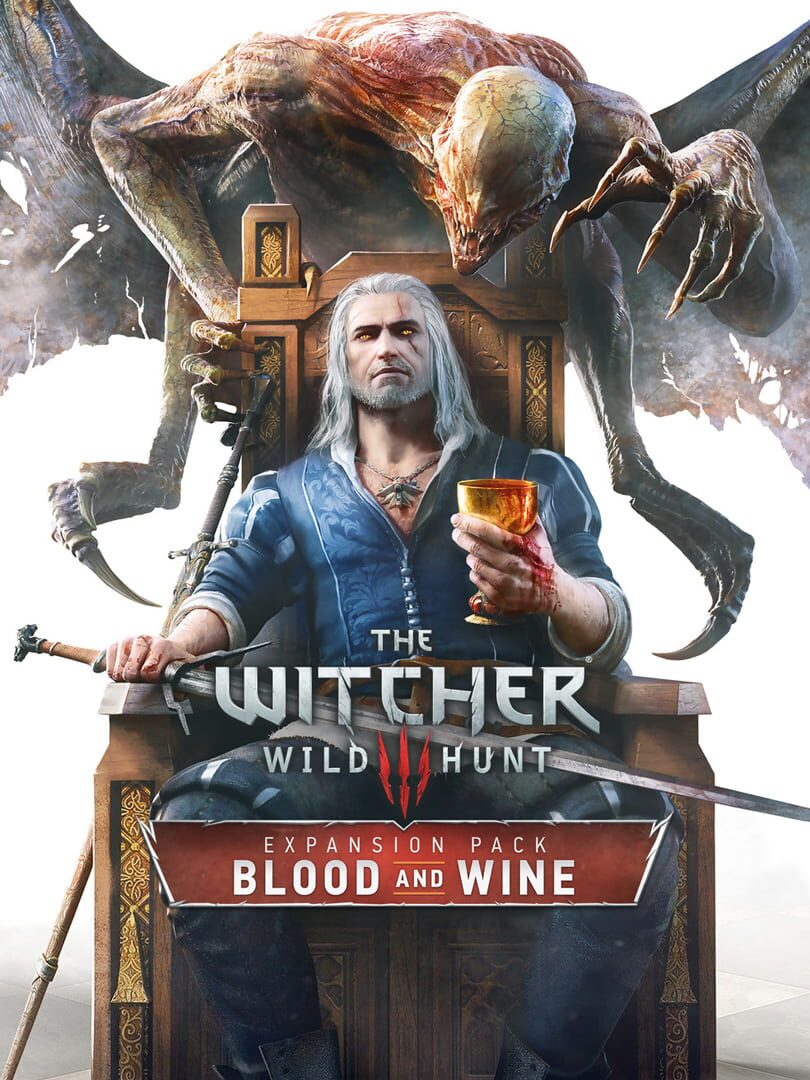
CD Projekt Red has released three masterpieces within the space of a year. Alongside Hearts of Stone, Blood and Wine ensures that The Witcher 3: Wild Hunt is, without question, the role-playing game to beat going forward. Toussaint provides a gorgeous new location that's a joy to explore, and the sun-soaked land houses enough engrossing content to put many fully priced retail releases to shame. Geralt's last hurrah is a pleasure to experience; a fitting end to a stunning achievement.
It may be brief, but Oxenfree has elements of greatness and stands out as an excellent example of video game storytelling. It's also a beautiful and intriguing game that draws you in from the very start and makes you want to see just how deep the rabbit hole goes. Unfortunately, the situational narrative is let down slightly in the final third where it confuses even itself and fails to merge with the far stronger and more prominent social narrative.
Providing a fairly monotonous story with a splash of colour, the characters seem to be the only bright spot in this otherwise dreary role-playing game. That's not to say that the constant rigmarole of finding and slaying isn't fun – it is - but considering what the storyline offers, the grind hardly seems worth it; the narrative's simply not engaging enough to warrant the repetitiveness found throughout Atelier Sophie: Alchemist of the Mysterious Book. If you've played other titles in the series, then this entry will feel like it adds very little to the experiences that you've already had, while leaving a much blander taste.
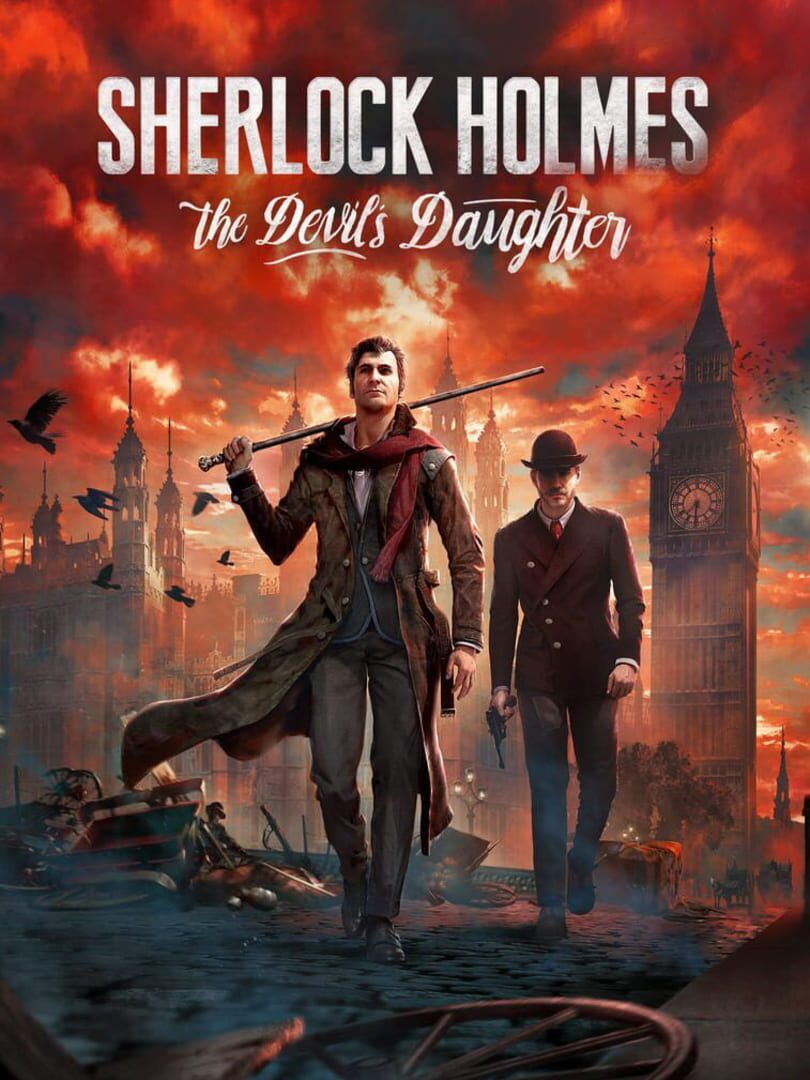
Whether it's sniffing out clues with Holmes trusty basset hound, planning an elaborate diversion in slow motion like you're in a Guy Ritchie film, or dodging spike pits and giant rolling balls a la Indiana Jones, the Sherlock games are always throwing something different at you. Devil's Daughter focuses more on story, with a larger plot taking over from the case work in satisfying ways. Some extended sequences of button mashing can become tiresome and the moral choice system doesn't add anything substantial, but the overall experience is great fun.
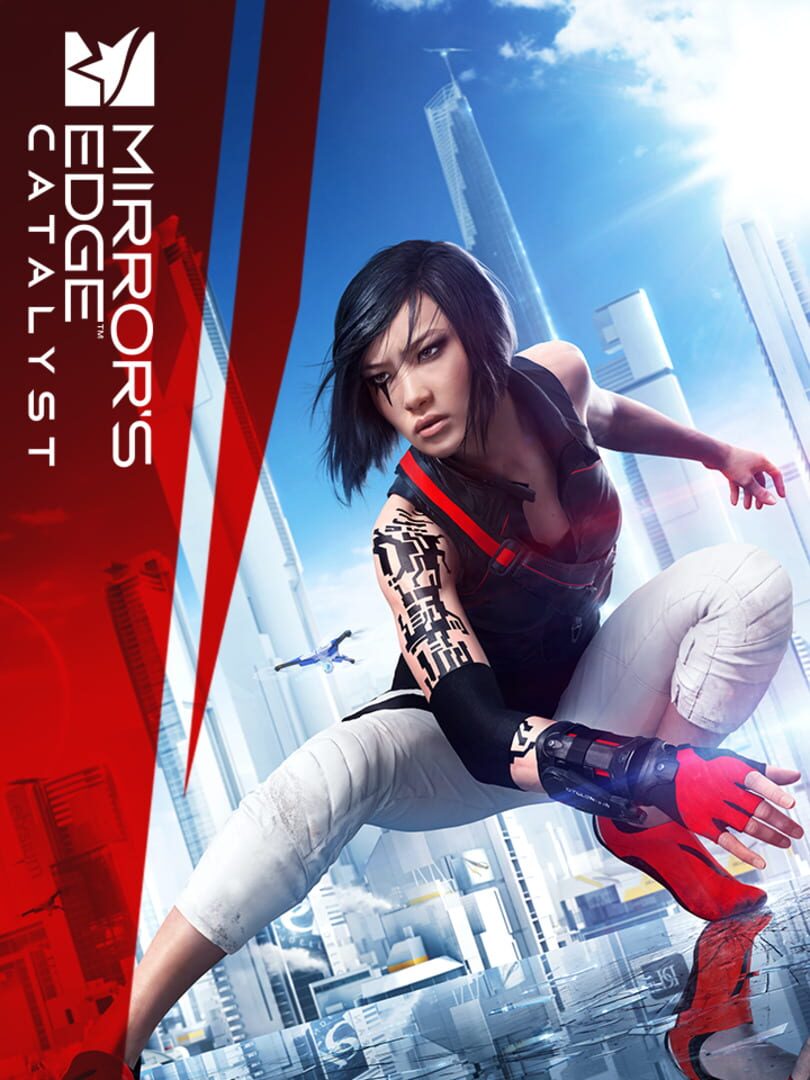
With the addition of an open world, Mirror's Edge Catalyst successfully builds upon the fun, free running gameplay of the original to deliver exhilarating, high-altitude action. It's perplexing that, while demonstrating a clear understanding of what the first game did so well, this reboot still forces you – albeit relatively infrequently – into unsatisfying combat. Like Faith herself, this release is at its best when it's on the run, and while the combat, story, and characters do cause it to stumble occasionally, it never actually falls.
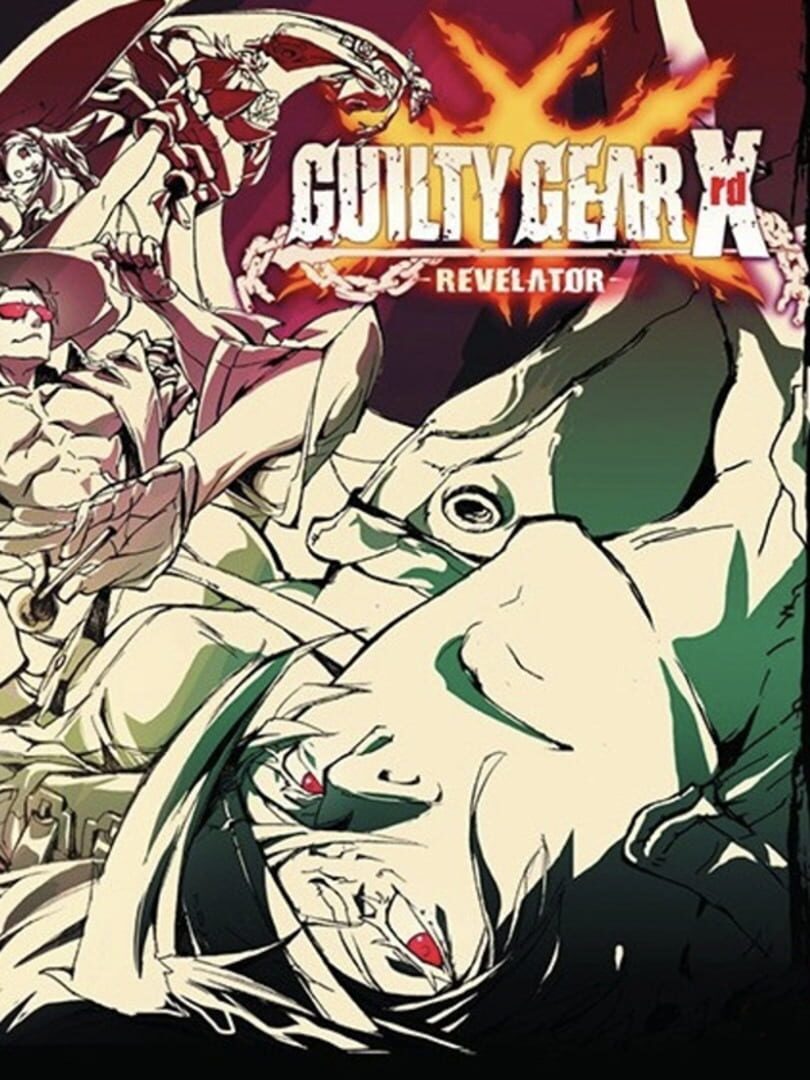
Guilty Gear Xrd -REVELATOR- offers up a wonderfully entertaining, complex game, and the addition of stylish mode makes it the perfect starting point for those looking get into Guilty Gear. It's addictive, frenetic, and varied, not to mention absolutely stunning. If you already own Guilty Gear Xrd -SIGN-, you may have to take a harder look at this improved package, but for everyone else, this is one of the very best fighters on the market.