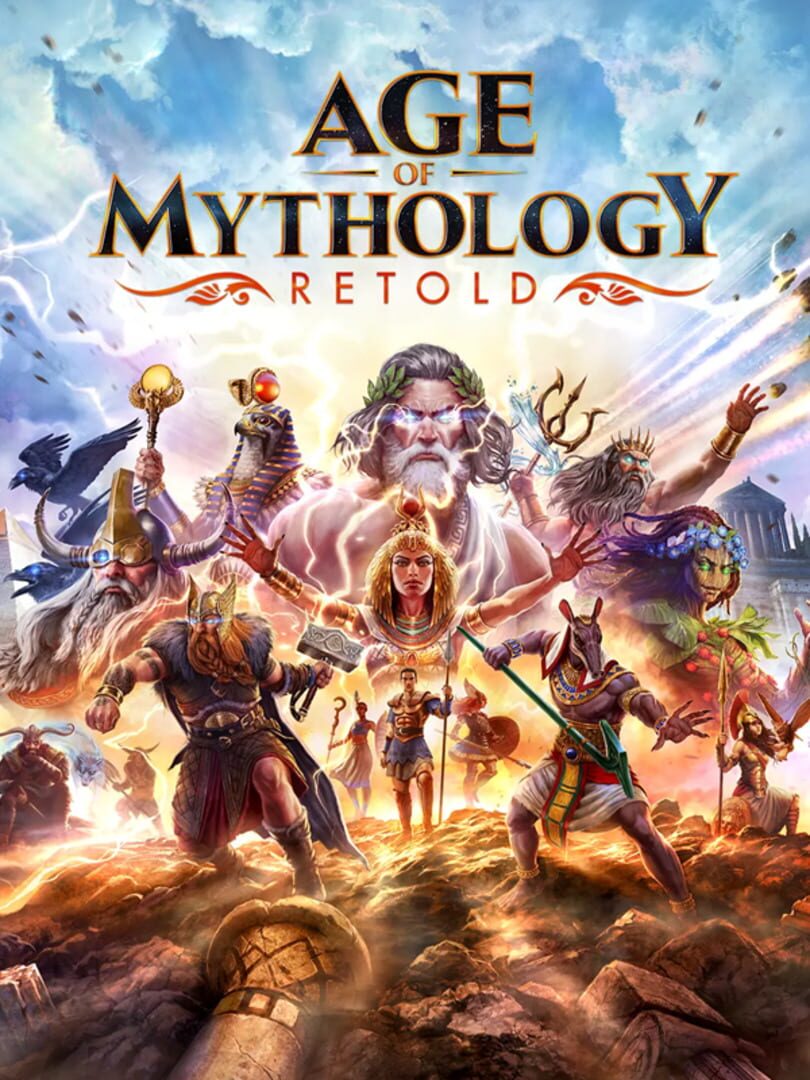
there's no denying that Age of Mythology’s gameplay can feel simplistic, which is ironic, considering how influential the series has been. Having played a bunch back in the day, the missed campaigns are appreciated, but we can’t see ourselves regularly returning to the well.
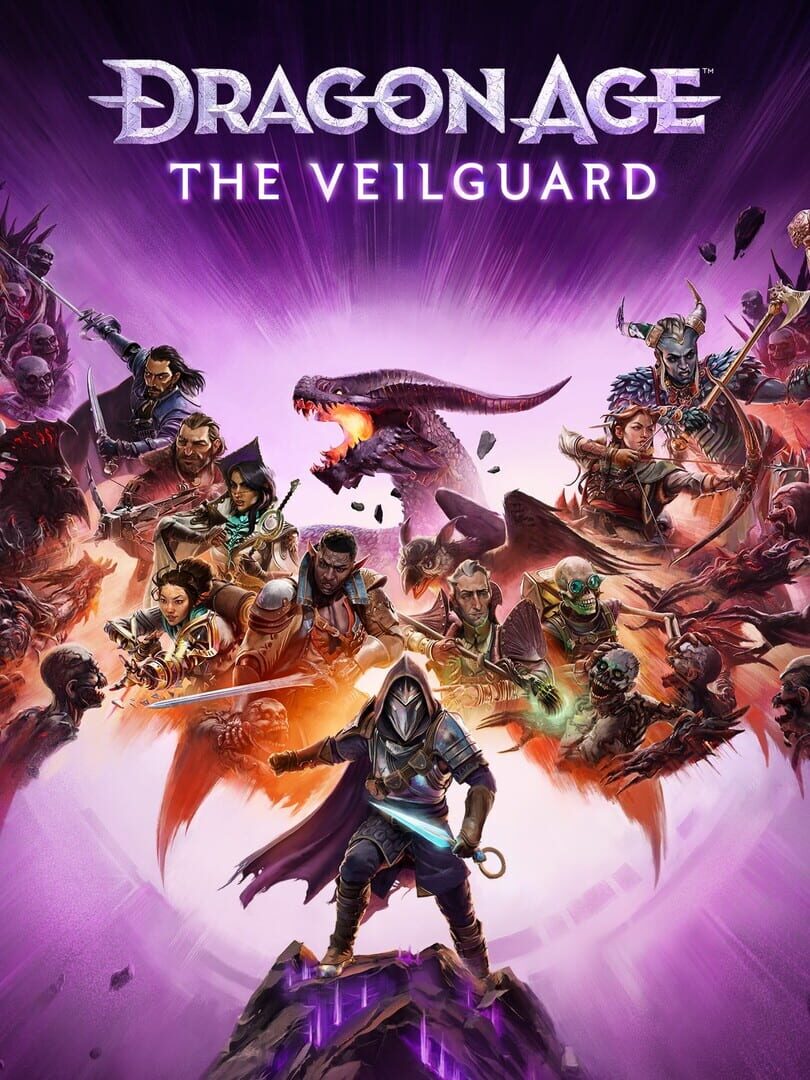
Dragon Age: The Veilguard isn't quite BioWare back to its absolute best, but it is the most cohesive and emotionally engaging RPG that the studio has delivered since Mass Effect 3. Its shift to crunchy action combat is an improvement over Inquisition's middle-of-the-road approach, and although the game feels a little light on meaningful player choice, the storytelling pulls no punches when it actually matters. This is a gorgeous and gripping adventure, backed by a cast of endearing heroes and deliciously devious villains.
It'd probably be reductive to describe many of MLB The Show 22's improvements as the kind of thing you'd expect to find in patch notes, but it's still somewhat true. The gameplay feels great as always, and we really like the additions to March to October as well as the Mini Seasons mode in Diamond Dynasty. But while this is undoubtedly a streamlined, enhanced version of the already excellent MLB The Show 21, casual players will struggle to spot the difference – and, frankly, some aspects of the series are really beginning to tire.
The gameplay feels great, with those aforementioned 90-degree drifts requiring you to dance on the analogue sticks delicately, and there’s a lightning fast pace to the action which is trance-inducing. The core course design isn’t particularly inspired – you’re either sliding or going straight, with little variation in between – but the tracks here aren’t supposed to rival the Nurburgring: this is pure nostalgia, with scorching synthesisers and optional scanlines. It’s a tantalising ode to a timeless era of arcade racers, and one we reckon even Yu Suzuki himself would be proud to put his name on.
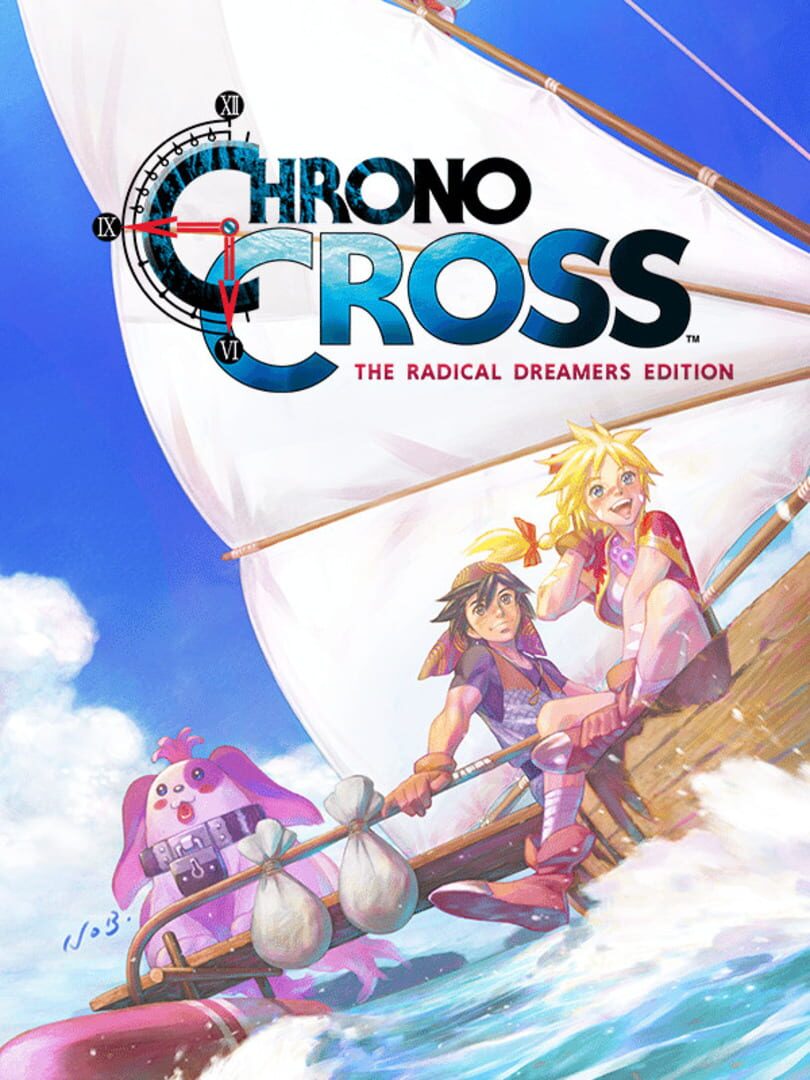
Parts of Chrono Cross really haven't aged well, but it's still a charming, characterful JRPG that evokes feelings of the genre's golden age on PS1. It's a game that deserves better than The Radical Dreamers Edition, which, at least at launch, is a dreadfully poor remaster. Crippled by frame rate issues, it beggars belief that a title from 1999 could run this badly on modern hardware. Unless you're desperate for the nostalgia, we strongly recommend waiting to see whether Square Enix releases a patch to improve the package on PS4 and PS5 before buying.
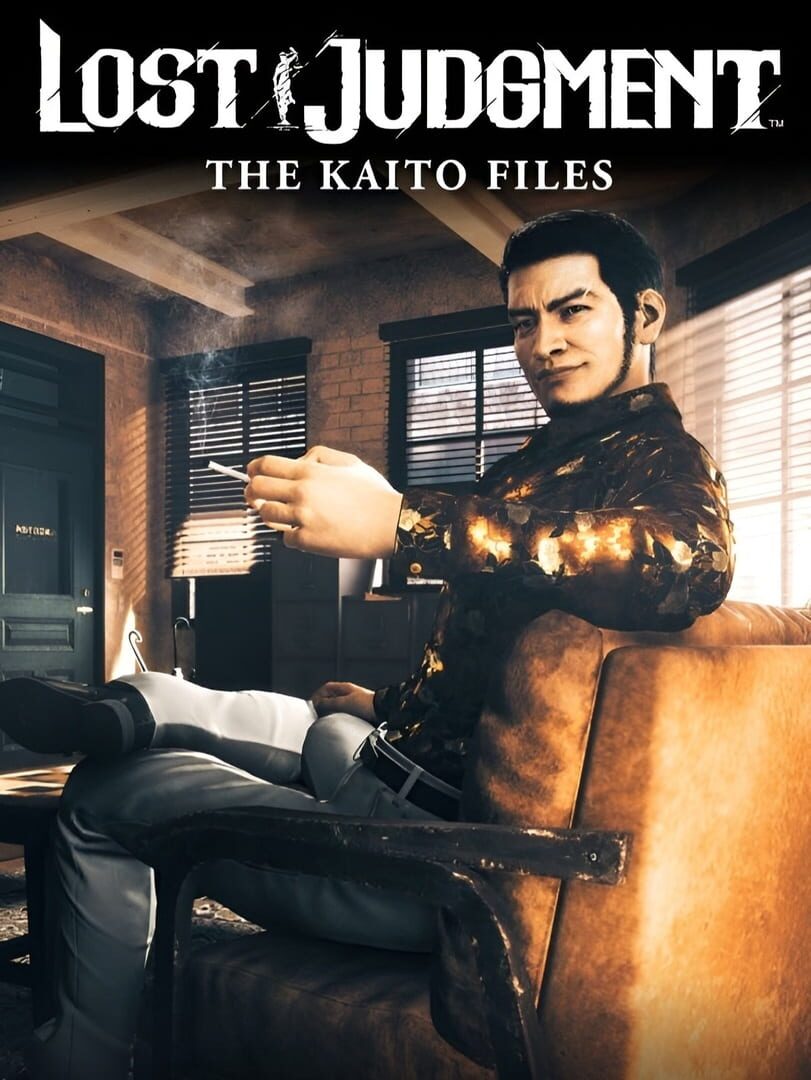
Aside from the near total lack of side content, The Kaito Files has everything that you'd expect from a Yakuza-style experience. Its shorter length actually works in its favour, allowing for a well paced story that doesn't get caught up on overplayed plot points or filler missions. As RGG Studio's first crack at a proper expansion, it's a roaring success.
Side missions and a score attack mode with leaderboards are available once you're done with the Campaign and its daft story. These provide a little more challenge, but there's only so much mileage to get from what is quite a concise game. It's not going to last you that long, then, but it fills that time with stylish, flashy fun that makes you feel like an unstoppable agent.
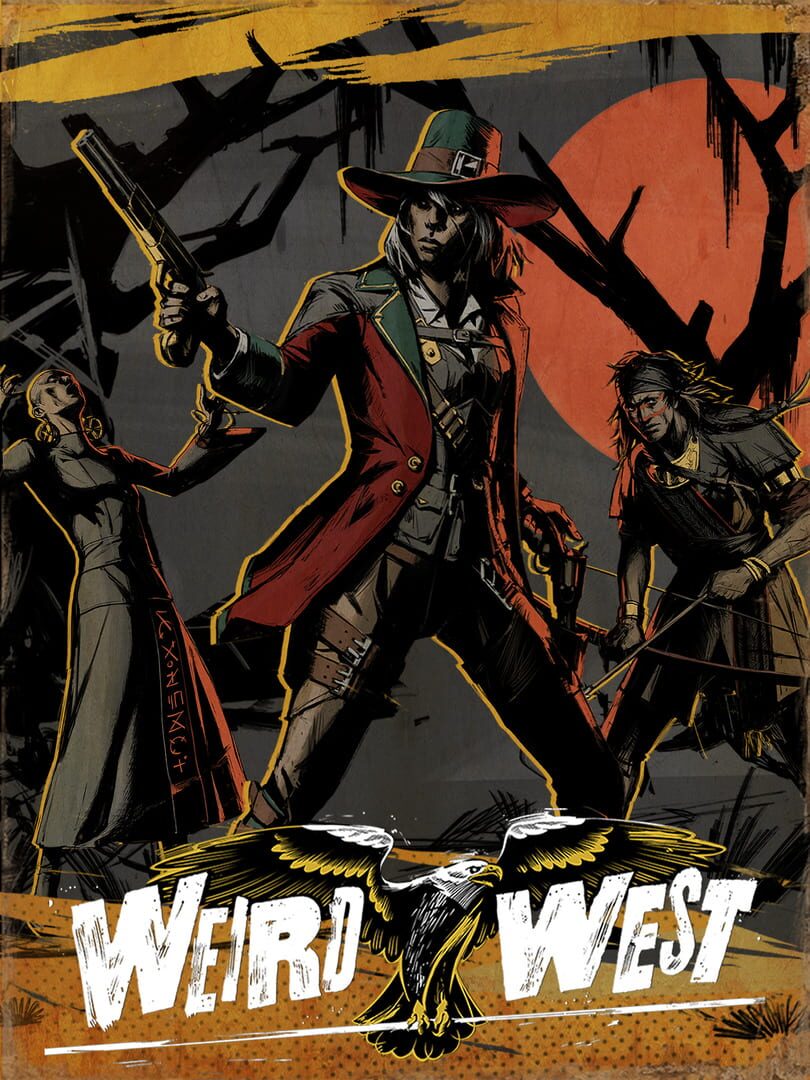
Weird West sets its sights high by promising player freedom and a responsive world to butterfly effect the hell out of, and it very nearly delivers on all of it. At its best, WolfEye Studios' first outing offers delightfully chaotic combat and an interesting supernatural setting that leaves no actions without consequence. But while in many respects Weird West achieves some of its grander ambitions, it fails to nail some of the basics. Immersive sim fans will be in their element here, but Raphael Colantonio's latest won't have as wide an appeal as his previous successes with Arkane.
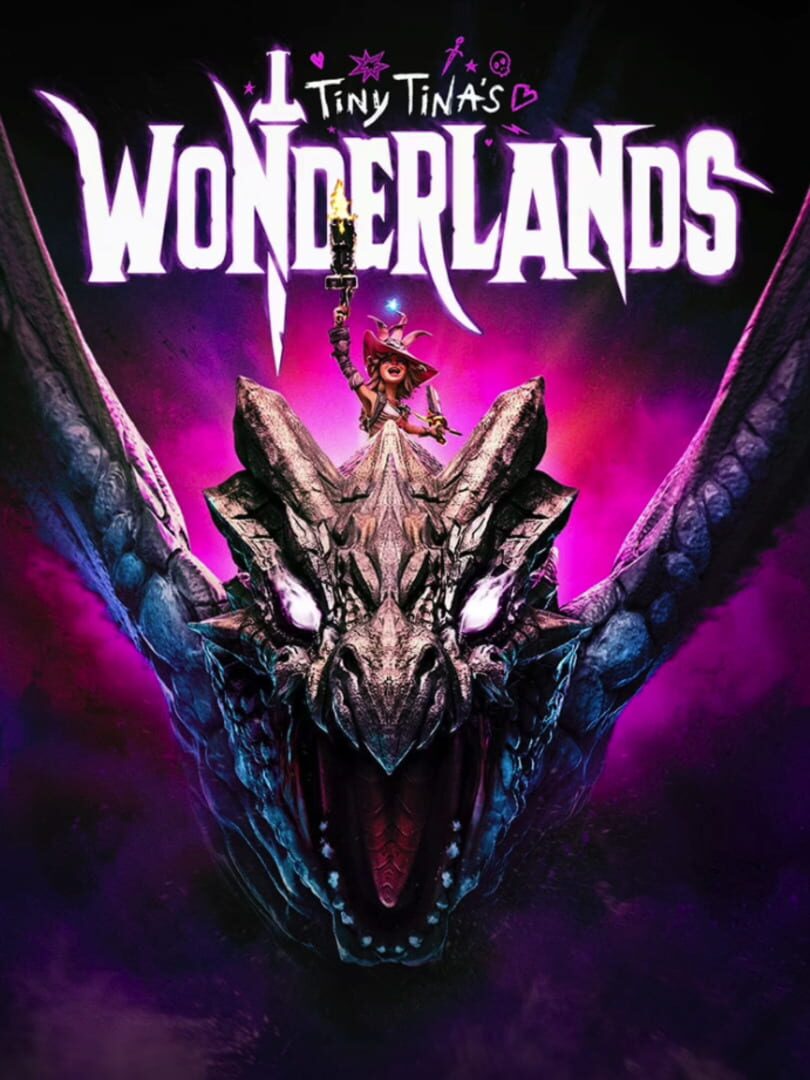
Tiny Tina's Wonderlands retains the inherently entertaining shootin' and lootin' gameplay that the Borderlands series is known for, but you're frequently held back from enjoying it because of repetitive missions, tedious busywork, oodles of padding, and the game's relentless need to be funny. It's characters won't shut up, frequently stopping you playing so it can perform another inane comedy routine that limply, embarrassingly fizzles out like a deflating corpse, farting decomposition gases to the tune of "Ta-dah!"
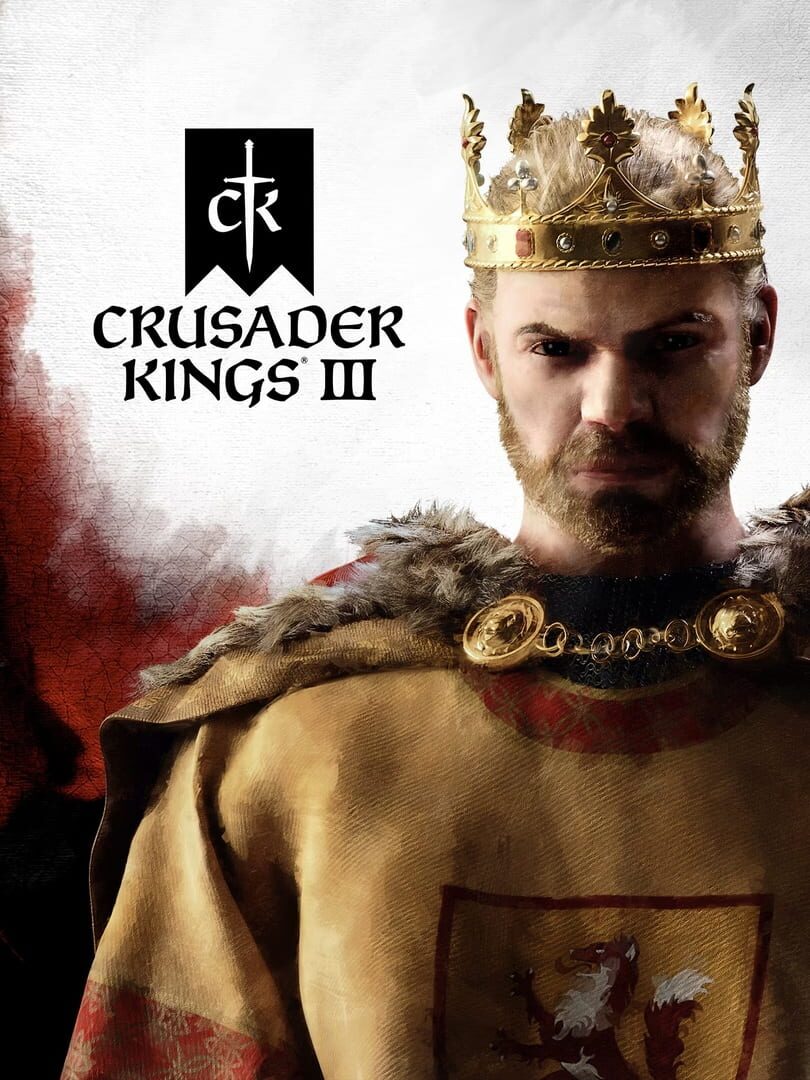
It's easy to see why Crusader Kings III is so revered on PC. It's a brilliantly deep and dynamic strategy title that simply never stops giving — but you'll need to commit to learning its near countless intricacies before diving in proper. A dangerously addictive game once you're invested.
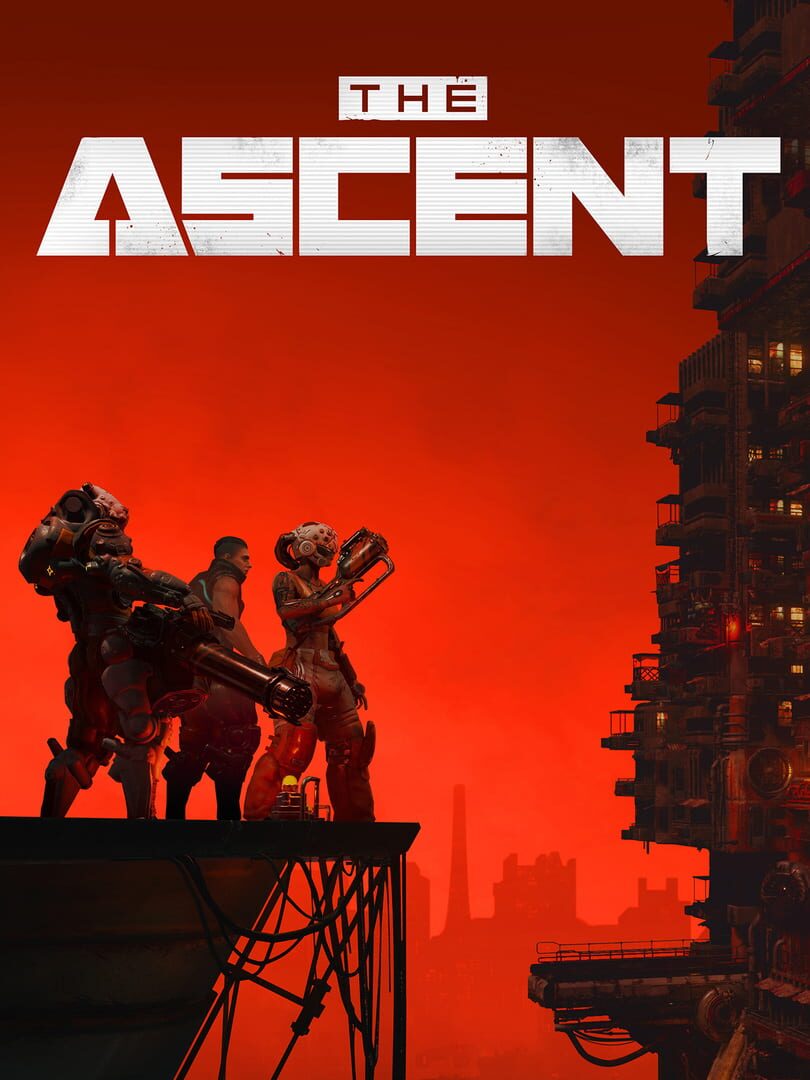
The Ascent's a solid, if somewhat repetitive shooter, propped up by eye-popping environments and a reasonable amount of RPG depth. If you can stomach some grindy mission design and the occasional buggy interaction, then there's explosive fun to be had here.
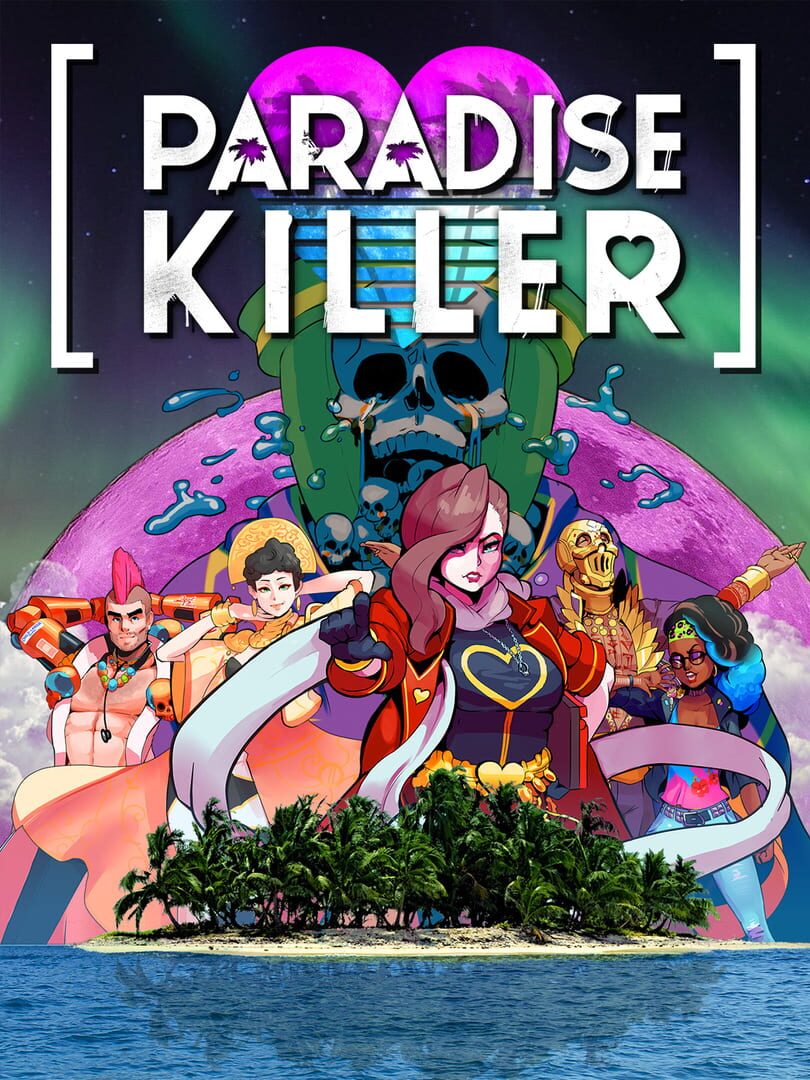
However, Paradise Killer will gradually win you over. Part of its smart design is letting you begin the endgame trial, where you'll make your final accusations, whenever you like, giving you complete control over the outcome. When you're satisfied you know what happened, you can start proceedings and present your case — there is no single correct answer. Combined with a great, low-tech aesthetic and an excellent soundtrack, and this is a game with both style and substance.
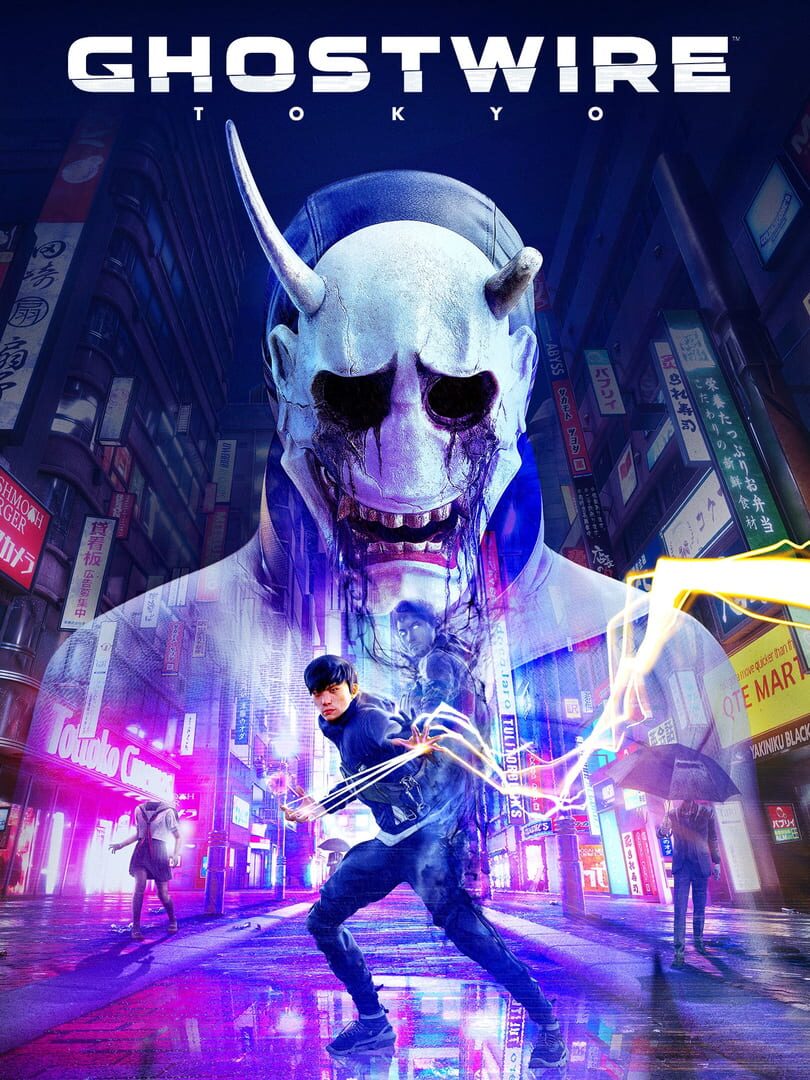
Ghostwire: Tokyo feels like a step back from what Tango Gameworks has produced in the past. While its combat system is fun in bursts, it becomes repetitive far too quickly. The open world is jam-packed with busywork, and the story doesn't go anywhere interesting either. Excellent PS5 DualSense controller support, haunting elements, and nice visuals aside, Ghostwire: Tokyo will have to go down as a miss.
There's surprising scope in the game — you can dismantle items to get materials, which you can then combine into new weapon modules. There are side missions and mini-games, like serving cocktails to earn money. It's also kind-of open world, albeit a very small one. While the ambition is admirable, overall we feel the game comes across as quite unfocused. It's an enjoyable experience, and everything here is reasonably good, but the result is a game that doesn't really shine, save for its rainy, neon-infused aesthetic.
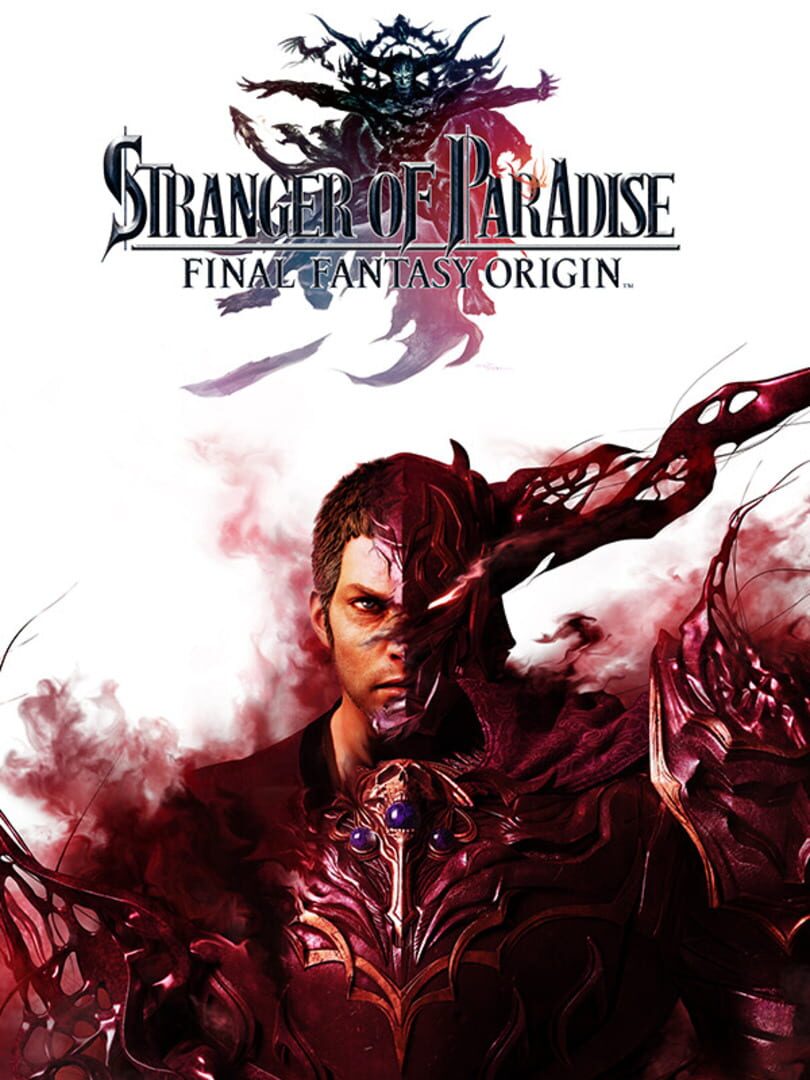
Stranger of Paradise: Final Fantasy Origin thinks that it's Daniel Craig's James Bond but it's actually Austin Powers. There's barely a moment in the game that isn't stretching credulity, be it the absurd writing, bewildering story, or inane characters. There's a host of technical issues, too. But somehow, despite everything, it manages to fail upwards and be a pretty good time. Maybe we've lost the plot but we liked it.
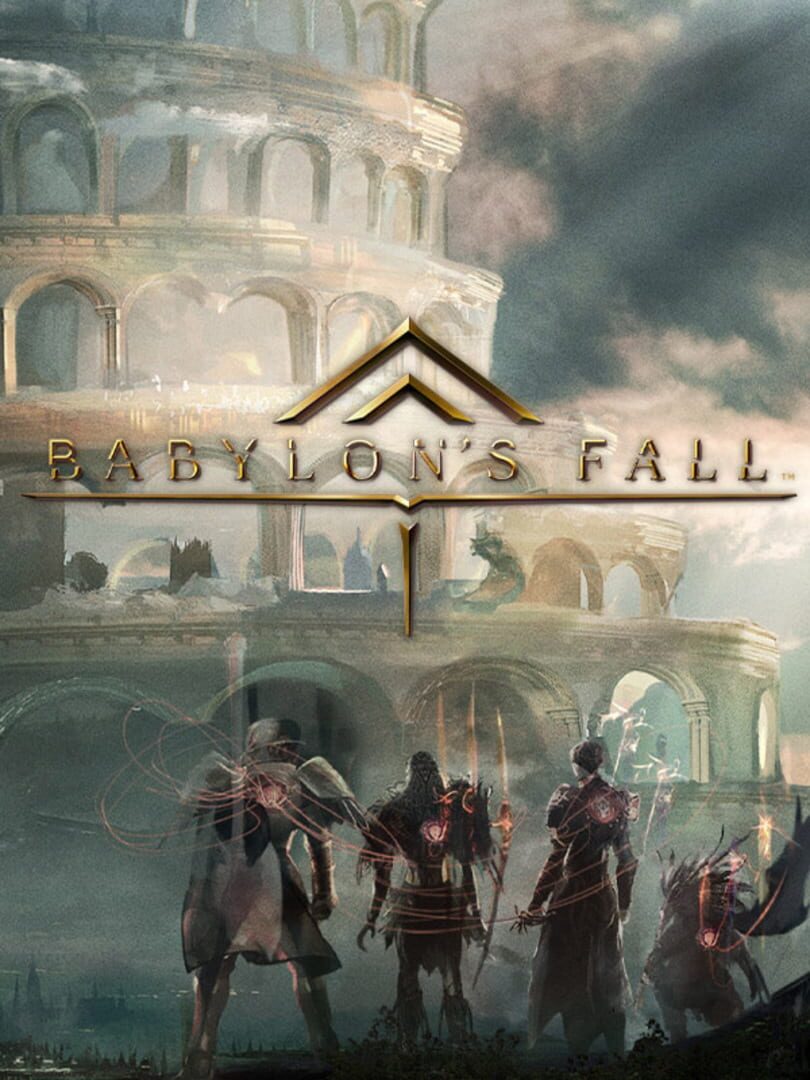
Given the nature of live service titles it's possible that Babylon's Fall could see a phoenix-style resurrection with some rebalancing, but somehow, we doubt it. Hopefully this absolute misfire doesn't signal a profound change in direction for Platinum Games; this title had a troubled conception and it shows, but rather than iterate on things, we'd rather see a return to single player dominance. There's just nothing about Babylon's Fall that warrants going back to the drawing board. Except for that fantastic boss battle in which you race the Batmobile against those jorts-clad pink elephants. Oh wait, that was just a dream we had when the game put us to sleep.