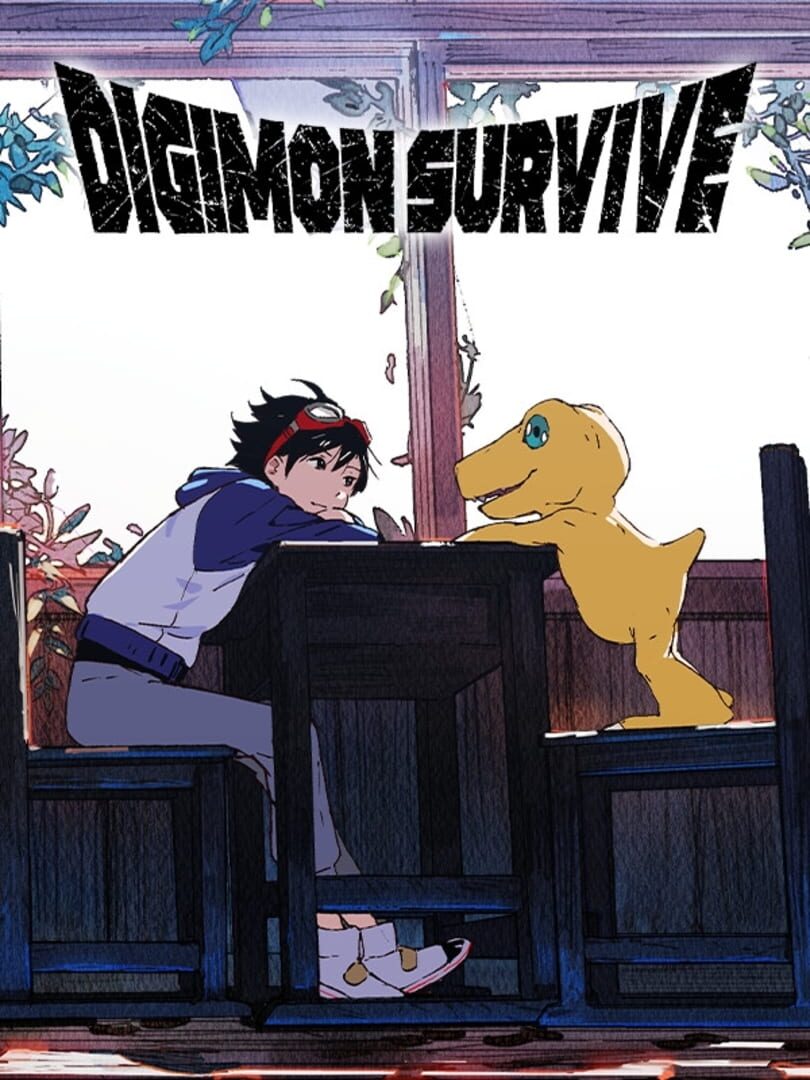
Digimon Survive's uniquely dark take on the standard Digimon storyline is enough to carry a title that's sometimes poorly paced and basic in its approach to gameplay. A visual novel with RPG elements bolted on, it's difficult not to feel as though the creature taming and combat aspects of Survive could have been bigger and better. But ultimately, a mix of endearing characters and eye-opening plot points make this another worthwhile adventure in the digital world.
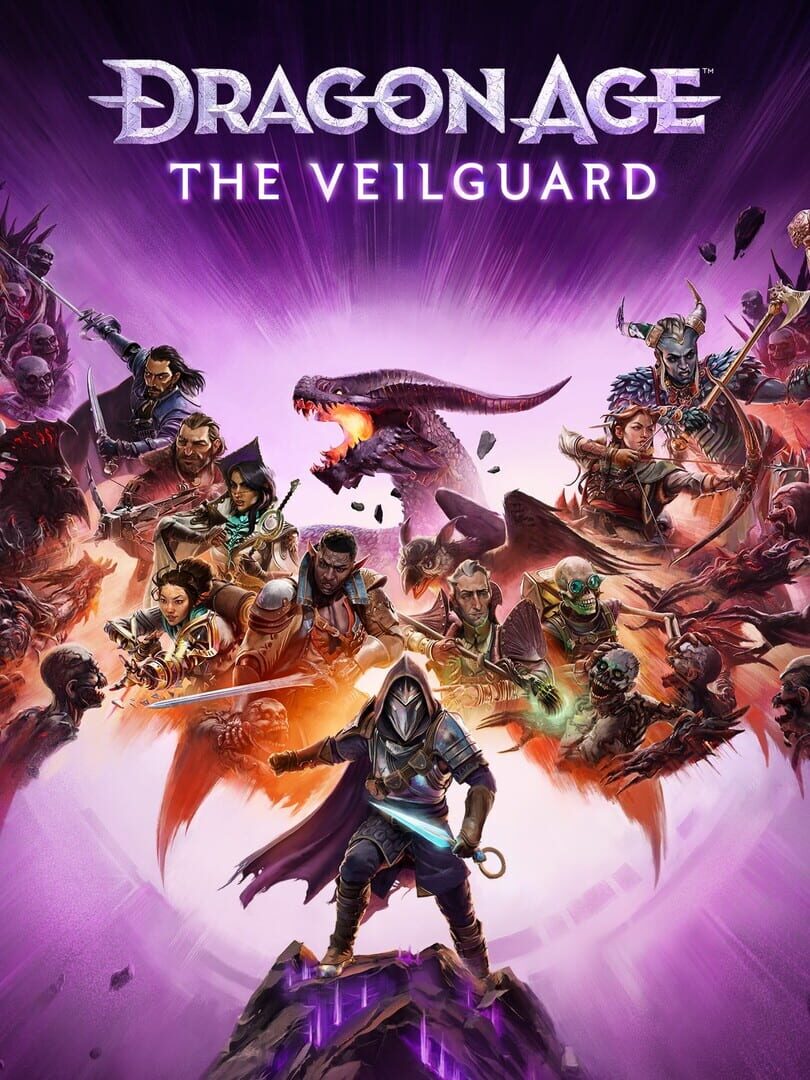
Dragon Age: The Veilguard isn't quite BioWare back to its absolute best, but it is the most cohesive and emotionally engaging RPG that the studio has delivered since Mass Effect 3. Its shift to crunchy action combat is an improvement over Inquisition's middle-of-the-road approach, and although the game feels a little light on meaningful player choice, the storytelling pulls no punches when it actually matters. This is a gorgeous and gripping adventure, backed by a cast of endearing heroes and deliciously devious villains.
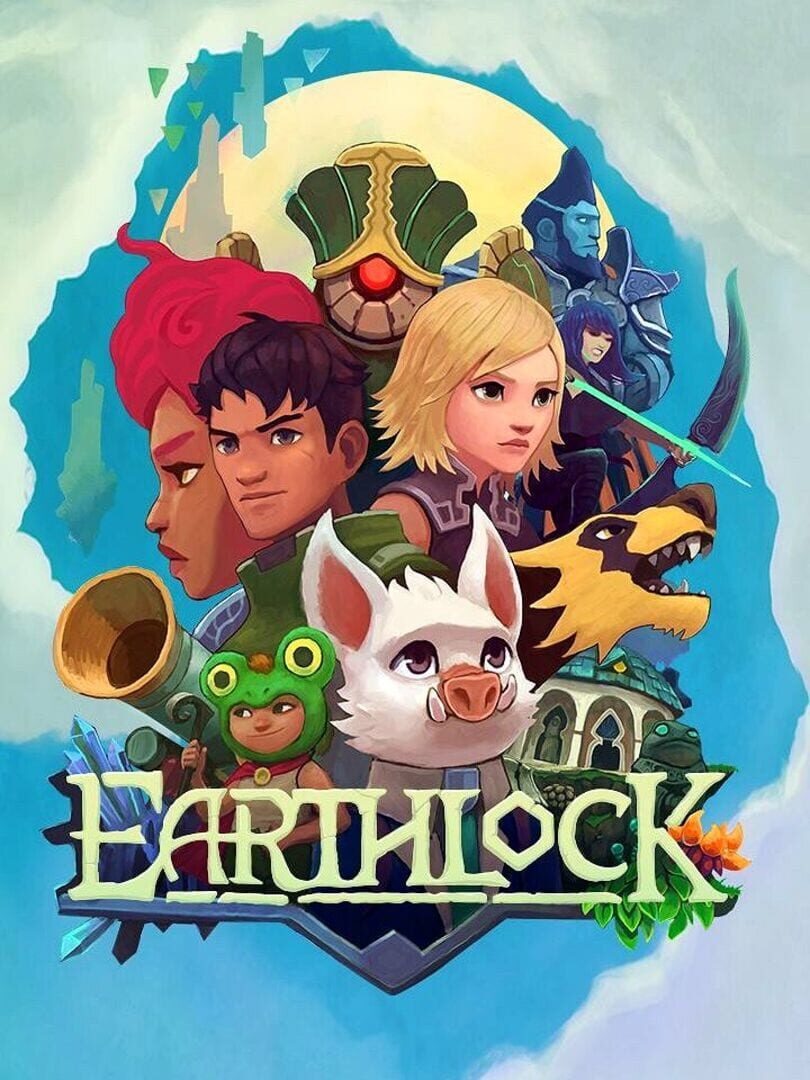
Earthlock: Festival of Magic is a surprisingly hardcore RPG that belies its child-friendly surface. Teeth-gnashing boss battles can almost always be overcome with careful consideration and patience, and, when you find the solution, you'll wonder why you were even annoyed in the first place. The story is guff with a set of bland characters that do little more than move you from place to place, but you could do worse.
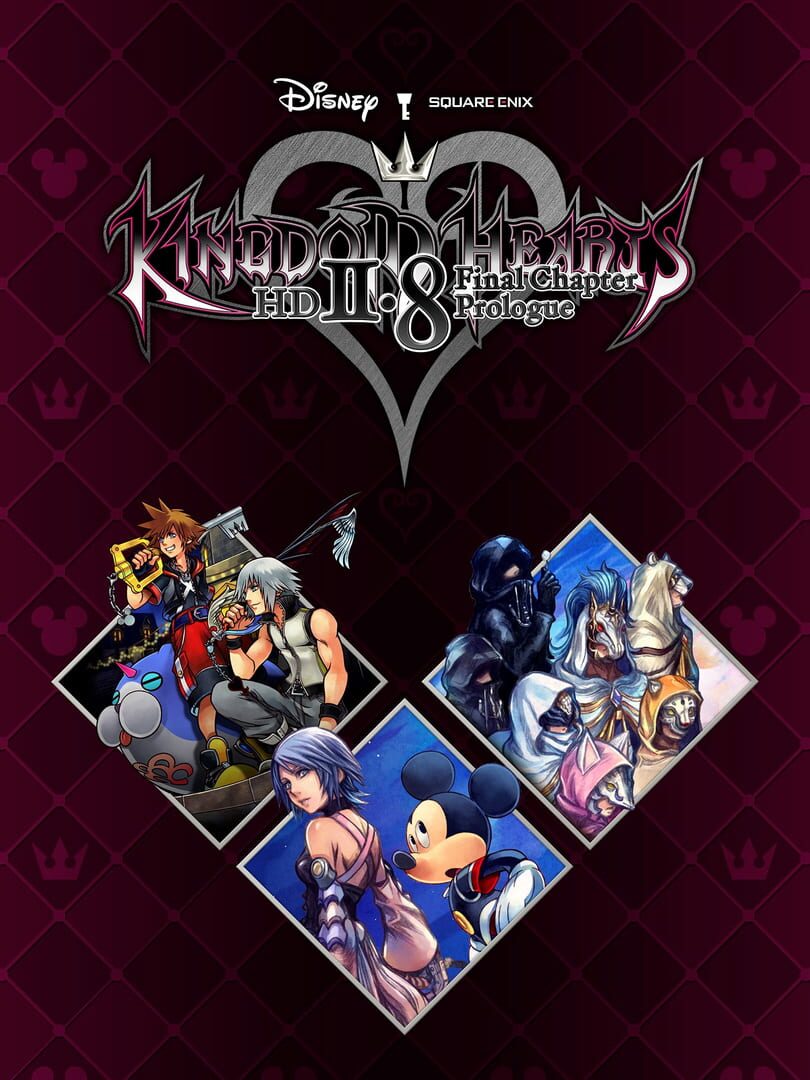
Kingdom Hearts HD 2.8 Final Chapter Prologue is a strong but unnecessarily pricey collection for die-hard fans, especially for those who don't intend to play Dream Drop Distance. For those who do, it most certainly is a wonderful game that has undergone an admirable transition between platforms. With a fair film and enticing episode in tow, there's only so much more our hearts can bear in anticipating Kingdom Hearts III.
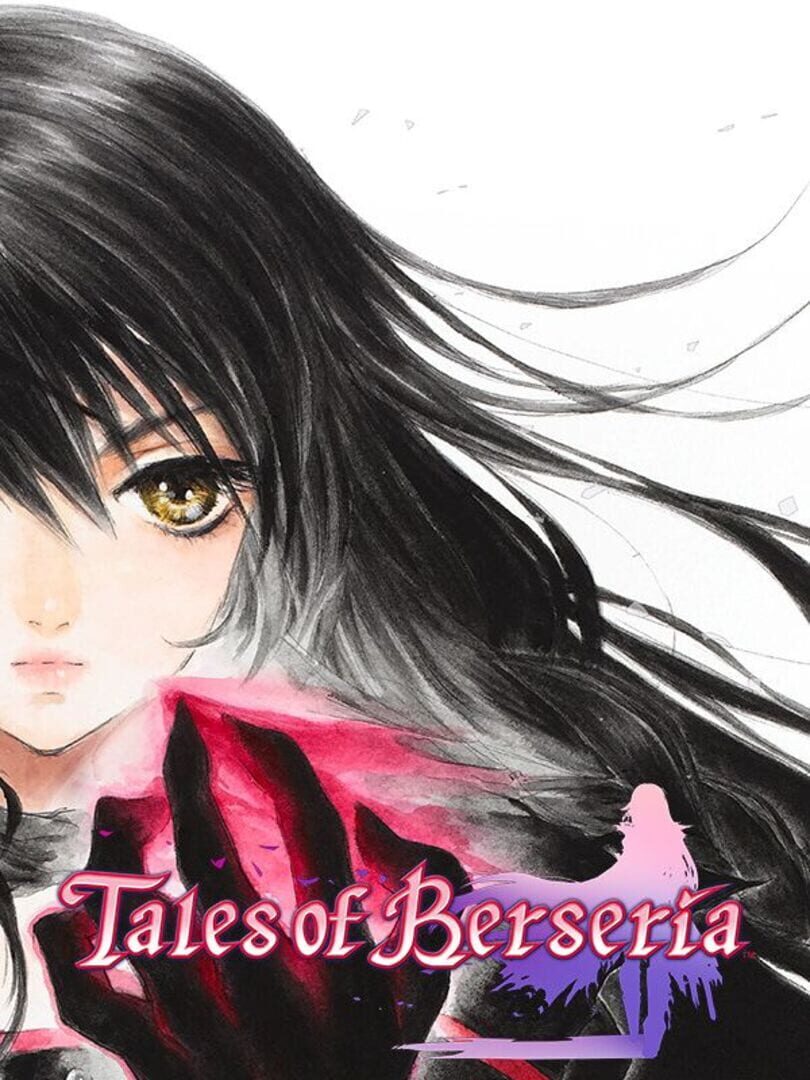
Tales of Berseria takes a positive turn with a much darker theme, a great cast of characters, and perhaps the best storyline that the series has seen for quite some time. The fast and tactical battle system is also a definite step up, but the game is starting to look dated and needs to lose its last-gen shackles. For those disillusioned fans of recent Final Fantasy outings, however, Tales of Berseria might just be the game that they're looking for, with a more traditional Japanese RPG setup that sticks closely to what it knows, while offering a new and exciting narrative direction.
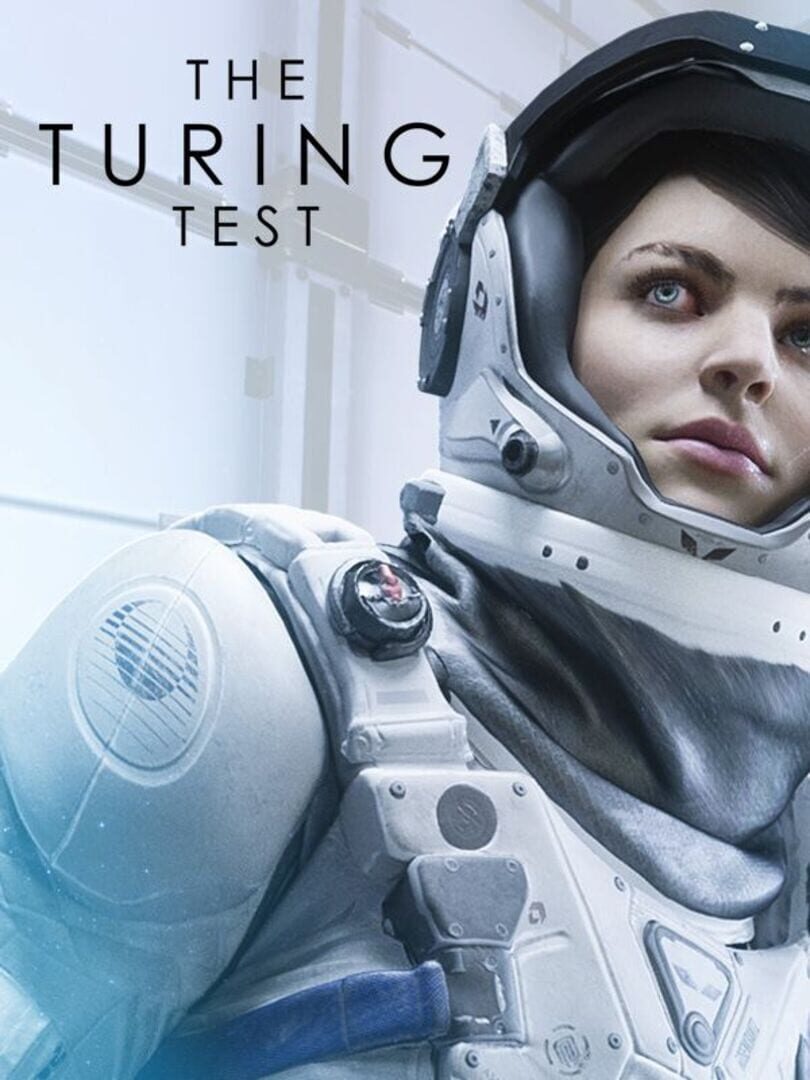
The Turing Test is both a thoughtful meditation on the implications of artificial intelligence, and a competent first person puzzler. Its systems are clever, its graphics make for unambiguous play, and its mechanical focus on logic is satisfying. Structural and pacing issues are certainly present, but they aren't egregious enough to meaningfully detract from the experience.
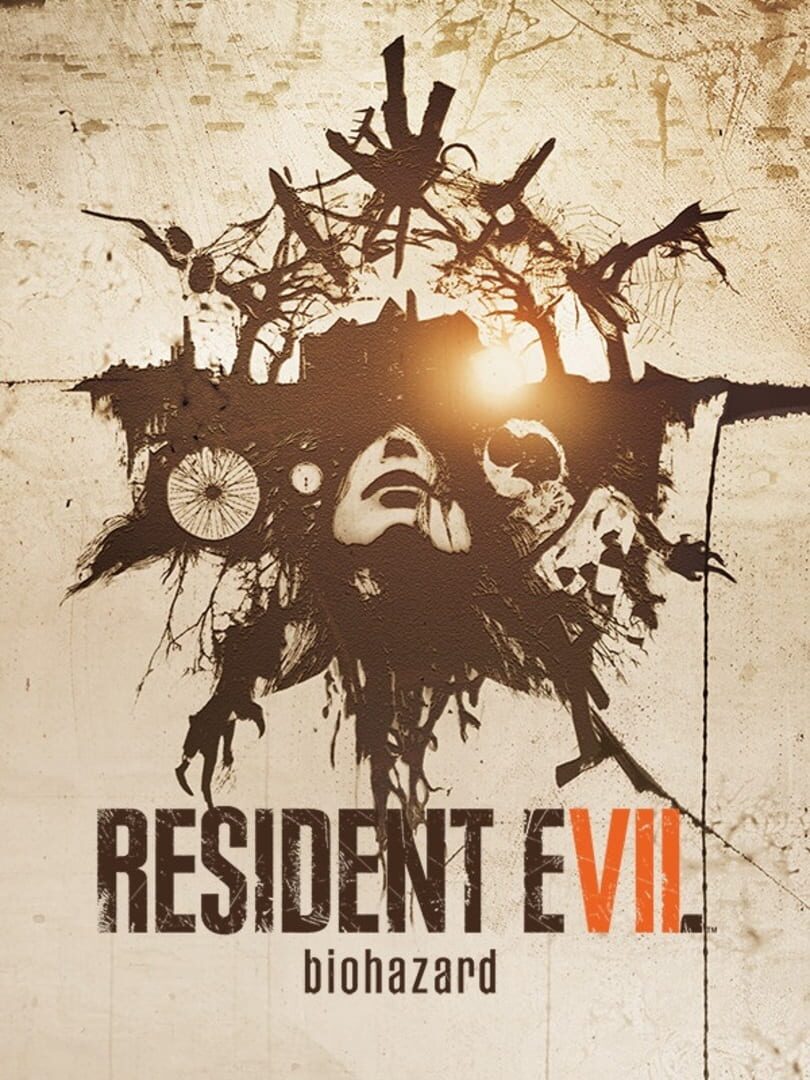
At its very best, Resident Evil 7: Biohazard is a barnstorming survival horror with some truly brilliant boss fights. Granted, the game isn't always able to maintain its own high standards, but it eclipses its abysmal predecessor with ease. While it borrows ideas from a variety of different sources, it manages to feel both original and old-school all at the same time. And even though fans are likely to be divided by the release's direction, make no mistake: this is the change that the series has needed for quite some time.
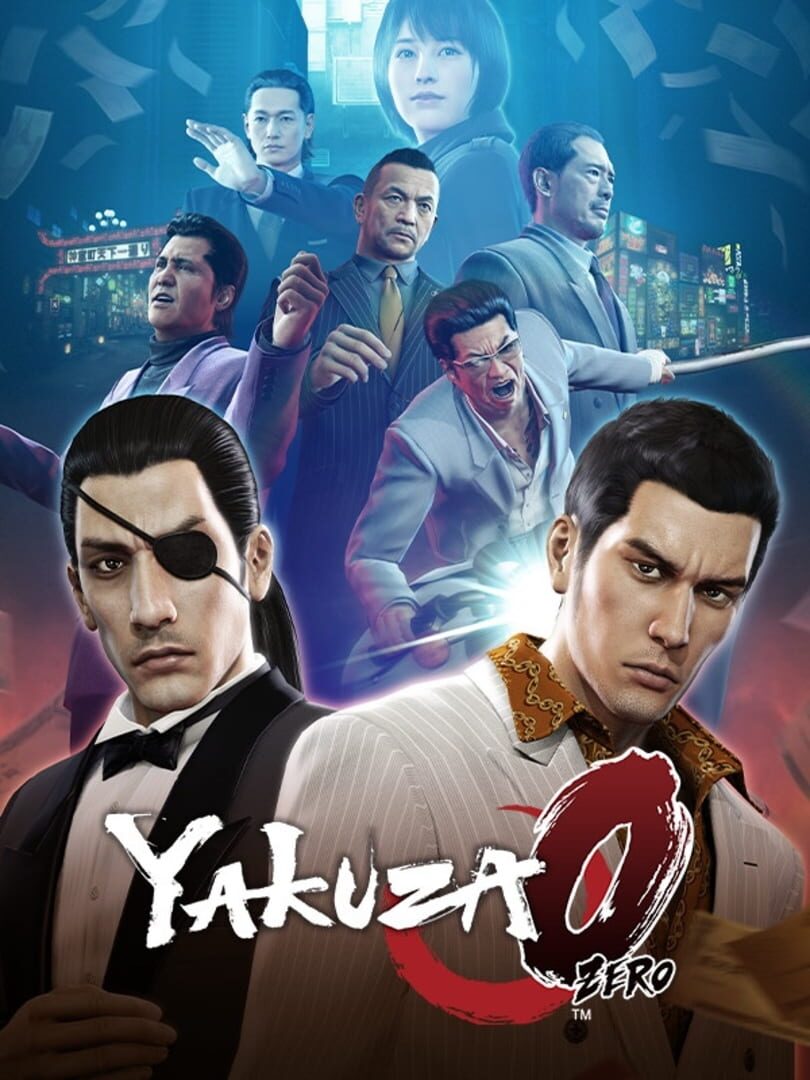
At this point, the property's trademark formula is seriously starting to wear thin, but when it comes down to it, there's nothing quite like Yakuza 0. It combines unapologetically mature themes and violence with brilliantly dumb minigames and hysterical side quests, resulting in a thoroughly memorable experience. Bolstered by a gripping story that's packed with great characters, fans of Japanese games or even Japanese culture owe it to themselves to give this a prequel a shot. Yakuza 0 is fantastic place to start a love affair with Kamurocho's finest, and what's more, it's one of the best entries in the series to date.
Xenoraid does do a lot to try and stand apart from the deluge of similar games out there, and it should be commended for that effort. But with its lack of refinement, progression resetting, and fairly bland overall presentation, it's unlikely we'll be looking back on this one a year from now.
A rock solid hack and slasher, Fate/Extella: The Umbral Star offers non-stop, totally over-the-top action from a fantastically fun cast of playable characters. Our only real complaint is that repetition can bleed into the experience over time, but give yourself a few days to recover from the fatigue, and you'll come back to a welcoming brawler that's stuffed with content. It's not quite up there with the best musou games on the market, but The Umbral Star scratches that button bashing itch and then some.
The Flame in the Flood is a superb rogue-like survival game with a deep crafting system, charmingly beautiful presentation, and challenging gameplay that entices you back time and time again to try and best your previous run. If you're a survival fan and you're in a dry spot for games at the moment, we suggest you jump right into this one. Well, assuming that you can swim of course.
Siegecraft Commander is a good idea which very nearly works. There is a lot of game packed in, and if a decent multiplayer community can be formed then it could be a fun one to be part of. The problem is the wonky control system which never quite feels right and undermines much of the good stuff on display.
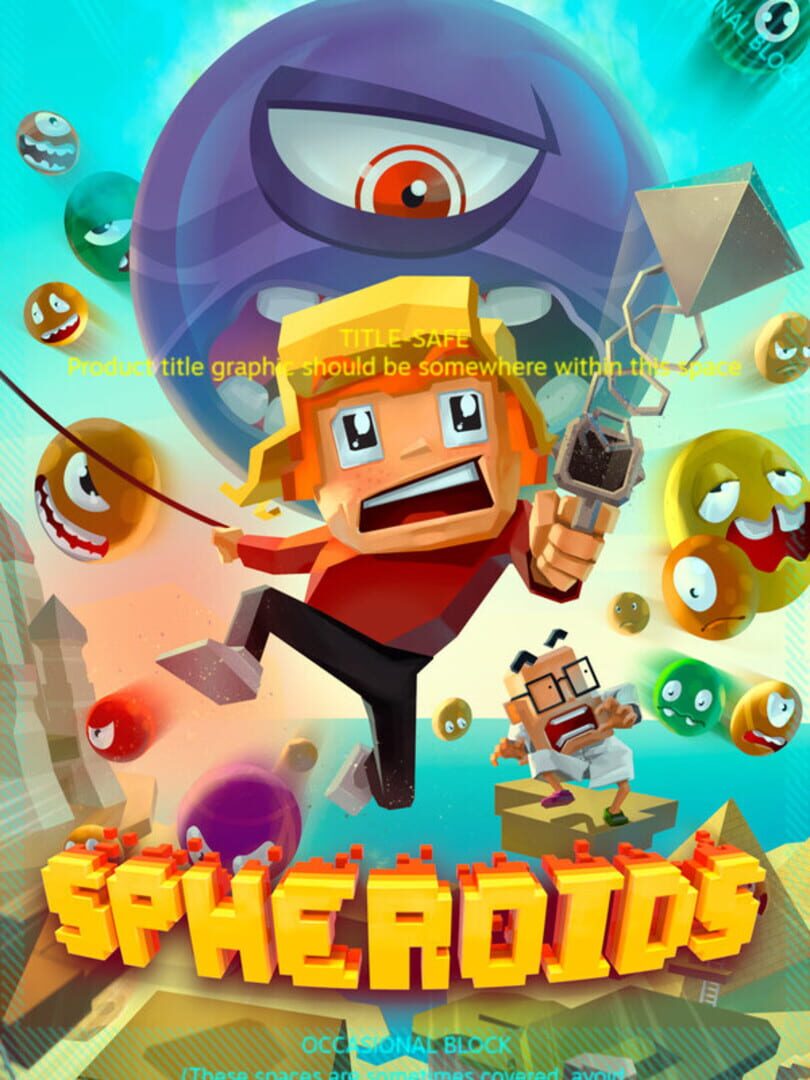
While Spheroids is relatively fun in its early stages and does the basics well, it ruins itself by adding in too much complexity too quickly without thought. The levels are formulaic, frustrating, and suffer from quite a few glitches and bugs, while the story is almost non-existent, the cutscenes awkward, and the ending abrupt.
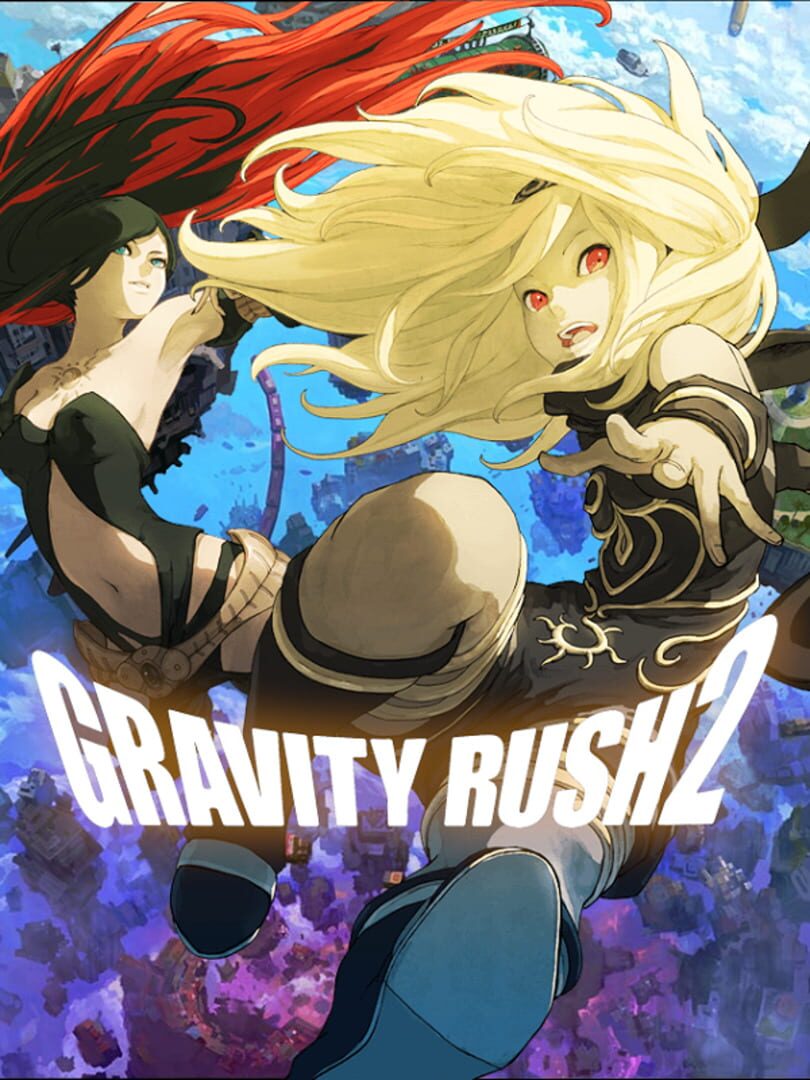
Even though the core of Gravity Rush 2 remains largely unchanged, you'll be hard pushed to find a fresher open world title in a sea of Grand Theft Auto and Assassin's Creed clones. Kat's traversal mechanic is still among the most satisfying that the sandbox genre has to offer, and an endearing cast of characters means that you'll actively want to spend time in their world. The combat and mission structure may still be this series' biggest shortcoming, but colourful scenarios mean that you'll stick around long enough to see the sizeable story and its many side-quests through. So, while not everyone will be dazed by what this release has to offer, the sequel should at the very least ensure that existing fans continue singing Kat's chorus.
The core Hatsune Miku gameplay has barely changed, so if you liked it before, you'll like it now. The most compelling case for picking up Project DIVA Future Tone lies in the options you're given as to how much of the game you want to buy. While the free, base package won't give you much to sink your teeth into, either of the reasonably priced add-on packs offer an awful lot of bang for your buck, and combined they make up the most robust and complete version of Hatsune Miku ever released.
Momonga Pinball Adventures is a very simplistic pinball game with a very short story, pick-up and play controls, and ball physics that require a bit of tweaking. There's nothing here that stands out, but it'll still be good for keeping the children quiet for an hour or so, with it's not too taxing difficulty.
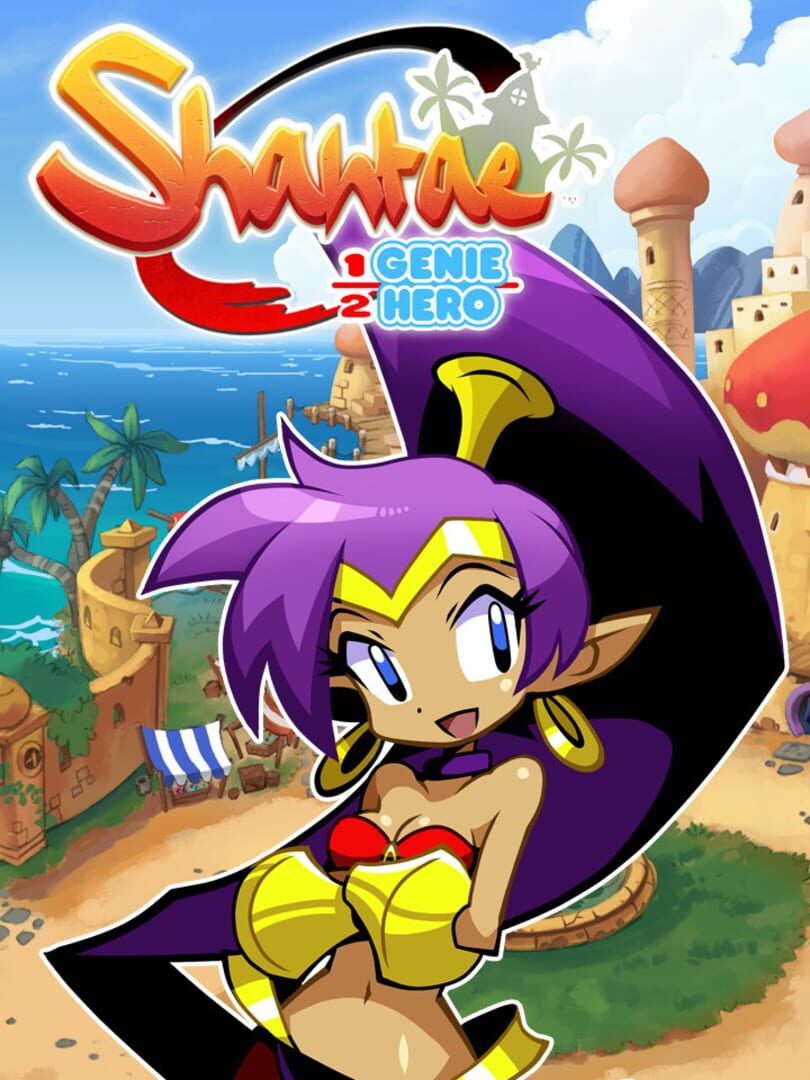
All told, Shantae: Half-Genie Hero is a very solid Metroidvania-esque platformer that caters to fans old and new. Everything that is loved about this series remains, while a brand new art style and a simple story put the barrier to entry very low. There's a lot of backtracking, and we found the combat to be a bit shallow, but the gameplay is largely very good, and you'll constantly be switching forms as you explore and hunt down everything the game has to offer. It's wonderfully light-hearted and doesn't take itself seriously, which is sadly quite rare these days. If you're after a tightly designed platformer with memorable characters and varied gameplay, Half-Genie Hero is here to grant that wish.