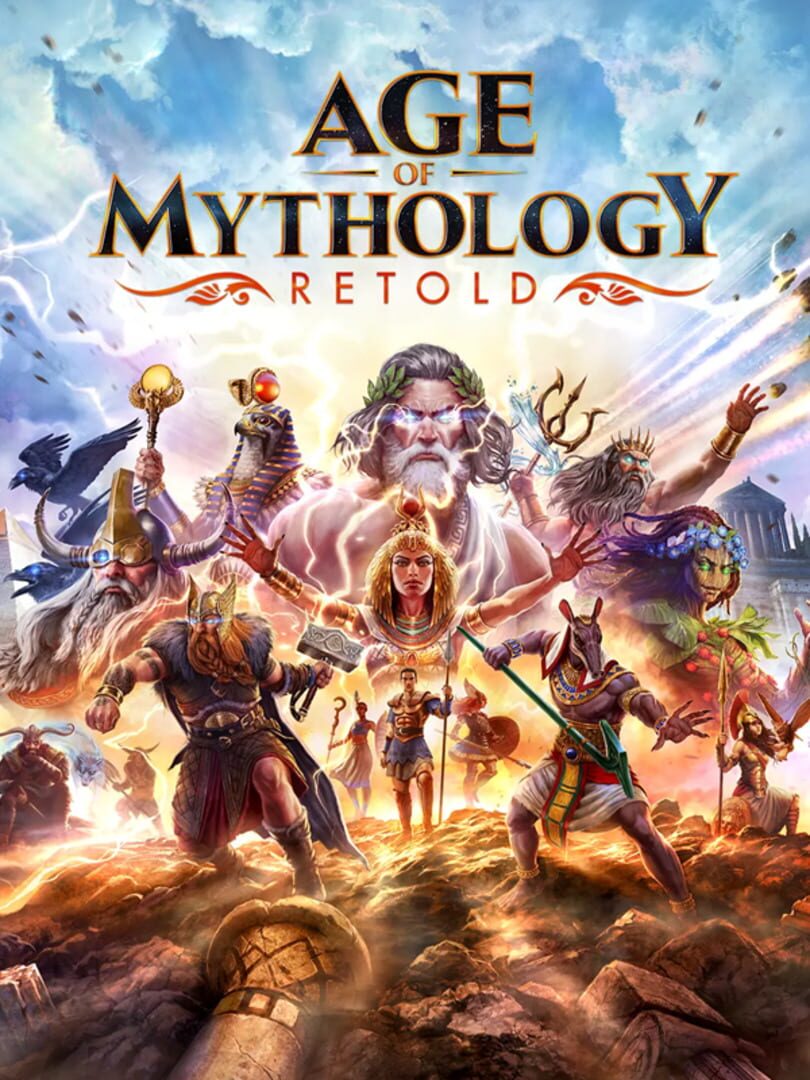
there's no denying that Age of Mythology’s gameplay can feel simplistic, which is ironic, considering how influential the series has been. Having played a bunch back in the day, the missed campaigns are appreciated, but we can’t see ourselves regularly returning to the well.
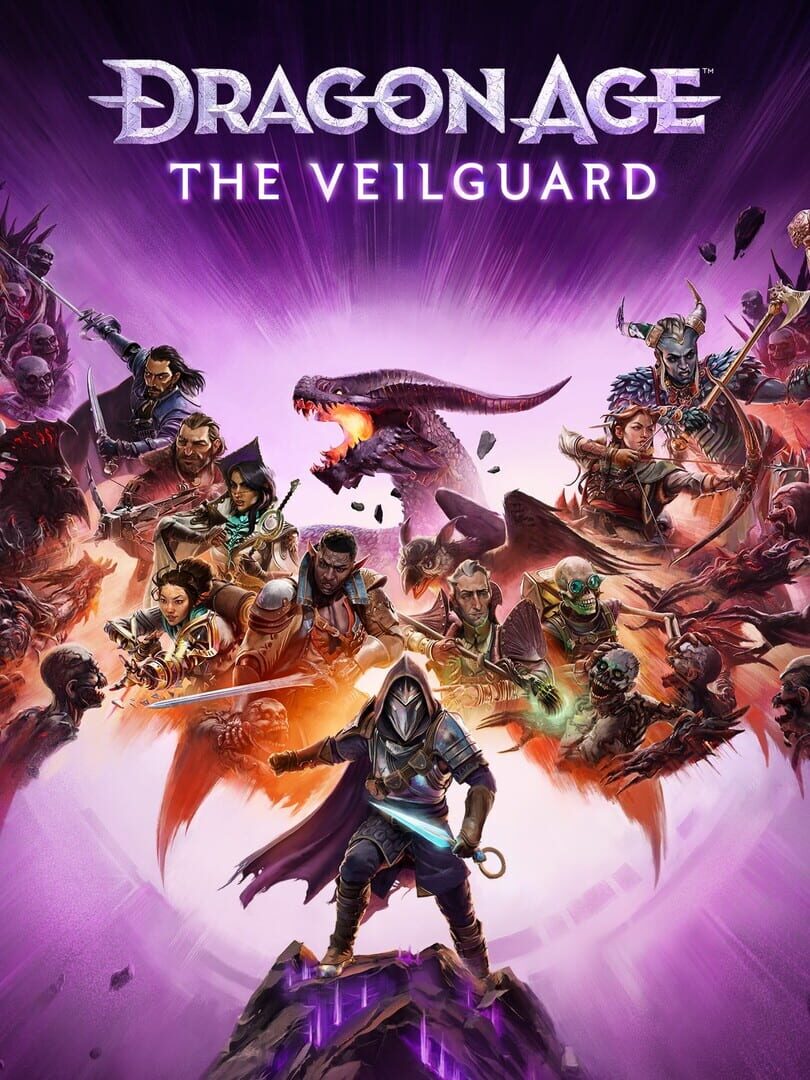
Dragon Age: The Veilguard isn't quite BioWare back to its absolute best, but it is the most cohesive and emotionally engaging RPG that the studio has delivered since Mass Effect 3. Its shift to crunchy action combat is an improvement over Inquisition's middle-of-the-road approach, and although the game feels a little light on meaningful player choice, the storytelling pulls no punches when it actually matters. This is a gorgeous and gripping adventure, backed by a cast of endearing heroes and deliciously devious villains.
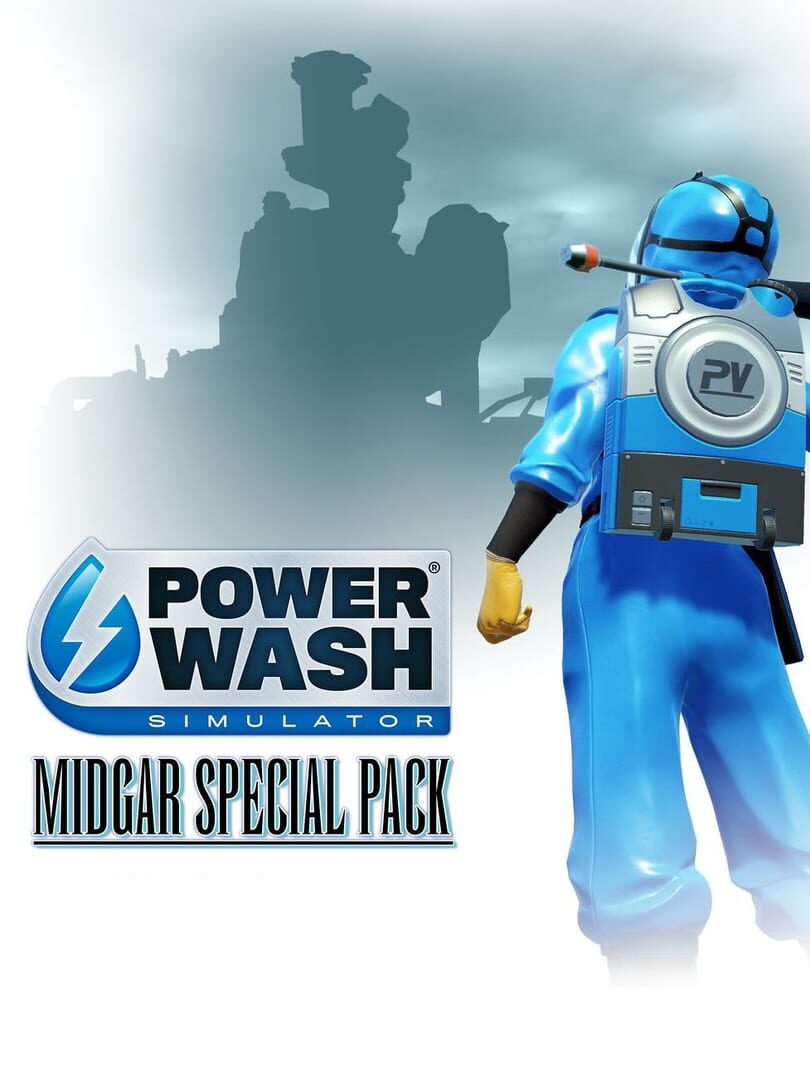
Ultimately, this is just more PowerWash Simulator — more stuff for players to sweep clean with its satisfying, soothing gameplay. It's not adding anything else, really, but the appeal of getting up close and personal with some of FF7's recognisable props and environments is neat in its own way. It offers up a novel new perspective on the beloved title that'll please both sides of this unique collaboration.
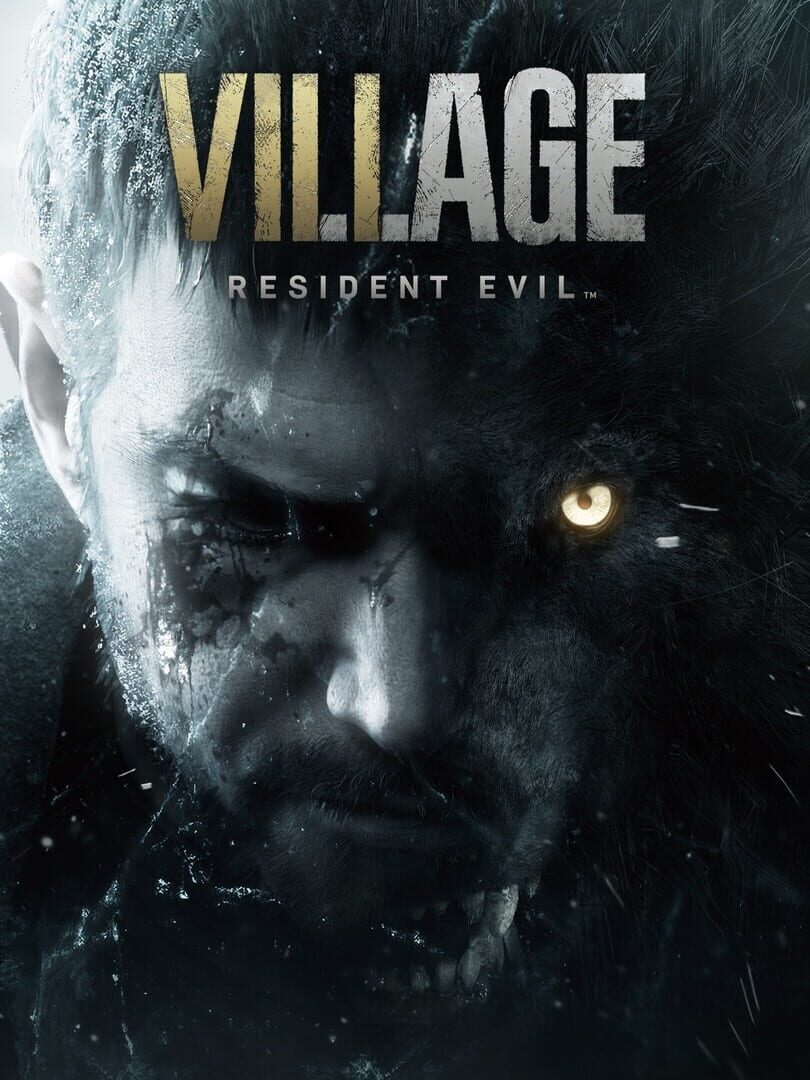
Capcom has translated the Resident Evil Village experience to VR in supreme style, but it comes with a few caveats. Some of the cinematic spectacle is lost, and you'll need to battle fiddly animations just as much as the werewolves dominating the remote village. Still, wonderful VR graphics, welcome comfort options, and great haptic feedback support make it a PSVR2 must-play.
What you’re left with is a solid VR showcase game, but the good-not-great music, and the hit detection issues ultimately hold it back from being anything more.
Scars Above is a more appealing prospect than it is a final product - an interesting premise that's ultimately lost amidst repetitive gameplay and mundane design. Some aspects of it are genuinely intriguing, if underexplored, but simply reaching for the stars alone is no guarantee of ever actually leaving orbit, let alone getting off the ground - and recommending this experience over any other is a bit rich, even for the lower asking price.
Cave Digger 2 is no technical showpiece, and annoying little issues do have a tendency to pop up just often enough to be a distraction. Pickaxe swings often don’t register right, you can find yourself lodged into nearly inescapable crannies, and hand tracking has a tendency to bug out occasionally. So, Cave Digger 2: Dig Harder is still a delightful diamond in PSVR2’s launch catalogue, but its intermittent issues and wanting variety cause it to lose some of its lustre.
During our playthrough, however, we encountered several bugs with machinery getting stuck and items falling through the bar and not resetting to their default positions, making it impossible to complete orders. All the problems we found were solved with a quick restart of the level, but when it occurred multiple times it turned out to be quite the inconvenience. We also noticed the lack of any implementation of PSVR2’s newest features: headset haptic feedback, adaptive triggers, and eye-tracking all appearing to be absent from this PSVR port.
Ultimately, what you're left with is the definitive version of the game, even with the changes being relatively slight. It was one of the best games on PSVR back in the day, and the same can be said for its port on PSVR2.
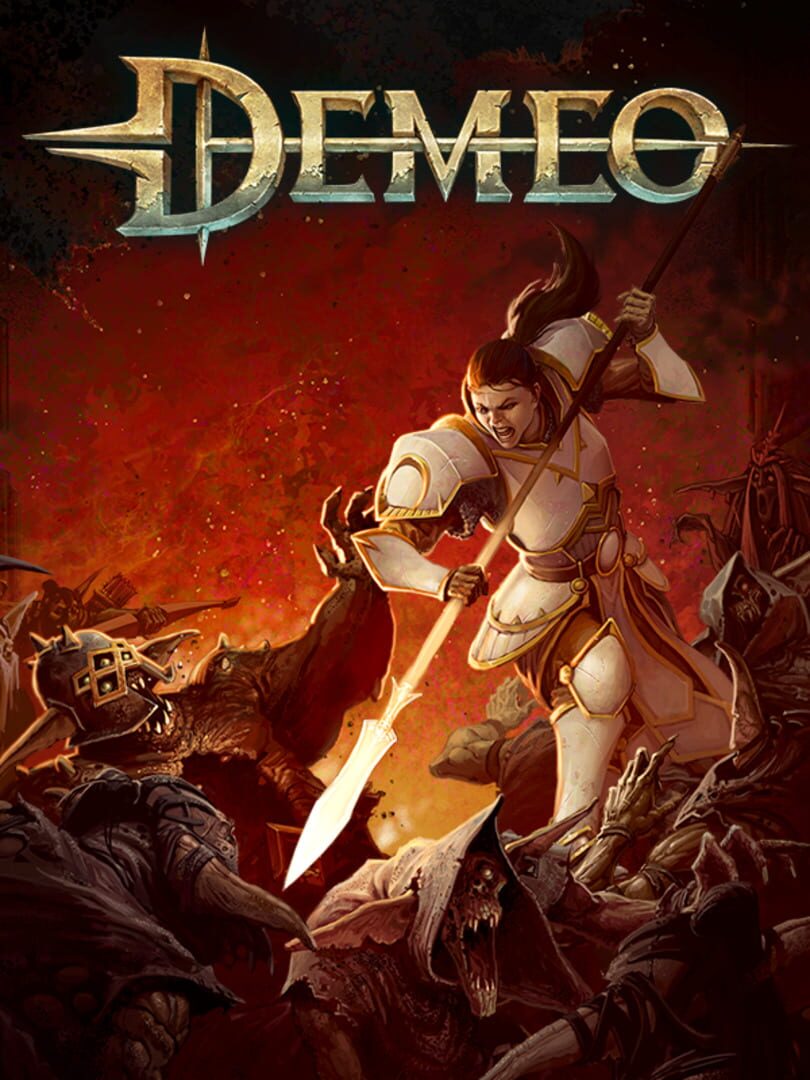
Whether you have a group of friends to play with or feel like conquering the campaigns alone, you’ll have a blast no matter what. Demeo is easy to pick up and difficult to master, although it should be noted that the social space Heroes Hangout is inexplicably absent from this version. Nevertheless, it has a slew of content, a fun and strategic gameplay loop, stunning visual detail, and superb virtually reality implementation that all help to create a fully immersive tabletop title like no other.
Do well and everyone is happy and they might leave tips. You can spend your hard-earned coin on new cooking equipment, décor for your bistro, furniture, that kind of thing. As you progress, you learn new recipes, and you can add new flourishes to old ones. Eventually you get more chefs you can lead to help you out. And if you're really struggling there's options to lower the difficulty significantly, which makes the game quite chilled out if that's more your thing.
The core loop is a simple one, but it’s not as instantly addictive as many of the other games from Atari's prime. While it’s satisfying to pull off a huge combo, and requires a surprising degree of strategy, by the time you’ve played through the core 50 levels of the game, you won’t be as anxious to dive back in as you might hope.
This mashup of shooter, stealth, and RPG wears its influences proudly but rarely matches them. Its alt-history setting is interesting and there are plenty of ways to approach the robot-killing, but these elements are at odds with messy storytelling and characterisation.
While it does feel quite scrappy, and you will have to spend a bit of time setting the title up to your tastes, we reckon this is a fair trade given the ridiculously low price point. There is local multiplayer if you want to play with family and friends, which extends to a nifty little tournament mode, too. So, if you’re in the mood for some multiplayer baseball, you really can’t go wrong here.
Theatrhythm: Final Bar Line is an impressive feat. We hit credits on it, but we feel like we've only scratched the surface of its colossal 400+ song list. The love and passion for the series is apparent throughout every inch of this project, and we'd recommend it to anyone interested in rhythm games. Packed with absolute bangers, Final Bar Line will keep you busy for a long time.