there's no denying that Age of Mythology’s gameplay can feel simplistic, which is ironic, considering how influential the series has been. Having played a bunch back in the day, the missed campaigns are appreciated, but we can’t see ourselves regularly returning to the well.
Dragon Age: The Veilguard isn't quite BioWare back to its absolute best, but it is the most cohesive and emotionally engaging RPG that the studio has delivered since Mass Effect 3. Its shift to crunchy action combat is an improvement over Inquisition's middle-of-the-road approach, and although the game feels a little light on meaningful player choice, the storytelling pulls no punches when it actually matters. This is a gorgeous and gripping adventure, backed by a cast of endearing heroes and deliciously devious villains.
Do well and everyone is happy and they might leave tips. You can spend your hard-earned coin on new cooking equipment, décor for your bistro, furniture, that kind of thing. As you progress, you learn new recipes, and you can add new flourishes to old ones. Eventually you get more chefs you can lead to help you out. And if you're really struggling there's options to lower the difficulty significantly, which makes the game quite chilled out if that's more your thing.
The core loop is a simple one, but it’s not as instantly addictive as many of the other games from Atari's prime. While it’s satisfying to pull off a huge combo, and requires a surprising degree of strategy, by the time you’ve played through the core 50 levels of the game, you won’t be as anxious to dive back in as you might hope.
This mashup of shooter, stealth, and RPG wears its influences proudly but rarely matches them. Its alt-history setting is interesting and there are plenty of ways to approach the robot-killing, but these elements are at odds with messy storytelling and characterisation.
While it does feel quite scrappy, and you will have to spend a bit of time setting the title up to your tastes, we reckon this is a fair trade given the ridiculously low price point. There is local multiplayer if you want to play with family and friends, which extends to a nifty little tournament mode, too. So, if you’re in the mood for some multiplayer baseball, you really can’t go wrong here.
Theatrhythm: Final Bar Line is an impressive feat. We hit credits on it, but we feel like we've only scratched the surface of its colossal 400+ song list. The love and passion for the series is apparent throughout every inch of this project, and we'd recommend it to anyone interested in rhythm games. Packed with absolute bangers, Final Bar Line will keep you busy for a long time.
The wait has been worth it: Like a Dragon: Ishin! is another great instalment in RGG Studio's series. An often gripping story is made even better by the game's historical leanings, while a rewardingly intricate combat system gives the gameplay an addictive hook. Add all of those typically barmy Yakuza side activities into the mix, along with some delightful references to past games, and you've got the makings of a fan favourite.
Octopath Traveler II presents enough rich, turn-based action to forgive its minor combat system flaws. It's a breath-taking work of art, filled to the brim with story and adventure, bolstered by a cast of incredible characters who will leave you wanting more at every turn. A masterfully crafted RPG.
Wild Hearts is, at times, an utterly thrilling game. It's a game that will leave you kicking yourself for a poorly timed dodge or a missed opportunity, and jumping out of your chair when you finally topple a troublesome foe with a last-ditch, go-for-broke attack. There's a handful of technical issues, a mite too much repetition, and some quibbles about the difficulty, but the core monster hunting experience is spectacular enough that the joys far outweigh the frustrations.
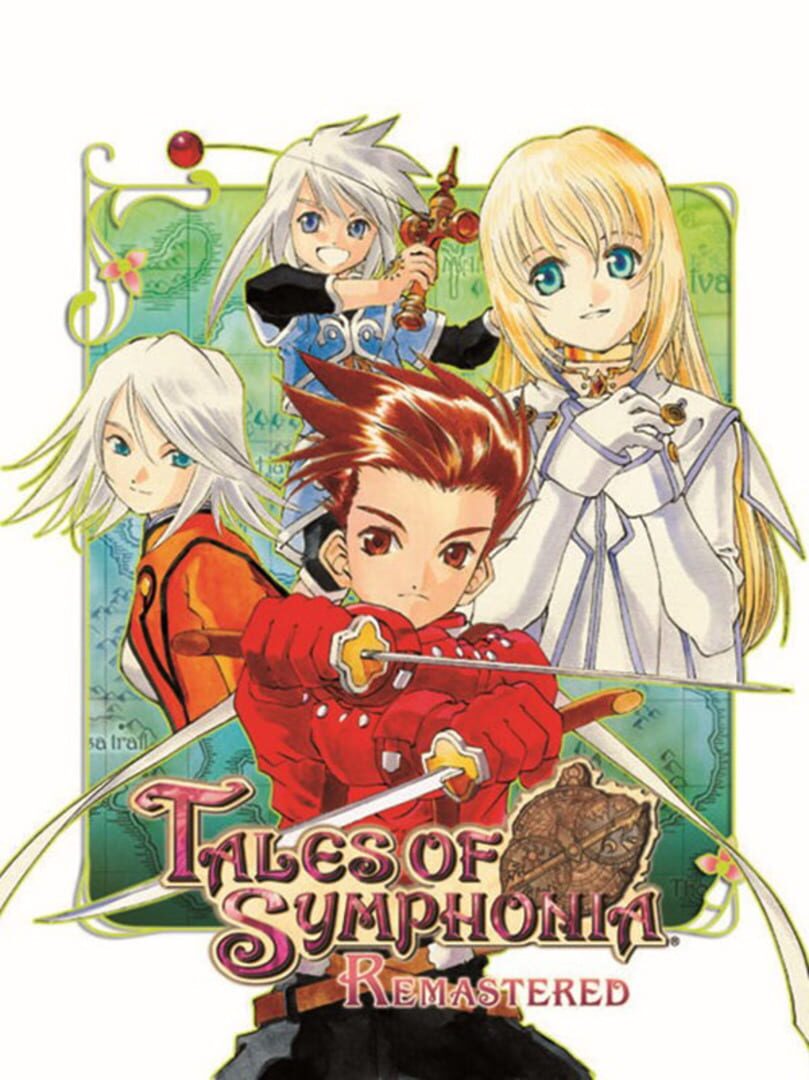
Close to two decades later, Tales of Symphonia Remastered is a reminder of how neatly crafted the original GameCube and PS2 title was. Barring a few rough edges, this is still a great action RPG, full of charm and character. The only real downside is that the remaster itself leaves a lot to be desired.
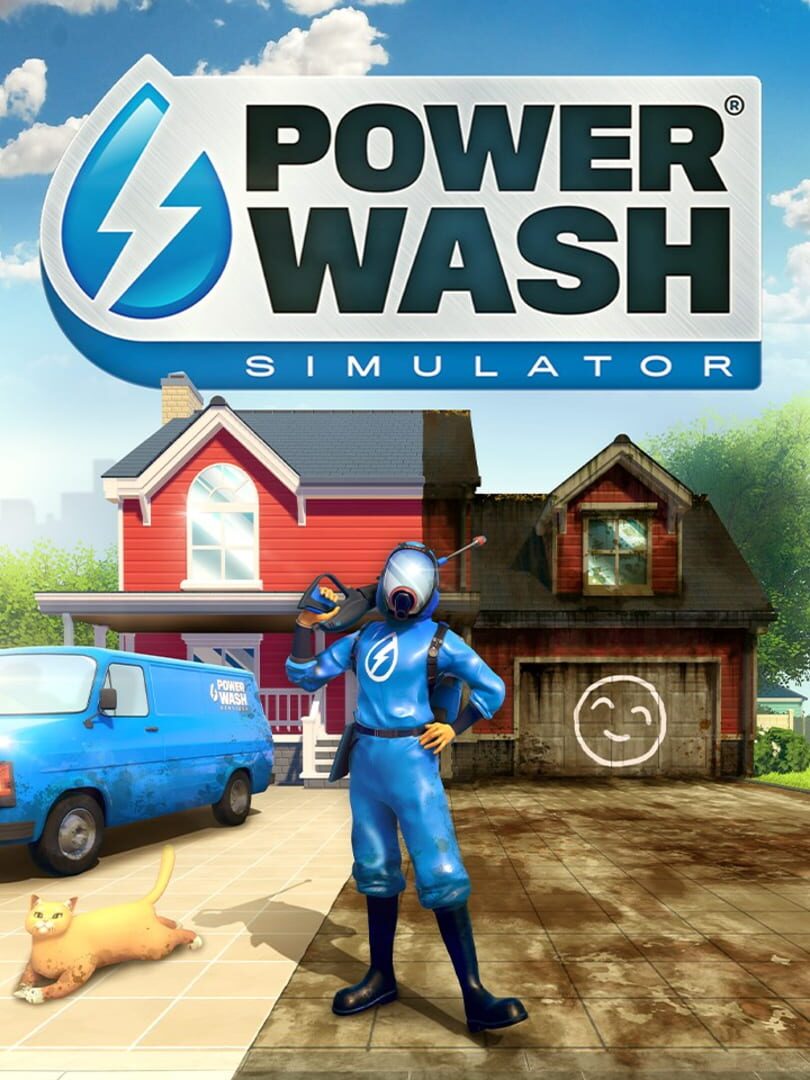
Where we fall slightly out of love is with the fiddly controls. It packs a lot of useful functions onto the controller but it took us a while to figure it all out, and the tutorials are so minimal that some features barely register. It's also a shame the DualSense's capabilities are wholly ignored; this seems a perfect game for all its tricks. Even with any small reservations, though, we can't deny the game is just as engaging, relaxing, and enjoyable as everyone says.
Wanted: Dead is, at its worst, a frustratingly bad action game, but in its inexplicable presentation, nonsensical storytelling, and baffling character dialogue, it's difficult to completely dismiss. There's undeniable fun to be had here in a so-bad-it's-good kind of way, and that might even be enough for the game to secure cult status somewhere down the line. But for now, you'll need to slog through some of the most jank combat in full-price gaming to squeeze enjoyment out of the experience. Wanted: Dead is a truly fascinating mess.
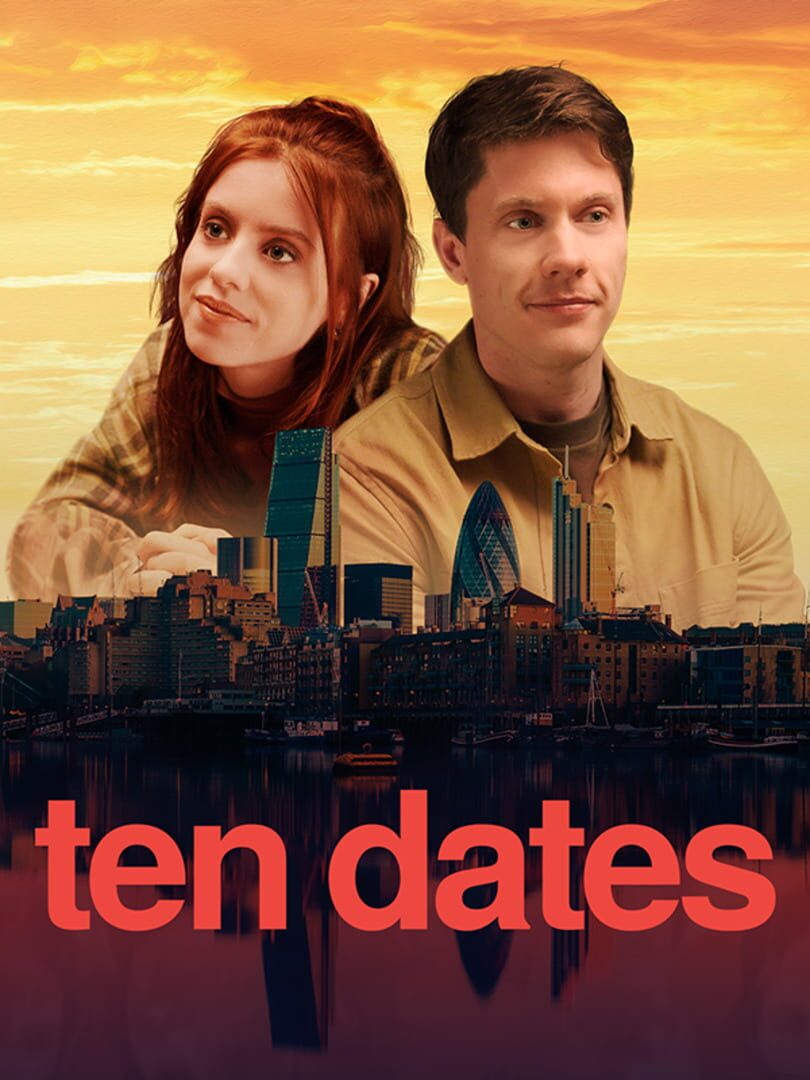
We upset the cliché goth girl who is like, really into horoscopes and stuff. We upset the ow'right guv'nor lad's lad who looked like he was AI generated using only the phrase "probably watches Love Island". We upset the dork student who actually got her book out and started reading it mid-date rather than talk to us. We upset everyone. Speed dating? Spite dating. That's the future.
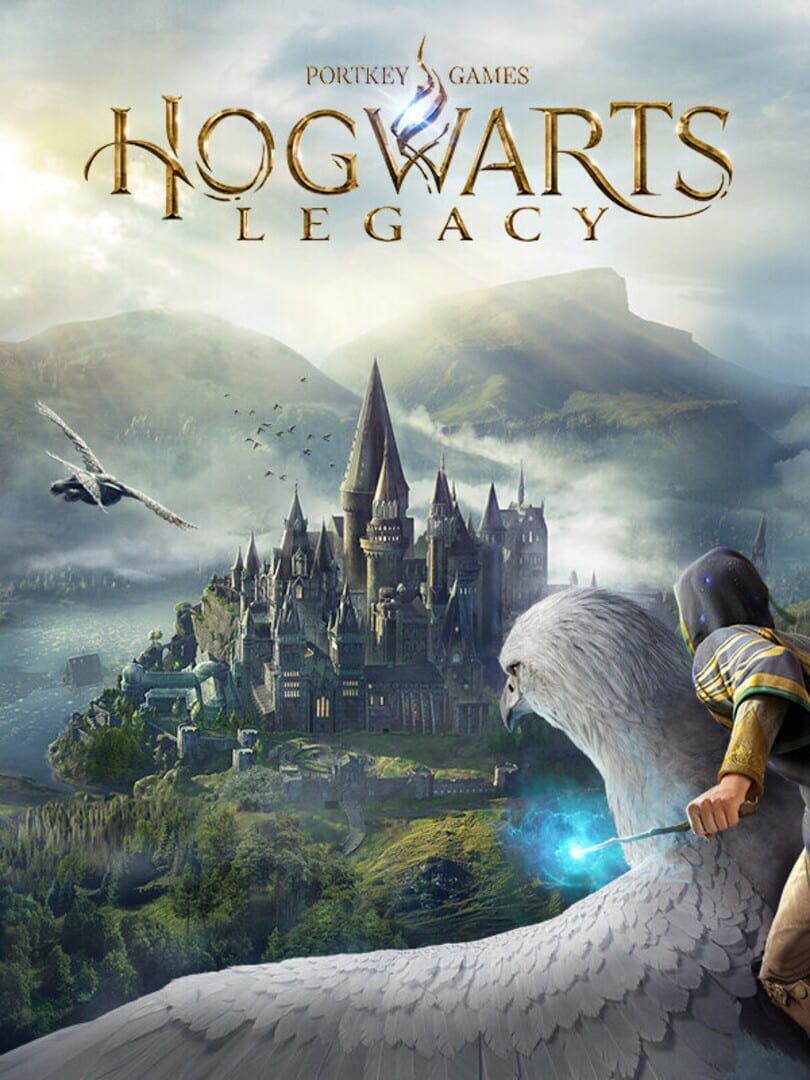
Hogwarts Legacy has turned the hopes and dreams of Harry Potter fans into reality. Finally there is a proper simulator of the school of witchcraft and wizardry, allowing you to create your own student, attend classes, and explore the vast landscape outside.