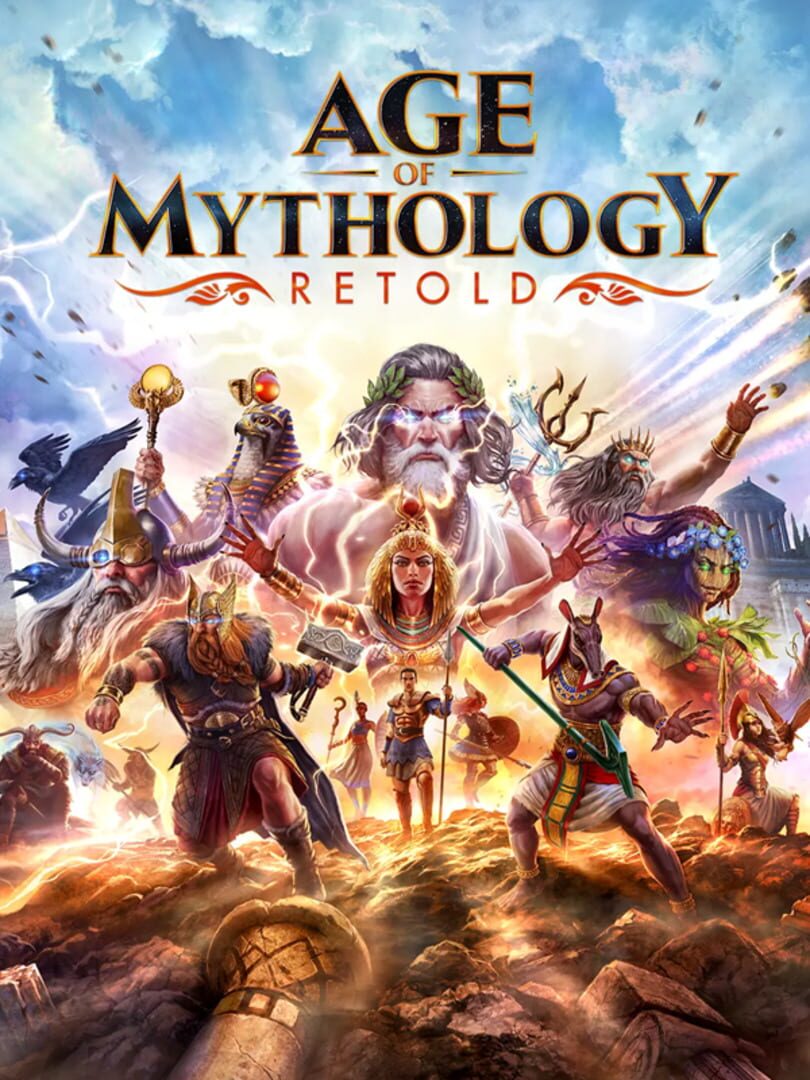
there's no denying that Age of Mythology’s gameplay can feel simplistic, which is ironic, considering how influential the series has been. Having played a bunch back in the day, the missed campaigns are appreciated, but we can’t see ourselves regularly returning to the well.
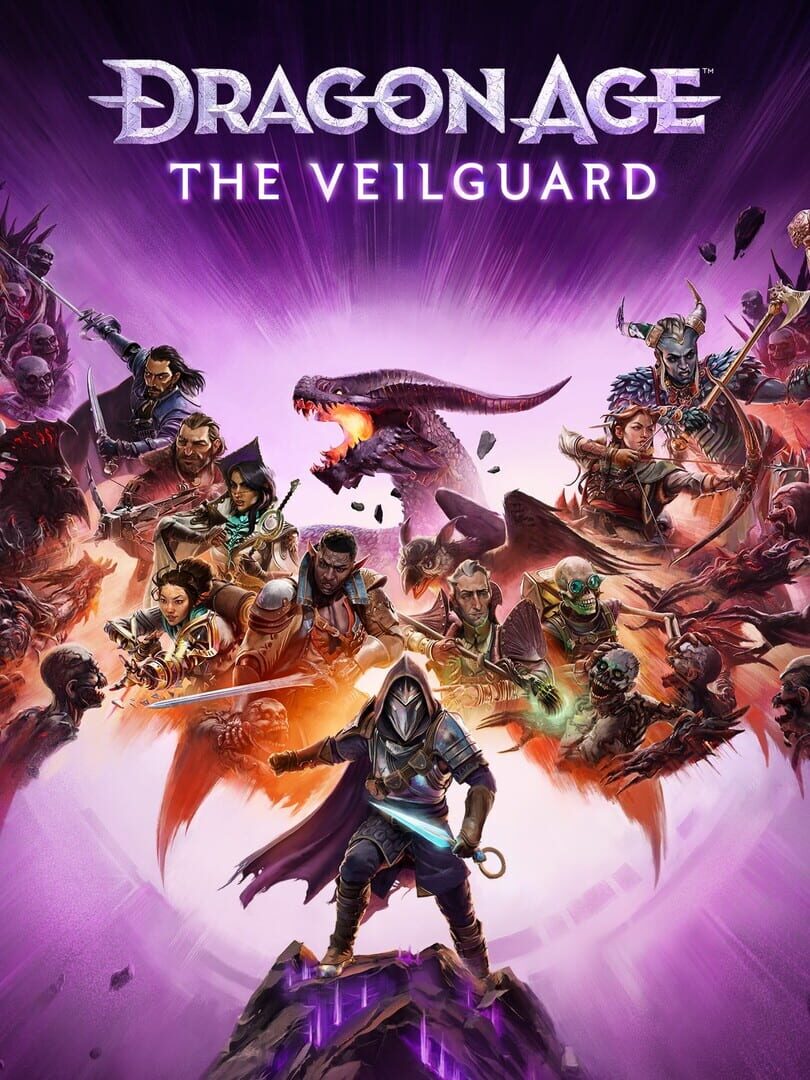
Dragon Age: The Veilguard isn't quite BioWare back to its absolute best, but it is the most cohesive and emotionally engaging RPG that the studio has delivered since Mass Effect 3. Its shift to crunchy action combat is an improvement over Inquisition's middle-of-the-road approach, and although the game feels a little light on meaningful player choice, the storytelling pulls no punches when it actually matters. This is a gorgeous and gripping adventure, backed by a cast of endearing heroes and deliciously devious villains.
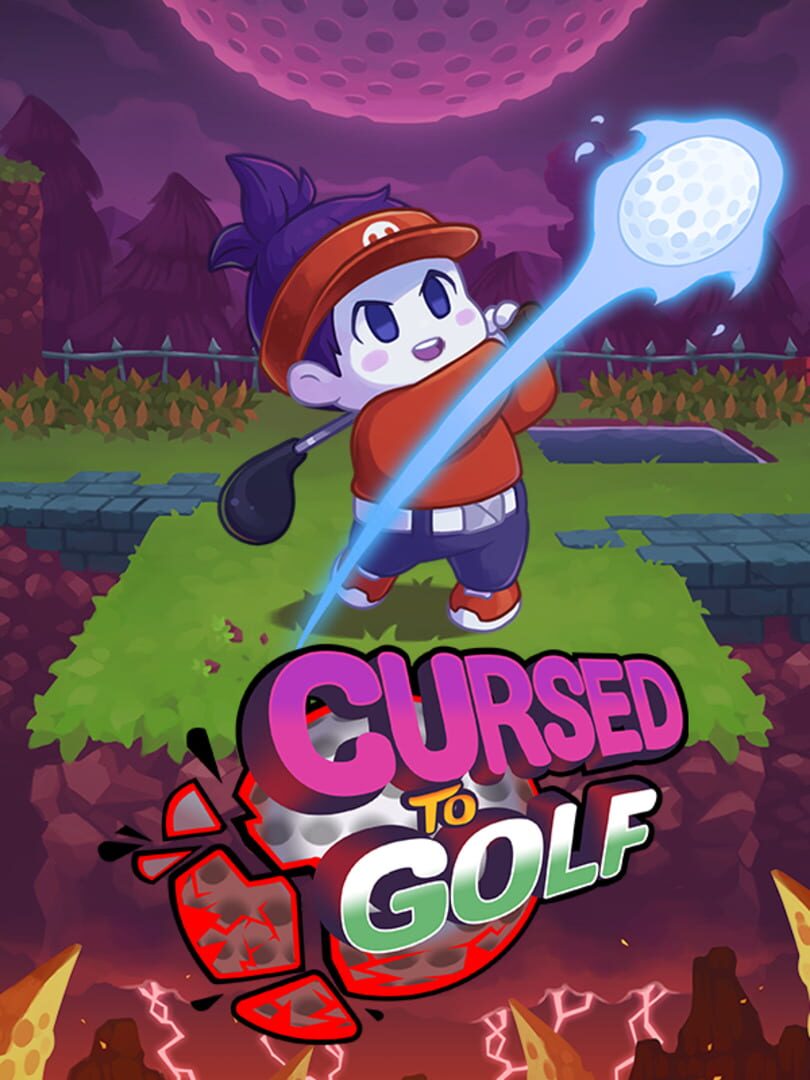
The game nails just about everything it sets out to do. The pixelated graphics are vibrant and varied, the writing is witty and macabre, and the music is fantastic – albeit repetitive. All aspects of the title come together harmoniously, creating an unexpectedly fun and funny roguelike with a refreshingly unique premise.
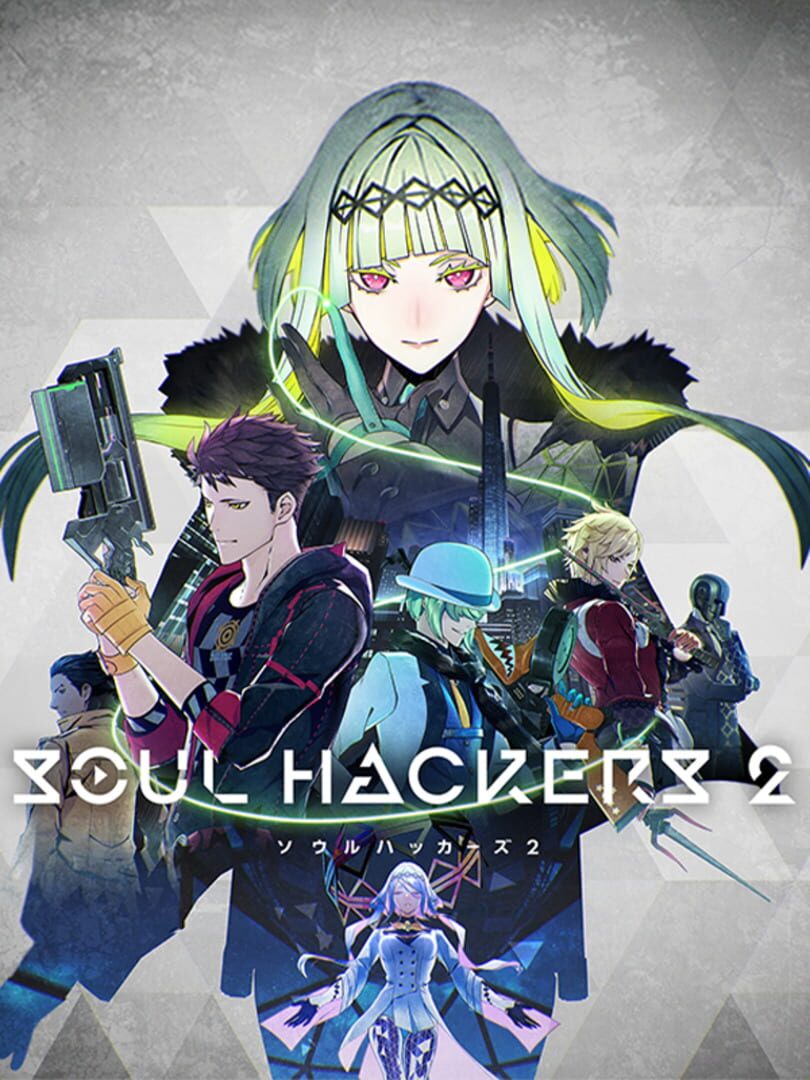
Soul Hackers 2 is a competent Atlus JRPG that will tick a lot of boxes for fans of the genre, but it falls well short of being that next breakout star from Japan. With awful dungeon design and little else to do outside of them, it falls upon the engaging combat system and interesting enough narrative to pick up the pieces. It's by no means the next must-play JRPG, but there's just enough to Soul Hackers 2 that warrants a playthrough.
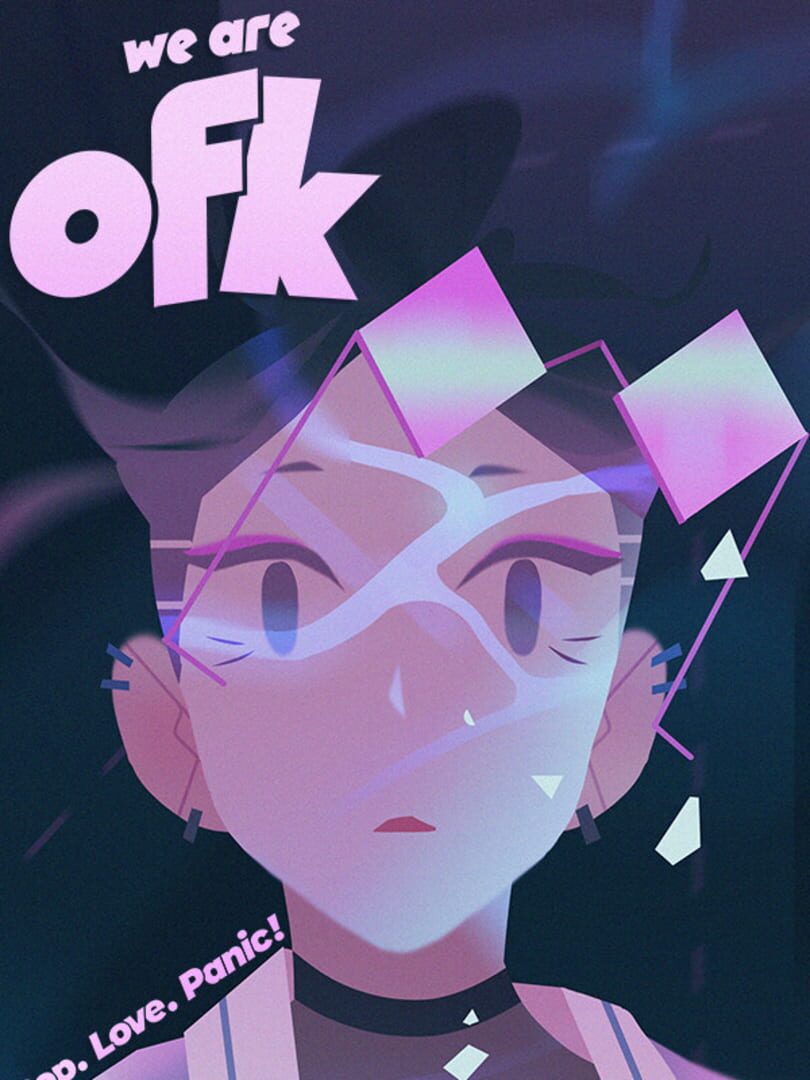
We Are OFK is an incredibly well-written game that stretches the boundaries of the medium. There's not a lot of traditional gameplay, but the characters are so well-realised and the writing so strong that even though there's not much for you to do during each of the episodes, the act of being there and listening remains highly engaging. Between the strong art and soundtrack, there's a lot to like, even if there's not a lot to play.
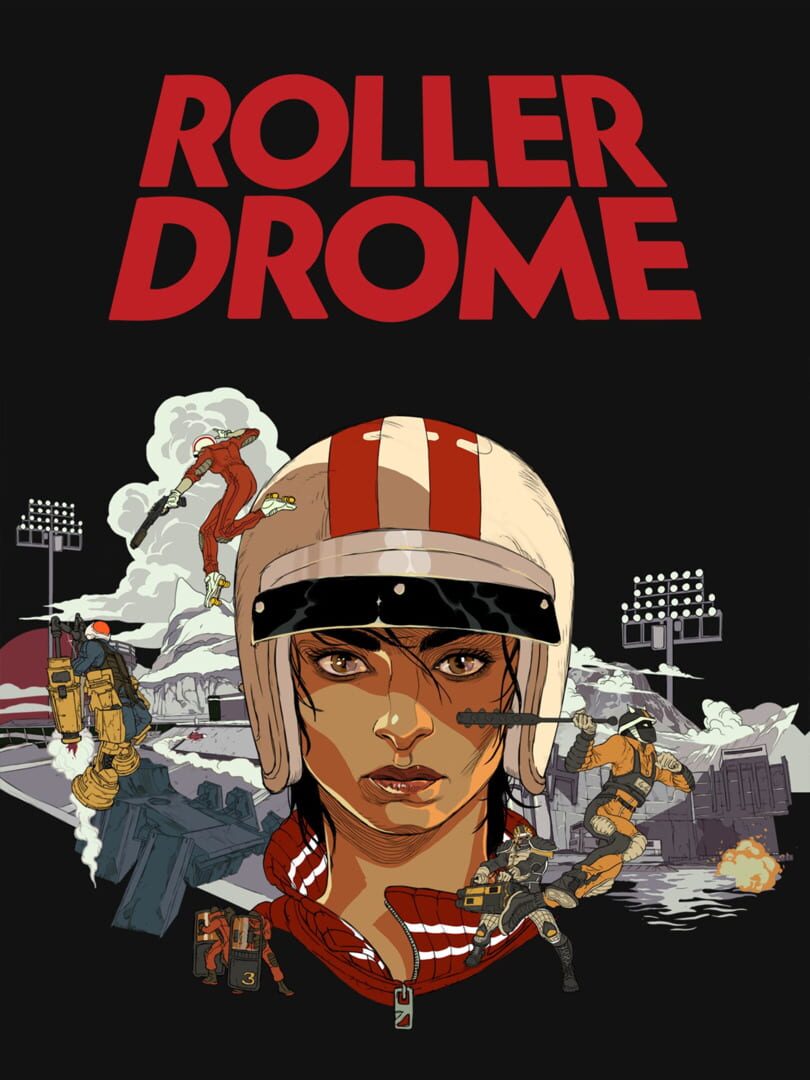
If there's an award for game feel, Rollerdrome wins it by a country mile. Roll7 has crafted a short but supremely sweet experience that feels incredible to engage with.
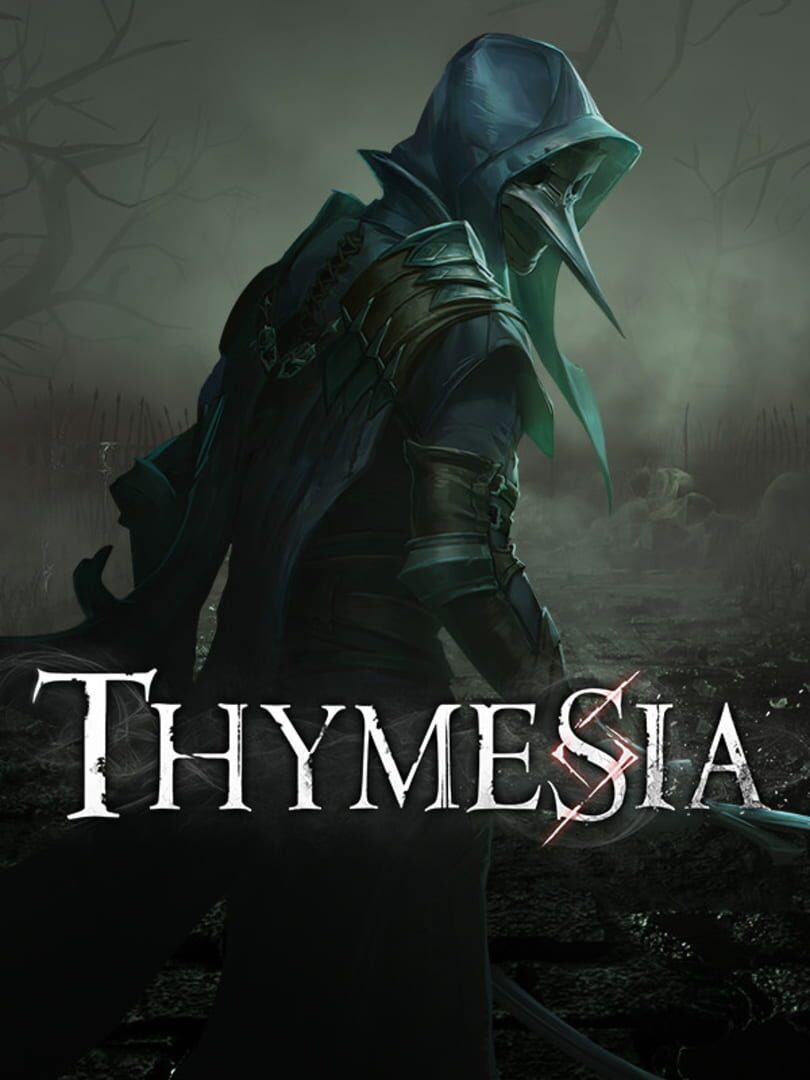
The end result is a small-scale game with lofty aspirations that miss the mark. Stealing specials is great, but everything surrounding that is unimpressive.
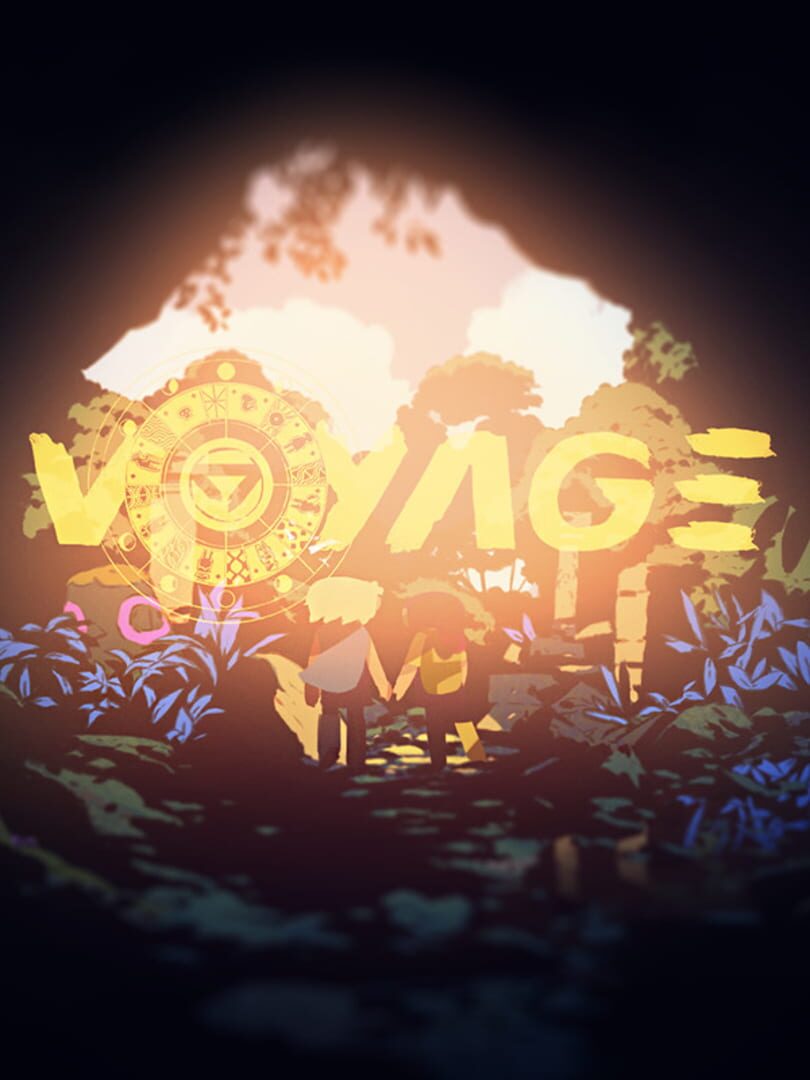
Perhaps the only blemish, then, is the character design. The twosome don't really match up with the art style they're walking through; their depictions look simplistic compared to what's around them. However, they don't take away from what is a pleasant — if a bit too basic — adventure you could get through in an afternoon.
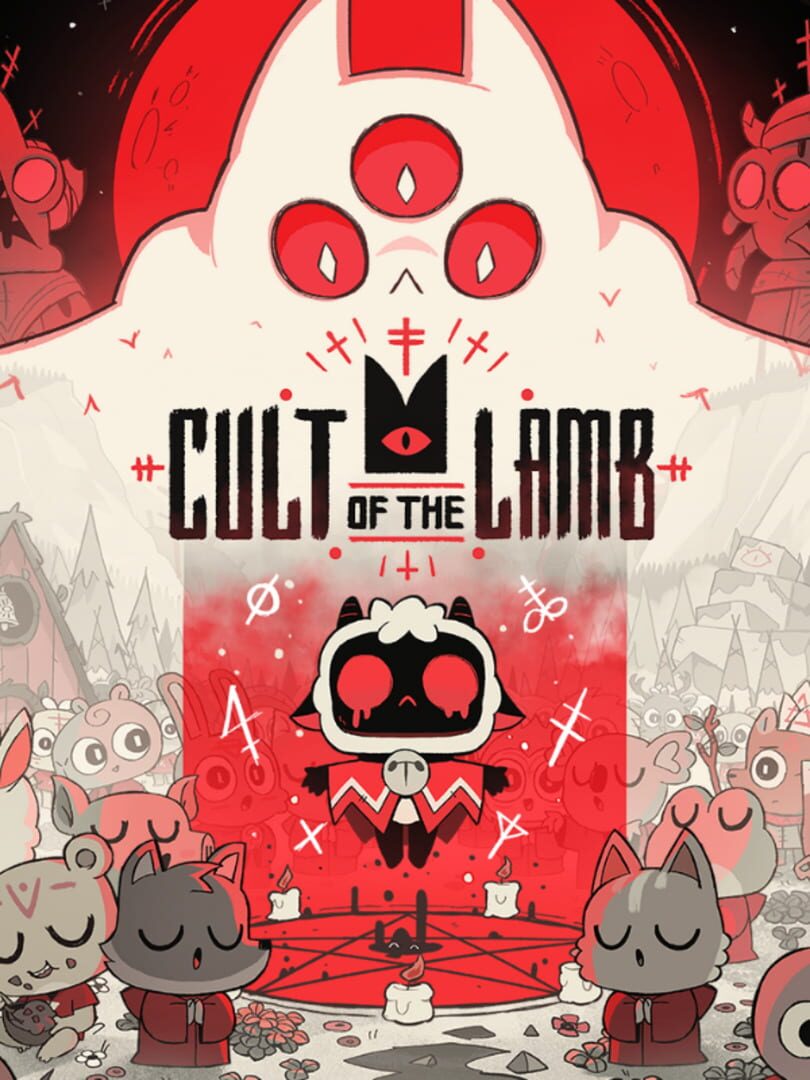
Cult of the Lamb is a game that is much more than the sum of its parts. Taken on their own neither the combat nor the cult management would be strong enough to carry the title, but together they form a compelling whole that's then further enhanced by the delightful art style and pervasive sinister tone. It's evil and wonderful and more than a little unhinged. It's also one of the most impressive games of the year.
If you're nostalgic for the 90s and genuinely enjoy minigame compilations, Arcade Paradise is utterly essential. The title's tongue-in-cheek tycoon gameplay and simulator window dressing serve as the backdrop for dozens upon dozens of video game parodies, spanning a GTA-style Pac-Man clone through to an OutRun-inspired futuristic racer. Not every idea shines, but the sheer density of content alone means you'll never get bored. And with an addictive progression system that's forever tempting you with something shiny on the horizon, this release actually lives up to its name: it's truly an arcade paradise.
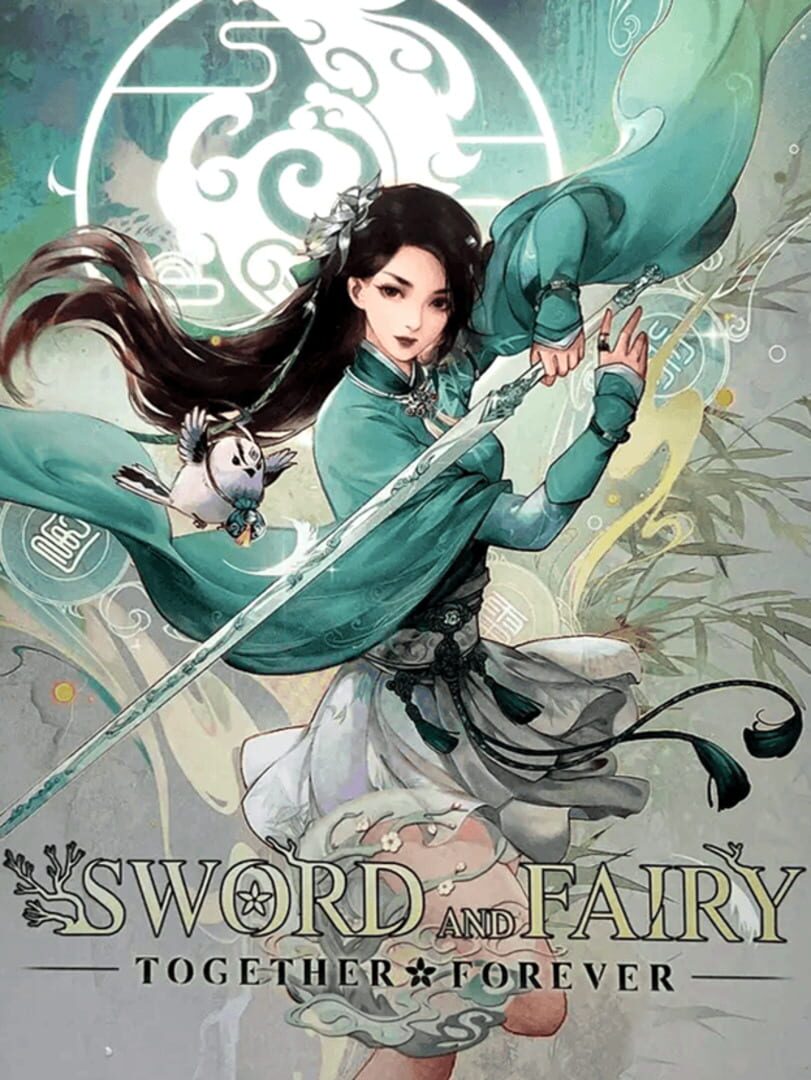
Sword and Fairy: Together Forever won't satisfy everyone. Action enthusiasts will be disappointed in how underutilised the combat system is, and those looking for a lovingly crafted story will have to stomach an especially poor English localisation. But even with its obvious flaws, Together Forever has undeniable charm in its endearing characters and elegant presentation. An enjoyably breezy RPG, if you can keep your expectations in check.
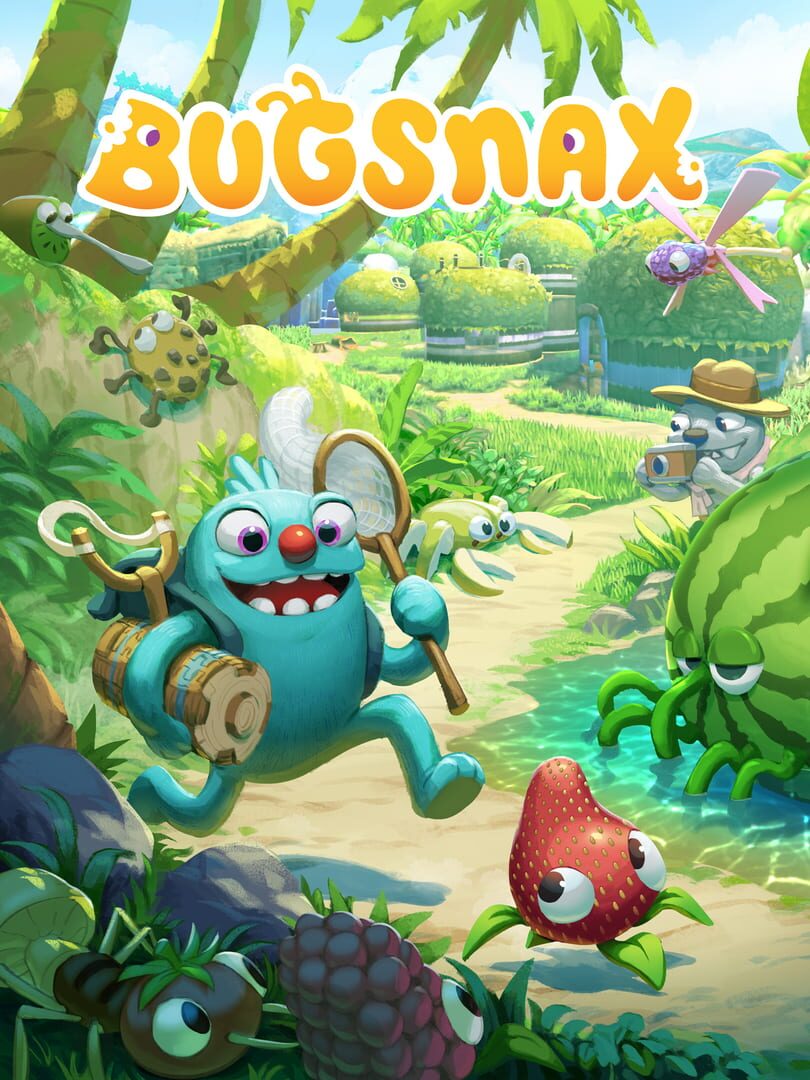
Bugsnax delivers a good time regardless of platform, but it excels on PS5. It benefits from much shorter loading sequences, improved performance, and the DualSense's unique features. All this makes for a more enjoyable excursion to Snaktooth Island. If you play Bugsnax at all — and you absolutely should — do it on PS5.
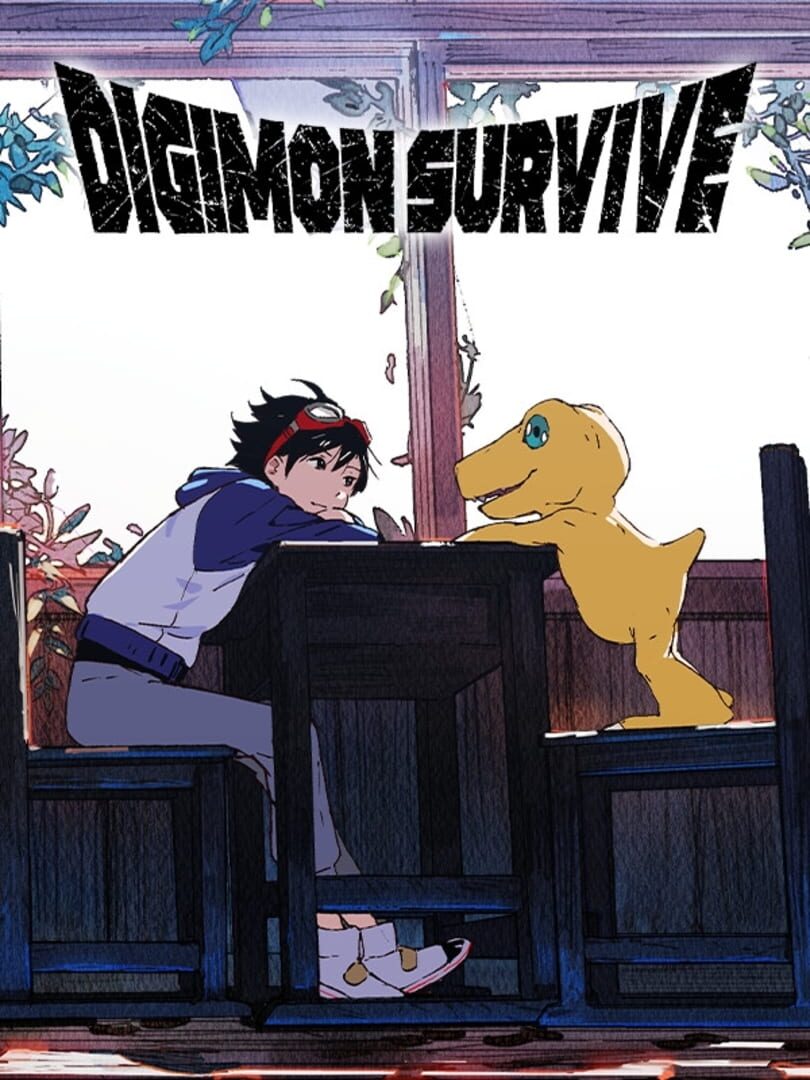
Digimon Survive's uniquely dark take on the standard Digimon storyline is enough to carry a title that's sometimes poorly paced and basic in its approach to gameplay. A visual novel with RPG elements bolted on, it's difficult not to feel as though the creature taming and combat aspects of Survive could have been bigger and better. But ultimately, a mix of endearing characters and eye-opening plot points make this another worthwhile adventure in the digital world.
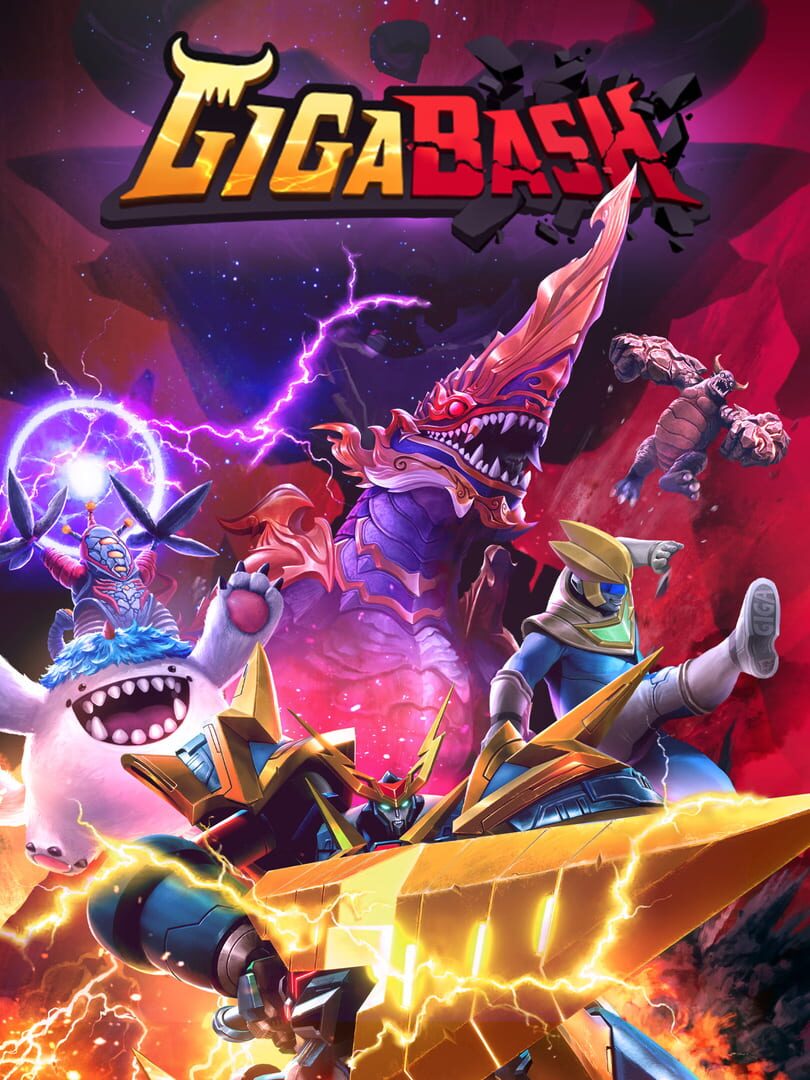
Multiplayer is undoubtedly the game's main draw. Supporting up to four players, you've got free-for-all, 2v2 team battles, while Mayhem Mode – which is sadly not available online – introduces minigames, including classics like The Floor is Lava and boss fights. Our personal favourite is Rampage, which sees players racing to destroy as many buildings as possible for points, though there’s plenty of other options. This all adds some necessary variety and if you can assemble three other players, GigaBash is a great time that comes recommended.
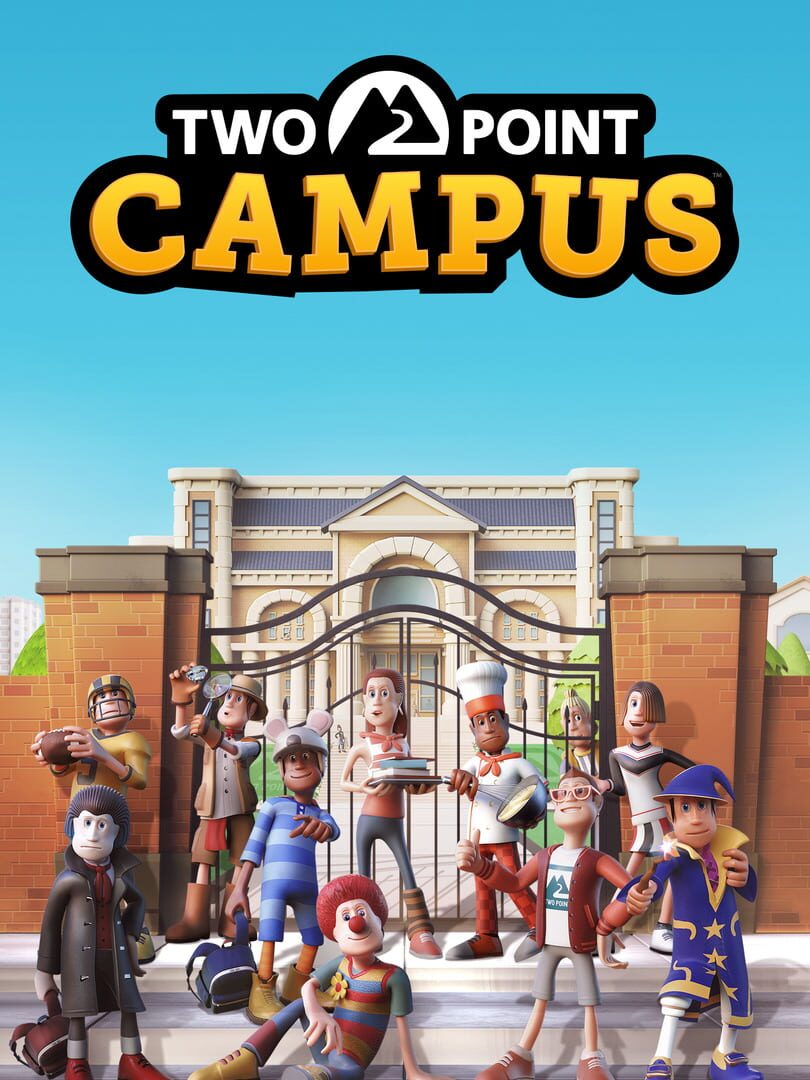
The lack of genuine stakes means that Two Point Campus never becomes truly gripping, but the easy, breezy vibe makes for an enjoyable, leisurely build-'em-up. It's the perfect management sim for newcomers or children or even fans of the genre who just want a palette cleanser between more challenging titles. It's the sort of game you play on a Sunday afternoon, still in your pyjamas, with one hand because you've got a Cornetto in the other. And we're totally okay with that.
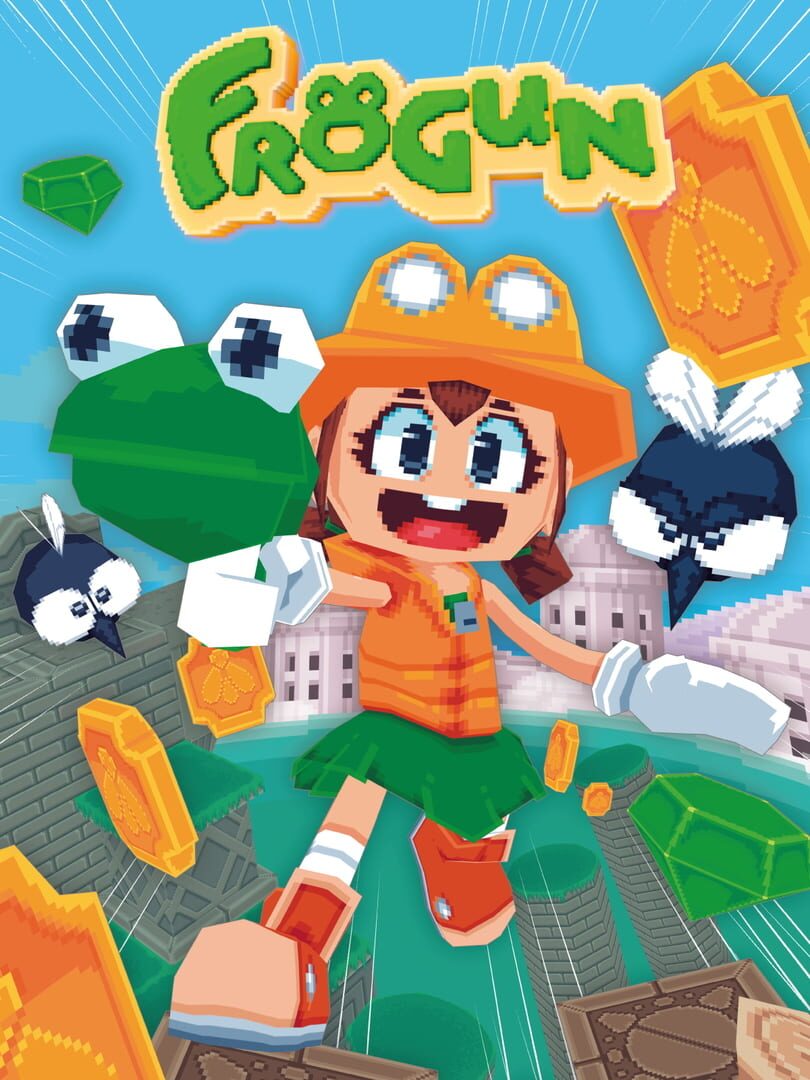
From a presentation standpoint, the game has a lot of charm with its low-poly models and bright colours, and it runs perfectly at all times. The music and effects are also fairly old-school, but can be irritatingly repetitive. Overall, the game just feels quite flat; its central idea is good but levels don't really build on it, and some cutesy visuals can only take it so far.
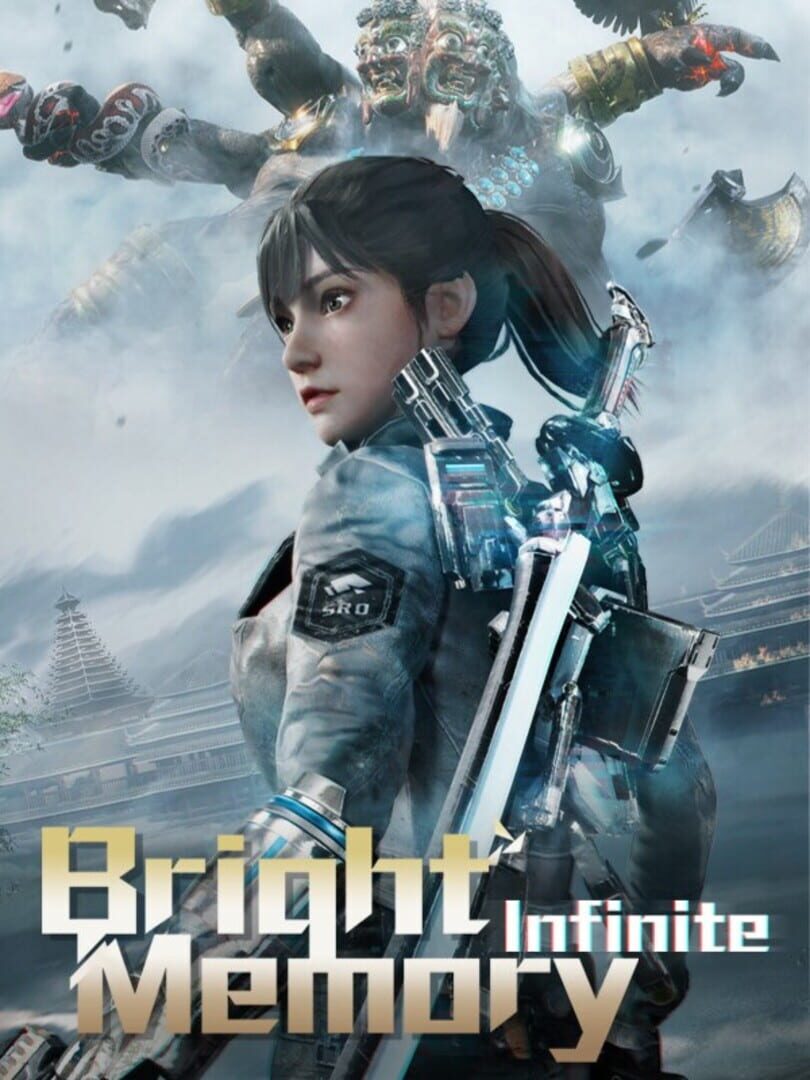
While it's hard to be too critical, considering the entire project was developed by one person and a small staff, it's also hard to even call this a full game. It's a shame because its graphics rival tentpole AAA productions and there's clear passion to deliver a satisfying gameplay loop. But a lacklustre story and repetitive pacing coupled with unnecessary additions such as the skills make Bright Memory: Infinite an uneven and jarring experience. Perhaps in the near future, given a bigger budget, developer FYQD Studio could make a more fully realised version.