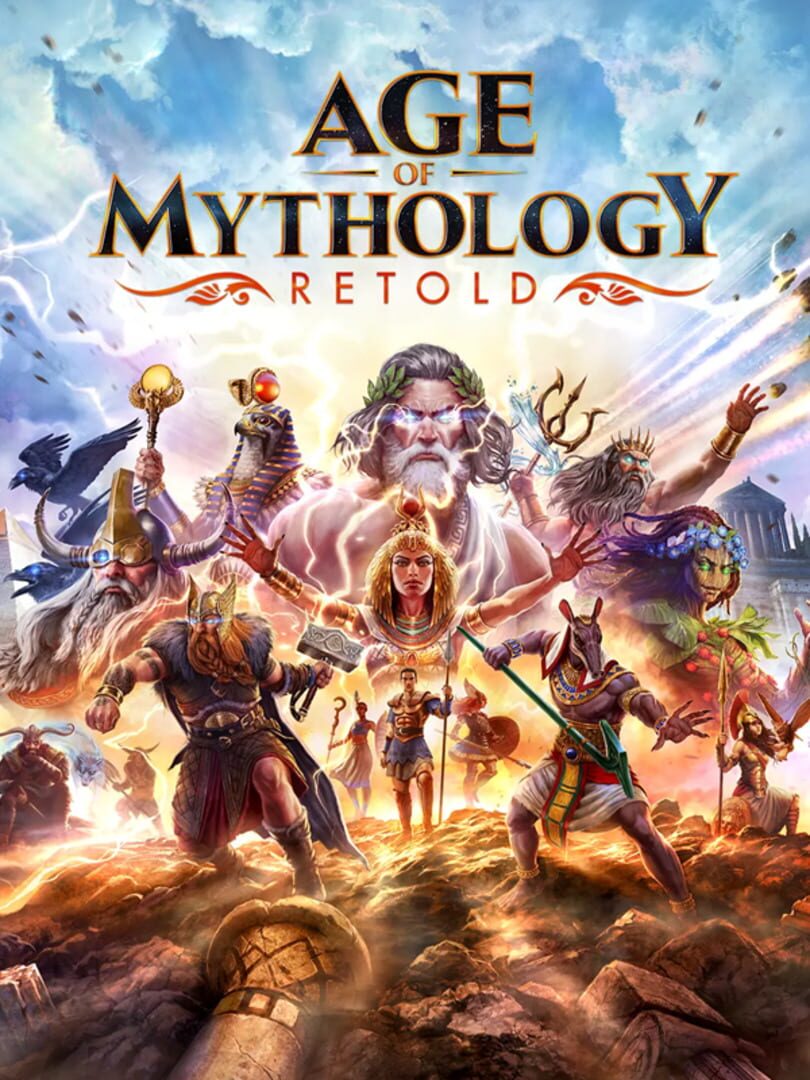
there's no denying that Age of Mythology’s gameplay can feel simplistic, which is ironic, considering how influential the series has been. Having played a bunch back in the day, the missed campaigns are appreciated, but we can’t see ourselves regularly returning to the well.
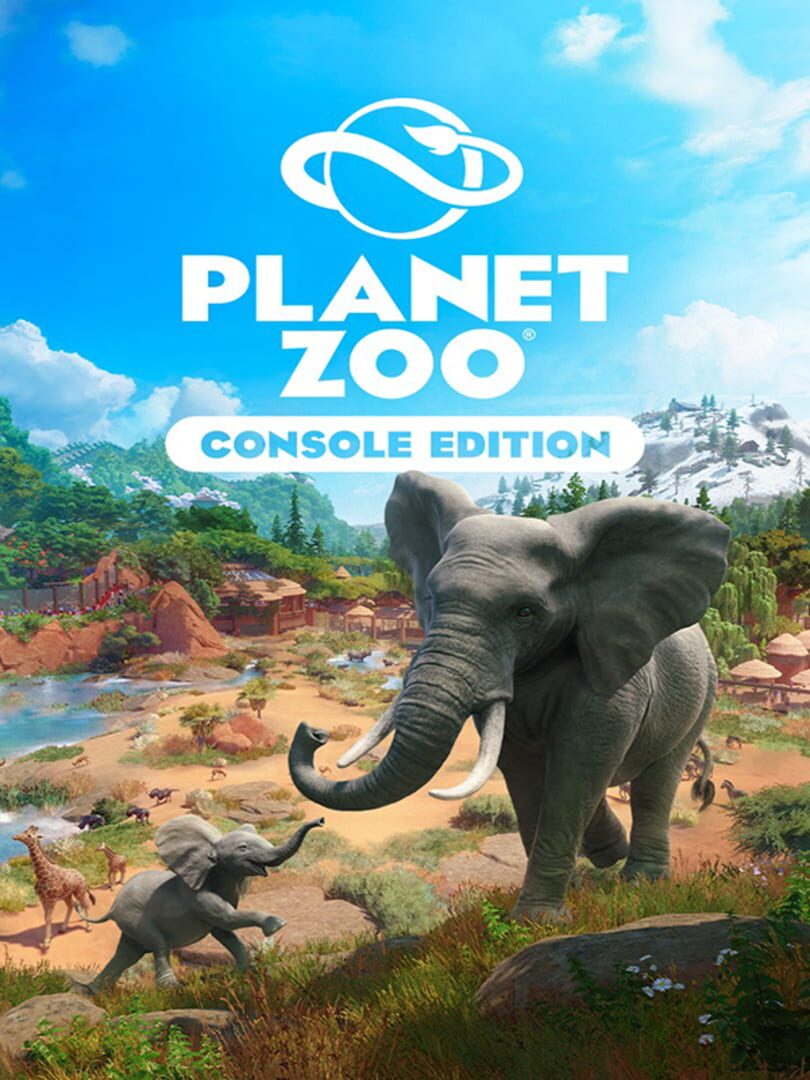
Planet Zoo is, ironically, a relatively toothless park building game. It doesn't have the delicious chaos of the Jurassic World Evolution games or the thrills of building your own rollercoaster and then hoping it'll stay on the tracks in Planet Coaster. But it's a pleasant and charming game. There's an airy joy in creating a peaceful home for animals to live in, and the earnest conservationist slant of Planet Zoo is hard to fault.
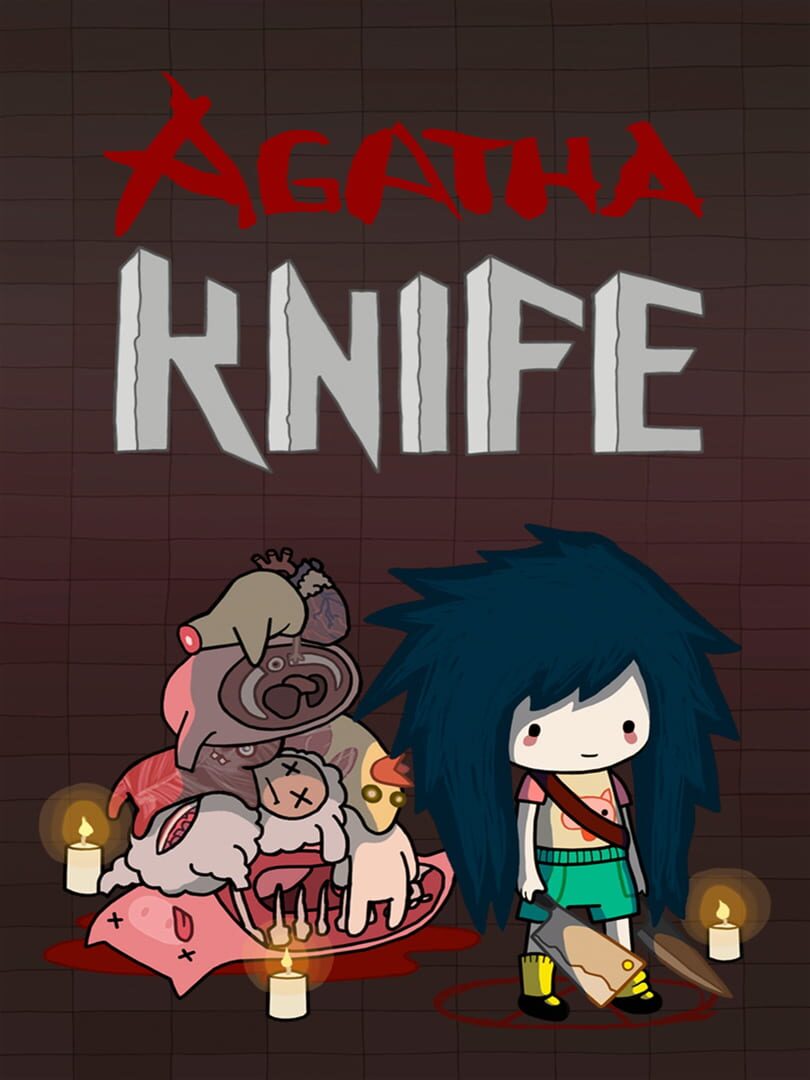
Agatha herself is a wonderfully complicated character; we see things from her innocent and skewed perspective, for good or ill. The puzzling is relatively simplistic -- there's nothing here to match the nonsensical item combinations of the genre's luminaries. But this is a game more about story and tone than pixel hunting, and the result is a decent, bizarre experience.
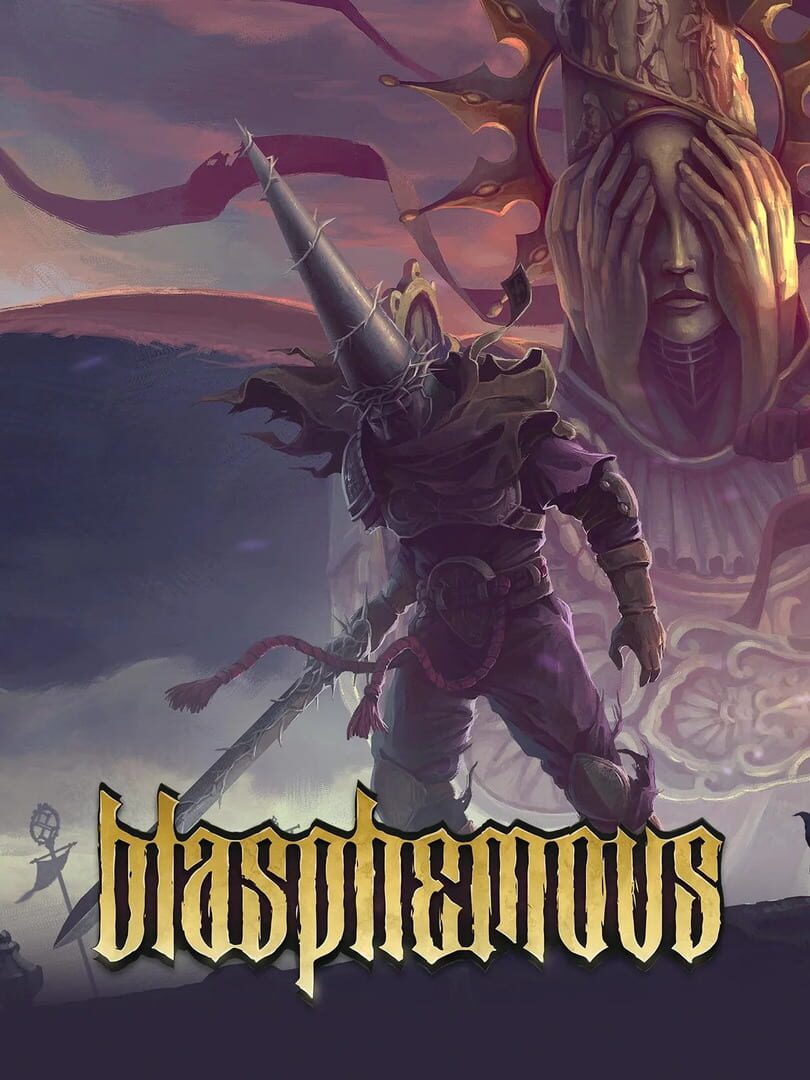
If you’re skilled, you can speed through in a little over ten hours, though exploring every nook and cranny of the map and finding all of the collectables can take upwards of double that, especially considering there are two endings to experience. At any rate, Blasphemous is torturously fun, and one of the best the genre has to offer.
Metro Exodus: The Two Colonels is adequate in every sense of the word - it doesn't do anything impressively well nor insultingly bad. It's just okay, and while that might be enough to convince fans of the series to take a short trip underground, it's something that anyone else can safely skip.
In a similar regard to Tengo Project's development of Wild Guns Reloaded, Tengo's game works well as a remake, because The Ninja Saviors: Return of the Warriors retains the essence of a well-loved SNES beat-'em-up.
Risk of Rain 2 is a lonely experience when played solo, and while ability cool downs never feel too prohibitive, being able to exchange which of your squad is unleashing all manner of hell on an enemy is a big part of the fun and strategy.
With everything that it brings to the table, Iceborne is a truly monstrous expansion. Capcom has gone above and beyond in crafting an additional adventure that breathes a shocking amount of new life into Monster Hunter World, setting a new benchmark for the series in terms of pure quality. Although many of the base game's gripes remain, it's ultimately very difficult to pick holes in such a supremely satisfying experience. Iceborne is Monster Hunter at its absolute best.
Its live action overhaul gives returning players a new way to experience the game, while newcomers are sure to be captured by its quirky cast of characters and a plot that'll keep you hooked through to its conclusion.
Overall, the driving is competent, and most importantly, delivers that thrill ride as you scream over treacherous terrain. It's a shame the presentation is somewhat lacking, because this is otherwise a solid rally experience.
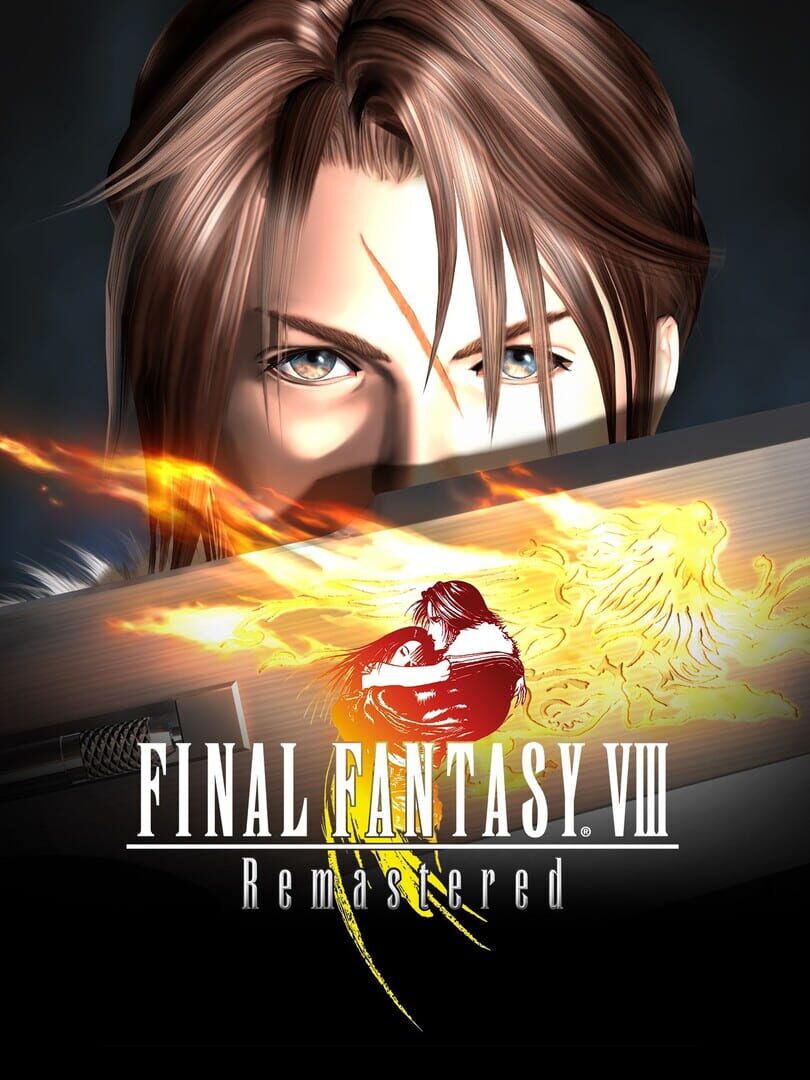
It's easy to see why Final Fantasy VIII is considered one of the series' most divisive entries, but its story and gameplay systems remain unique 20 years after its original release. Final Fantasy VIII Remastered has its flaws -- the draw system is still a total pain in the arse -- but there's a magic and atmosphere to Squall's often mental adventure that's incredibly endearing. This is a PlayStation classic given a new lease of life, and it's still way more interesting than the majority of Japanese RPGs hitting our consoles today.
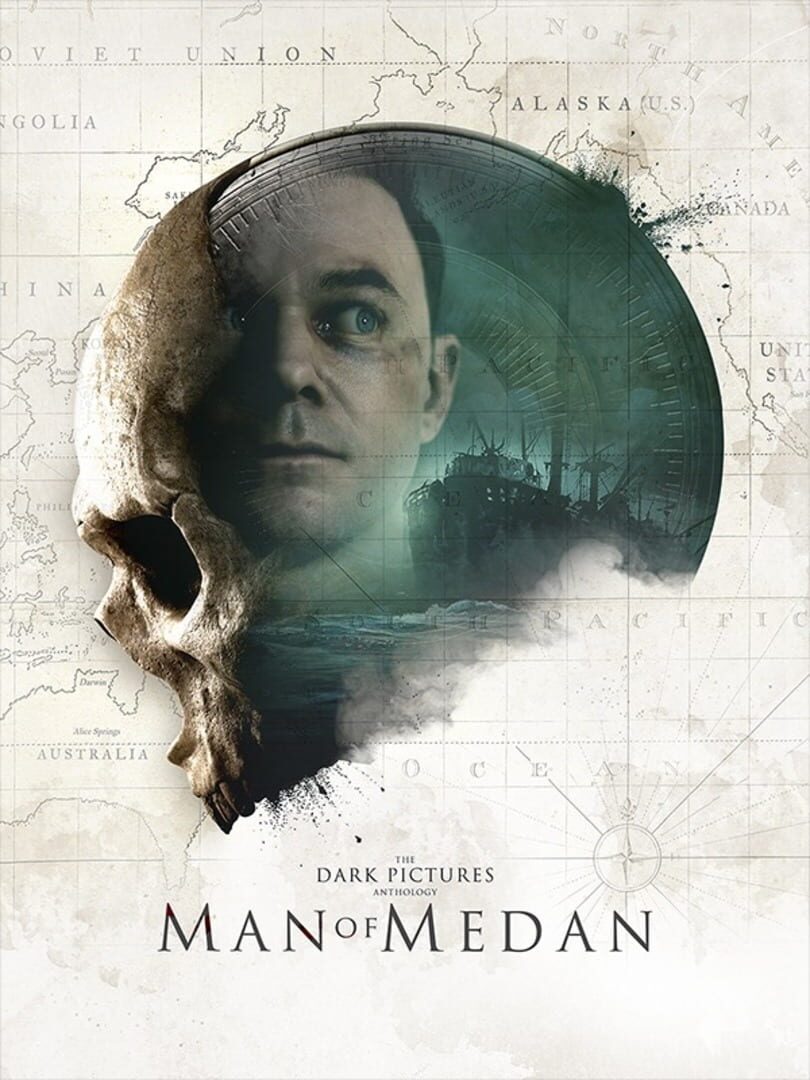
Man of Medan kicks The Dark Pictures Anthology off with a whimper rather than a bang. The format has a lot of potential, but this was undoubtedly the wrong story to showcase it. The narrative is slight and rarely gets out of first gear, the characters are annoying, the scares limp, and the dialogue unnatural. There's constant technical hiccups. In fact, the scariest thing about Man of Medan is how it ever went gold in the state that it's in.
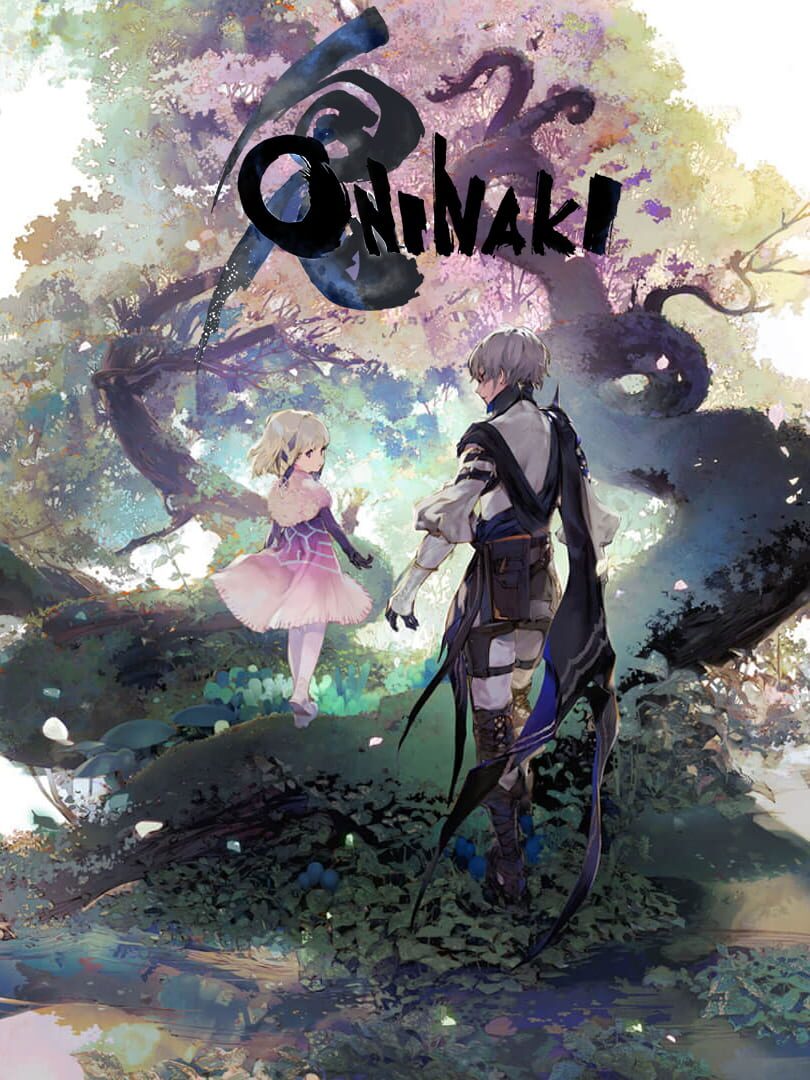
All in all, Oninaki falls short of being a great action RPG, but it's not without its charms. An intriguing world and story keep things afloat, while an addictive character progression system distracts from repetitive dungeon crawling. This definitely isn't Tokyo RPG Factory's best game, but it is an interesting diversion. With a little more depth, a sequel would be a tempting proposition.
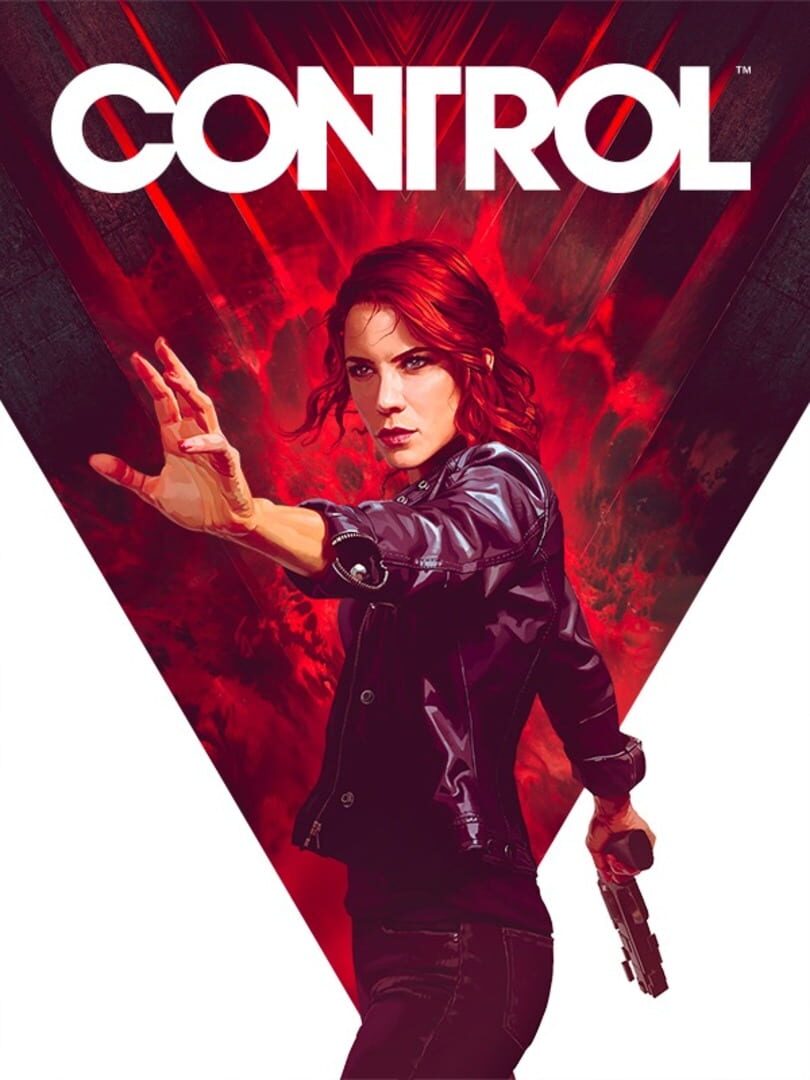
There's no doubting that Control is a good experience, but it's not one that'll go down in the history books. Its explorative and combat-focused gameplay is a major highlight thanks to abilities that give you the chance to get creative, but the unreliable framerate that goes with it puts a stop to the enjoyment far too frequently. This is most definitely worth playing, but that's about as far as any substantial praise can go.