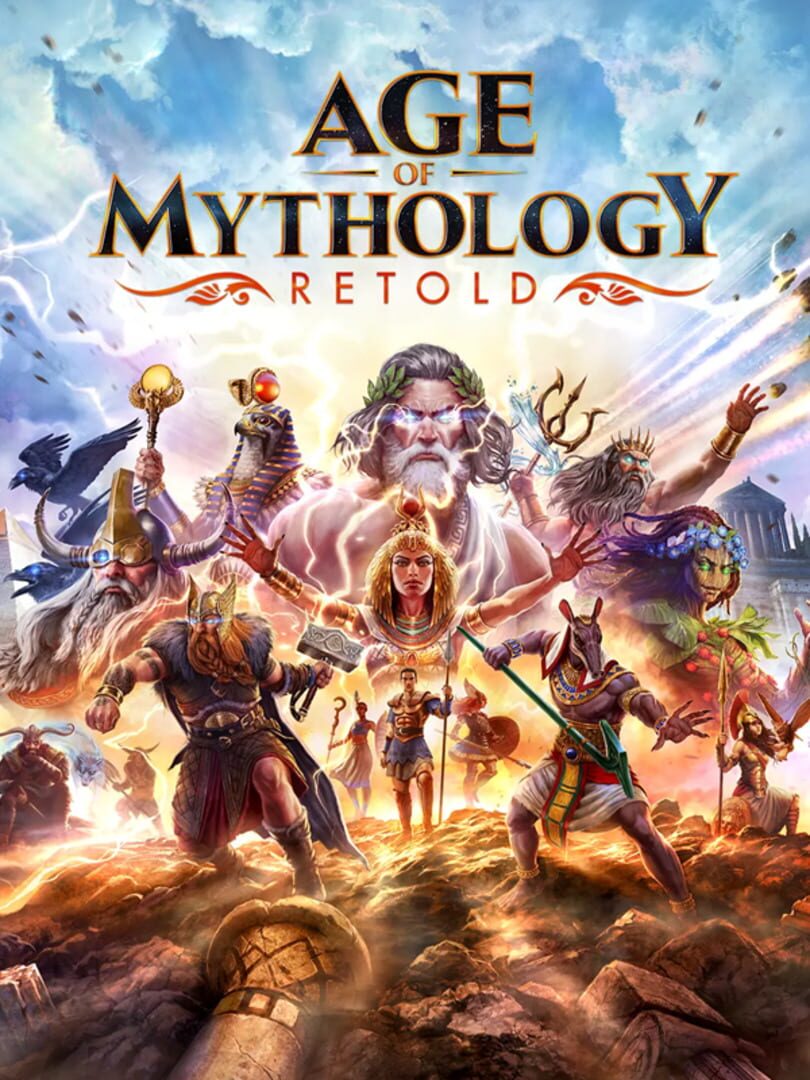
there's no denying that Age of Mythology’s gameplay can feel simplistic, which is ironic, considering how influential the series has been. Having played a bunch back in the day, the missed campaigns are appreciated, but we can’t see ourselves regularly returning to the well.
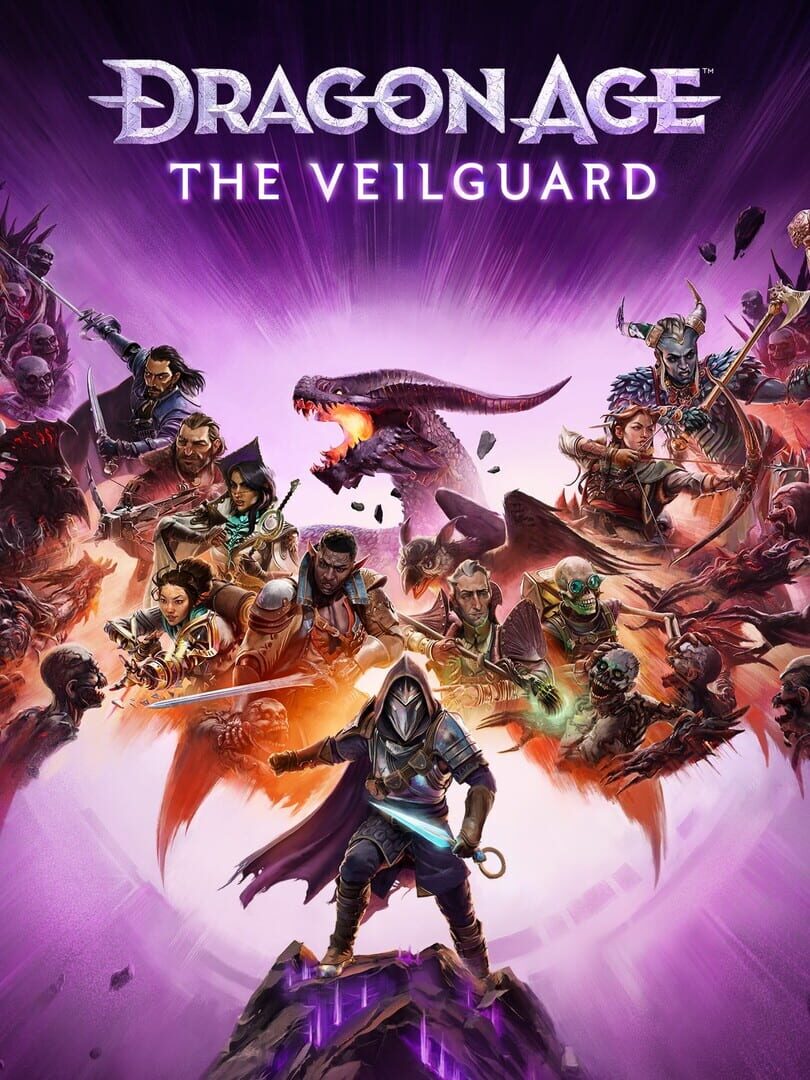
Dragon Age: The Veilguard isn't quite BioWare back to its absolute best, but it is the most cohesive and emotionally engaging RPG that the studio has delivered since Mass Effect 3. Its shift to crunchy action combat is an improvement over Inquisition's middle-of-the-road approach, and although the game feels a little light on meaningful player choice, the storytelling pulls no punches when it actually matters. This is a gorgeous and gripping adventure, backed by a cast of endearing heroes and deliciously devious villains.
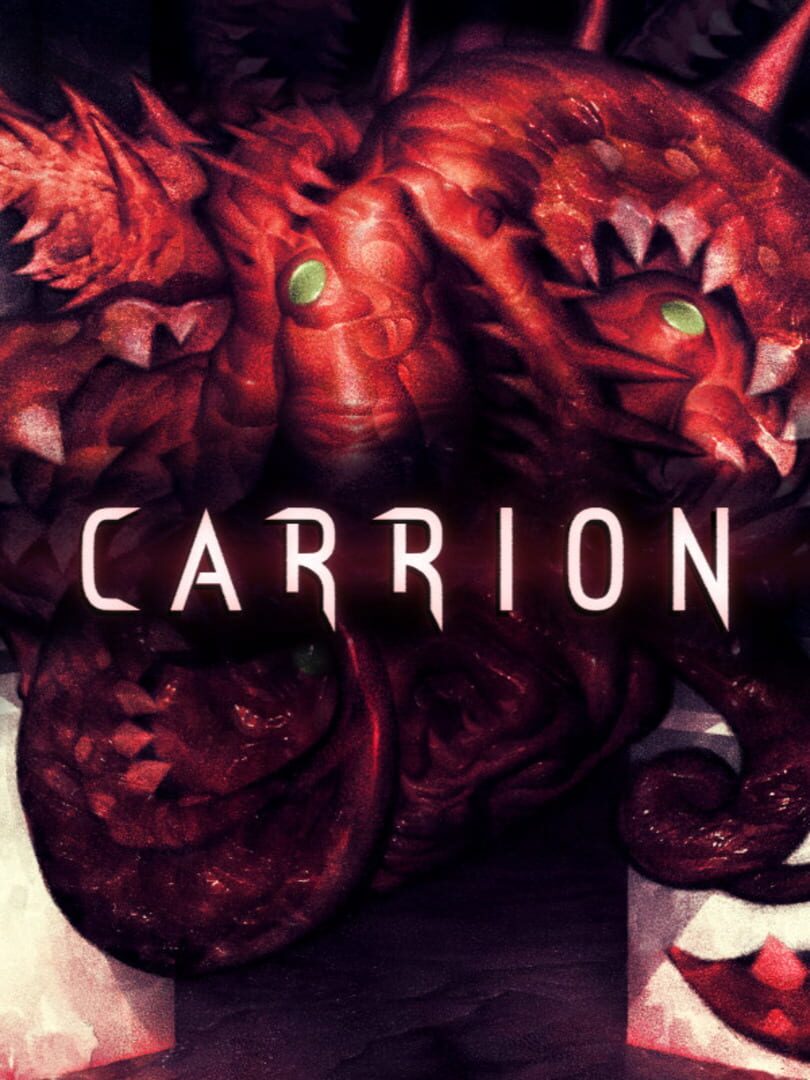
Despite the gameplay and level design being pretty middling, we still think this game is worth a spin. It’s all about the atmosphere, and the organism itself, both of which are rousing successes and worth the price of entry alone.
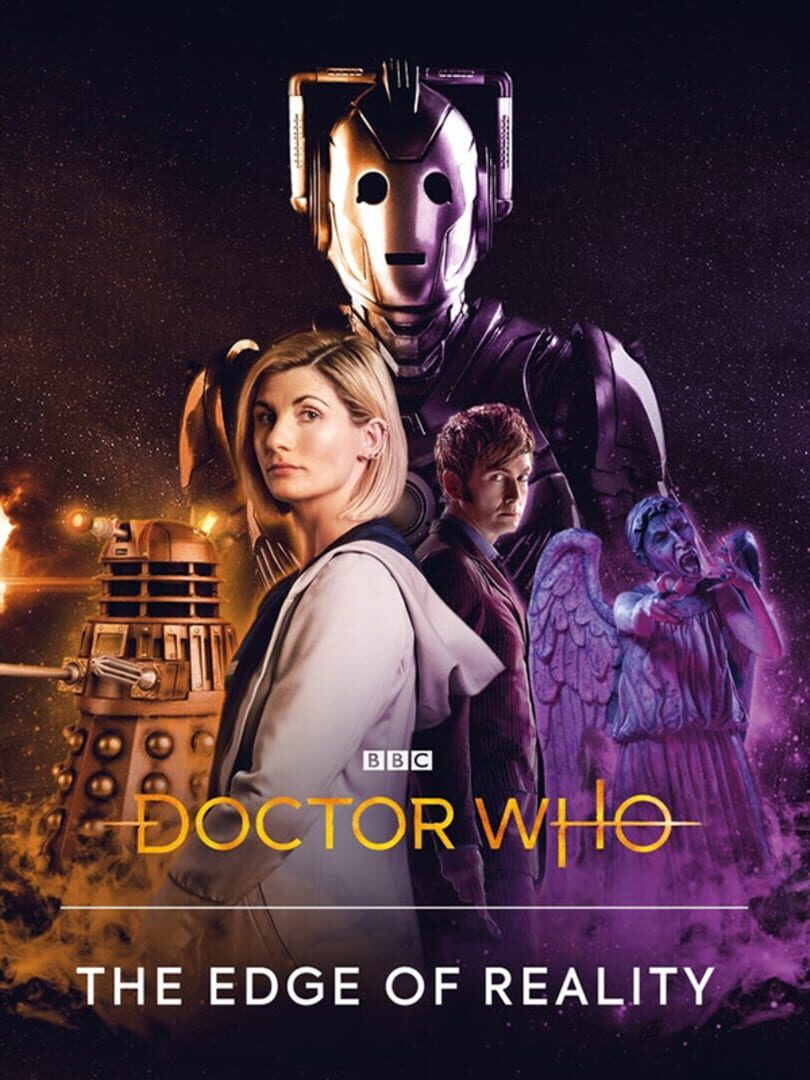
David Tennant does infuse this story with a lot of life in the short time he’s featured, and a particular end sequence set on a cybership sets the pulse racing by tapping into the show’s mild horror. However, neither detract from the original experience’s flaws. The chief appeal of playing in VR was being able to immerse yourself into an episode, and even that has now been lost in translation.
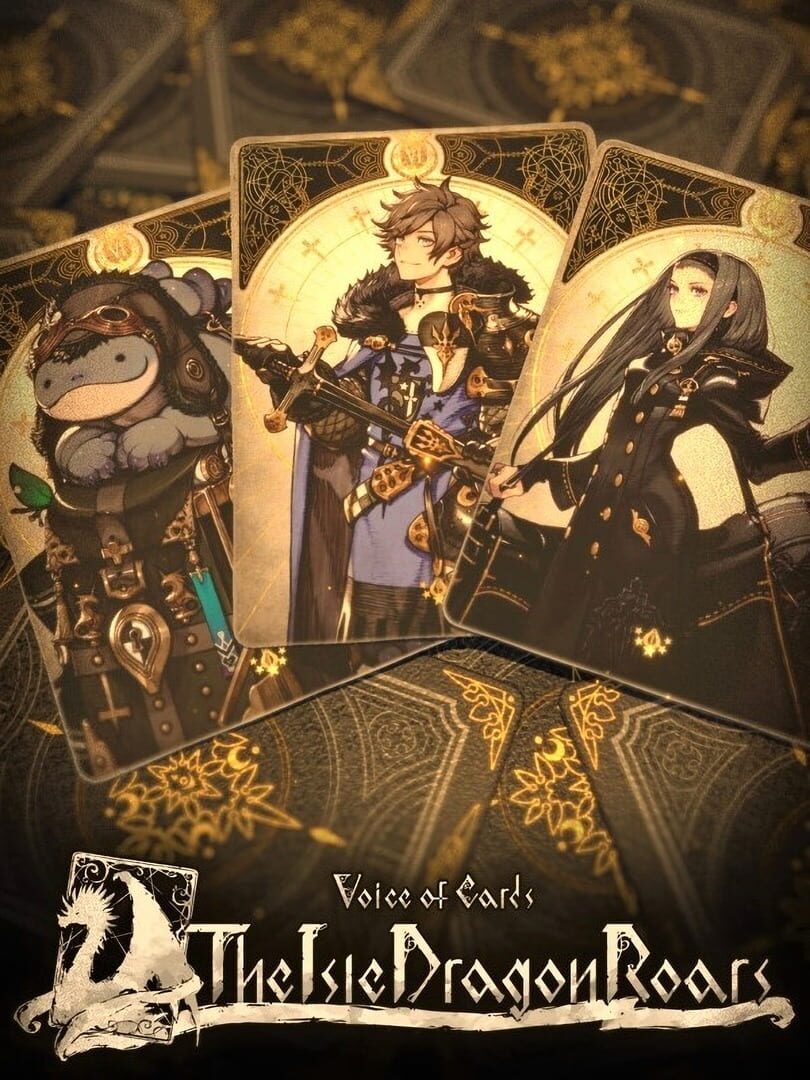
Thankfully, the game's excellent presentation holds everything together, and at around 12 hours in length, Voice of Cards doesn't quite outstay its welcome. There are multiple endings to unlock as well, but additional playthroughs may be a tall order. Voice of Cards isn't the kind of RPG that you can rush through — its deliberately slow pace is part of the charm — but there is a slightly expanded New Game+ mode for those who fancy taking on the dragon all over again.
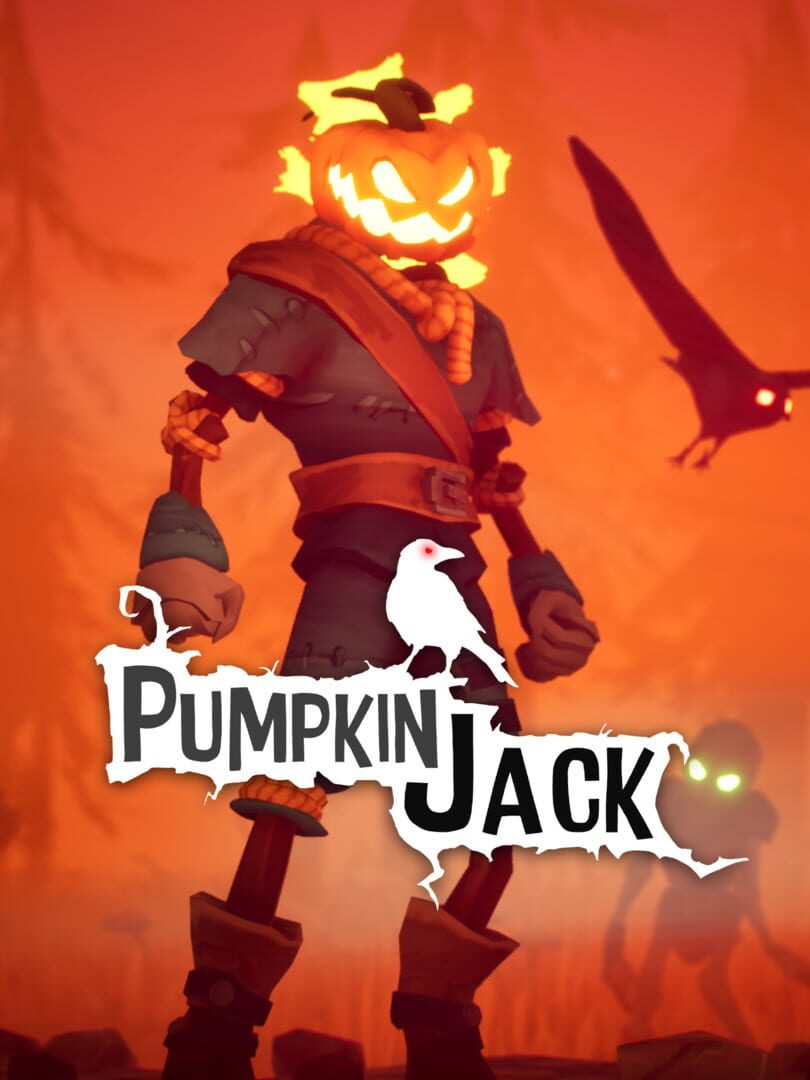
Pumpkin Jack isn't going to blow your mind here in 2021, but if you're on the market for a few hours of Halloween fun, you can't really go wrong. A game that knows exactly what it wants to be, and delivers with confidence.
With a compact, but dense world to navigate – most of the game takes place in one sprawling interconnected area – you’ll learn your way around in no time. This is aided by the game’s clever fast travel system, which cuts down on pointless back and forth greatly.
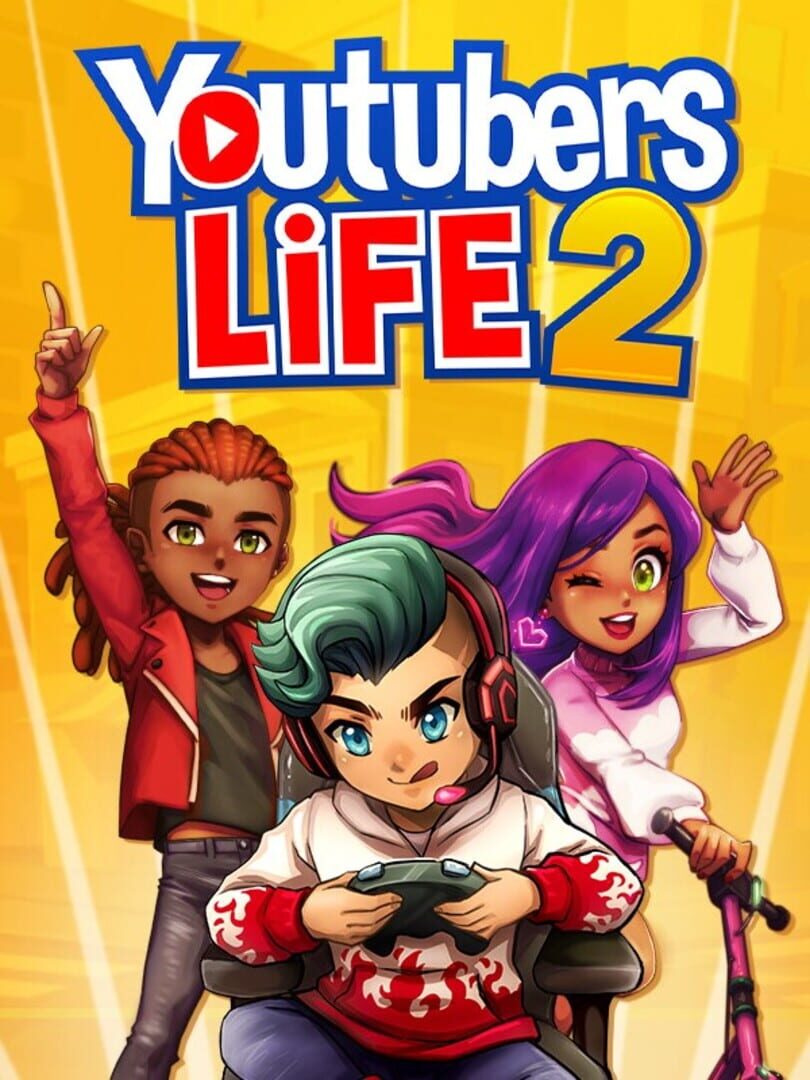
There is a lot to see and do here, and the fact that you can now play as a variety YouTuber – as opposed to be restricted to a single career – adds diversity to your day-to-day activities. But once you wrap your head around the flow and formula of the foray, it all becomes a bit of a grind. Perhaps there’s some meta-commentary from the developer here: that chasing trends for fame is less glamorous than it looks.
Released in Japan in the same month as Thunder Force IV, when magazines felt fatigued with an overabundance of Mega Drive shmups, Gleylancer became hidden behind the likes of Gaiares, Gynoug, Hellfire, and Zero Wing as competition. Yet, it could attract attention today, since using the Rewind feature to complete 11 stages in less than an hour snags easy Platinum Trophies on both PS4 and PS5. Once precious trinkets have been grabbed it's most fun to practice each stage using save states to improve your skills, and see how far you can legitimately progress. Gleylancer deserves better than to become lost again, as just another Ratalaika Games easy Platinum release.
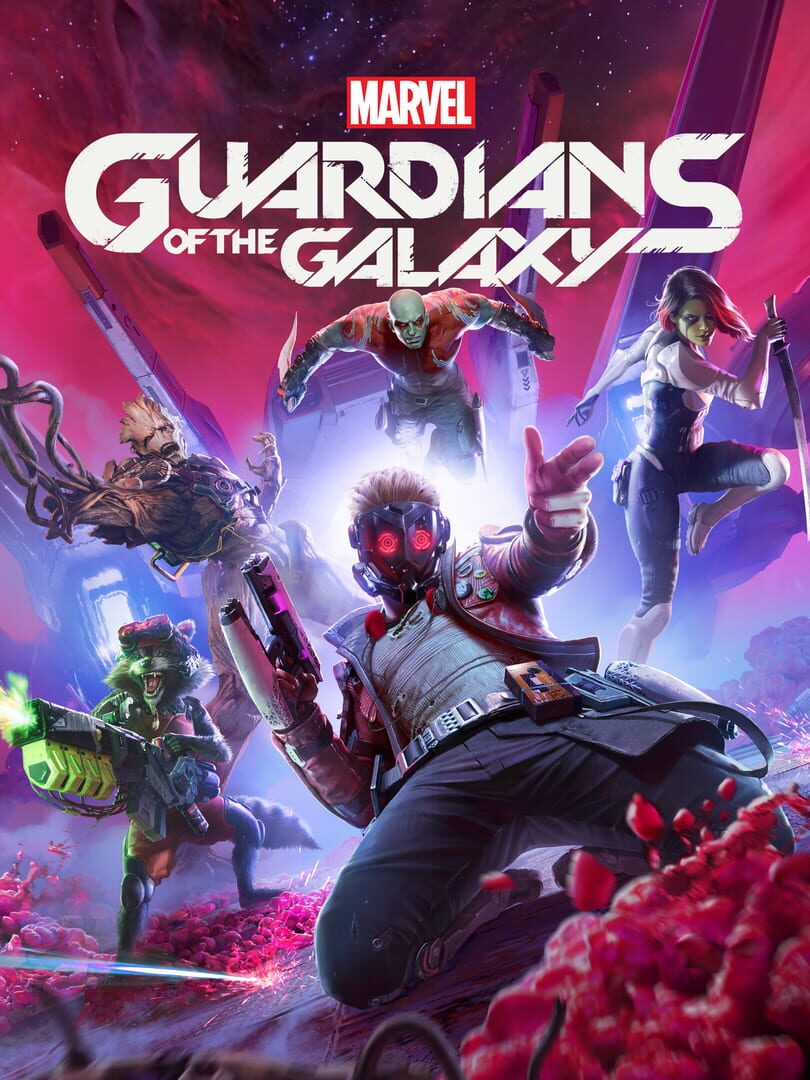
For as much uncertainty there has been surrounding Marvel's Guardians of the Galaxy, the final game has delivered. Fun and frantic combat provide the basis for a long, extremely enjoyable campaign featuring the characters you love and the tracks your kids usually screw their noses up at. A great title that deserves to be expanded upon in the future.
Without any official licenses, the DLC captures the “feel” of F1, with recognisable sponsorship hoardings cleverly eschewing copyright headaches by not namedropping any brands specifically. All in all, it’s a nicely assembled add-on that both freshens up a very likeable game, but also pays homage to a sporting icon. At just £4.99/$5.99, you’d be mad not to make a pit stop on this.
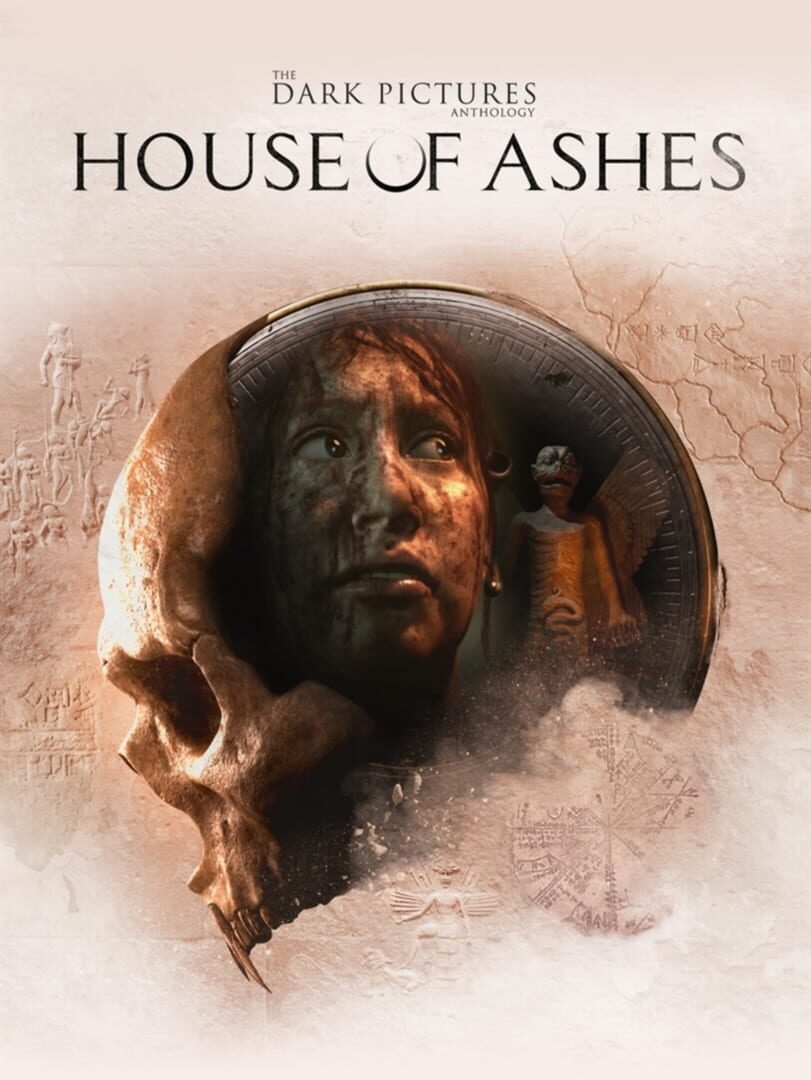
Gameplay-wise, not much has changed since Little Hope. You'll spend much of your time walking about, inspecting objects, talking to people, making decisions, and taking part in quick-time events. The formula works, and the six or seven hour running time means that the rudimentary controls don't outstay their welcome.
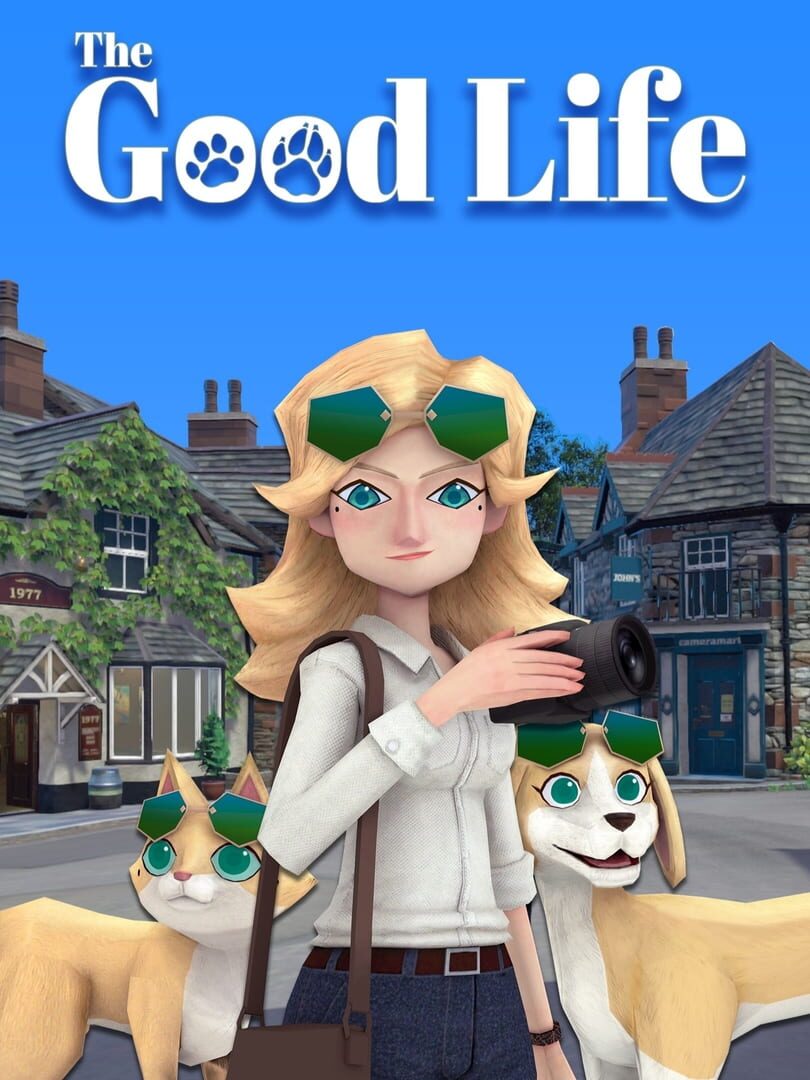
For those who relish bizarre interactive experiences, The Good Life is an essential oddity that can't be missed. For everyone else, this is a barely functional chore that is all but guaranteed to frustrate and bewilder.
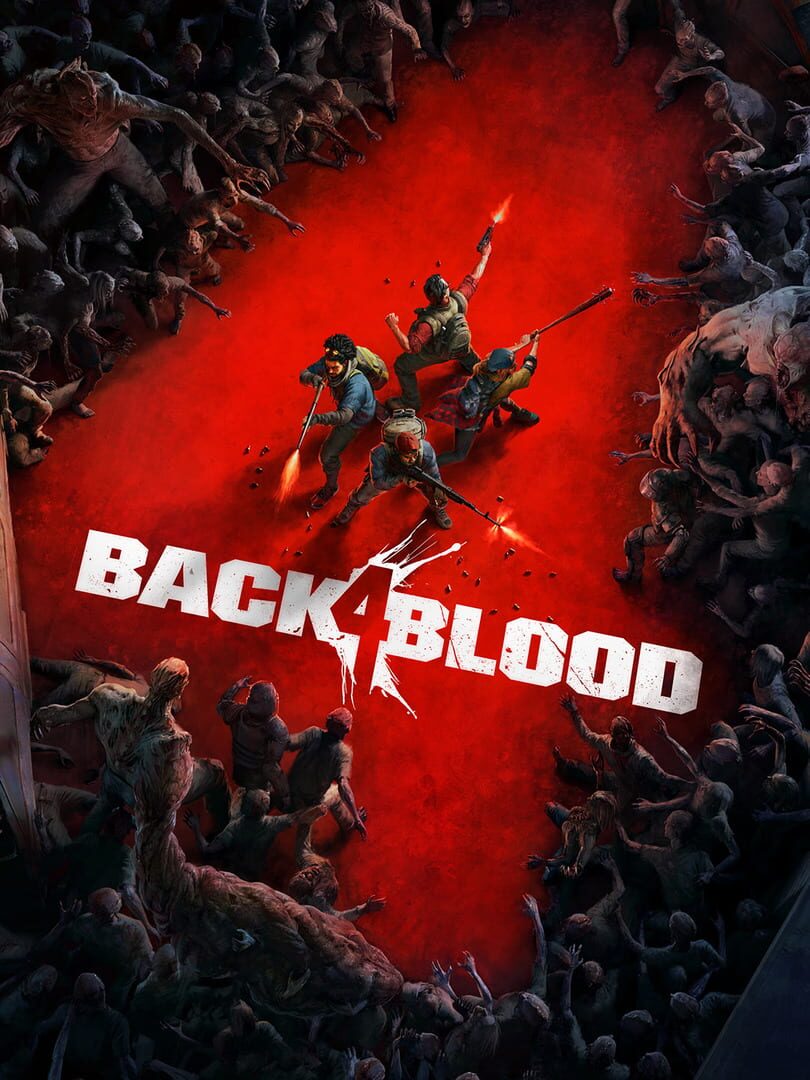
Having spent a lot of time with Back 4 Blood, we think it's well worth your time and, crucially, your money. It's just a lot of fun blowing Ridden heads off or smashing them with a baseball bat like a watermelon in an anime beach episode. It doesn't really deliver a compelling experience solo – the bots are just a touch too stupid for that – but Back 4 Blood ought to become a multiplayer fixture for the rest of the generation to come. Unless they bring out Back 4 Blood 2 in, like, a year.
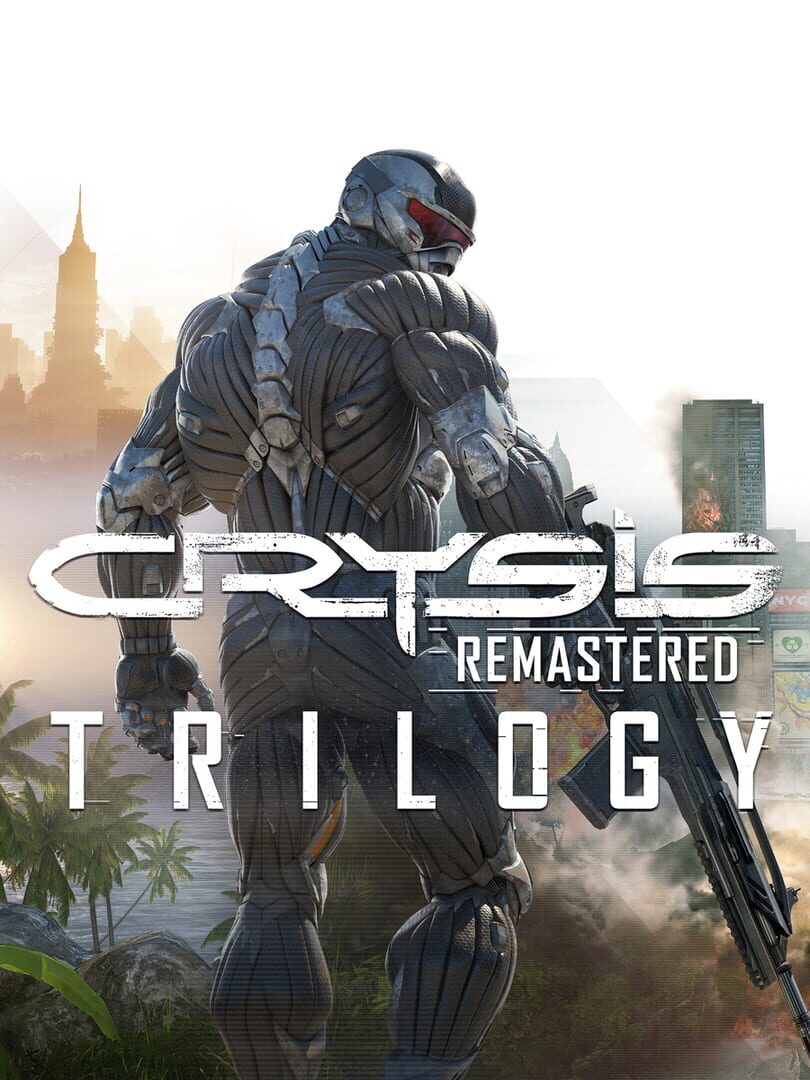
Three ten-hour games in one package might seem good value, but the truth is the Crysis series only hits its stride in fits and spurts until the third game. On PS4 the remastered graphics get better as the series goes on, so there’s no real reason to play the first game unless you’re already a fan or you’re interested to see how Crysis started. Crytek’s series is certainly interesting to dissect as you go through. Consistently fun to play, though? That’s a different story.
NHL 22 surprises by making its debut on a new console without removing any of its modes, but those who played NHL 21 may find this version a little too familiar. X-Factors on paper should be a game-changer but are mostly underwhelming. The switch to Frostbite does massively improve the fidelity of the rink – even if character models still look downright demonic – but should that really be the biggest change to the game? The ultimate question is: can the price increase be justified on the PS5? And given how little really has changed from last year to this year, the answer has to be a “no”.