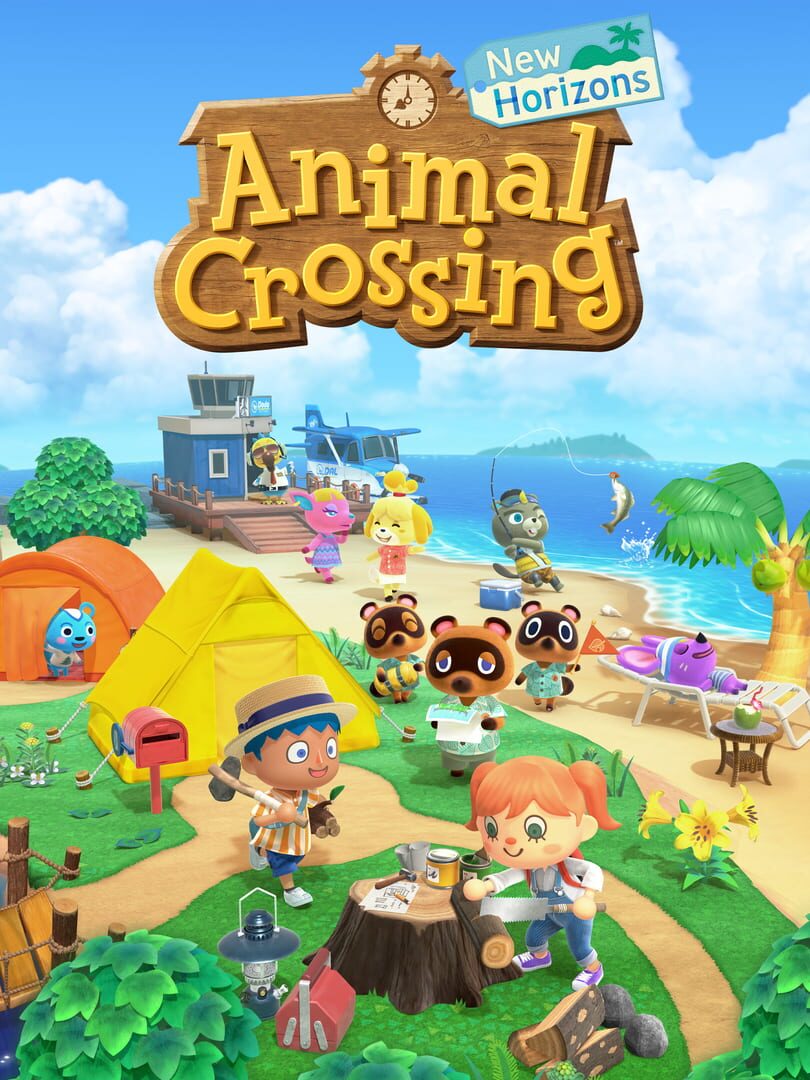
Animal Crossing: New Horizons2020
Critic—
Agreement100%
This trip to an island paradise couldn’t have come at a better time
Read full review at Polygon
No vote recorded.

Last reviewed: Zero Parades: For Dead Spies · 2 months ago
This trip to an island paradise couldn’t have come at a better time
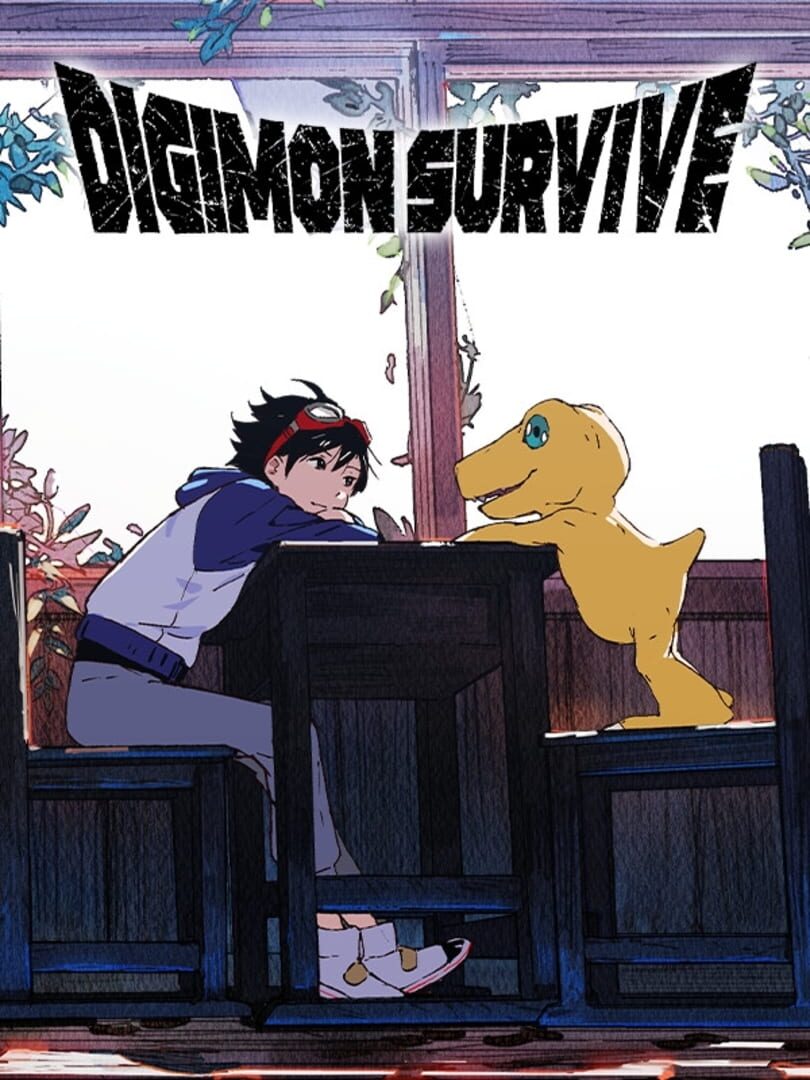
A gripping finale can’t save a bland cast and shallow writing
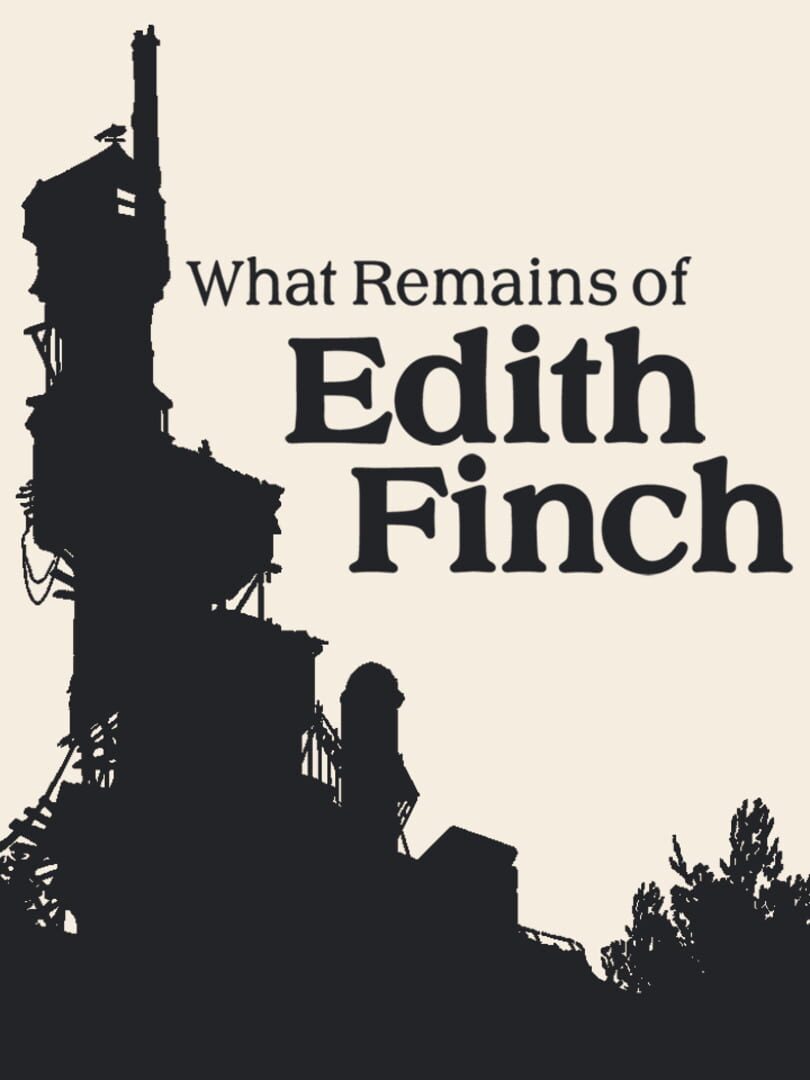
What Remains of Edith Finch is beautiful and bittersweet
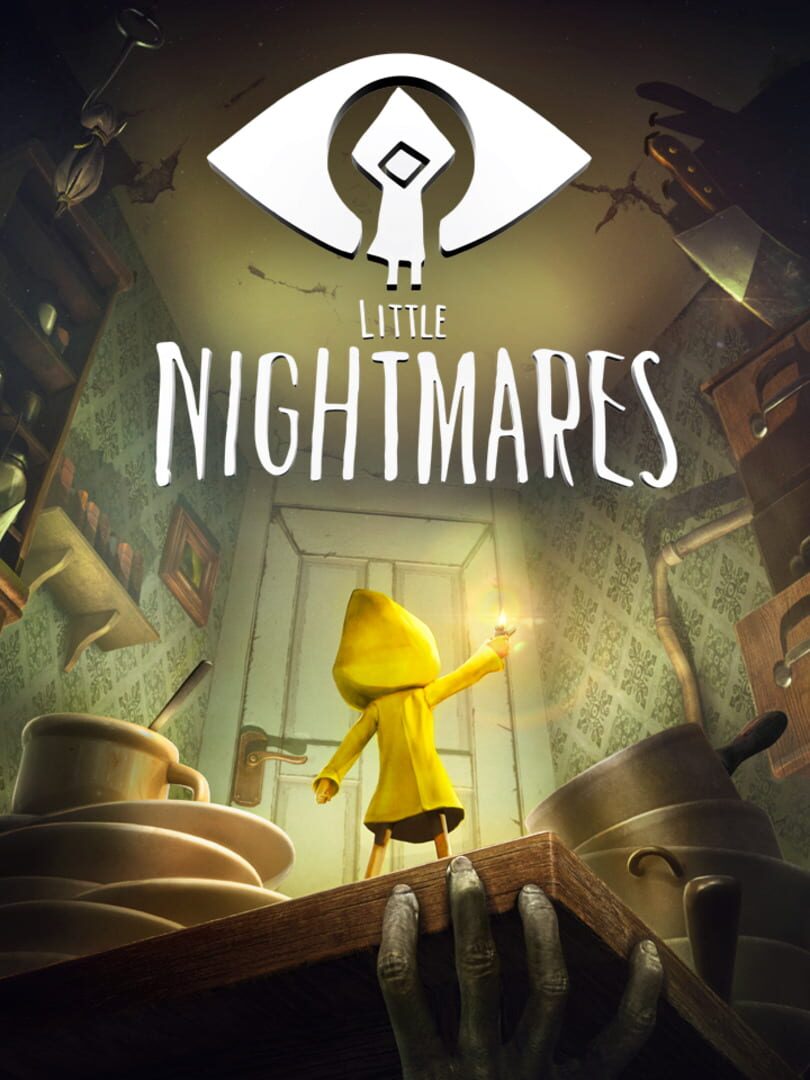
Little Nightmares' creepiness makes a lasting impression
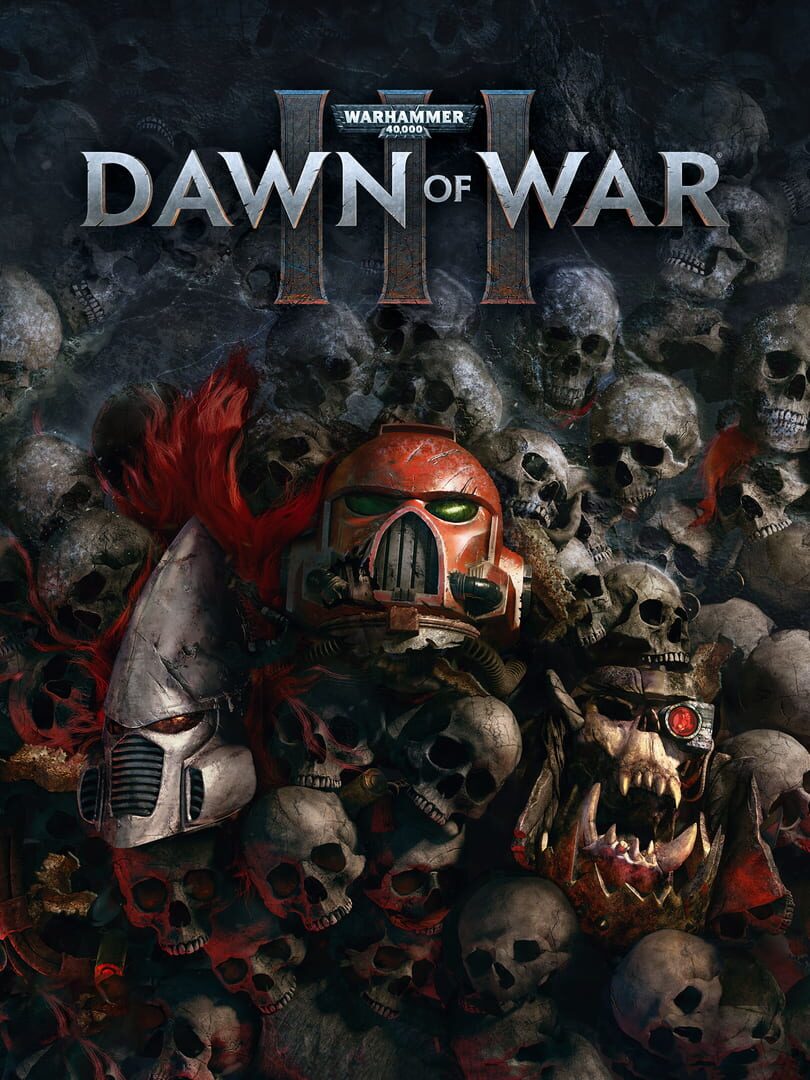
Dawn of War 3 isn't evolutionary, but it is ferociously competent
Blackwood Crossing's truth is unforgettable and wrenching.
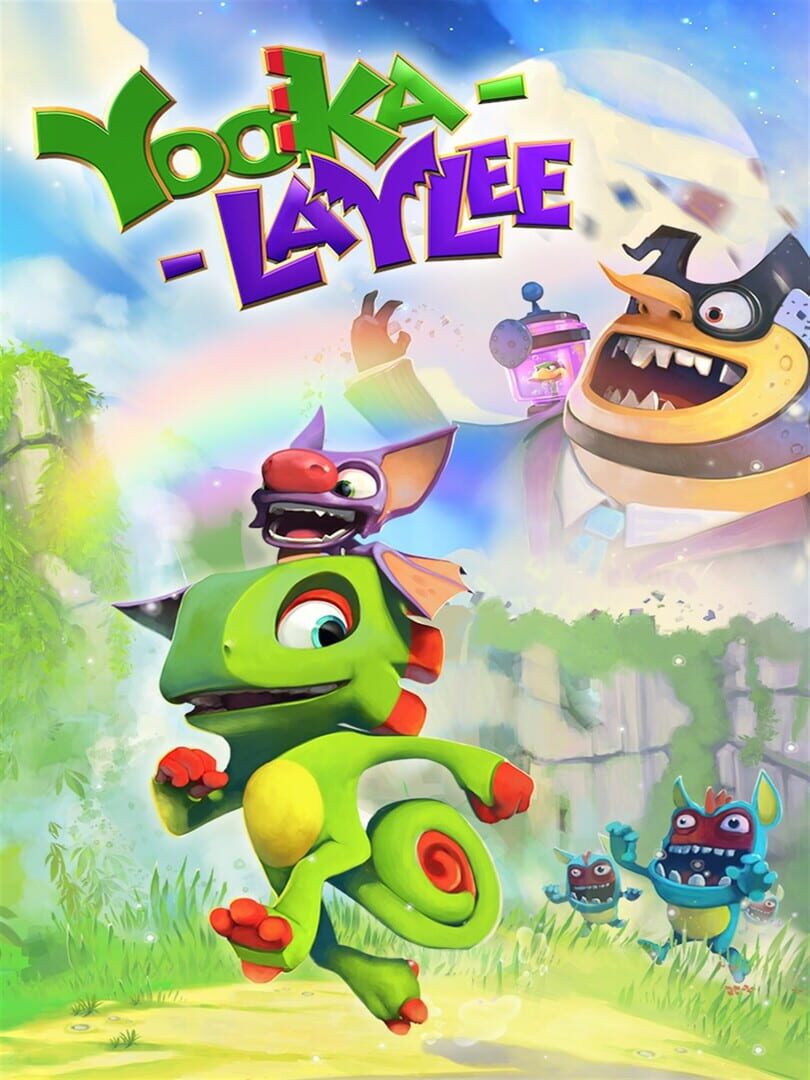
A new coat of paint can't fix Yooka-Laylee's old design problems
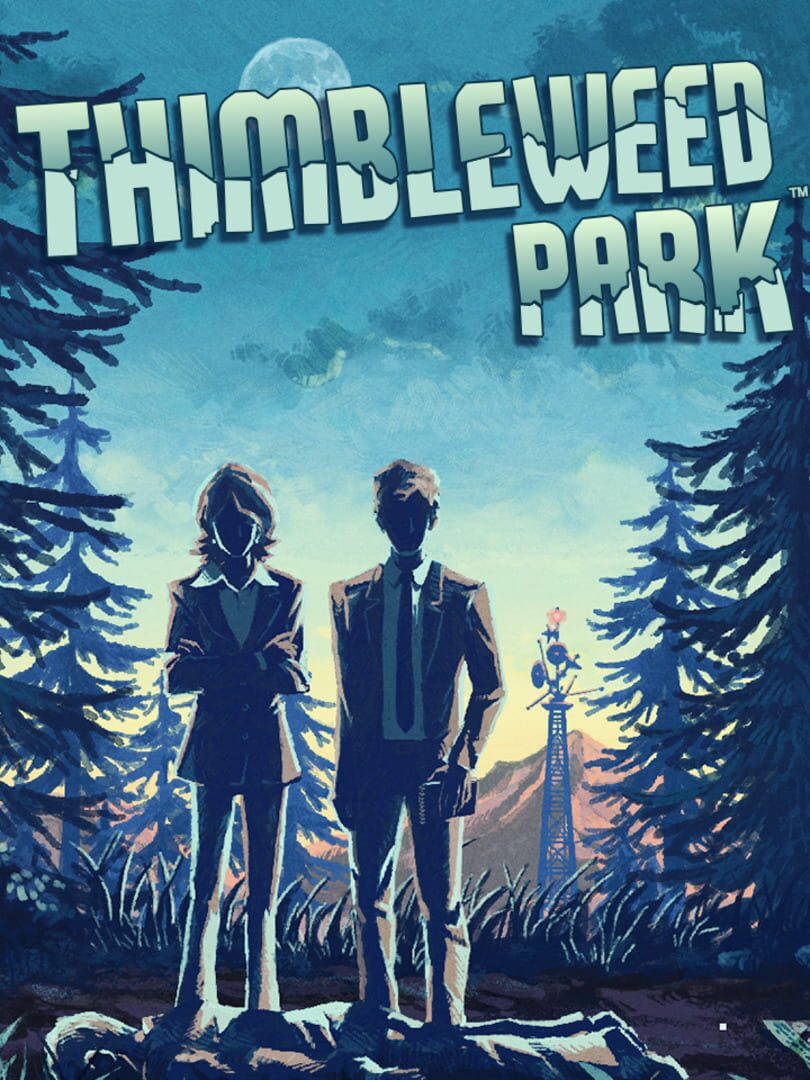
Thimbleweed Park is almost too successful channeling a different era of adventure games.

Time will tell if the changes to MLB the Show 17 establish a new foundation for what is enjoyed five years from now. In the present, though, it is still a richly illustrated, seductively appealing depiction of the National Pastime.
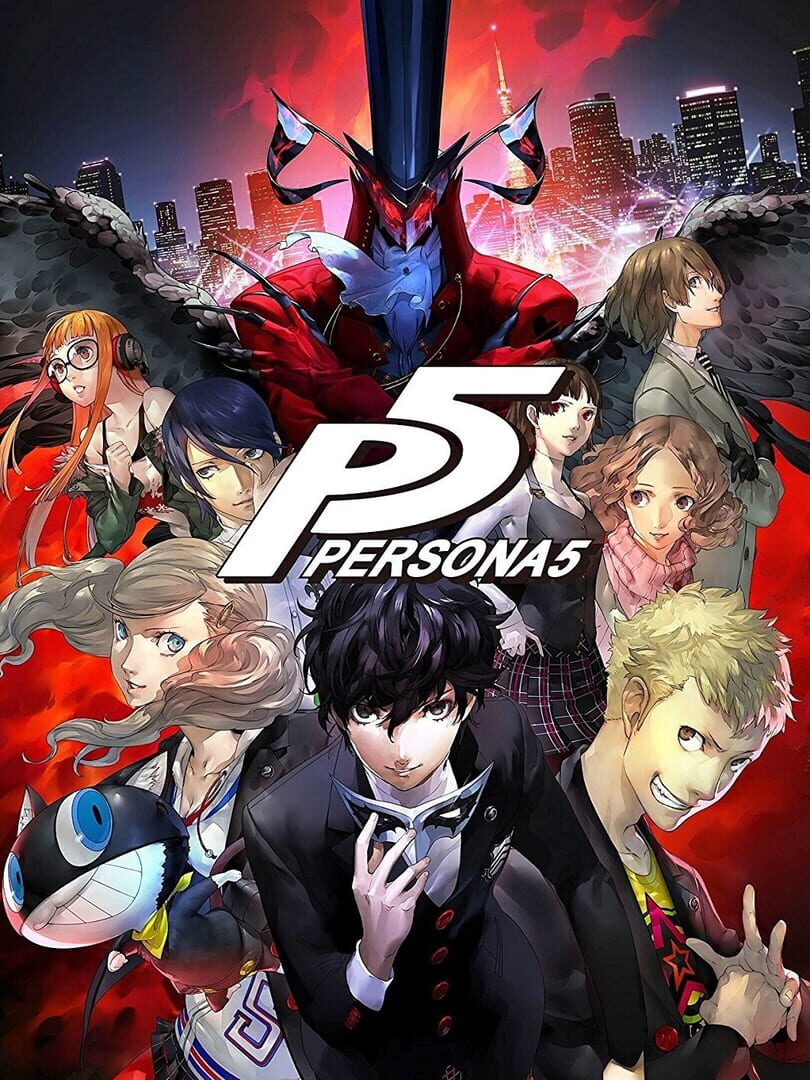
It successfully pushes this series to new heights of polish, allure and charm. It has a few blemishes, enough to distract a bit from the intriguing and weighty themes that the game wrestles with. But even through the rough patches, Persona 5 doesn't give up a drop of its colorful personality.
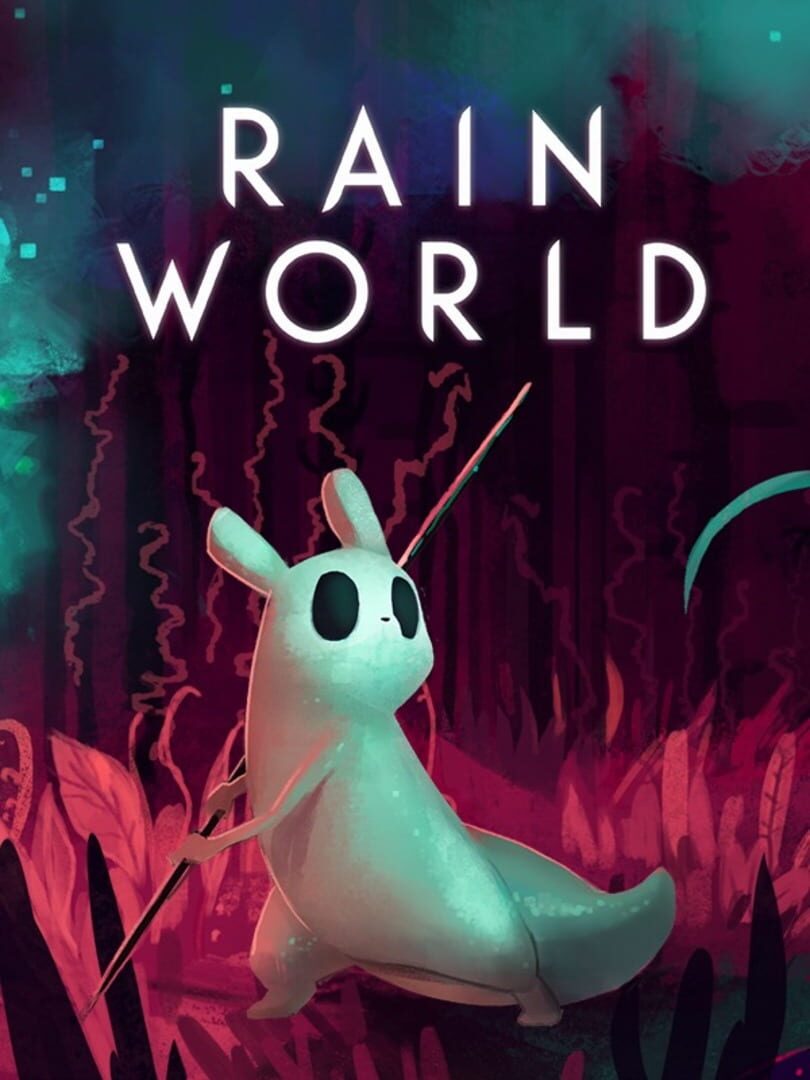
With core systems opaque and unnecessarily limited, all I ever felt equipped to do in Rain World was fail.
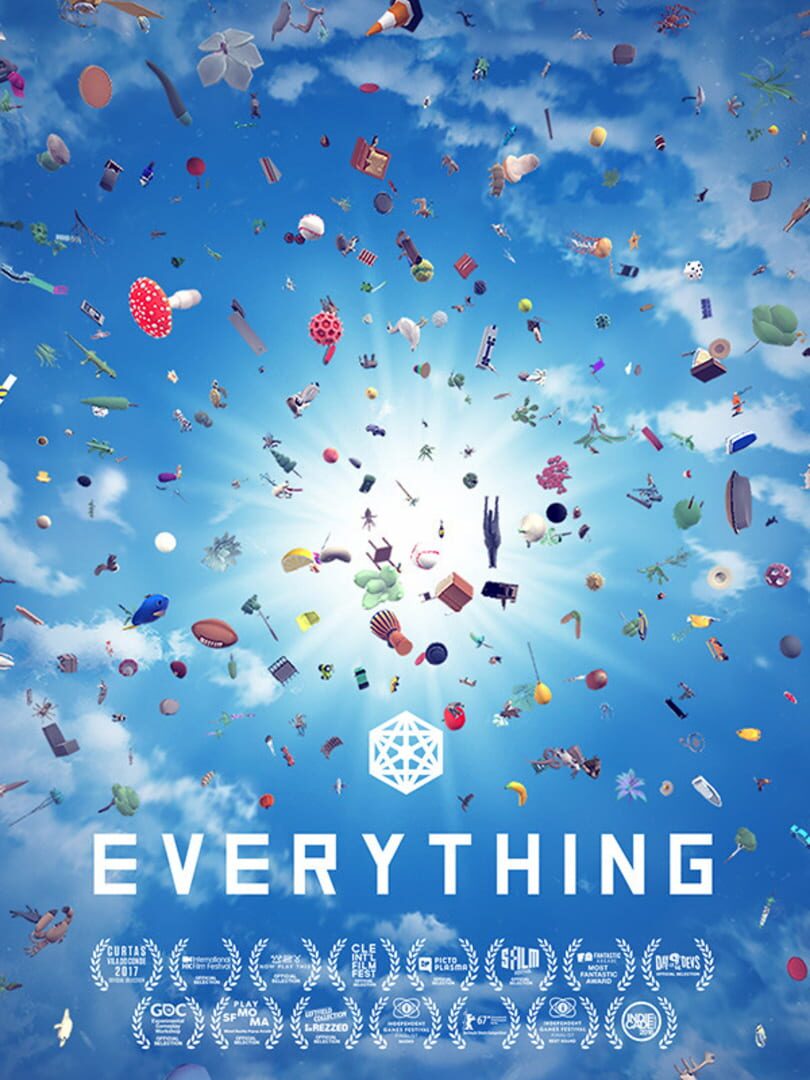
This is an exceptional piece of fantasy fiction, a metamorphosis machine, a toy, a game like no other. It's a work of deep imagination, humor and thoughtfulness. Everything held me captive for many hours, and will continue to do so. It's brave, bizarre, compelling and beautiful.
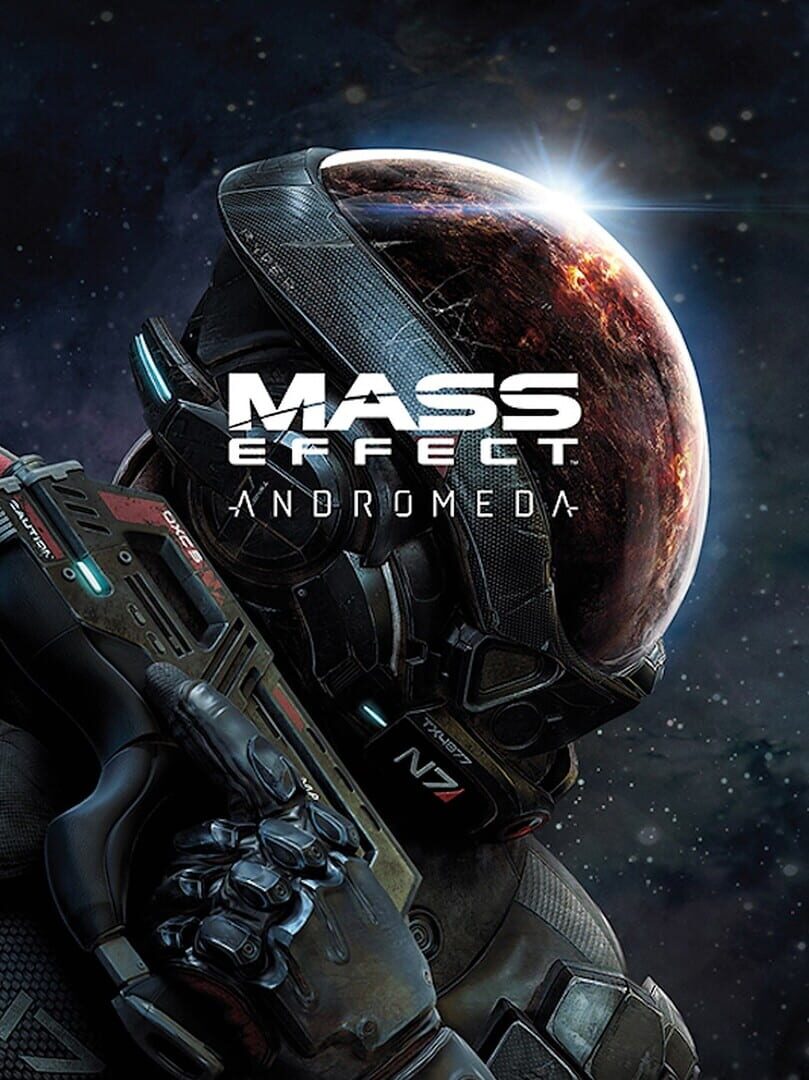
Andromeda succeeds, despite a host of problems
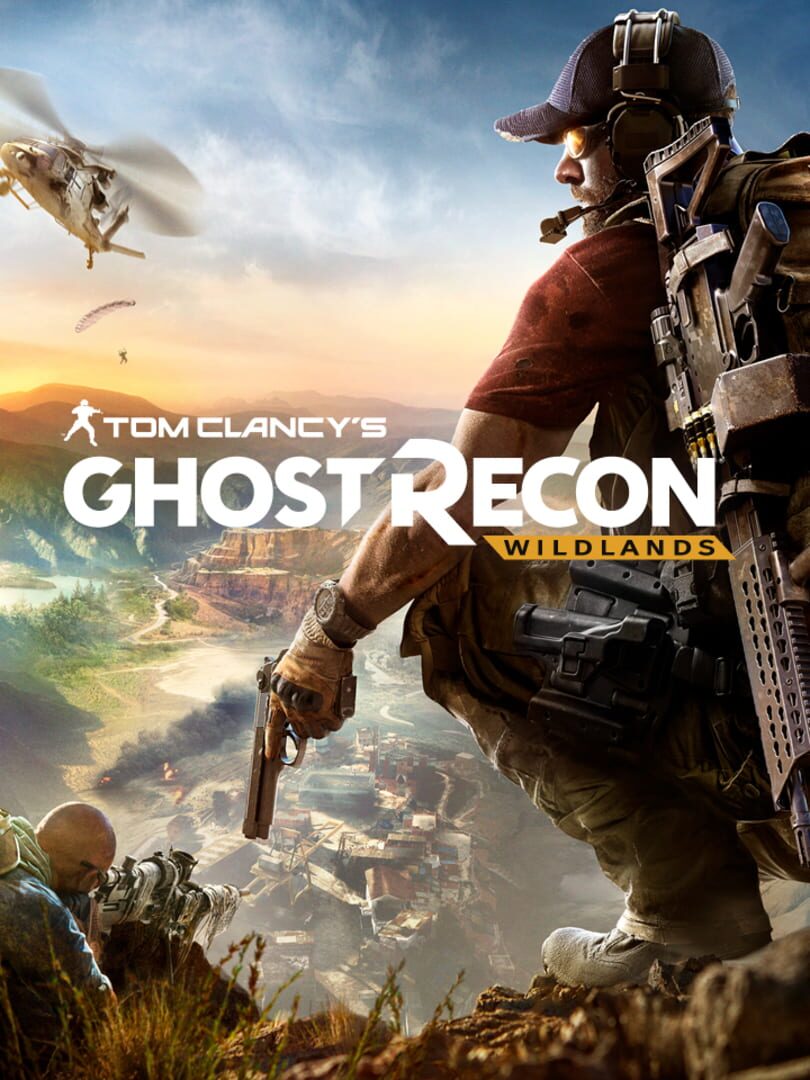
Wildlands wants to be both an ultraviolent cartoon and a grounded, ripped-from-the-headlines thriller. It can't do both, and it's much better at being silly and absurd. The mechanical experience of it is as freewheeling a sandbox as I've ever seen, but the frame, the tone and the script weigh it down like an anchor.
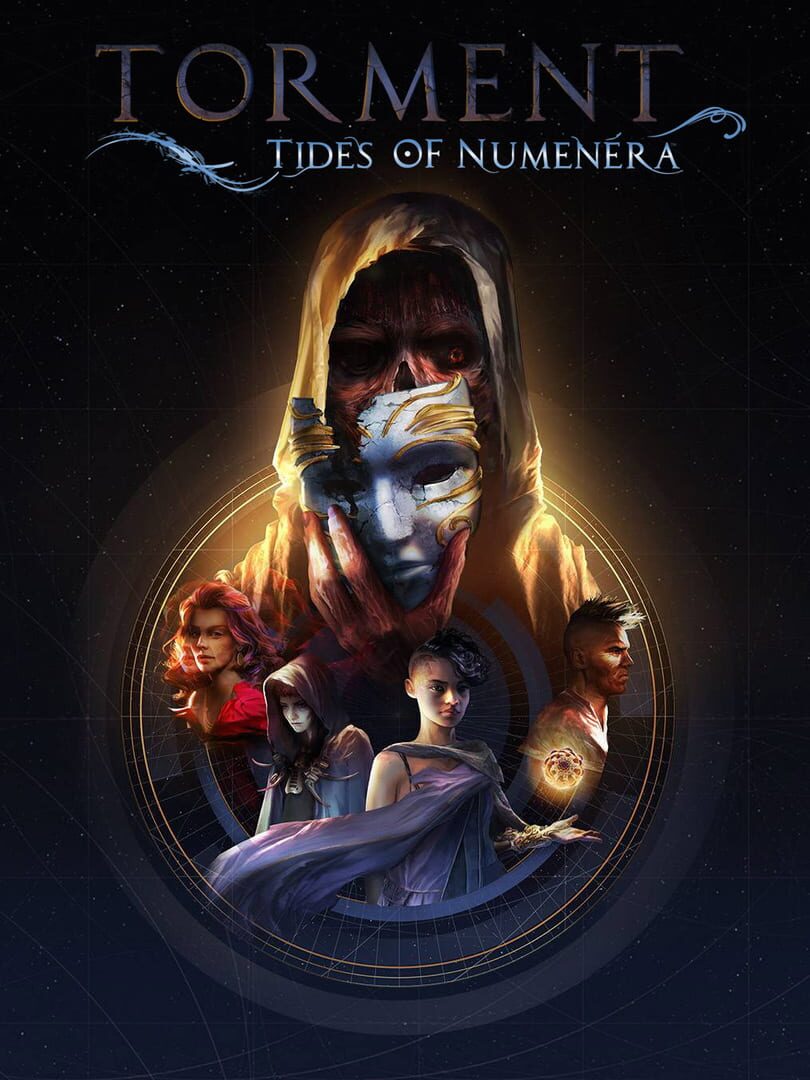
Aside from some issues with encounter balance and my yearnings for more detail, it's a beautiful, challenging game, content to be ambiguous, rich and confounding in ways that few other RPGs have ever pulled off.
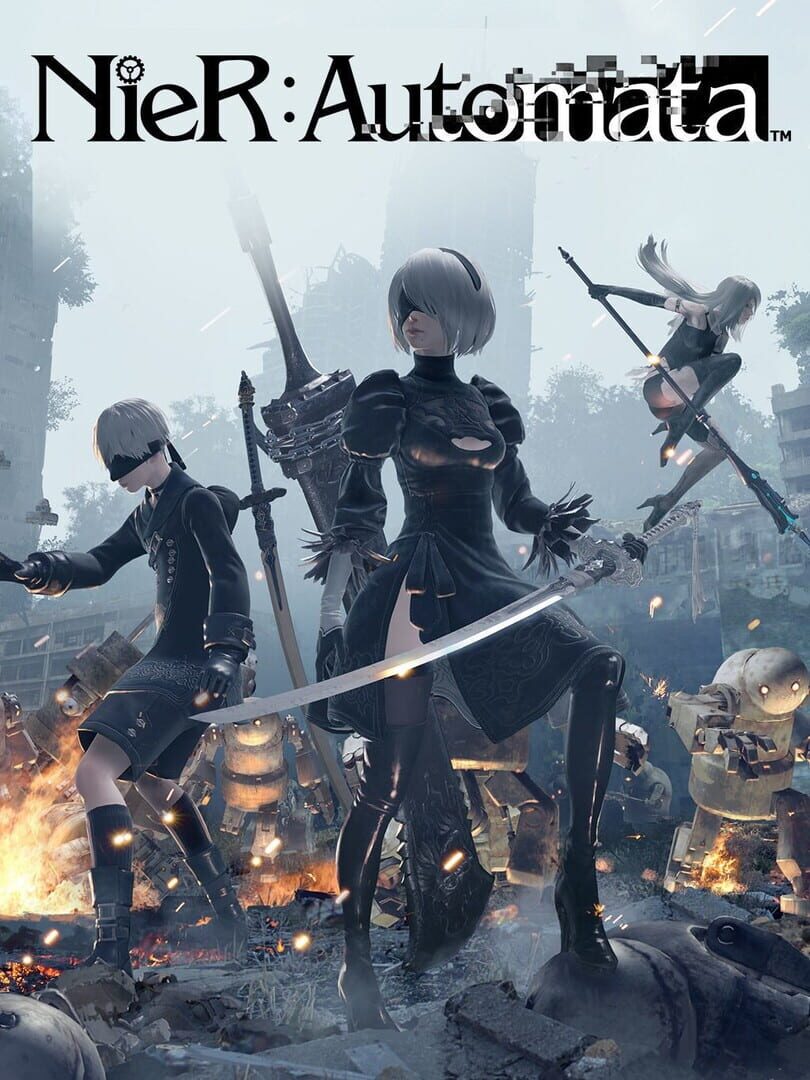
If that's my biggest problem with it after clearing each of the game's five core endings, that should say everything. Nier: Automata is a game that's more than willing to make players feel small, both physically and conceptually. It wants to swallow them whole, and it succeeds. Nier demands patience with its antics — not to mention its definition of "ending" — but it's patience was rewarded.