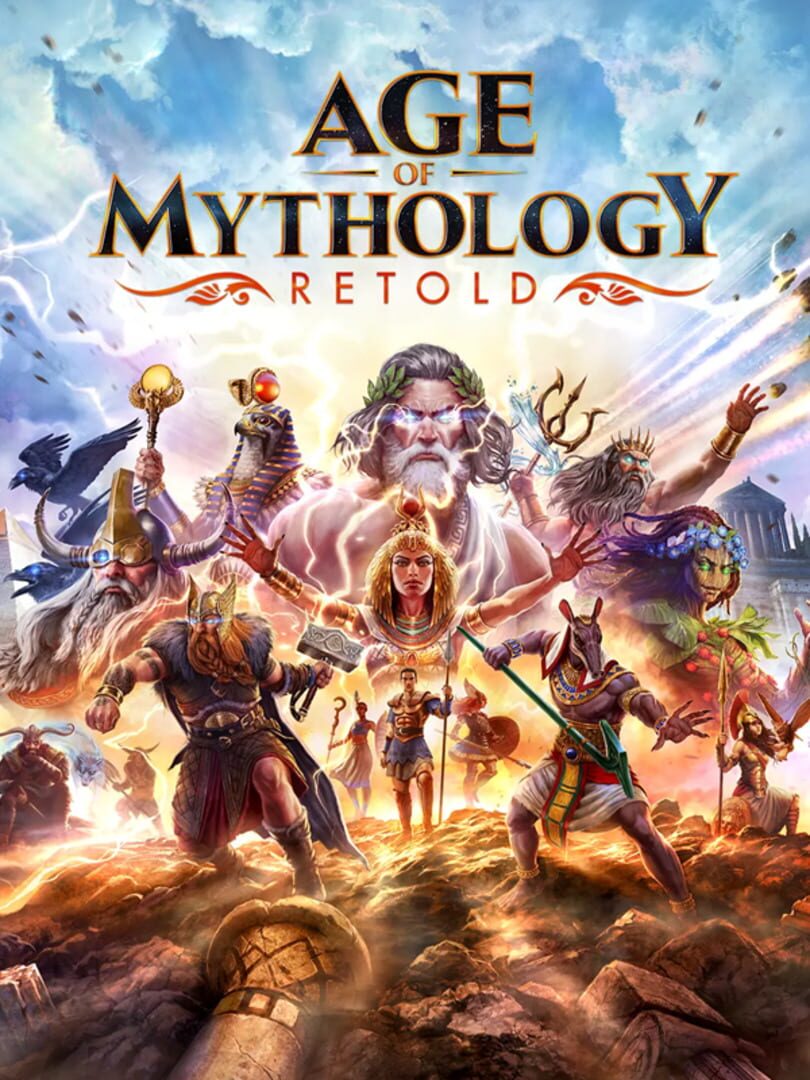
there's no denying that Age of Mythology’s gameplay can feel simplistic, which is ironic, considering how influential the series has been. Having played a bunch back in the day, the missed campaigns are appreciated, but we can’t see ourselves regularly returning to the well.
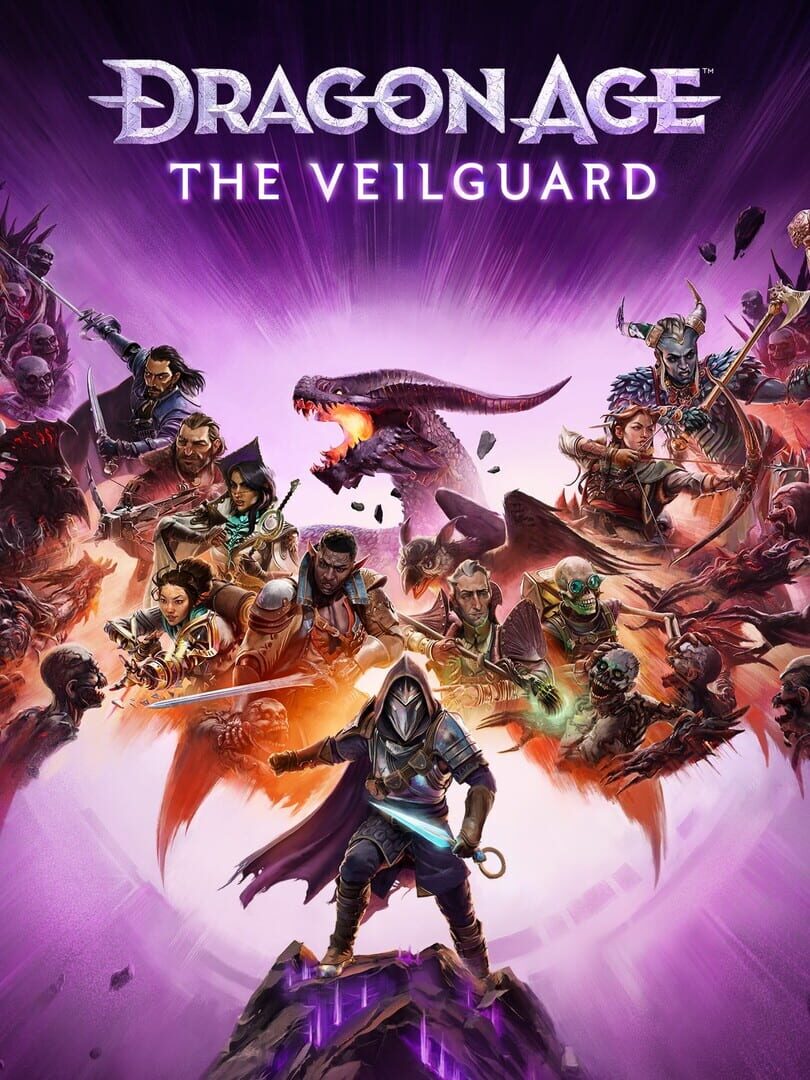
Dragon Age: The Veilguard isn't quite BioWare back to its absolute best, but it is the most cohesive and emotionally engaging RPG that the studio has delivered since Mass Effect 3. Its shift to crunchy action combat is an improvement over Inquisition's middle-of-the-road approach, and although the game feels a little light on meaningful player choice, the storytelling pulls no punches when it actually matters. This is a gorgeous and gripping adventure, backed by a cast of endearing heroes and deliciously devious villains.
There's a place for FMV games like The Complex, but this effort is both poorly written and performed. You'll tire of the cast long before you reach the release's credits, and while the title does include various branches in its story, it generally feels like you're on autopilot for the most part. If you're desperate for a live action experience, the PS4 already has much better alternatives to this.
MLB The Show 20 is the definitive version of Sony San Diego's baseball simulation on the PS4, but long-time fans may feel that this franchise is just starting to show signs of fatigue. The gameplay refinements are welcome, and this is the biggest instalment thus far, but the shift to next-gen will be welcome as the developer seeks to revolutionise the best sports game on the market by far.
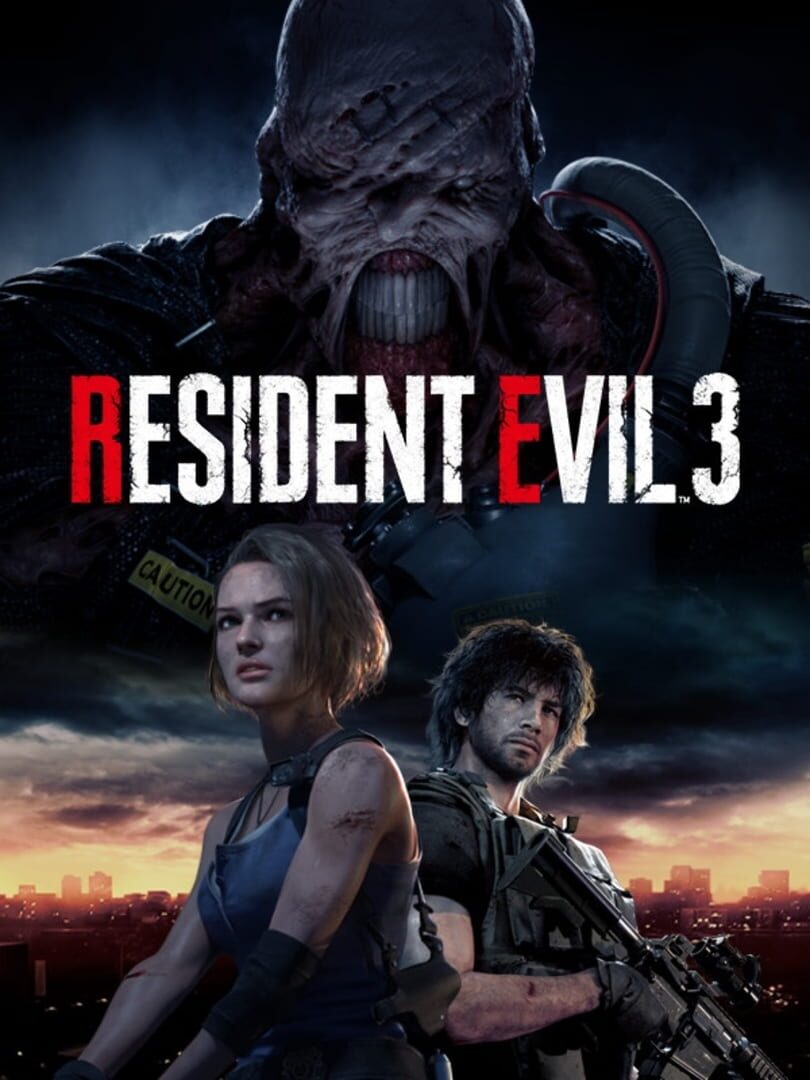
Resident Evil 3 had the potential to better its classic predecessor, but a disappointing amount of cut content and the let down that is Nemesis hold it back from greatness. It's still an experience very much worth revisiting, with Raccoon City and the hospital receiving a lot of love and attention, however, it only makes us question what could have been that little bit more.
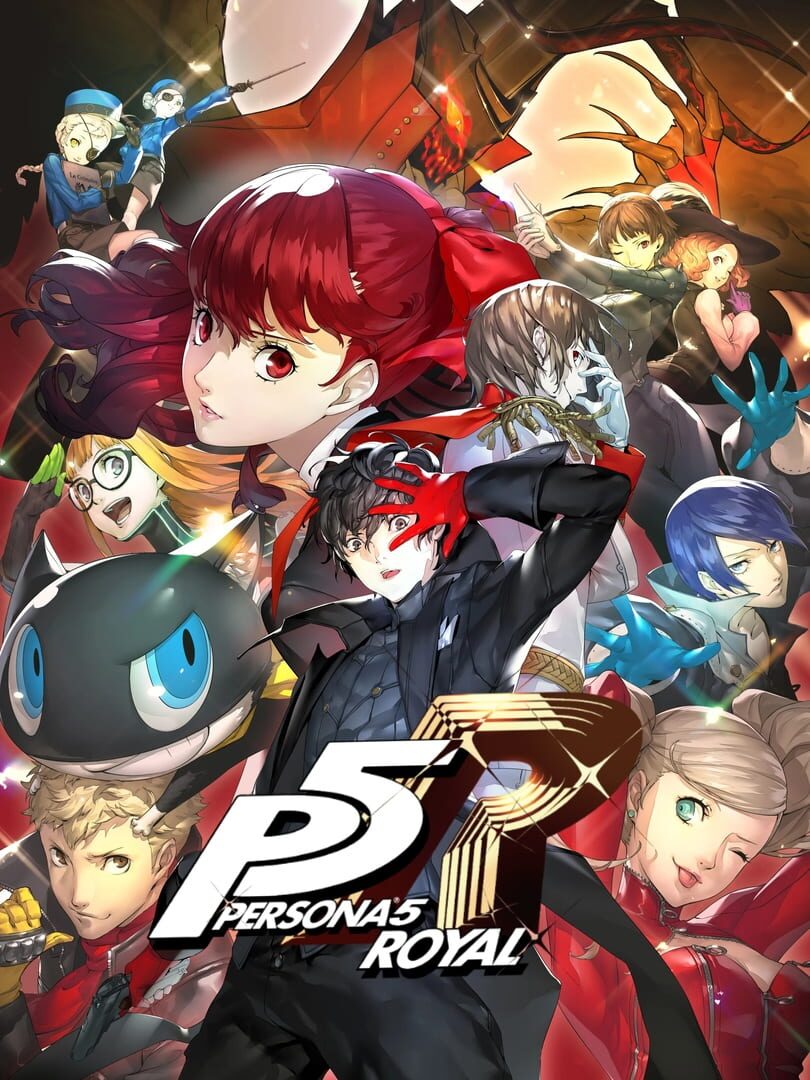
Persona 5 Royal improves upon what was already one of the greatest RPGs of this generation. The entirely new semester -- Royal's headline act -- is a fantastic addition, but really, it's the countless smaller improvements to gameplay and structure that sell this enhanced re-release, especially if you've already played through Persona 5. Our only criticism is aimed at the price tag -- full retail at launch -- but ultimately, it's difficult to deny the quality on offer here. The Phantom Thieves are back, and their tale of rebellion rings truer than ever.
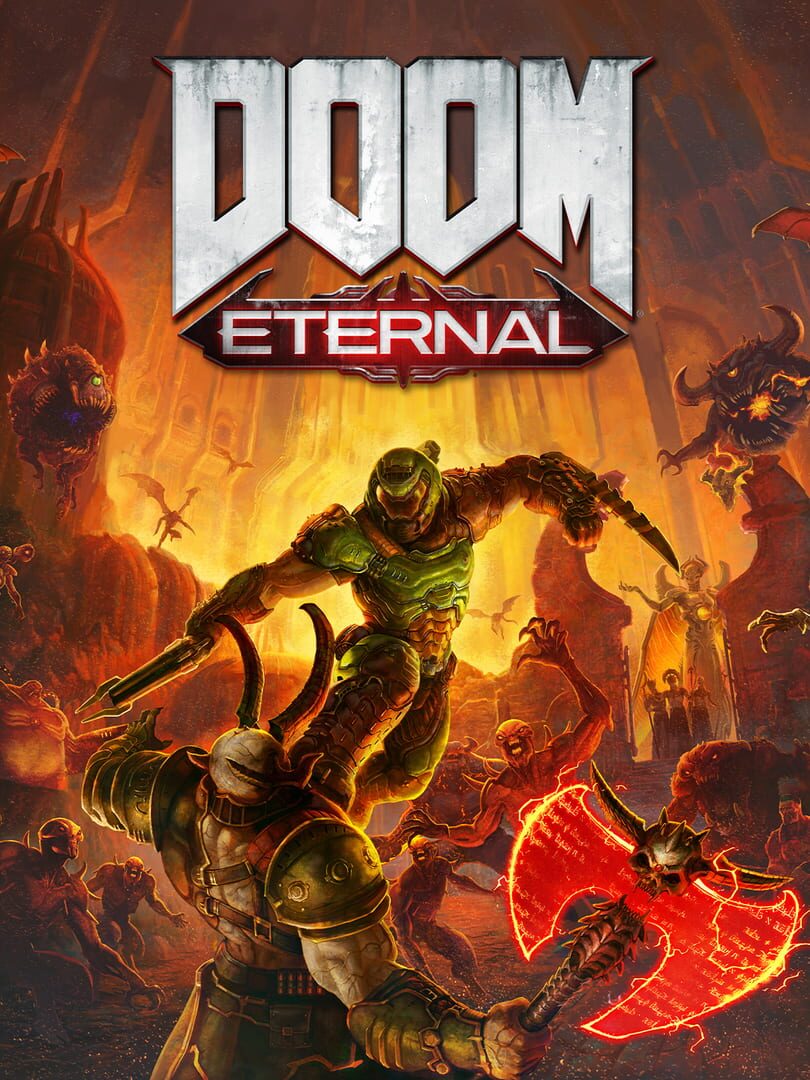
Something that hasn’t aged quite as well are the shooting galleries. The enemy spawns feel too abundant on some levels, causing the gunplay to get a bit too monotonous. This is especially true on 'The Lost Levels' which are brand new bonus missions meant to connect “old” Doom to “new” Doom, but end up overstaying their welcome.
Once the novelty of playing a game within the My Hero Academia world wears off, all that's left is another fairly average arena brawler. Different modes aren't enough to make the title stand out, and ultimately, My Hero One's Justice 2 offers an experience which, although enjoyable, is forgettable and somewhat bland. It's safe to say that we expected more from this sequel.
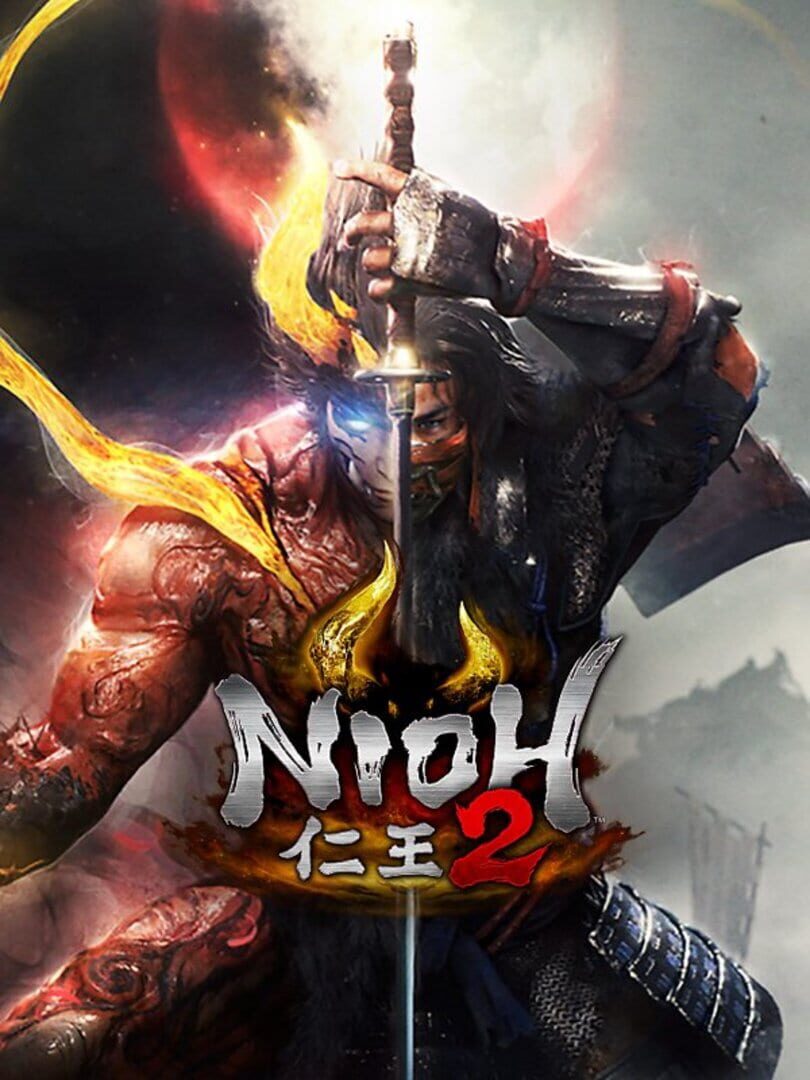
While it may be incredibly similar to what came before it, Nioh 2 smartly adds yet more depth and mechanics to its engagements to make for one of the best combat systems around.
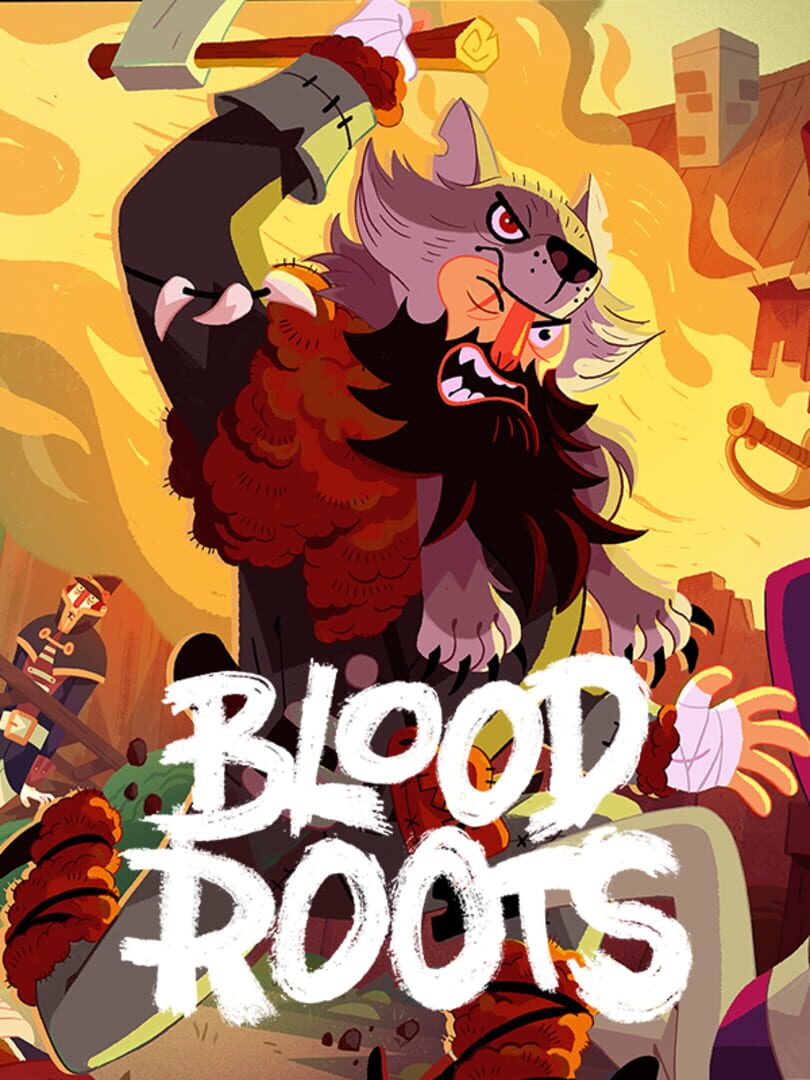
Bloodroots takes the frenetic ferocity of Hotline Miami and transforms it into an action puzzler that's distinct enough to stand on its own. The title incorporates its enormous roster of weaponry effortlessly and is able to easily communicate each armament's strengths throughout spontaneous skirmishes. It's masterfully designed and bizarrely well written, meaning not even difficulty spikes and occasionally unfair camerawork can detract from its achievements.