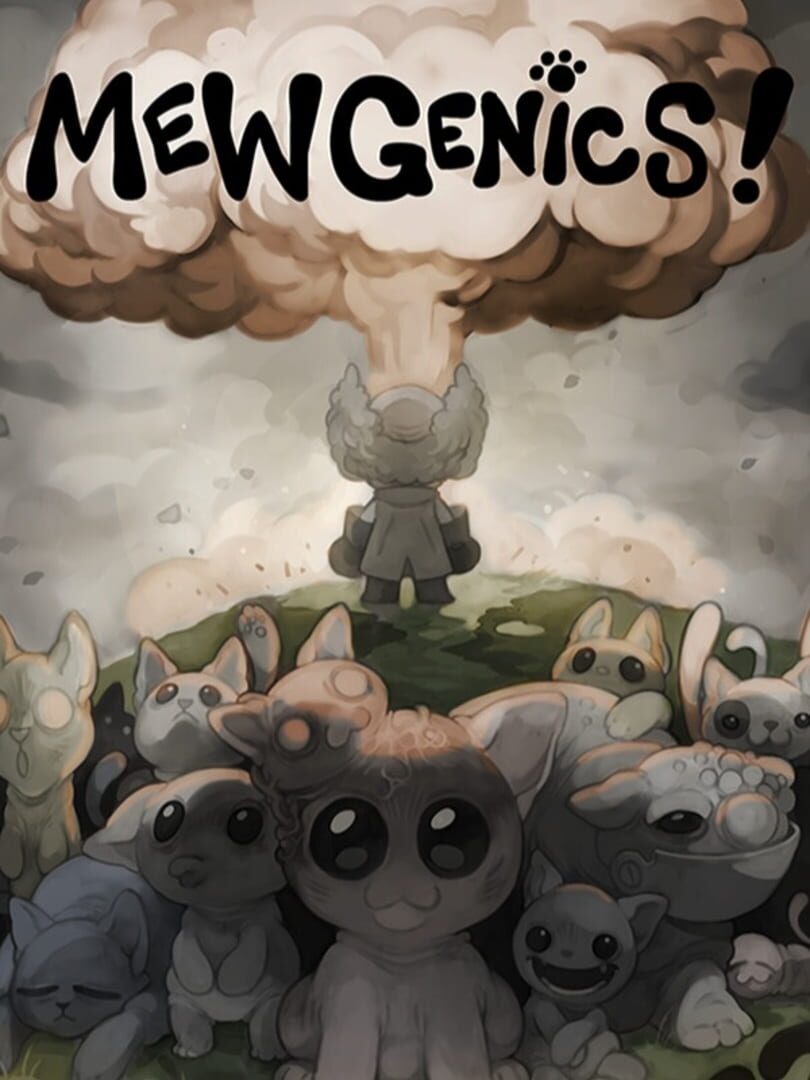
I can't get Fish Sticks out of my head. Not the food, but the stray cat with a squished face and stubby legs that I wrangled into my shack in Edmund McMillen and Tyler Glaiel’s new roguelite strategy game, Mewgenics. The shop, the pub, the dentist; no matter where I go, I…
I was, like so many of my 1990s-born peers, a huge Sims girlie. I spent hundreds of hours as a teen and young adult making people I knew, characters from shows I was obsessing over, or original characters I wanted to experiment with, and diligently following their life paths and…
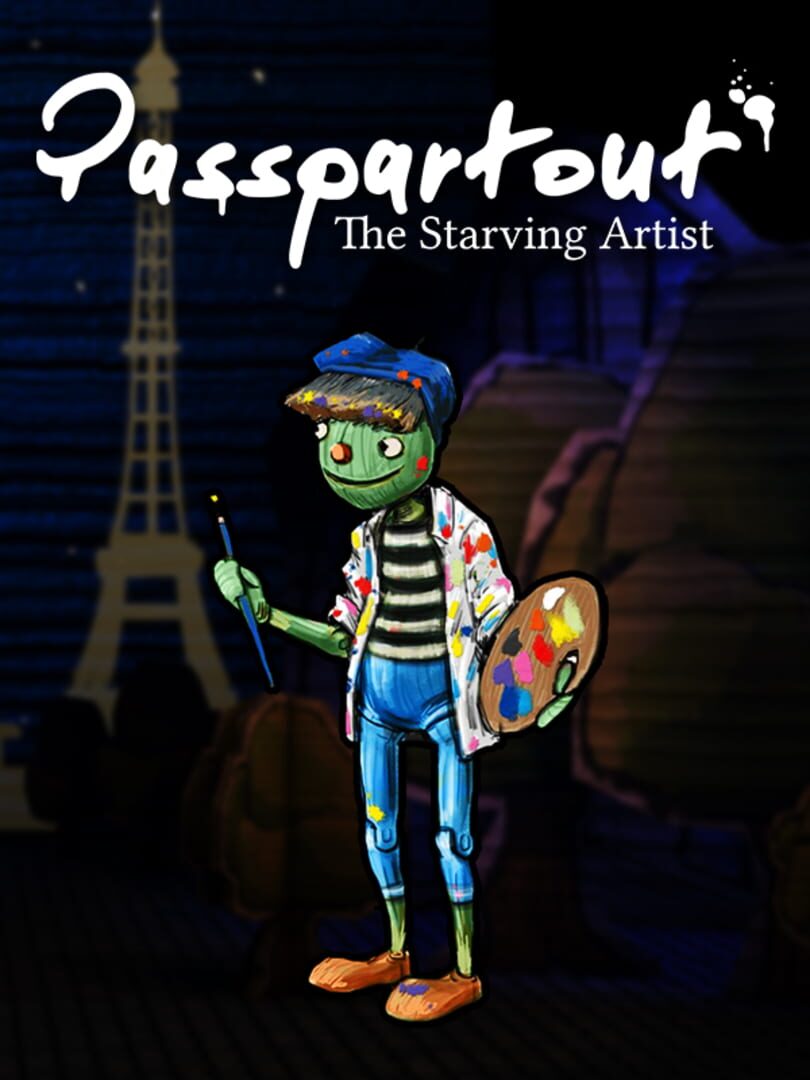
Passpartout does a decent job of replicating the frustrations and concerns of being a painter, but that does mean it's purposefully difficult to tell what people want. I like that it gives you an excuse to indulge in some childish MS Paint creativity, but I'm finished with the art scene. These scum don't deserve to gaze upon the Stretch Face.
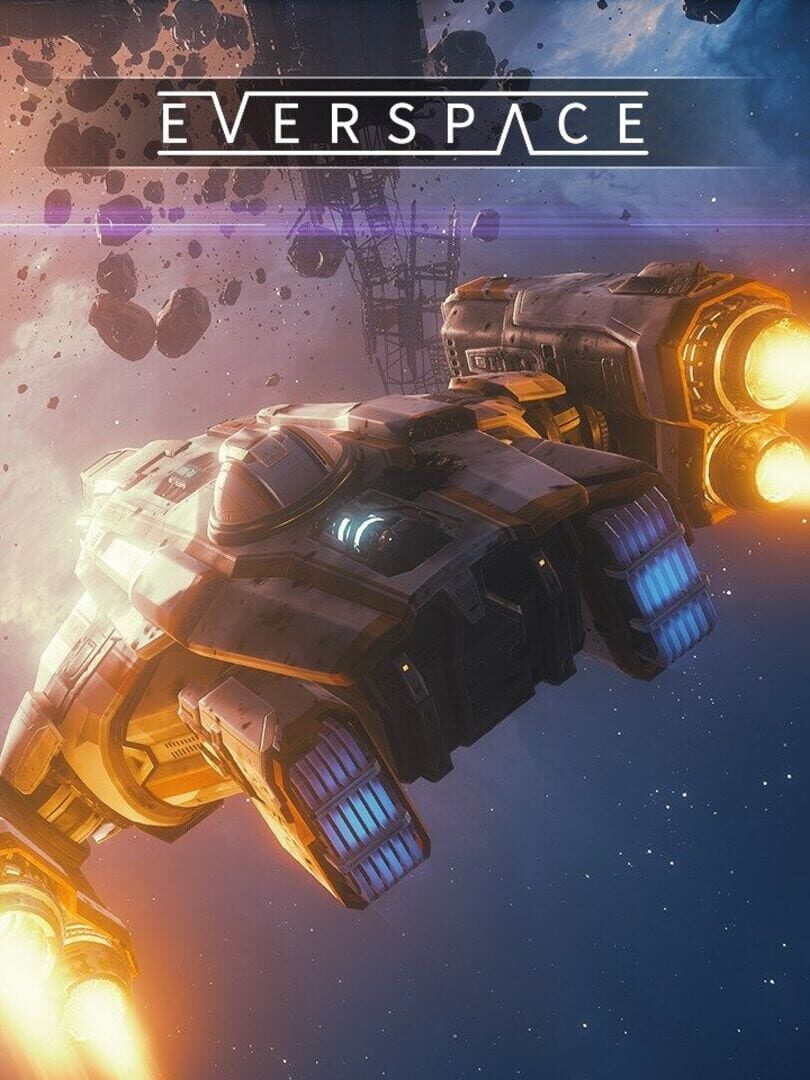
Everspace is at its best when one or two bits of your ship are busted and you have to improvise slightly during fights and prioritise finding the nearest mechanic station or a pile of nanobots. When the pressure is on and it embraces those sim-lite incidents, it can overcome its dogfighting simplicity and dainty flight controls. For me, however, I'm not sure that's enough to keep playing.
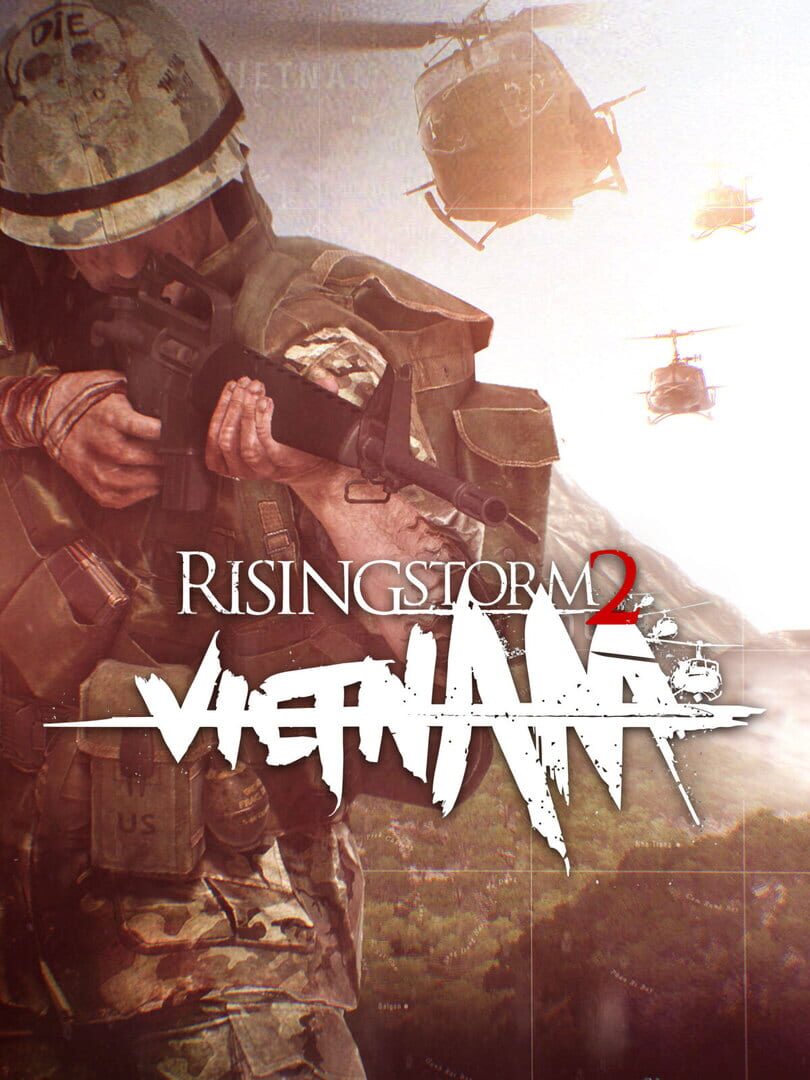
It's not the most polished shooter but it does shine in all the right places, and it builds on the huge potential of Red Orchestra, which I loved. There are very few games that can match the feeling you get when you watch an artillery strike destroy a treeline and push up with your squad mates under the cover of smoke and deafening explosions. If you're after a slower-paced shooter with tactical combat and tense moments, then it's time to enlist.
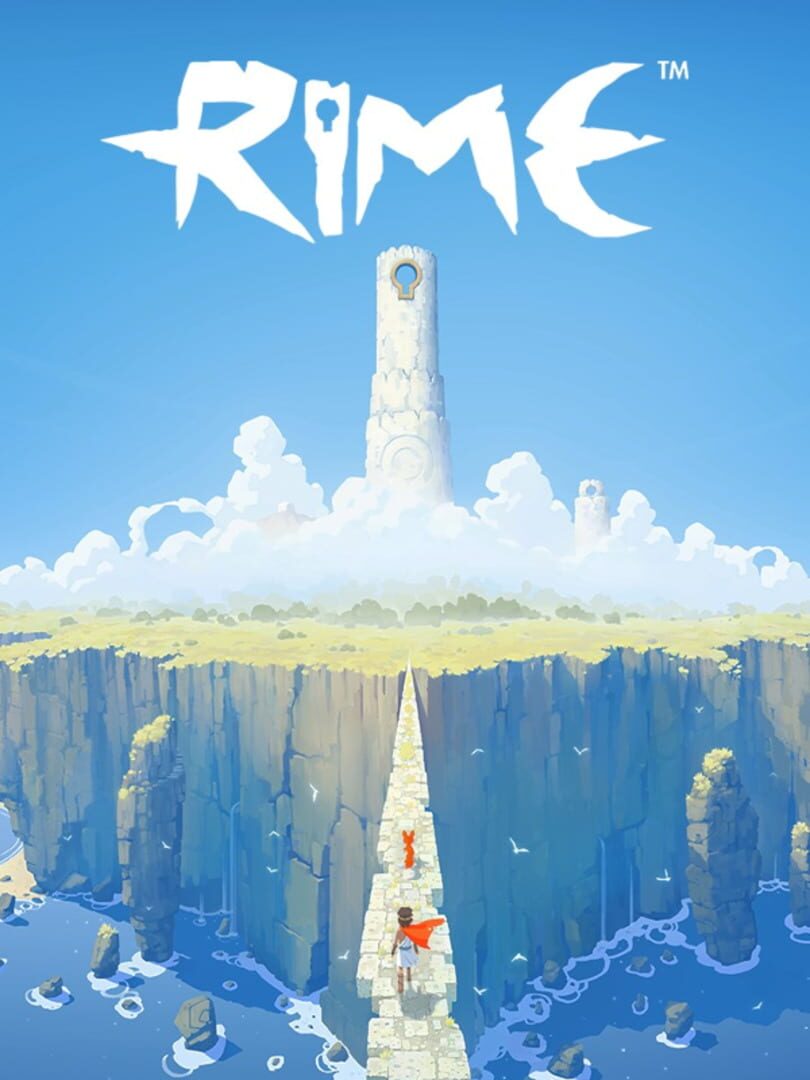
I've had such a splendid time with Rime, so deeply enjoyed its expansive and sumptuous world, and found myself not missing the attack button at all. Not when there's a sing/shout button that does so many more interesting things.
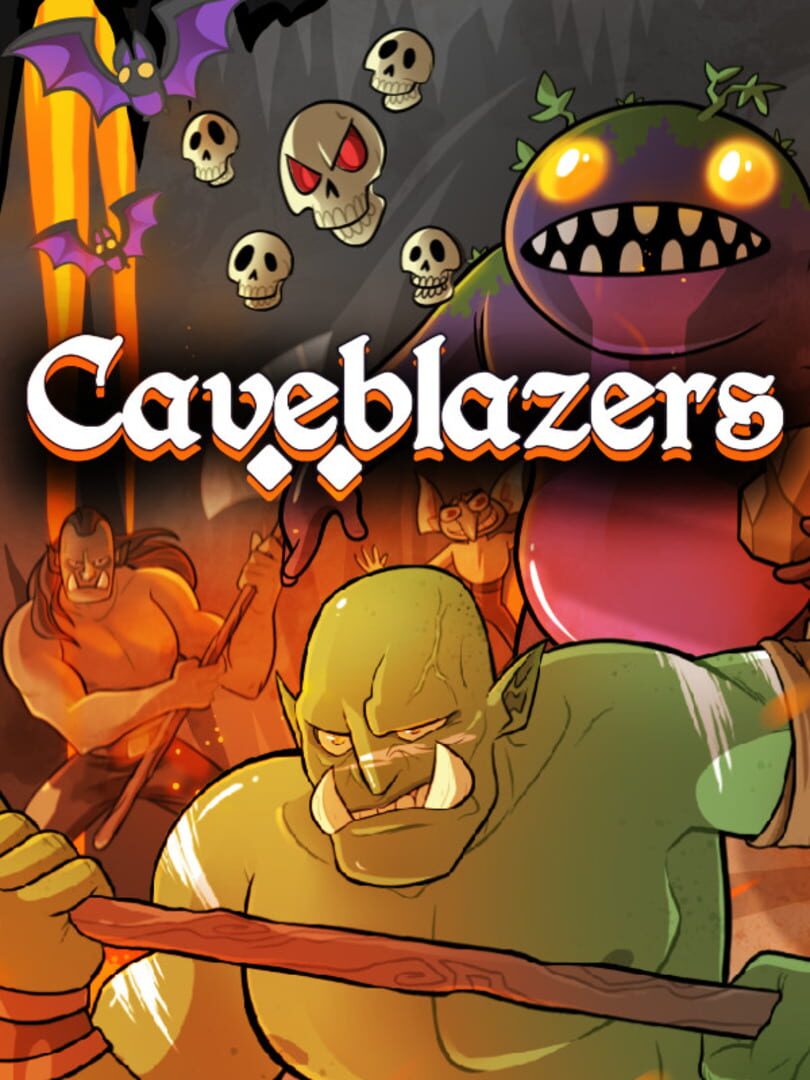
Caveblazers is superb and I'm looking forward to discovering all of its secrets, and to the local multiplayer add-on that's apparently coming soon. I can see myself playing for years to come.
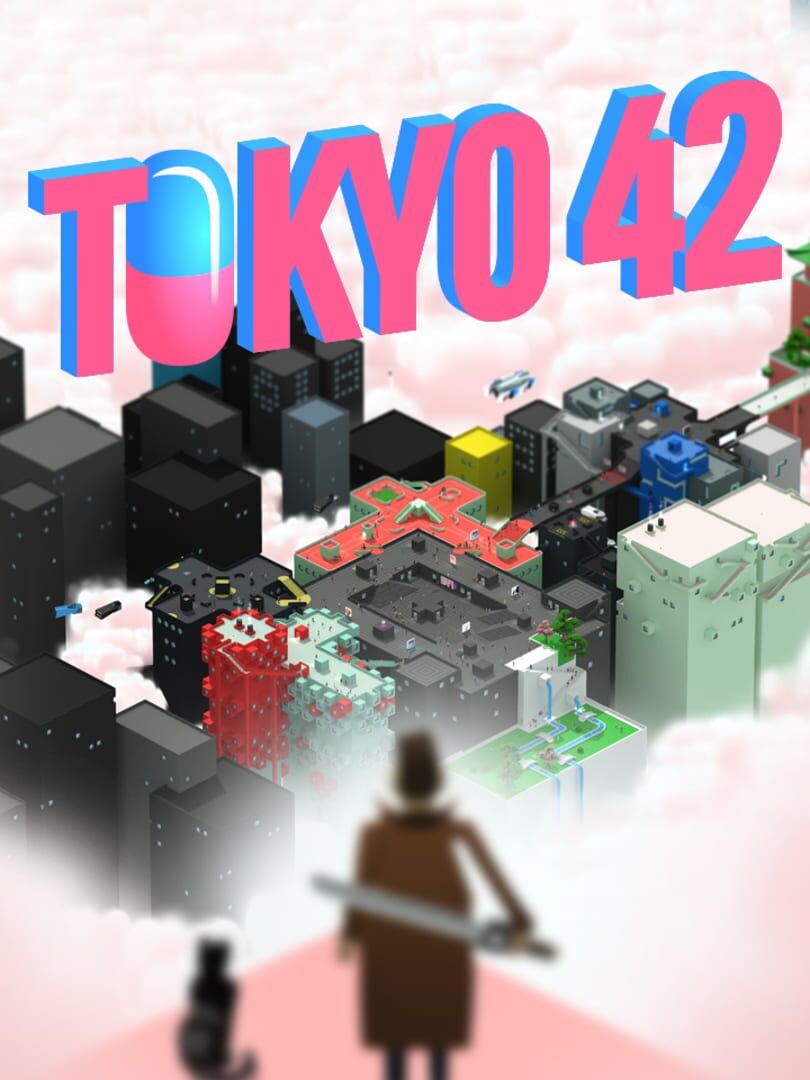
Tokyo 42 is an inventive and strikingly attractive game, with a very natural blend of stealth, combat and figuring out a path, unfortunately hamstrung somewhat by absolute fealty to its isometric perspective. ... An impressive accomplishment, but sometimes a grating one too.
There's not quite enough here to win me over completely, but there's more than enough to make the numerous trips I've made worthwhile, and part of the charm is in never knowing if there's anything left to discover.
Perception falls between two posts. It's premise is strong and the echolocation works well, but there simply isn't enough to do in that old house, other than knock on the walls and listen to tales of times gone by. It's a game that I wanted to like so much more than I do, partly because it's so visually appealing and partly because Cassie is such a likeable character. She deserves a better story for herself rather than to be an observer of other peoples' lives.
... a really interesting-sounding game, but one that steps on its own toes, its desire to be avant-garde thwarted not only by the over-familiarity of the devices used, but also the clumsiness of their implementation.
The Surge is shonky, inferior and more than a little derivative. But if you fancy a shortcut-filled robotic challenge, it's not all bad. Just be ready to get deprogrammed.
Sharp as a spike bayonet in the AI department, surprisingly realistic in areas like morale modelling, LoS and armour penetration, SD's crowning achievement is arguably its interface. It's hard to think of a wargame that makes control feel so effortless or one that communicates unit details so effectively. Beware – a few days with Eugen elegance makes Graviteam idiosyncracy awfully hard to bear.
At a certain point, after a certain incredibly tiresome sequence, a game-ending bug meant I'd have to go through the whole thing again, and I realised that as much as I loved the emotions of Edgelands, I wasn't invested enough in what might happen next to want to persist. Perhaps in a month's time, with more bugs fixed and just the option to tweak the speed a little faster, this could be well worth a look.
Old Man's Journey is a game with all of these prickles of delight but where the interstitial matter often feels humdrum. It's short enough that you can still pick those delights out even if you're not satisfied with the rest of the interactions, but you can't help but wonder, what if it had found a way to make the whole thing shine?
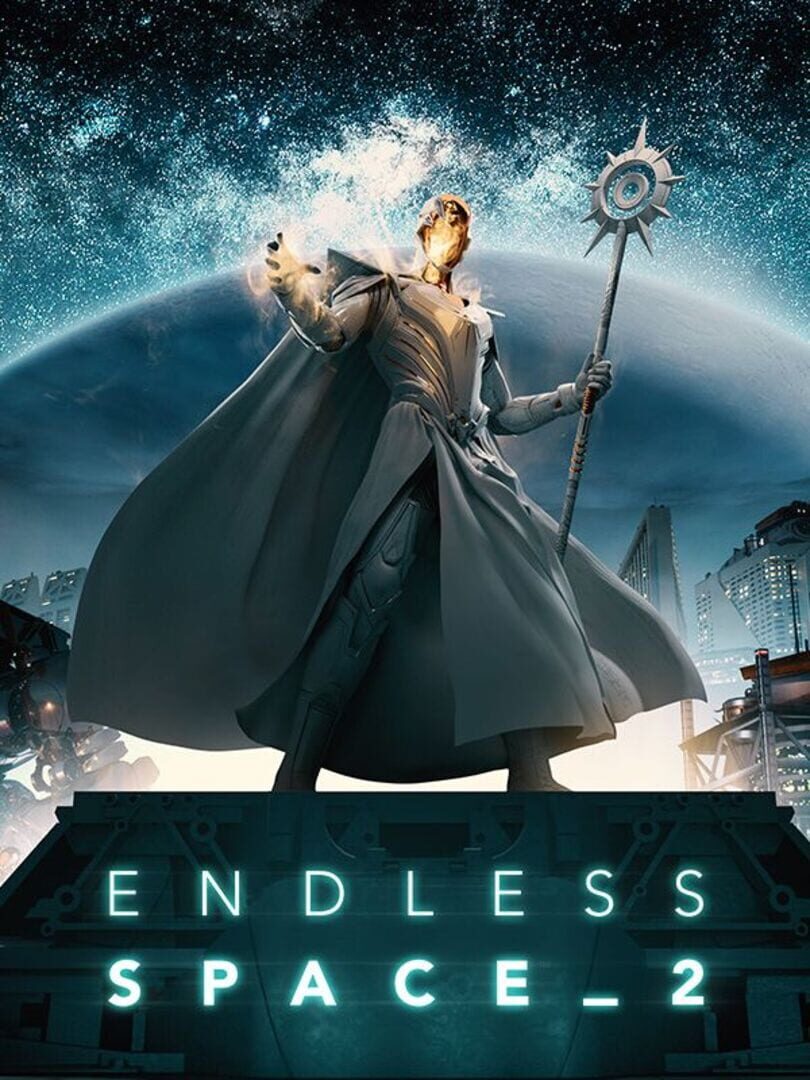
From the interface to economics, it sports some of the best systems I've seen in a 4X game, and like Endless Legend, it's simultaneously confident and experimental, finding new ways to spice up a genre that can too often be bland.