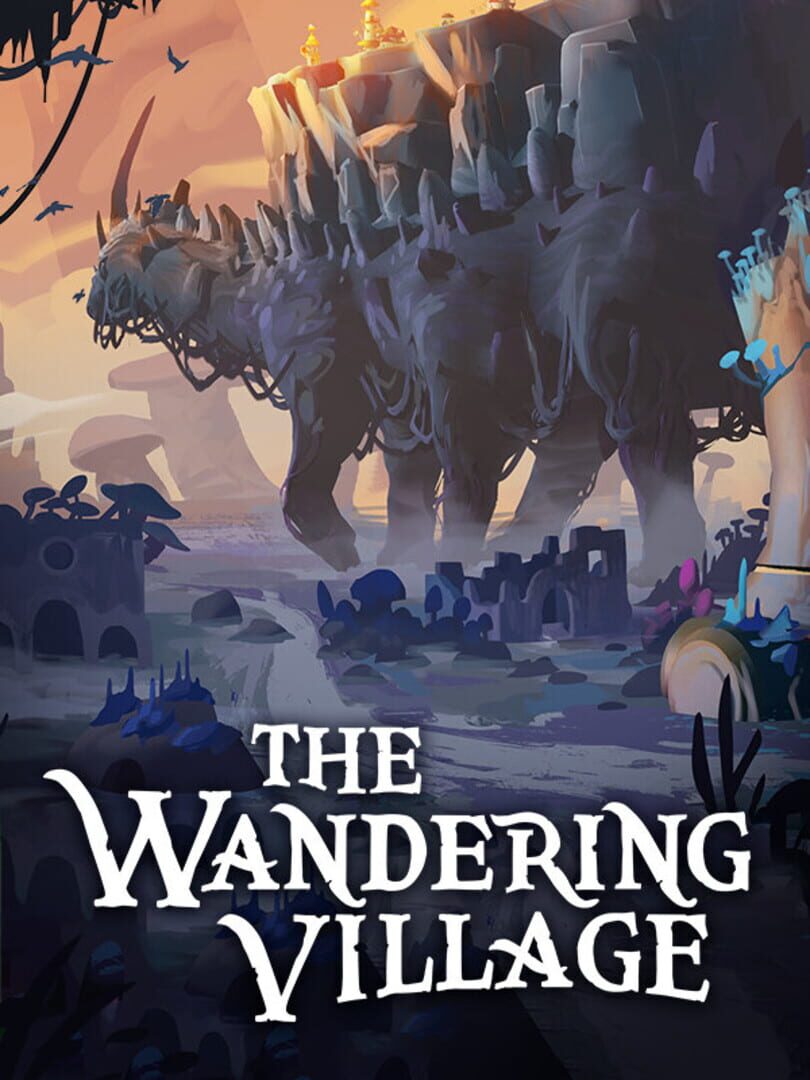
The Wandering Village2025
Critic—
Agreement100%
A captivating city builder where you play a group of nomads building a new home on the back of a magnificent, giant creature.
Read full review at Rock Paper Shotgun
No vote recorded.

Includes RPS, Rock, Paper, Shotgun
Last reviewed: Denshattack! · 6 days ago
A captivating city builder where you play a group of nomads building a new home on the back of a magnificent, giant creature.

I was, like so many of my 1990s-born peers, a huge Sims girlie. I spent hundreds of hours as a teen and young adult making people I knew, characters from shows I was obsessing over, or original characters I wanted to experiment with, and diligently following their life paths and…
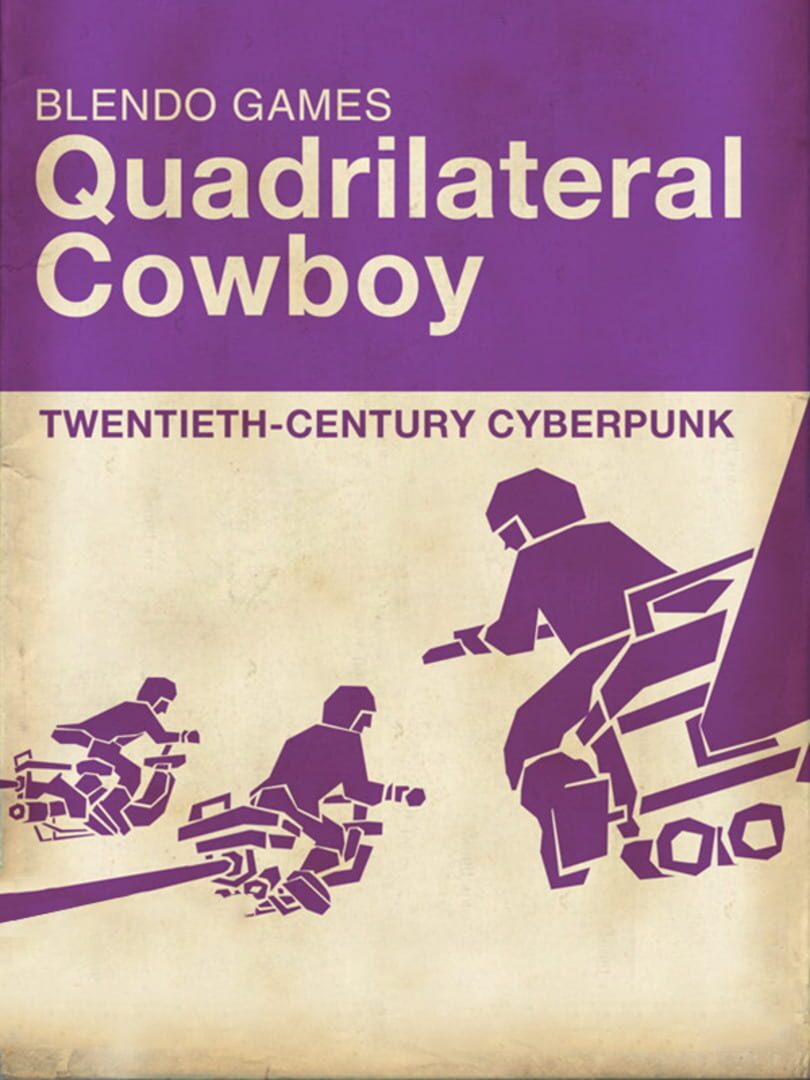
It feels as if Quadrilateral Cowboy never finds a solution to this problem, but it moves through different ideas quickly enough, and does enough with its cool, colourful world and story of silent friendship, that I enjoyed my time with it.
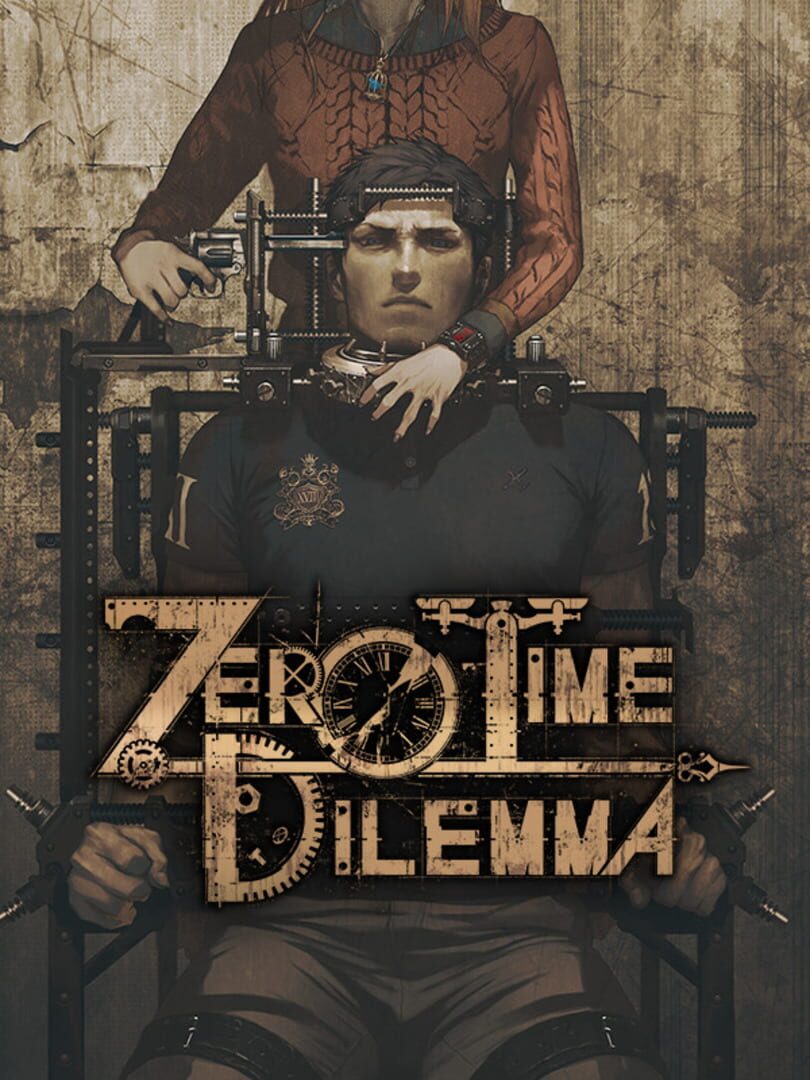
It’s by no means the best Zero Escape game, but it’s a fitting end to the trilogy’s story arc and – animation aside – it’s an excellent way to spend a few evenings.
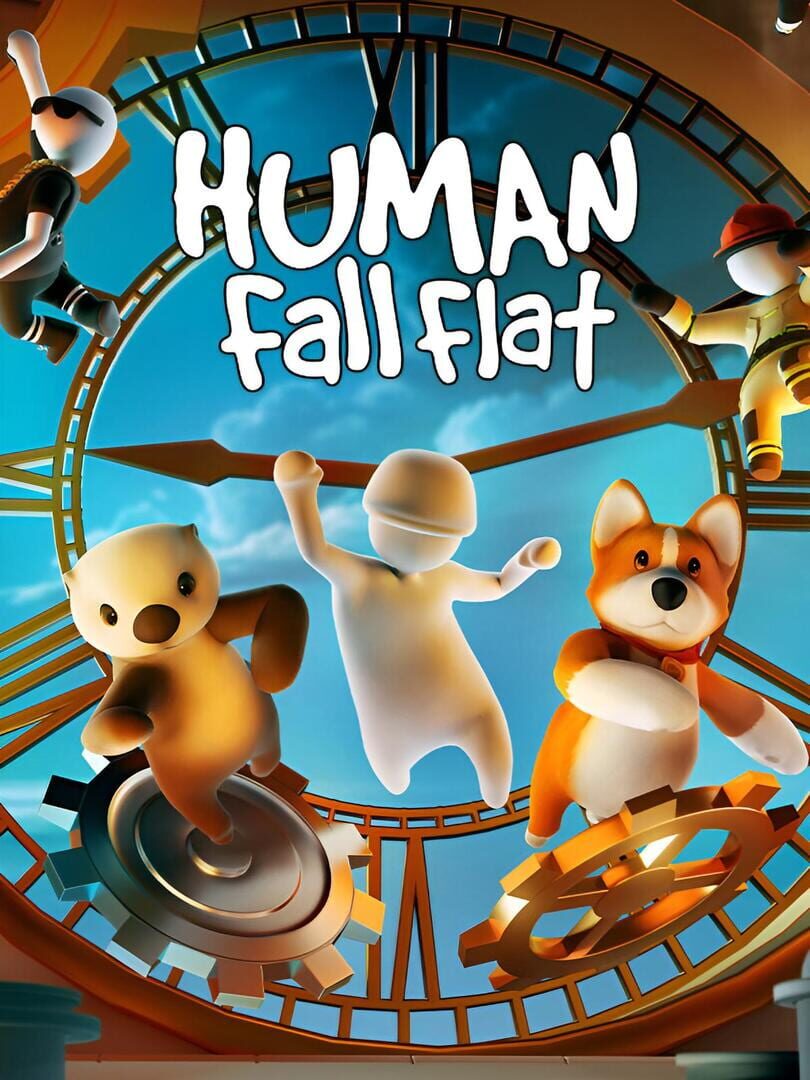
Human: Fall Flat is unquestionably charming, and tremendous fun when it’s not annoying me so much I want to find the developers and put staples in their toes.
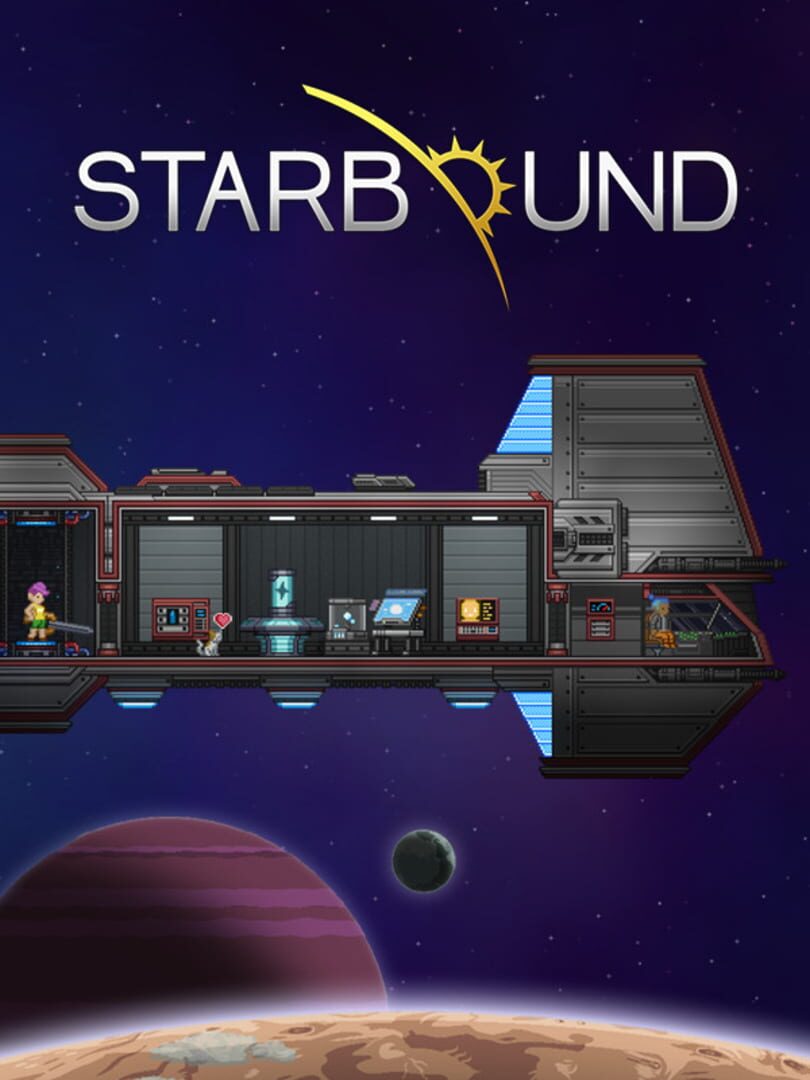
I find it difficult to picture the person who wouldn’t enjoy Starbound. Parts, sure, but the whole is this sincere, incredibly ambitious sandbox that’s as full of charm, and space-faring pirate penguins, as it is stuff to build and places to explore. And whatever you do, if you decide to add this digital galaxy to your collection, make sure to blackmail some friends into picking it up.
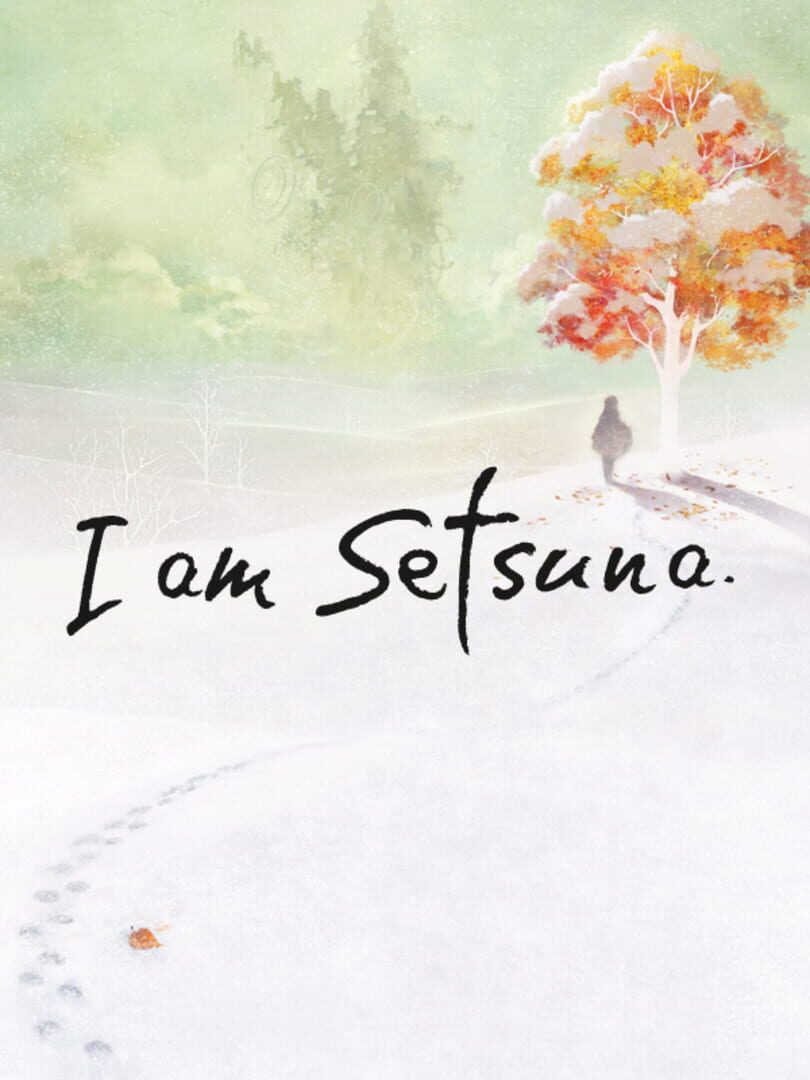
Those golden-era JRPGs are beloved because they were packed with memorable locations, characters, and combat. I Am Setsuna unfortunately falls short on all three counts, and instead delivers an average and forgettable adventure, albeit one with wonderful music.
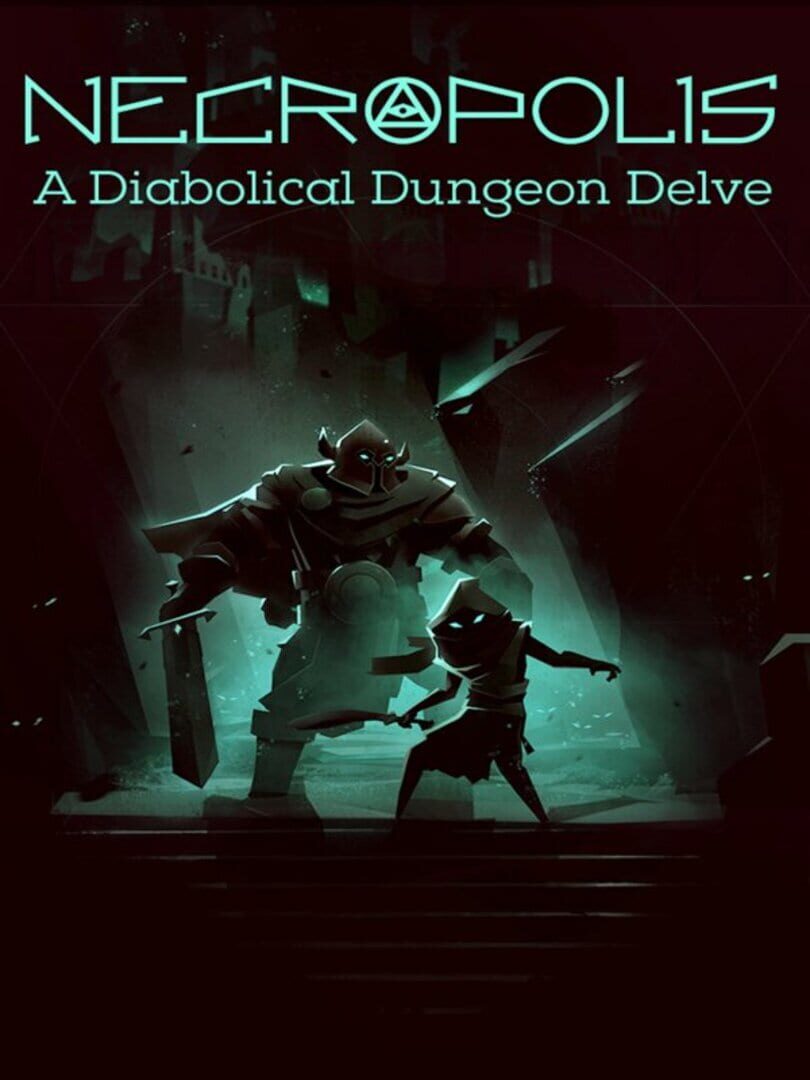
It’s a clumsy, dull, shallow, lacklustre trudge through cold soup. And fails at the most important aspect of any game in the genre: making me want to have another go.
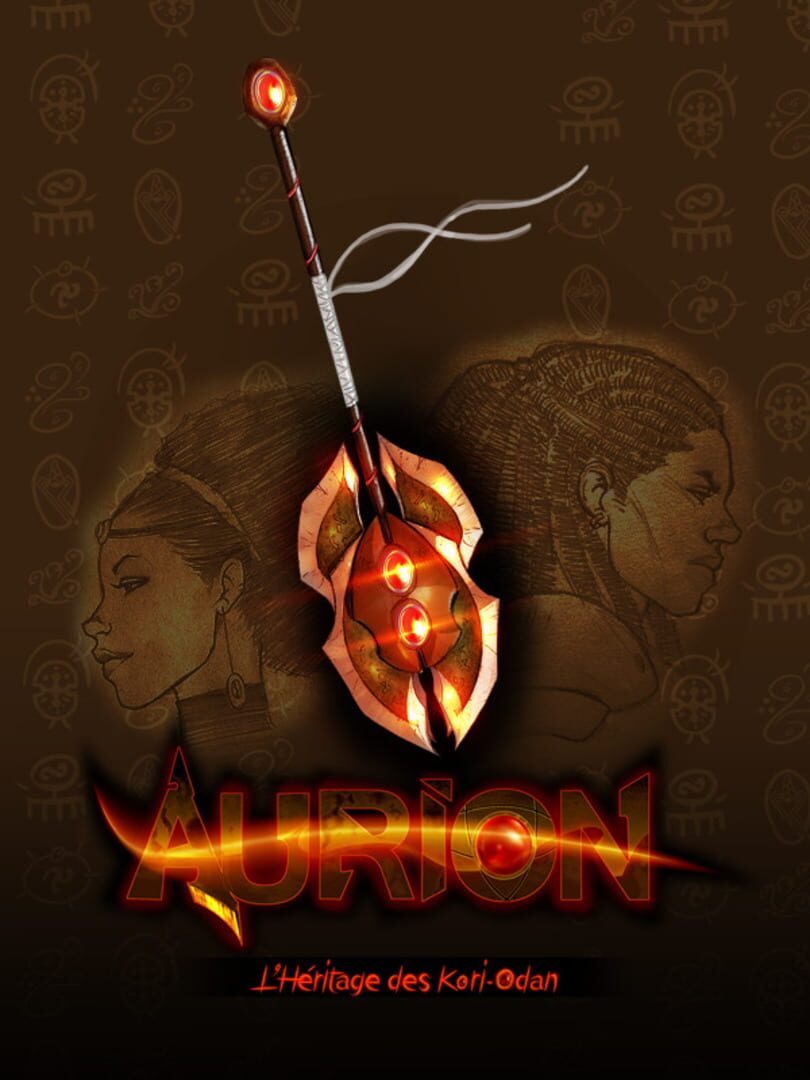
Even without acknowledging the unusually huge difficulties Kiro’o faced in getting it released at all, Aurion suffers a major blow but stands up as an original, memorable, and rewarding game that deserves every success.
It’s wildly derivative, which is such a peculiar thing to see from such a developer, but I’m glad it exists. It’s just… well, it’s fine.

Replica is a strong concept played out a bit too broadly for its own good, but it’s just smart – and certainly timely – enough to get away with it.
The Chernobyl VR Project is meaty and ambitious, and definitely sets a precedent for this sort of thing: armchair tourism taken to a whole new level, and especially valuable when it works hard, as this does, to educate as well as stimulate.
Clearly others are adoring this, so read around. I certainly will be now to try to work out what on Earth was going on last week. But I completely didn’t get this. It has a few decent puzzles, all of them boringly repeated. It looks lovely, when it remembers to, but mostly doesn’t.
‘Better’ isn’t the correct operative term, I think. ‘Different’ is, and honestly, that’s exactly what I wanted from DLC – a good reason to play through XCOM 2 again. As a total package, it’s substantial, even if not the equal of the Enemy Within expansion for XCOM 1
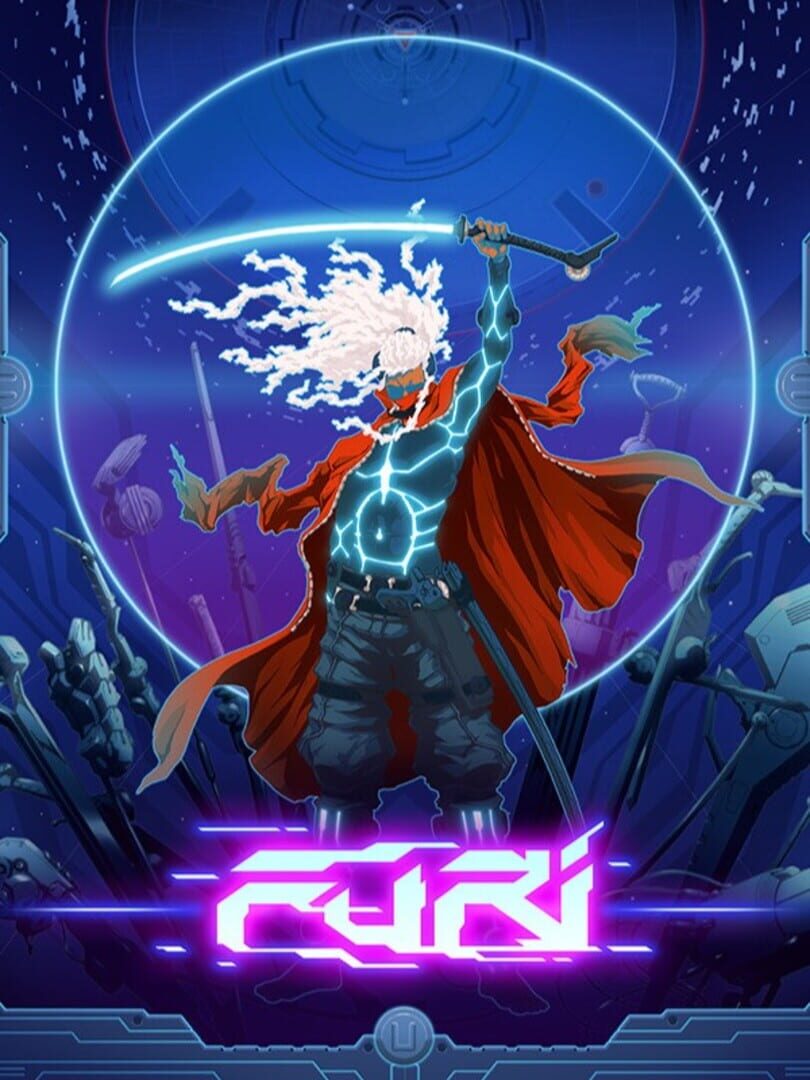
Even at its worst, Furi is something rather special.

This is good VR. Let there be more of it.
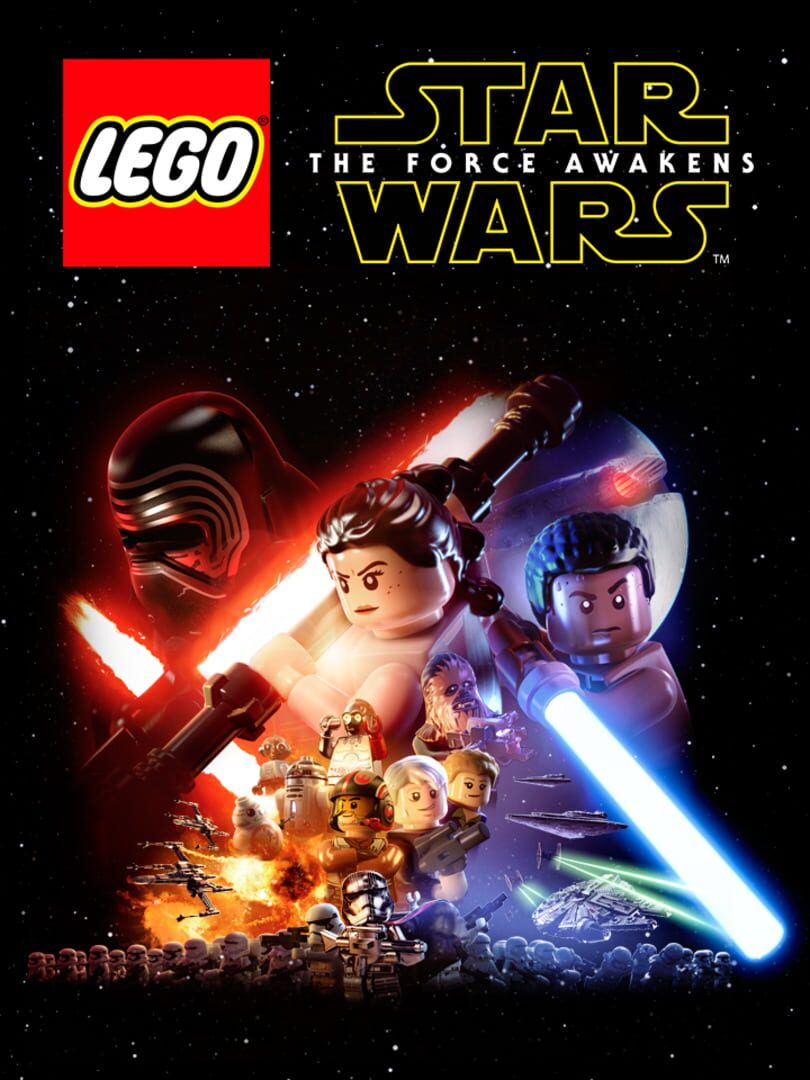
This is, for children, adults, anyone, a really lovely thing, funny, silly, and tremendous fun to play. If you've a kid who just got into Star Wars via the new movie, goodness me this can't be recommended highly enough. But at the same time, and I've been the one fighting off saying this for years longer than many others, it's getting stale. I