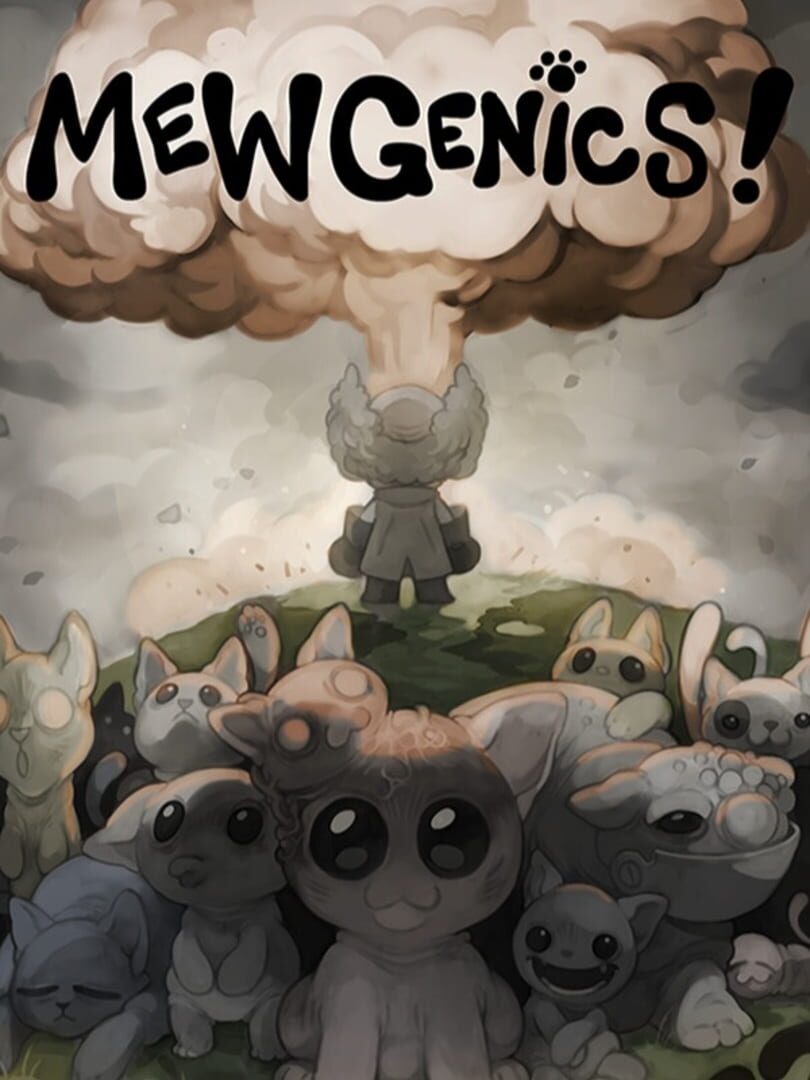
I can't get Fish Sticks out of my head. Not the food, but the stray cat with a squished face and stubby legs that I wrangled into my shack in Edmund McMillen and Tyler Glaiel’s new roguelite strategy game, Mewgenics. The shop, the pub, the dentist; no matter where I go, I…
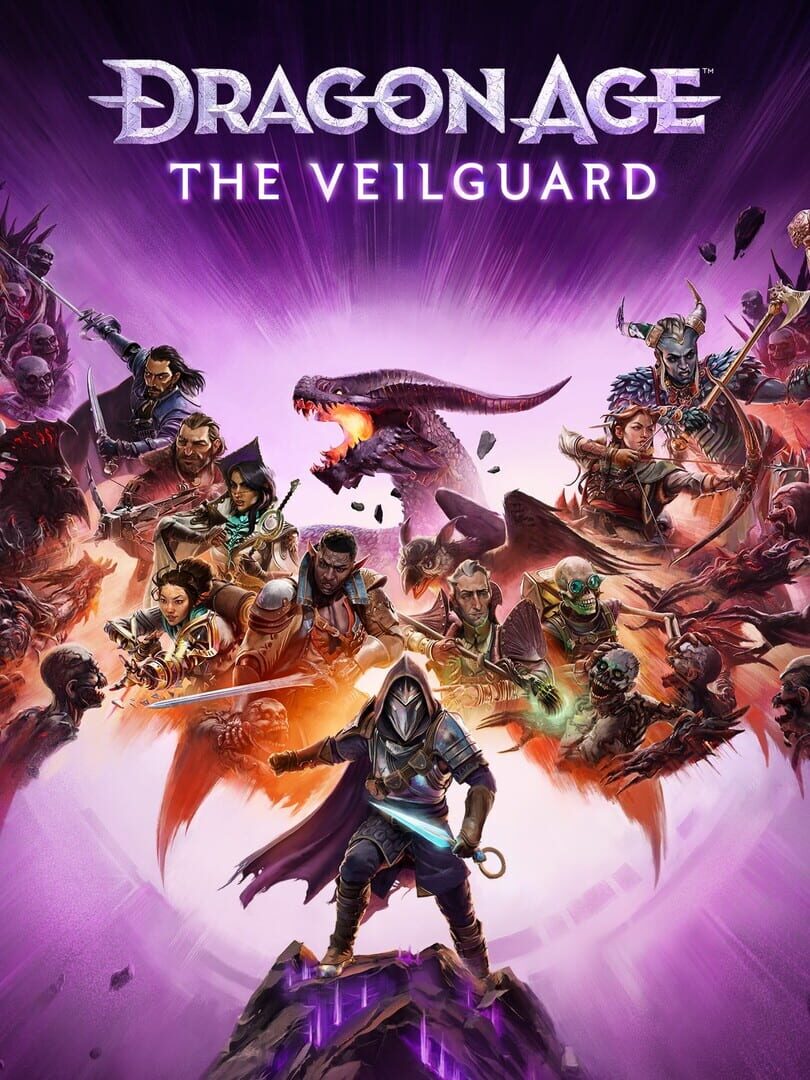
I'm not sure an hour passed in the fourth entry in Bioware's fantasy RPG series where I didn't wish they'd handled something differently. Then, once the credits rolled after 50 hours, I started a second playthrough.
As a follow-up to the previous trilogy, it's a timid and tepid tale too heavily reliant on what came before, too unambitious for what could have been, trapped in a gargantuan playground of bits and pieces to do.
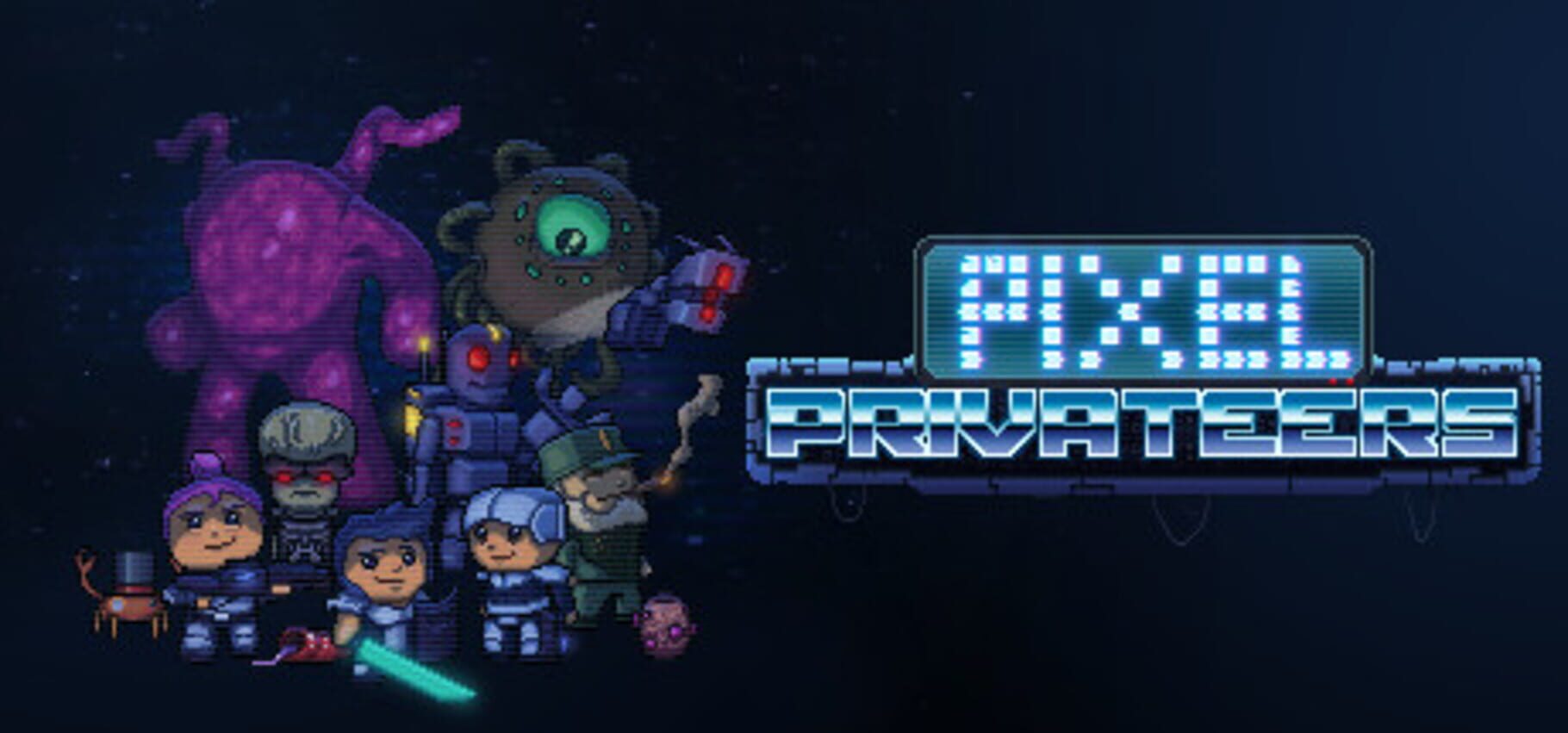
Pixel Privateers knows exactly what it's doing, and though it's about as deep as a microwave lasagne, it's almost impossible not to lose yourself to it for a few evenings.
It's a game of risk, reward and really bad decisions. It's many times more thoughtful than Duelyst, which is always my yardstick for card games. But at the same time it is much less climactic, less explosive, and less creative with its minions and their abilities.
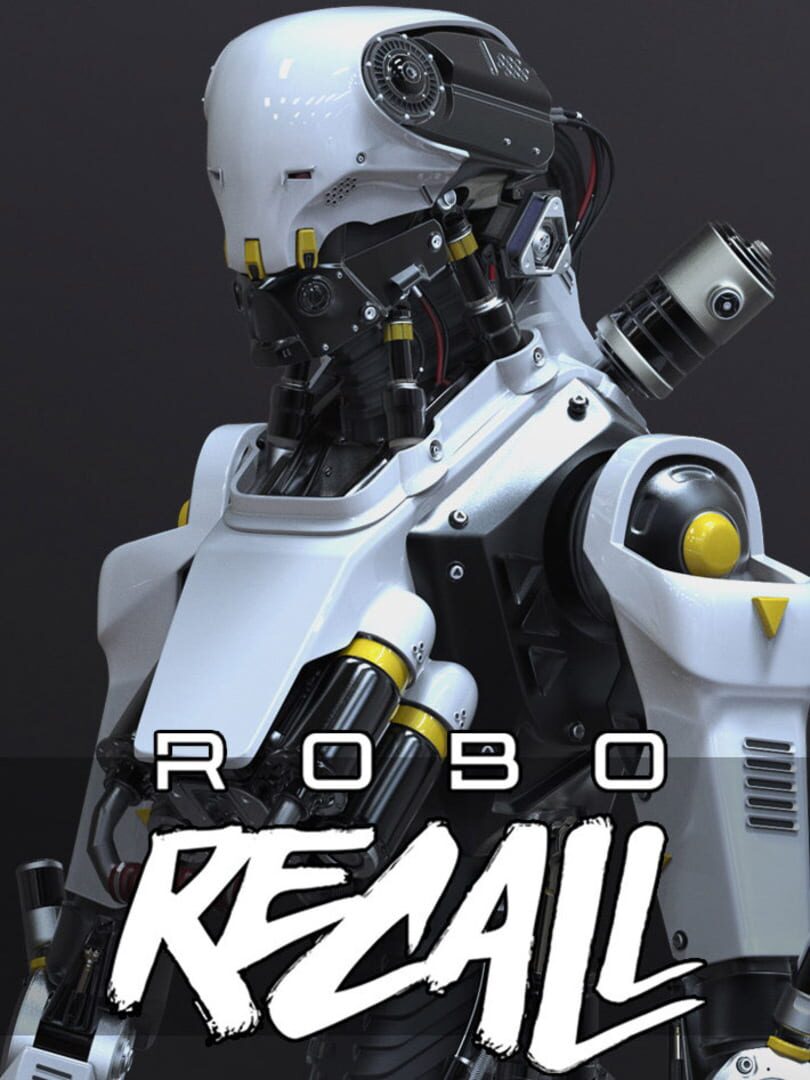
There's no escaping that you're essentially playing arena-based score attack, but quite clearly a shit-ton of money and expertise has been gone into this, and it looks and feels some distance ahead of the VR shooter pack.
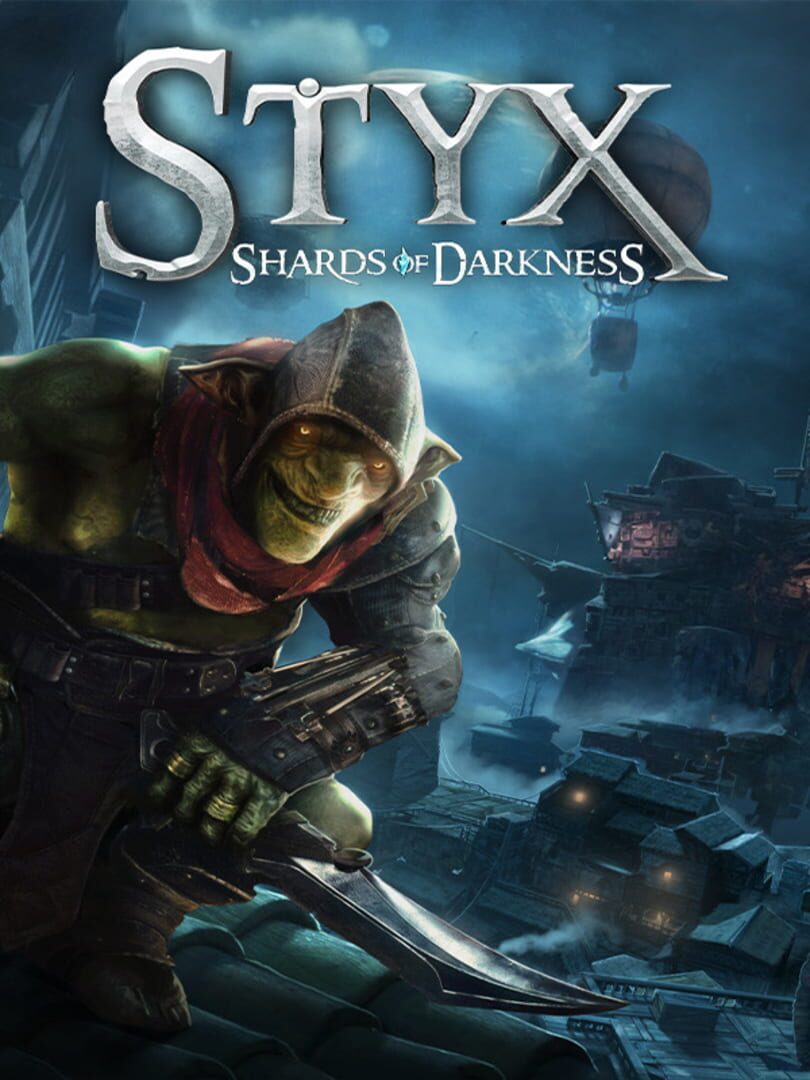
Clearly, a lot of money and skill has gone into making Shards Of Darkness, which only makes the fact that you have to battle past this woeful characterisation to get to the strong stealth meat below all the more tragic.
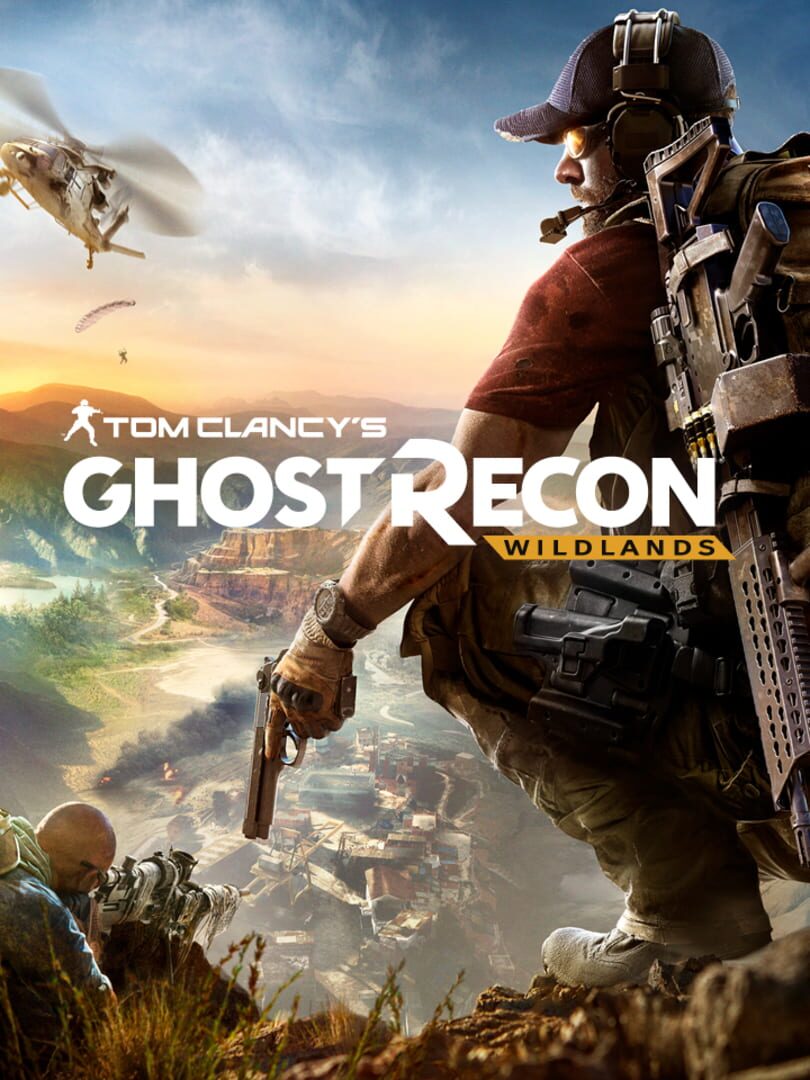
All this and more reveals Wildlands to be a shooter that has been released messy and unfinished, a practice that Ubi is doing with increased proficiency with each passing game, seemingly using their beta tests as demos and marketing opportunities instead of using them to actually test and repair their game to an acceptable level.
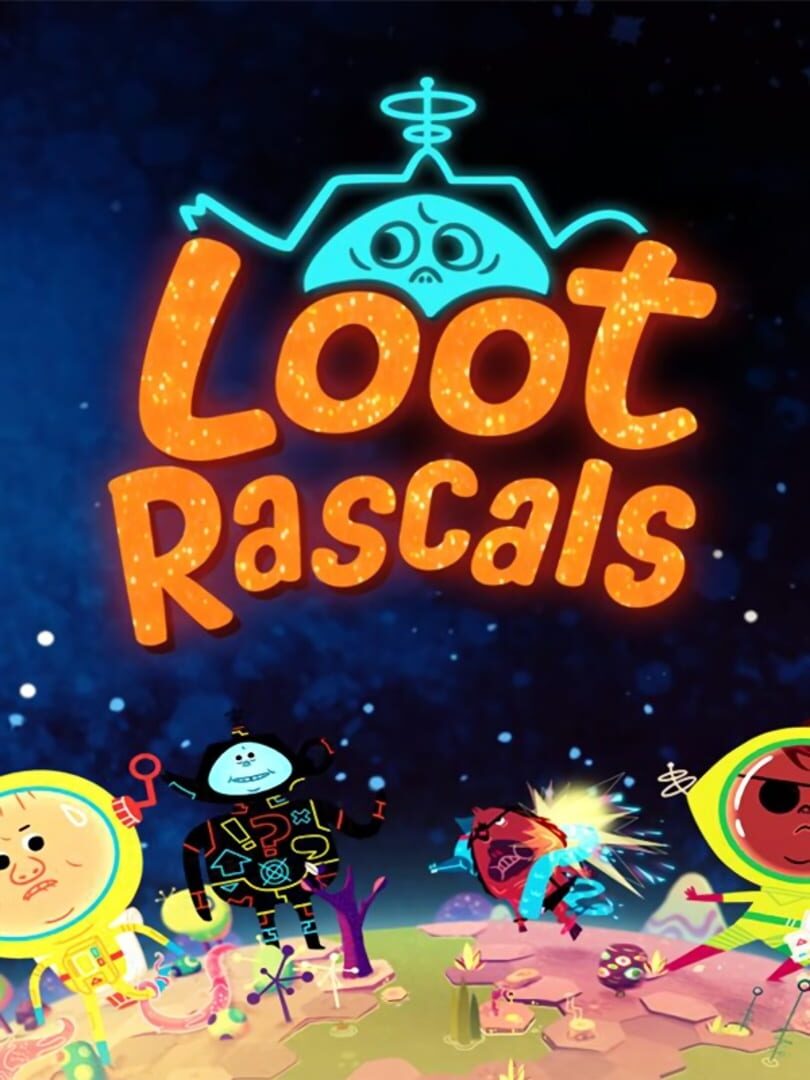
Funny, strange, sweet, accessible, as intricate as a Gordian knot with it. Loot Rascals is a smart piece of game design executed with delightful style. Even so, it feels as though the mechanics overwhelm all else – I do think it would benefit from offering more structure and goals in order to then earn the daily-play status it clearly desires.
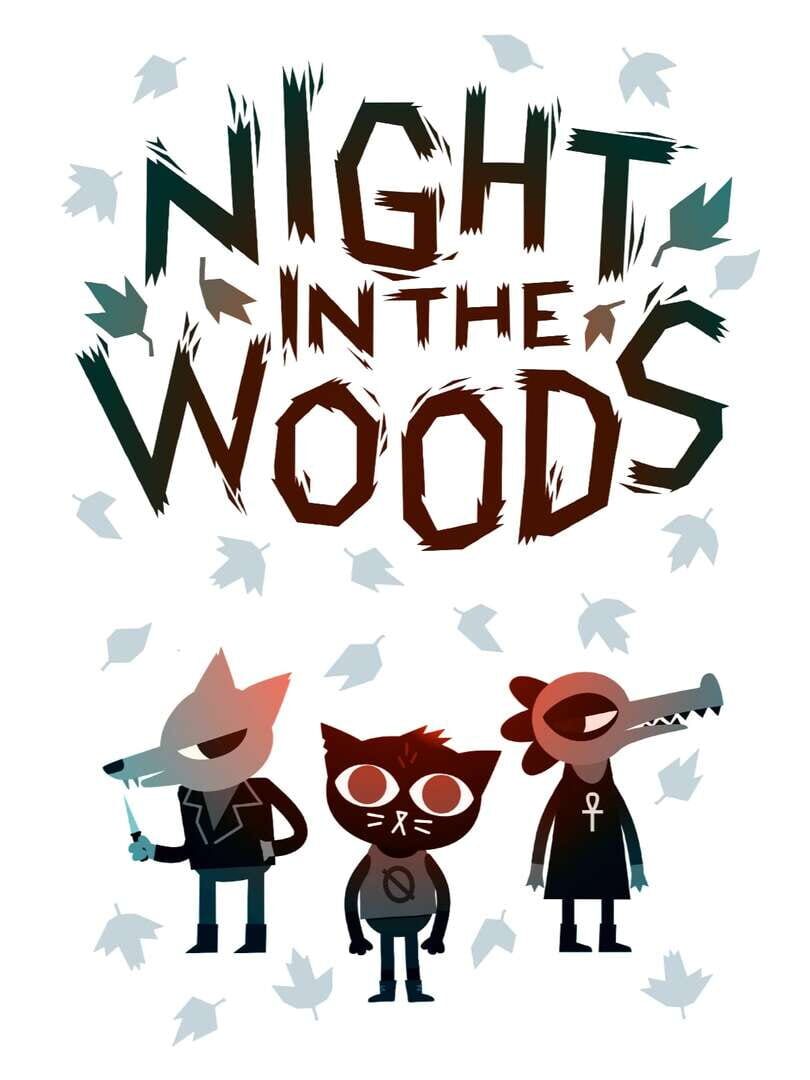
It all works really rather well, and is accompanied by a very pleasing ambient soundtrack, along with nature noises chirping and squawking over the Eno-esque keyboardy tones. And it gets rewardingly difficult, without feeling unfair, or relying on ninja reflexes.
The single greatest thing about PC gaming is that it's a medium which will explore every niche, and I was glad for a brief nose at this one. It is a bit crashy in its current form through, and that paired with the feeling that it needs a little more meat on its bones makes me more inclined to suggest waiting a month or two.
It delivers on what it delivers. The movement is fast but sturdy, the combat nifty, and the artwork is really lovely. Its choice of greys and muted greens and blues doesn't do it enormous favours, and each area is pretty monotone. Animations are great, and the world is pleasingly detailed, but it also feels flat and dulled.
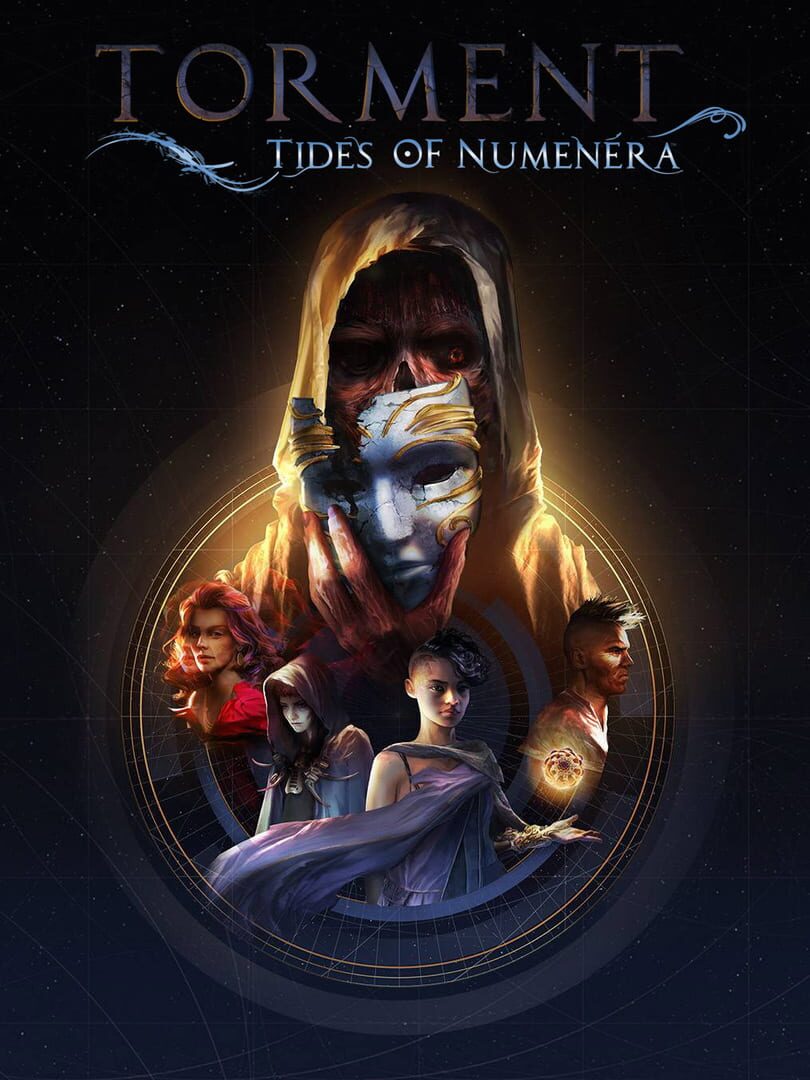
Torment is the weird, wordy, wise and wicked roleplaying game we've so desired during these long years of heightened spectacle. Not a total triumph, no, but close enough.
No, you don't need to have played 1999 weird fantasy roleplaying game Planescape: Torment to enjoy this spiritual sequel. There are references and commonalities, but they're not in any way necessary to understand or appreciate it. What is required is a reasonable degree of patience, and an enjoyment of reading and of big ideas.
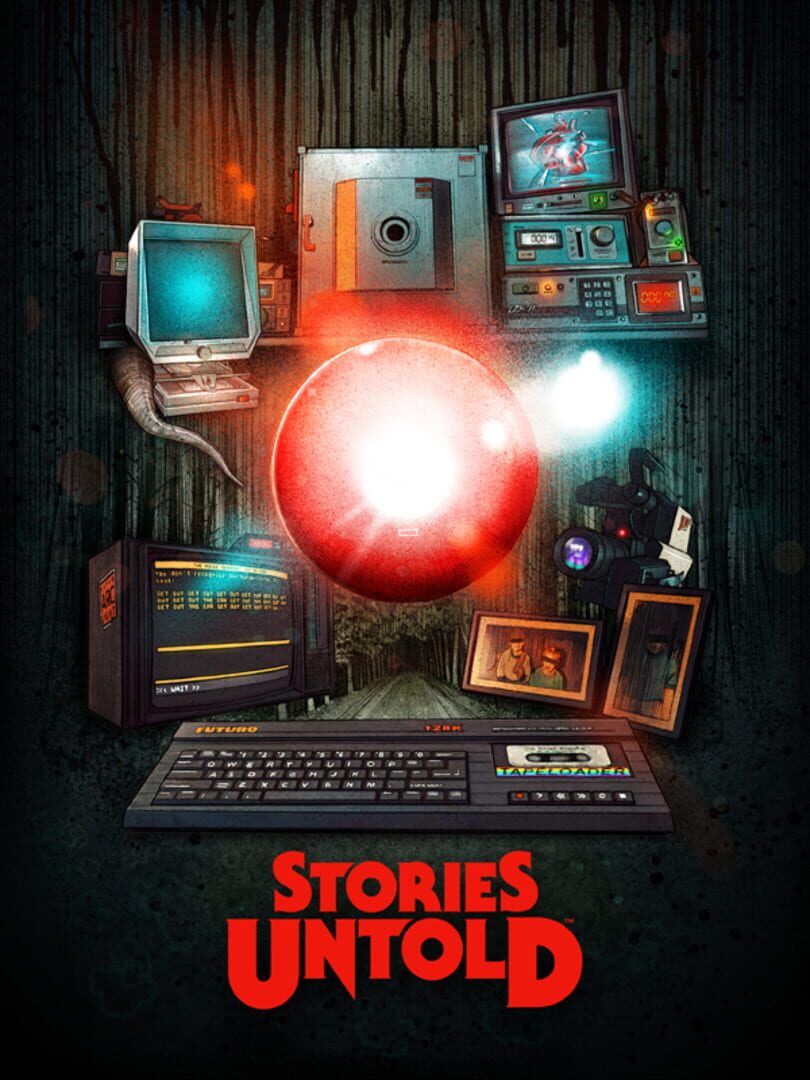
Stories Untold is bleak and disturbing, novel and experimental, and most importantly when doing all that, very clever. It's smarter than you'll realise, in fact. And why it's smart is all in the experience of playing, not to be given away in the process of reviewing. A pain in the arse for me, but worth it for you.
I started off really not liking it, I grew to completely love it, and I walk away from it with so much love but a wobble of doubt. It's by far the most elaborately graphical piece of interactive fiction, but in being so it suggests it's going to be other things too, and it's hard (certainly at first) to let go of all that, just let it be what it is.
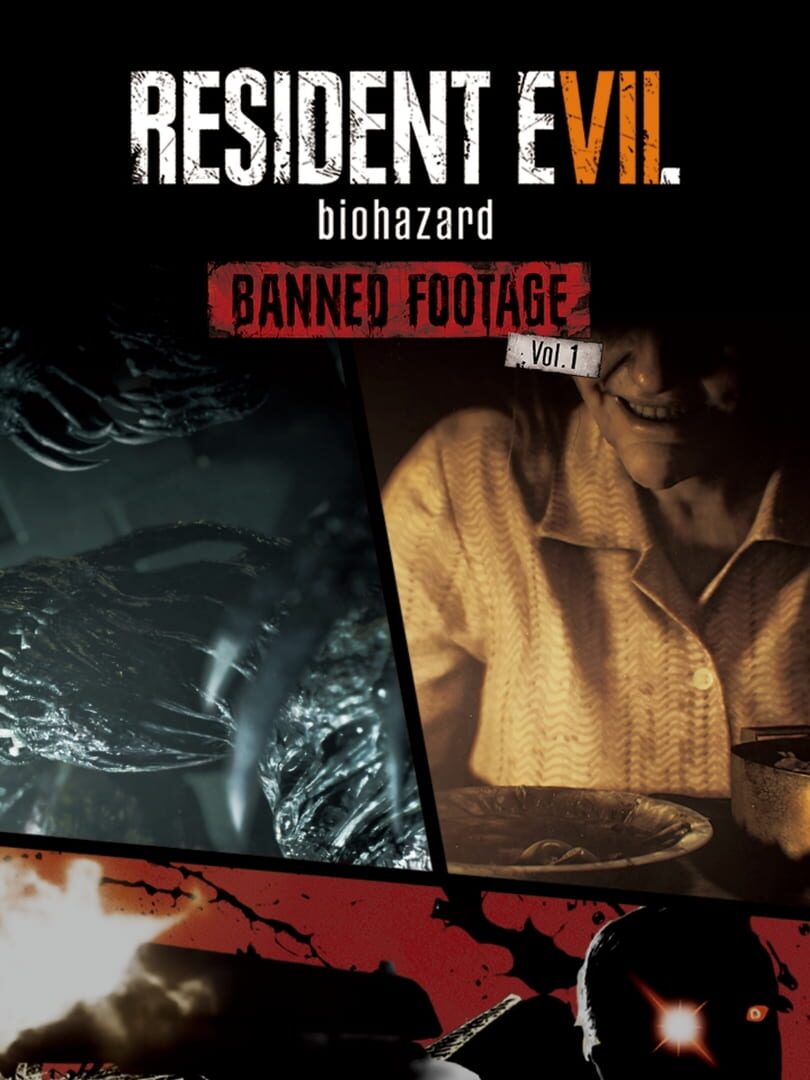
Sadly it's all too brief and only stands up to one playthrough, realistically. I'd definitely be up for a dedicated bundle of a half dozen vignettes like this, though. It utilises and clearly understands exactly what it has in Resi 7's best element – the twisted Baker family – and keeps its hands clean of the excess that characterises Resi 7's final act.