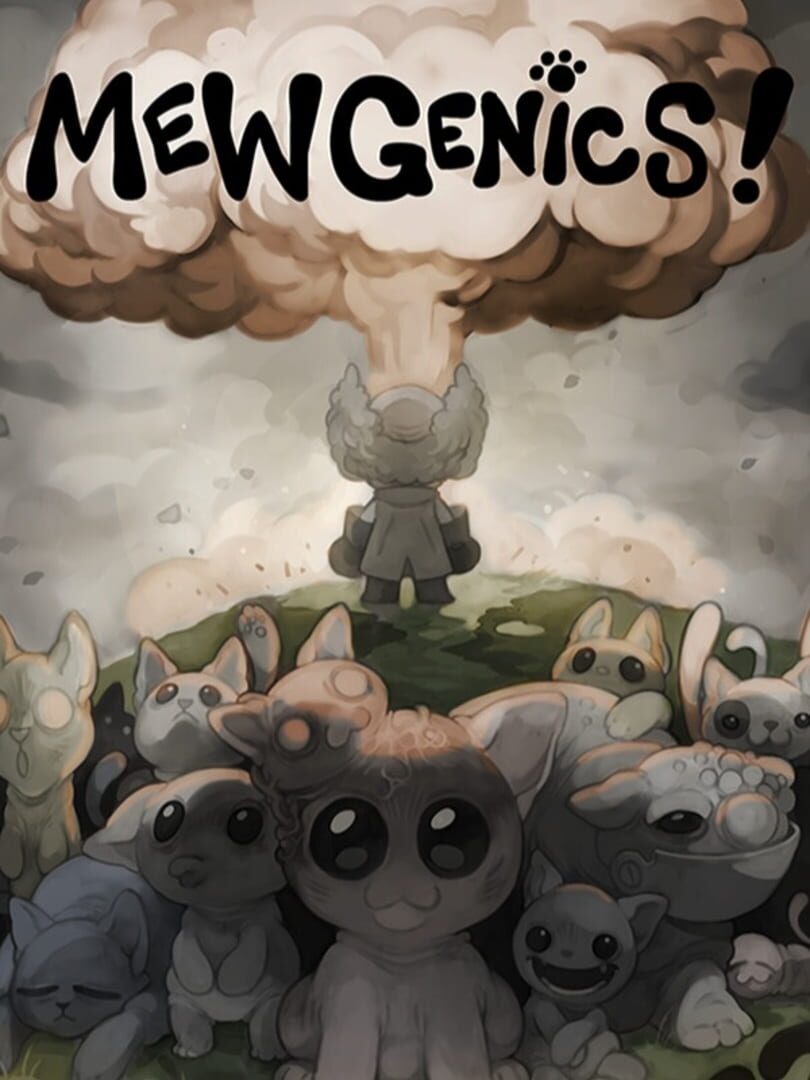
I can't get Fish Sticks out of my head. Not the food, but the stray cat with a squished face and stubby legs that I wrangled into my shack in Edmund McMillen and Tyler Glaiel’s new roguelite strategy game, Mewgenics. The shop, the pub, the dentist; no matter where I go, I…
I was, like so many of my 1990s-born peers, a huge Sims girlie. I spent hundreds of hours as a teen and young adult making people I knew, characters from shows I was obsessing over, or original characters I wanted to experiment with, and diligently following their life paths and…
It starts ugly and ends ugly, without enough humour or horror in between to shock or surprise. I'm not convinced its mingling of arcane silliness and actual suffering quite works either; it's a bit like Martyrs with gross sex jokes.
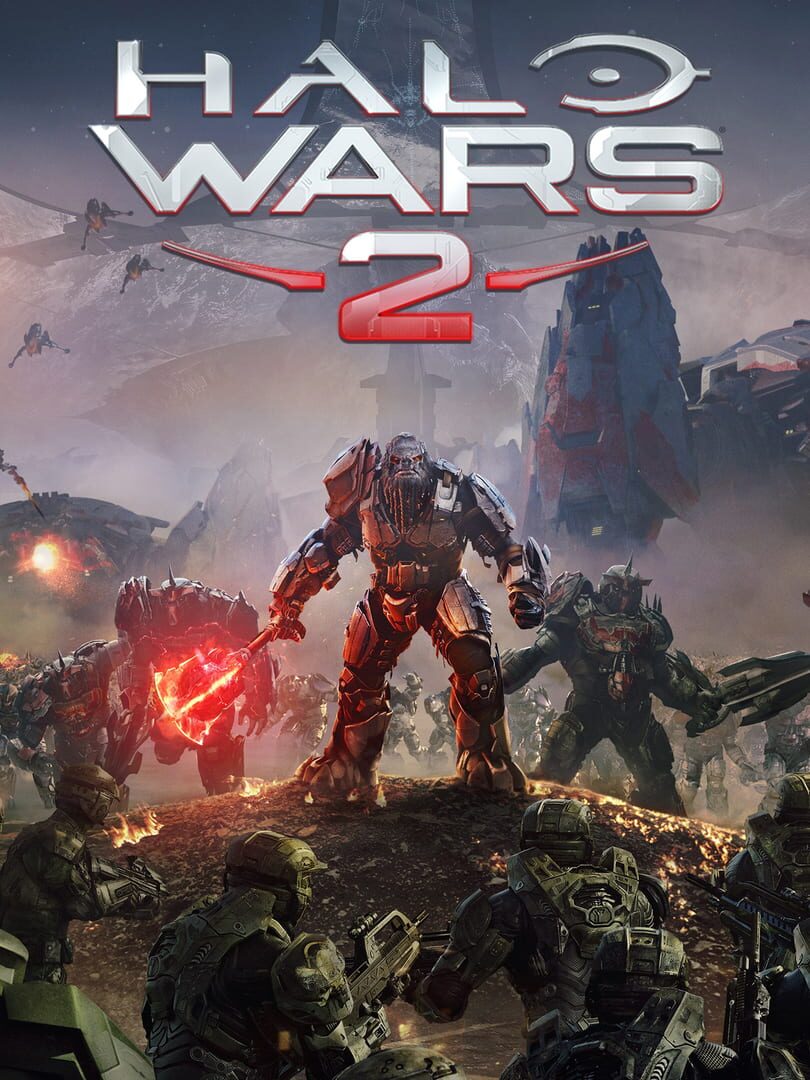
Halo Wars 2 is simultaneously conservative and inventive. It's definitely trying to evoke traditional RTS games – which is not entirely a bad thing given the recent dearth of them – especially when it comes to the campaign, but elements like base construction and Blitz mode make it stand out enough that it doesn't feel like you're just going through the motions for the hundredth time.
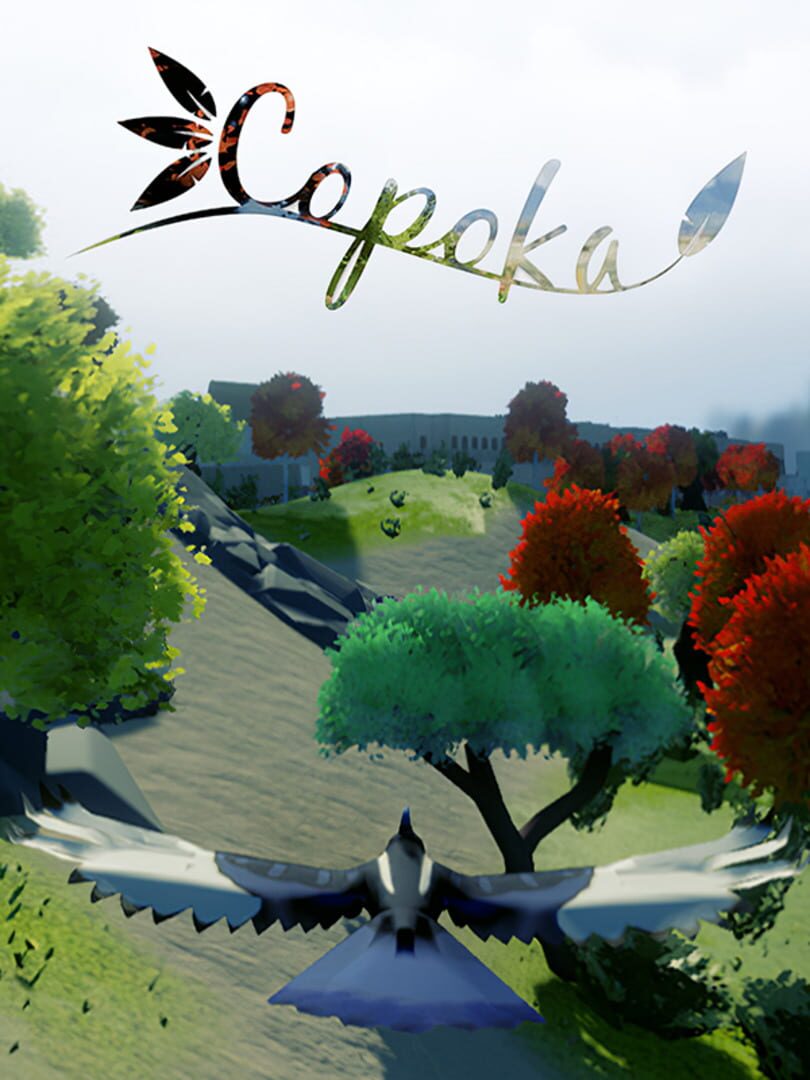
The characters in the world are a lovely design, and the whole place is very pretty. It has some great music, and it plays in dynamically dependent upon where you're flying in the city. But it's glitchy as all hell, flight not letting you satisfactorily swoop and swish as you might like, with your bird unable to take off from far too many places it can land, and clearly there is such a high expectation that you'll get stuck clipped into the world that it monitors for it and respawns you after a few seconds.
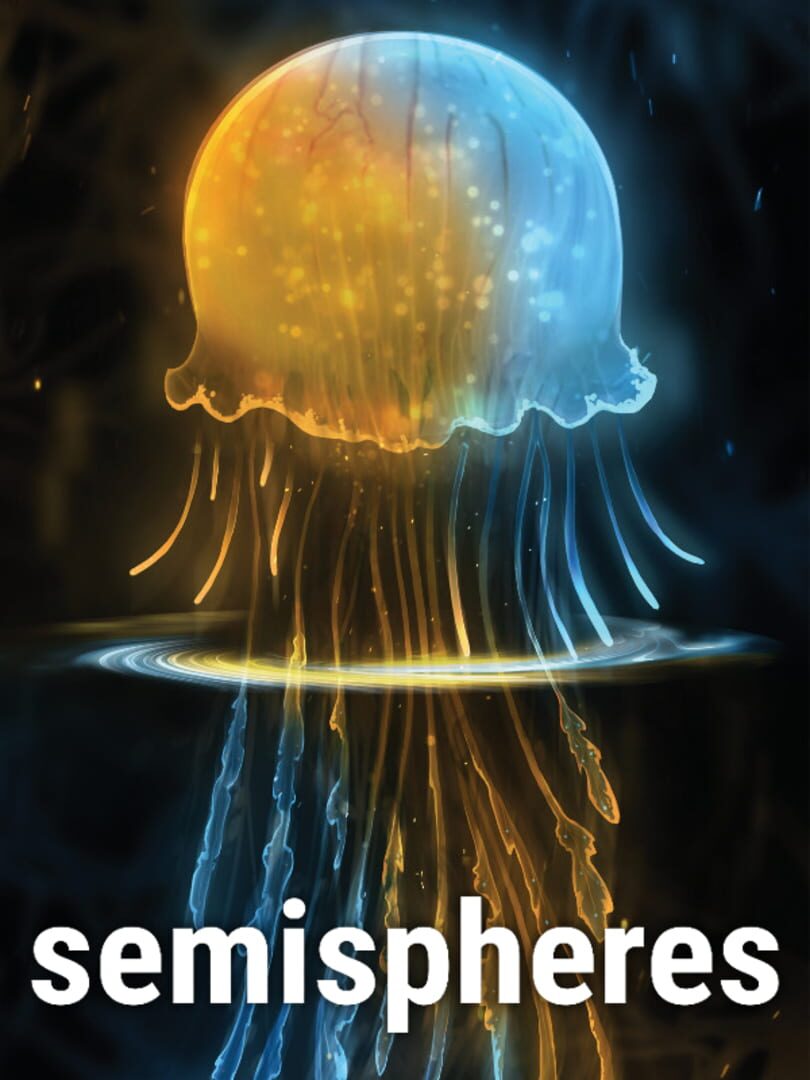
I completely love it. This is such a smart game, cleverly delivered both in style and execution, taking familiar puzzle ideas and making them feel bewilderingly original via its split-screen single-player co-op. I
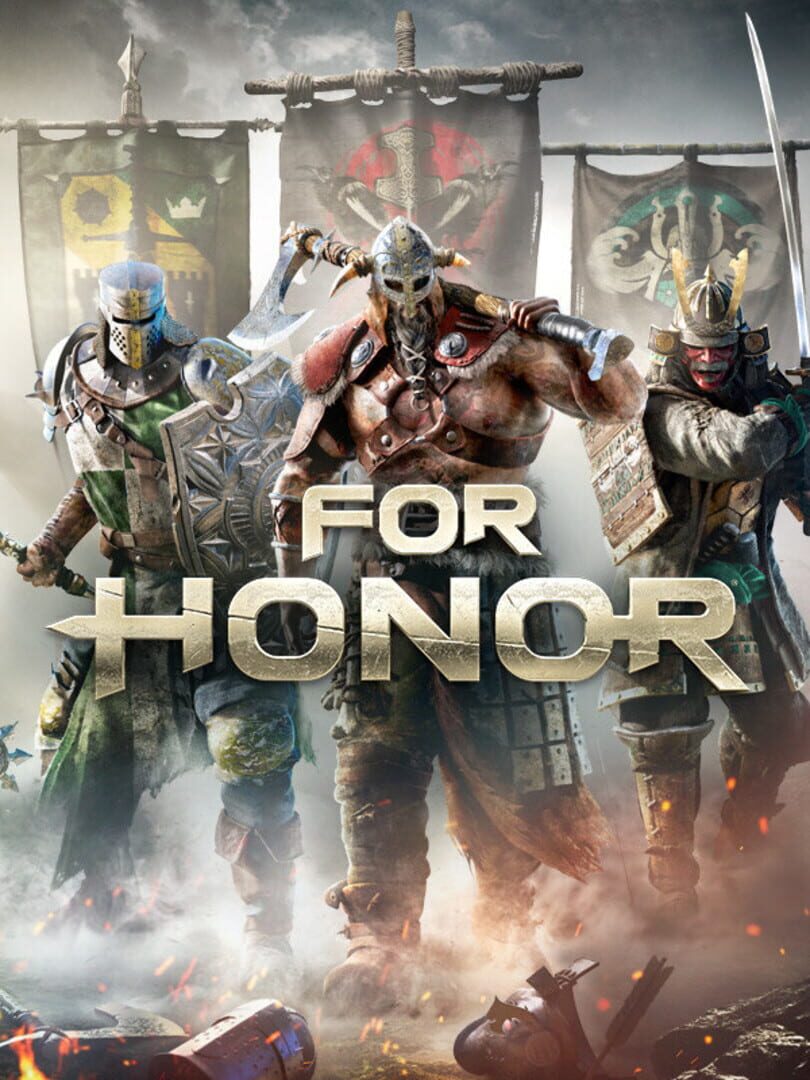
Overall, I don't know exactly how I feel about For Honor. It sometimes feels like a Ubisoft hired a bunch of scientists in white coats to observe Dark Souls PvP from behind reinforced perspex and experiment on it with Dota DNA in a mad attempt to recreate a tame monster in a safe environment for their own nefarious ends (profit). What they've made is an interesting chimera, something that is both more accessible but sometimes just as unforgiving.
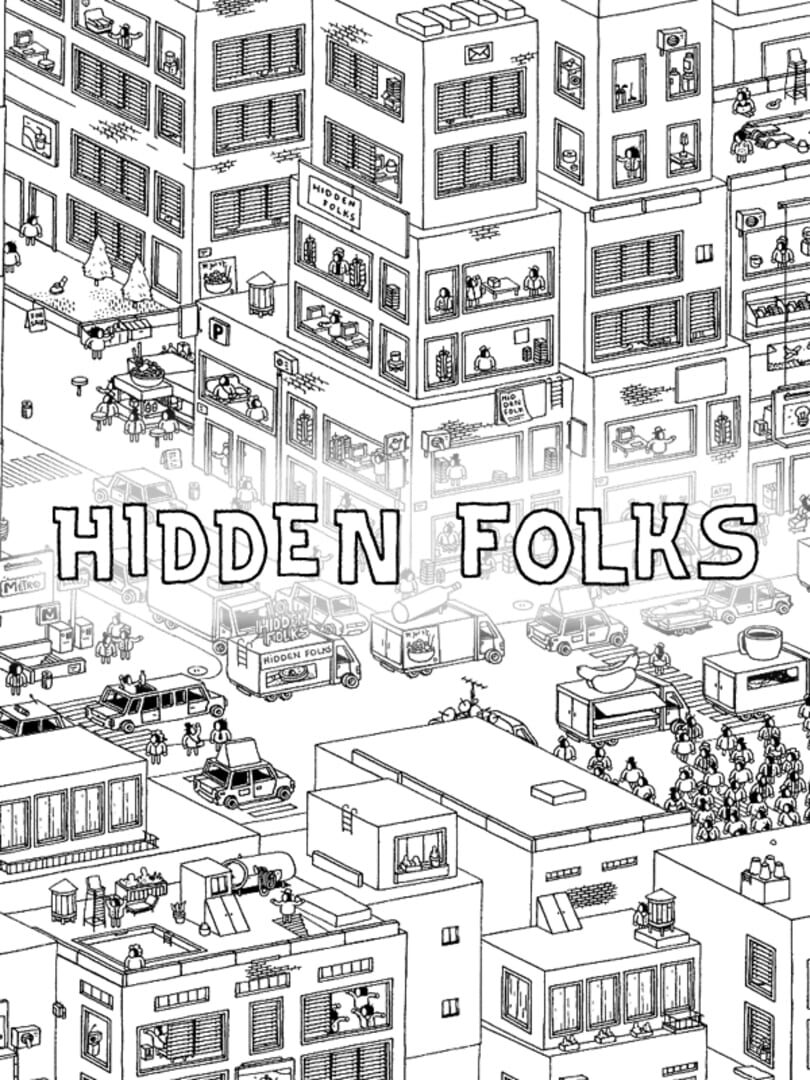
This is charming and silly and gentle and fun, ridiculously intricate and lovingly crafted. It's not hardcore, it's not going to outfox you, but it doesn't want to be doing that. This is one of those instances where you wish "casual" hadn't become a meaningless nonsense term in gaming, because it would nicely capture the feeling of a puzzle book that's magically come alive, a Where's Wally where you get to poke and prod the characters. It's a calm, calming and pleasingly silly game.
It moves along at a good pace, introducing new puzzle concepts thick and fast rather than overly relying on what's been before. And like I say, it looks absolutely lovely as it does it. Simple reds and greys are portrayed with a deft use of texture, a lovely papery style to the defiantly 2D design.
The result is a really splendid example of the form, with enough original ideas of its own within the standard to make it interesting. It’s a good, solid game, that’s occasionally extremely tough, but always fair.
Despite its flaws, Tales of Berseria has numerous interesting stories to tell. If the developers had cut the flab and focused almost exclusively on the cast of characters – with some combat thrown in – then I think this would have been a must-play. As it is, I think it’s still worth playing if you’re a fan of story-focused JRPGs, as long as you know you’re strapped in for the long haul.
A House of Many Doors has so much lovely writing and is so ambitious. It’s also so entirely in the shadow of its spiritual sibling. As a result it can’t hope to escape constant comparisons even if it proves preferable to the narrative tastes of some players. It’s the Dannii to Failbetter’s Kylie.
This isn’t going to entertain the brainboxes who demand Stephen’s Sausage Witness before they’ll get out of their four-dimensional beds, but for a chilled puzzling time, they don’t get much better than this. It’s really splendid.
At a certain point it starts to feel really not OK that you’re interfering in this person’s life. You can send unfinished emails, and, well, worse, and I love that it includes this. Because at that point you really start to ask questions about what you’re doing here, and at that point the game becomes something more, something bigger than just a narrative you’re experiencing – it crosses over into feeling a teensy bit real. I love those moments. It’s to A Normal Lost Phone’s credit that it achieves this.
Mainlining could have been a good, comedic antidote to Orwell’s overt political warnings. As it turns out, it’s got as many flaws as an outdated Windows operating system.
The result is something that’s… average. Average, the most boring of the conclusions to reach, to write about, to read about. So sorry about that. But as you’ll know, not the most boring to play – it just means it’s fine, it passes the time, it could be a lot better with a clearer interface, the removal of its gibberish plot, and much fairer windows for the timing challenges, but none of that would raise it much past “above average”. It’s just an average idea, done reasonably well. And sometimes that’s enough.